


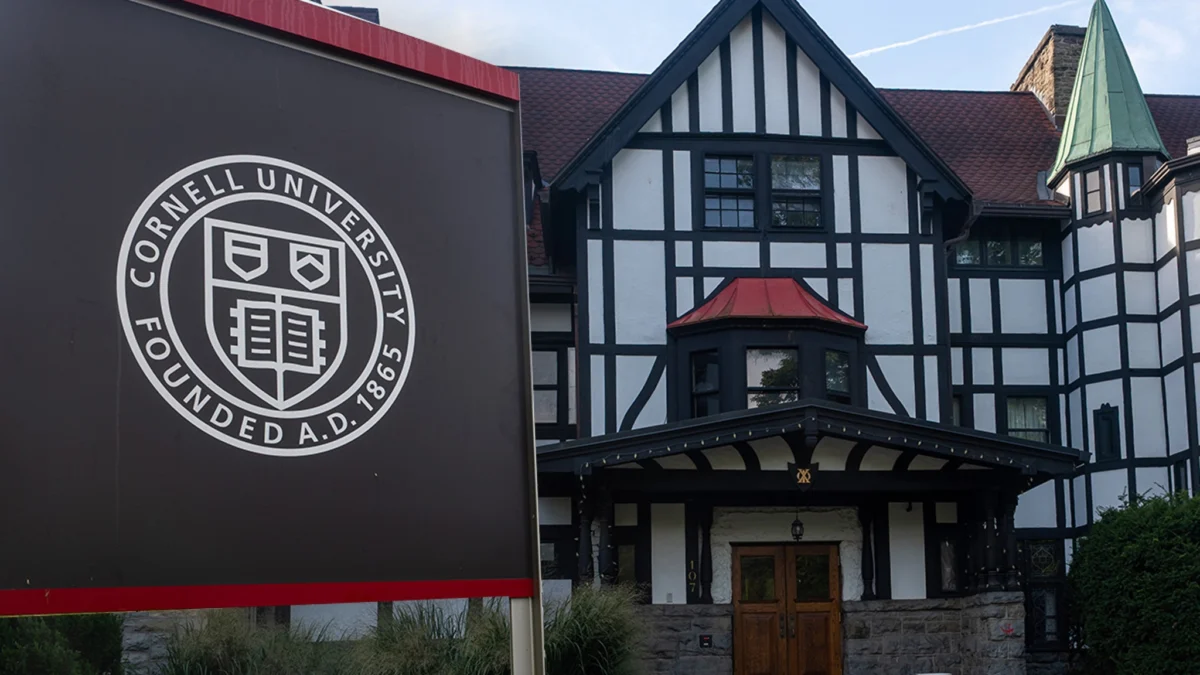
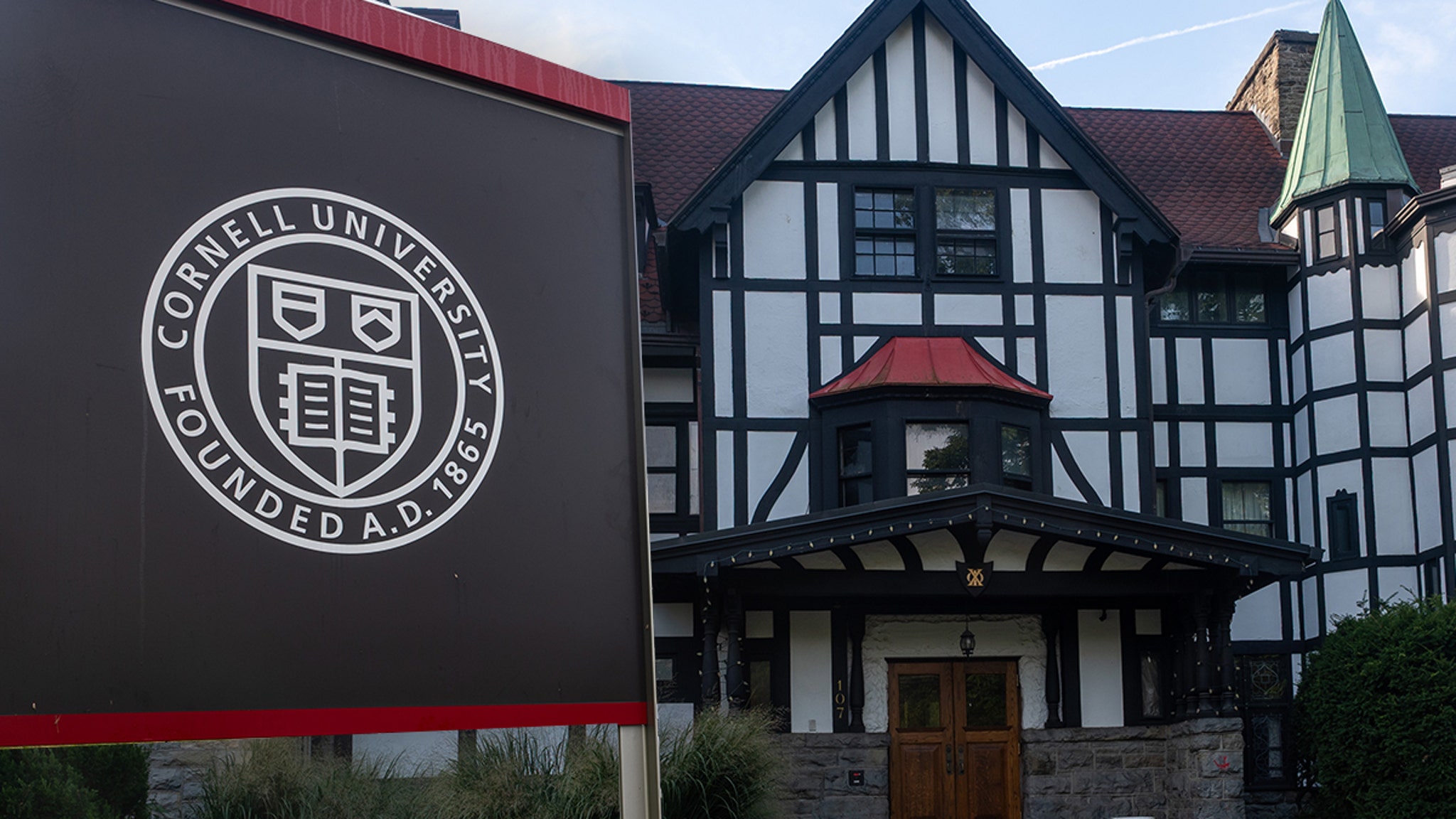
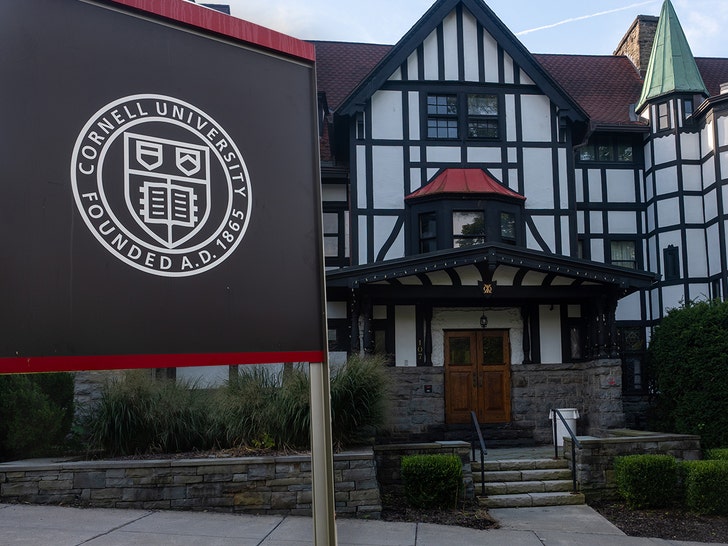
The handling of the high-profile, alleged gang rape investigation at Cornell University has faced intensifying scrutiny following newly surfaced investigative records. According to detailed documentation reported by the New York Times, the Tompkins County District Attorney’s office declined an explicit offer from campus law enforcement to review supplementary statements and comprehensive interview materials during the early stages of the probe. This revelation directly contradicts previous public assertions made by Tompkins District Attorney Matt Van Houten, who repeatedly maintained that his office received only minimal documentation—specifically, the accuser’s sworn statement and a single screenshot of purported Snapchat messages linked to the Chi Phi fraternity.
The discrepancy has injected a fresh layer of controversy into a case that has already sparked widespread campus protests, national media attention, and high-level political intervention. As legal experts, advocacy groups, and state officials evaluate the handling of the case, questions regarding institutional transparency, prosecutorial discretion, and the standard operating procedures for handling sexual assault allegations at elite academic institutions have taken center stage.
Background Context of the Allegations
The origins of the controversy trace back to an alleged incident involving a Cornell University student, identified in legal and public filings as Jane Doe, who reported being sexually assaulted. According to statements provided to campus authorities, the incident allegedly involved members of the Chi Phi fraternity. The case quickly galvanized the Cornell student body, leading to demonstrations, open letters from faculty and student organizations, and immense public pressure on local law enforcement to pursue rigorous criminal charges.
From the outset, the investigation exposed friction between the Cornell University Police Department (CUPD) and the Tompkins County District Attorney’s Office. Navigating sexual assault allegations involving Greek life organizations at major universities often requires seamless coordination between campus safety officers, municipal police, and local prosecutors. However, the breakdown in communication between CUPD and Mr. Van Houten’s office has become a central focal point in understanding why criminal charges were initially sidelined.
Chronology of Events and Investigative Missteps
A closer examination of the records obtained by journalistic outlets outlines a troubling timeline of missed opportunities and conflicting accounts between investigators and prosecutors:
- Initial Reporting: Jane Doe files a formal report with campus law enforcement, detailing the alleged assault and providing initial supporting materials, including digital communications.
- CUPD Outreach: Cornell University Police Department investigator Jeffrey Northrop engages with Jeff Huddle, a representative of the Tompkins County District Attorney’s staff, to discuss scheduling additional interviews and reviewing expanded witness statements.
- Prosecutorial Dismissal: According to contemporaneous notes taken by investigator Northrop, prosecutors indicated a lack of interest in reviewing the additional material. The notes assert that the D.A.’s office concluded criminal charges would not be viable based solely on the initial statement provided by the accuser.
- Public Statements by the D.A.: In subsequent weeks, District Attorney Matt Van Houten defends his office’s decision not to prosecute, publicly stating that he was never provided the full transcript of Jane Doe’s exhaustive two-day interview by campus police and that evidence was limited to a sworn statement and a single screenshot.
- State Intervention: Amid escalating public outrage and demands for an independent review, New York Governor Kathy Hochul steps in, utilizing executive authority to appoint State Attorney General Letitia James to take over the investigation and review all associated evidence anew.
Analysis of the Discrepancy
The contradiction between investigator Northrop’s documented notes and District Attorney Van Houten’s public declarations highlights systemic vulnerabilities in how local prosecutors and campus police coordinate complex sexual assault cases.
In standard criminal procedure, a prosecutor’s office relies heavily on law enforcement to gather a complete evidentiary package before deciding whether to present a case to a grand jury. When a prosecutor declines to review supplemental witness statements offered by detectives, it effectively closes an investigative avenue prematurely. Legal analysts note that while prosecutors maintain broad discretion regarding which cases to pursue—often weighing the likelihood of a conviction against the available evidence—refusing to examine available testimony can severely undermine public trust in the justice system.
Furthermore, the public back-and-forth between the Tompkins County D.A.’s office and campus police underscores a dangerous communication deficit. When institutional entities shift blame onto one another regarding who possessed or failed to request vital case files, the integrity of the judicial process is compromised, leaving both the complainant and the accused in a state of prolonged uncertainty.
State-Level Intervention and Political Fallout
The political and institutional ramifications of the Cornell case prompted swift executive action at the state level. Recognizing that local confidence in the Tompkins County District Attorney’s office had eroded significantly, New York Governor Kathy Hochul exercised her authority to intervene.
Governor Hochul appointed New York State Attorney General Letitia James to assume control of the investigation. The Attorney General’s office possesses statewide jurisdiction and specialized resources dedicated to handling complex civil rights, bias, and sexual assault investigations. This transition aims to provide an impartial, thorough, and transparent re-examination of all evidence collected by both CUPD and local prosecutors, ensuring that no potential testimony or digital record is overlooked.
Legal experts suggest that the Attorney General’s involvement will likely include a comprehensive audit of the communications between investigator Northrop and district attorney staffer Jeff Huddle, as well as a fresh evaluation of the complete, unedited transcripts from the accuser’s interviews.
Broader Implications for Campus Sexual Assault Investigations
The unfolding events at Cornell University serve as a cautionary case study for universities and local municipalities nationwide. The case illuminates several critical challenges in the adjudication of campus sexual assault:
- Jurisdictional Boundaries: The intersection of campus police departments—which often have varying degrees of investigative resources and training—and municipal prosecutors frequently creates bureaucratic friction. Establishing standardized protocols for evidence-sharing is essential to preventing cases from falling through the cracks.
- Transparency and Accountability: Public trust relies heavily on accurate, consistent communication from elected officials. When a prosecutor’s public defense is directly refuted by internal law enforcement logs, it damages institutional credibility and intensifies trauma for survivors of sexual violence.
- The Role of State Oversight: The intervention by Governor Hochul and Attorney General James demonstrates a growing willingness by state executives to step in when local prosecutorial offices face allegations of mismanagement or severe communication breakdowns in high-profile cases.
As the Office of the New York State Attorney General moves forward with its independent review, the legal community, Cornell students, and advocacy groups await further findings. Whether the newly uncovered evidence will lead to a grand jury presentation or formal charges remains to be seen, but the inquiry has already permanently altered the landscape of accountability for the institutions involved.