


The White House began the process of readmitting journalists from three prominent news organizations—MS NOW, CNN, and Politico—on Thursday, ending a tense standoff that began earlier in the week when federal authorities initially blocked reporters from entering the premises despite a binding court order. The restoration of press access marks a significant development in the ongoing legal battle between the Trump administration and major news outlets over the boundaries of executive authority and the First Amendment rights of the press.
The reversal followed a stern intervention by U.S. District Judge Timothy Kelly, who had issued a temporary restraining order late Wednesday night demanding the immediate reinstatement of the press credentials. The administration’s compliance came only after the outlets notified the court that Secret Service personnel had barred their correspondents from entering the White House grounds on Thursday morning, prompting a swift demand from Judge Kelly for the government to explain its apparent defiance of his mandate.
Chronology of the Dispute
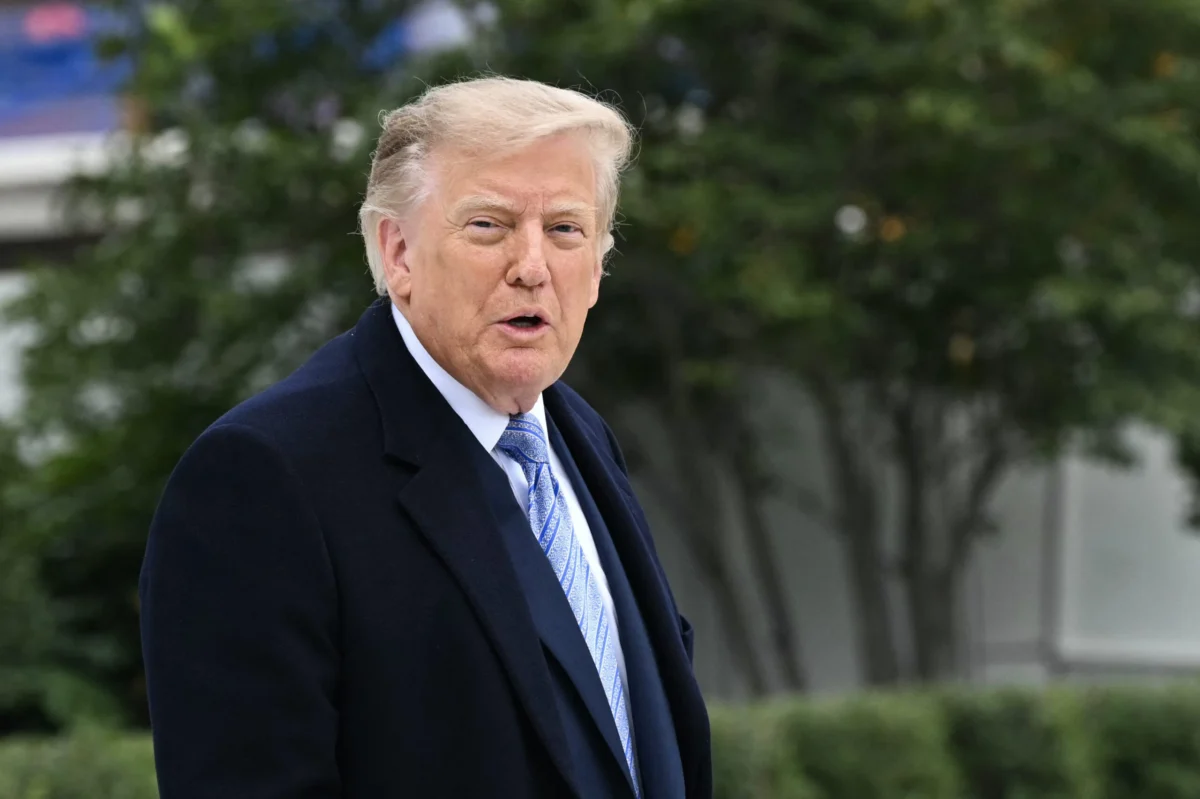
The conflict originated on Saturday, September 19, 2026, when President Donald Trump announced an immediate ban on the three media outlets. The President cited "cumulative stories" that he characterized as dishonest and detrimental to his administration as the primary justification for the move. The sudden revocation of "hard passes"—the credentials that allow journalists routine, unescorted access to the White House grounds—sent shockwaves through the Washington press corps.
By Monday, the affected organizations had filed a civil complaint in the U.S. District Court for the District of Columbia, arguing that the administration’s actions were a direct assault on the freedom of the press and violated the Fifth Amendment’s guarantee of due process. The lawsuit contended that the government had failed to provide any mechanism for the journalists to challenge the revocation of their credentials, thereby acting in an arbitrary and capricious manner.
On Tuesday, the Justice Department attempted to provide legal cover for the administration’s actions by sending letters to the news outlets, retroactively asserting that the ban was motivated by concerns over national security. However, this justification was met with skepticism by the judiciary. On Wednesday night, Judge Kelly, a 2017 appointee of the President, granted the plaintiffs’ request for a temporary restraining order, ruling that the outlets were likely to succeed on the merits of their due process claims.
The Legal Framework of Press Access
The legal precedent governing White House press access is largely rooted in the 1977 case Sherrill v. Knight. In that ruling, the U.S. Court of Appeals for the D.C. Circuit established that while the White House is not a public forum, the process of granting and revoking press credentials must adhere to fundamental standards of fairness. Specifically, the court held that journalists must be provided with advance notice of why their credentials are being targeted and a fair opportunity to respond to those allegations before a final decision is rendered.
Judge Kelly’s ruling leaned heavily on these established principles. He noted that the administration had provided no warning before the ban was implemented, nor had it offered the journalists a chance to contest the assertions made against them. In his written opinion, Kelly dismissed the administration’s sudden pivot to "national security" as an after-the-fact justification that lacked empirical evidence.
"Nothing in the record that predates this suit suggests that the revocation of Plaintiffs’ hard passes was motivated by national security concerns," Kelly observed. He further noted that the reports cited by the government as evidence of security risks dated back months or even years, undermining the argument that there was an urgent, ongoing threat requiring immediate exclusion of the journalists.
Reaction and Institutional Responses
The legal team representing the news organizations welcomed the judge’s intervention. Theodore Boutrous Jr., a lead attorney for the plaintiffs, hailed the decision as a victory for the rule of law. "This is a strong ruling vindicating freedom of the press, due process, and the rule of law," Boutrous stated. He expressed appreciation for the court’s "swift action" in preventing what the outlets described as an unconstitutional attempt to punish unfavorable reporting.
The White House, for its part, remained largely silent regarding the underlying legal arguments following the reinstatement of the passes. When pressed for comment on Thursday, the administration provided only a link to a court filing from the director of operations, which confirmed that the credentials had been restored. The filing served as a procedural acknowledgment of the court’s authority, though it did not offer a public apology or a withdrawal of the President’s initial rhetoric regarding the "dishonesty" of the outlets.
Analysis: Implications for Executive Power
The implications of this dispute extend beyond the specific press passes in question. Legal analysts suggest that the court’s decision reaffirms that even the highest office in the land is not exempt from the procedural requirements of the Fifth Amendment. By refusing to accept the administration’s national security justification without factual substantiation, the judiciary has signaled that it will serve as a check on executive overreach, particularly when that reach impacts the structural role of the press in a democracy.
However, the event also highlights a growing tension between the executive branch and the media. The administration’s initial assertion that reporting—even if deemed biased or inaccurate by the subject—constitutes a legitimate basis for restricting access is a departure from traditional norms. While the White House has wide latitude to manage the grounds of the executive mansion, the courts have consistently maintained that such power cannot be used as a tool for retaliation against journalists who report critically on the government.
The Path Forward: Preliminary Injunction
While the temporary restraining order provides immediate relief, the legal battle is far from over. Judge Kelly has ordered the plaintiffs to file a motion for a preliminary injunction by September 28, 2026. This motion will seek to extend the protections granted by the current order for the duration of the litigation.
The defendants have been instructed to respond to this filing by October 2. The court has indicated that it intends to rule on the motion expeditiously, suggesting that a hearing will be scheduled shortly thereafter. The resolution of the preliminary injunction will be a critical bellwether for the long-term status of the journalists’ access. If the injunction is granted, the administration will be barred from revoking the credentials until the case reaches a final judgment or a settlement is reached.
Data and Transparency Concerns
The speed with which the administration attempted to block access—and the subsequent scrambling to justify it—has raised questions about the internal decision-making processes within the West Wing. Media watchdogs point out that the lack of a formal, documented process for revoking press credentials creates a vulnerability for the administration in court.
Furthermore, the public nature of the disagreement has intensified the ongoing debate regarding the role of the White House press briefing room and the status of journalists who attend. Critics of the administration argue that the move was intended to exert a chilling effect on investigative journalism, while supporters of the President maintain that the administration has the right to set the terms of engagement for those who receive the privilege of access to the White House.
As the litigation proceeds, the case will likely serve as a foundational reference point for future disputes regarding media access. Whether the administration chooses to pursue an appeal of the final ruling, or whether it decides to implement a more transparent, formal procedure for credentialing, remains to be seen. For now, the journalists from MS NOW, CNN, and Politico have returned to the White House, and the court has ensured that their presence remains protected under the umbrella of due process.
The case is currently being closely monitored by civil liberties groups, press freedom organizations, and legal scholars, all of whom recognize that the outcome will have a lasting impact on how the federal government interacts with the press in the digital age. With the next major court deadline looming at the end of September, the nation awaits further clarification on the limits of executive power in managing the information flow from the center of American political life.