
Neon has officially released the primary United States trailer for the independent drama Clarissa, a contemporary cinematic adaptation of Virginia Woolf’s landmark 1925 modernist novel, Mrs Dalloway. Transposing the original narrative from post-First World War London to the vibrant, fast-paced metropolis of Lagos, Nigeria, the film offers a fresh cultural and geographical lens through to examine themes of memory, regret, and the passage of time. The film is directed by the acclaimed filmmaking duo Arie Esiri and Chuko Esiri, marking their highly anticipated sophomore feature following their breakthrough debut, This Is My Desire.
The official promotional release arrives on the heels of an impressive festival run, which has built substantial critical momentum for the project ahead of its domestic theatrical release. Clarissa is scheduled to debut in select United States theaters on December 11, 2026, courtesy of distributor Neon. With a stellar ensemble cast led by Academy Award nominee Sophie Okonedo and supported by prominent international talents, the film has emerged as one of the most intellectually ambitious indie features of the year.
Main Facts and Plot Overview
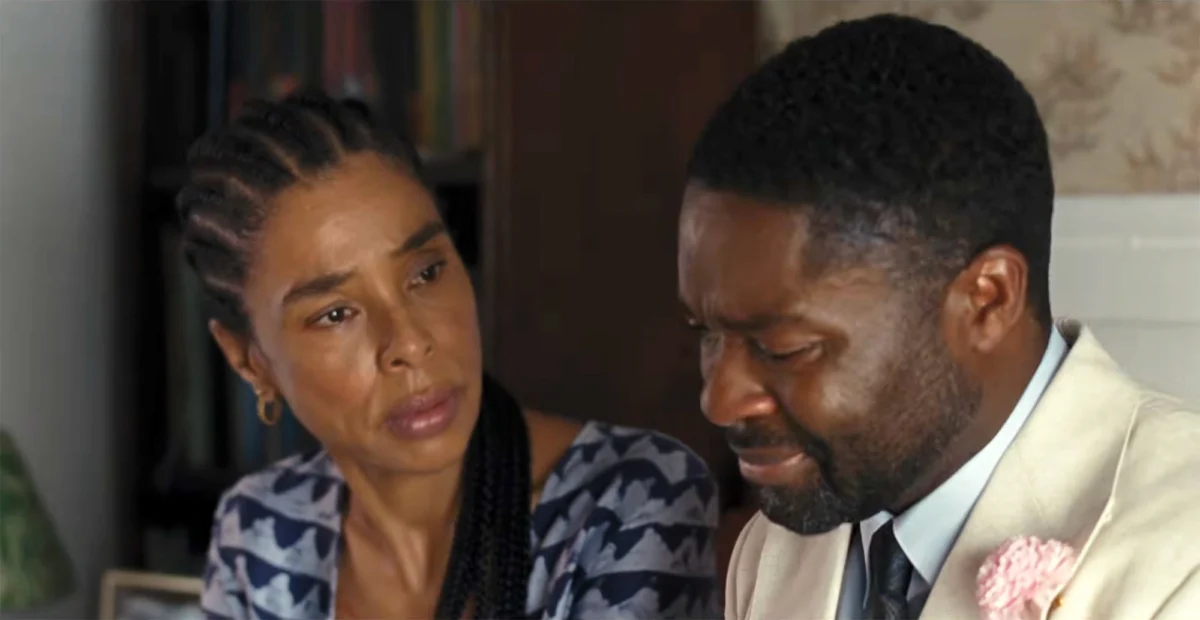
At its core, Clarissa follows the titular Lagos society wife, portrayed by Sophie Okonedo, as she navigates the intricate and often exhausting preparations for an evening gathering at her upscale home. As she moves through the city and oversees the domestic preparations, the protagonist is drawn into a deeply reflective state, looking back on her youth and the pivotal choices that ultimately defined her adult life.

The narrative pivots around a crucial crossroads from Clarissa’s past: the decision to marry a secure, highly respected societal figure rather than her former romantic partner, a passionate young poet. When her past unexpectedly collides with her present during the evening party, long-dormant relationships, suppressed desires, and lingering questions regarding lost aspirations resurface. Over the course of a single, transformative night and day, the characters engage in a bittersweet reckoning with the paths they chose not to take.
The film’s screenplay was penned by Chuko Esiri, who adapted Woolf’s stream-of-consciousness literary style into a character-driven cinematic narrative suited for contemporary West Africa. The production is a collaborative effort, produced by Arie Esiri, Chuko Esiri, Theresa Park, and Nicholas Weinstock.
Chronology of the Production and Festival Circuit
The journey of Clarissa from literary adaptation to international exhibition spans several months of high-profile global festivals, establishing its reputation as a critical darling before reaching commercial audiences.
The project first garnered international attention when it was selected to premiere at the prestigious 2026 Cannes Film Festival earlier this year. Debuting in one of the world’s most competitive cinematic showcases, the film drew praise for its delicate pacing, striking visual language, and the nuanced performances extracted from its ensemble cast.

Following its successful unveiling on the French Riviera, the production maintained its momentum across the global autumn film festival circuit. Clarissa was subsequently selected for screenings at both the Toronto International Film Festival (TIFF) and the Zurich Film Festival. These festival presentations allowed the film to secure critical validation across North American and European markets, building anticipation for its commercial distribution strategy.
The partnership with Neon—known for championing distinct, auteur-driven independent cinema—was solidified following the festival circuit run. Neon scheduled a targeted theatrical release for December 11, 2026, positioning the film strategically within the awards-season window while catering to arthouse and independent film audiences.
Supporting Data and Visual Craftsmanship
A defining element of Clarissa, heavily emphasized in early critical reviews and promotional materials, is its distinct visual aesthetic. The film was shot on 35mm film stock, a deliberate artistic choice that imparts a tactile, organic warmth to the modern Lagos setting.
Cinematographer Jonathan Bloom is credited with bringing Virginia Woolf’s internal literary landscape to life through physical framing and meticulous attention to detail. Critics from TIFF and other festival institutions have noted that Bloom’s cinematography utilizes natural lighting and deliberate compositions to create a sense of a suspended moment in time—reflecting the introspective psychological states of the characters.

The film’s production budget and specific box office projections remain privately held, as is standard for independent arthouse acquisitions handled by distributors like Neon. However, the film benefits significantly from the established industry standing of its principal cast members, who collectively command a robust international following across film, television, and theater.
The supporting and main cast features a formidable assembly of dramatic talent. Alongside Sophie Okonedo in the lead role, the ensemble includes India Amarteifio, David Oyelowo, Ayo Edebiri, Toheeb Jimoh, and Nikki Amuka-Bird. This cross-section of British, Nigerian, and American actors brings considerable global visibility to the project, bridging international audiences with the film’s specific West African setting.
Critical Reception and Official Responses
Critical commentary surrounding Clarissa has focused primarily on the Esiri brothers’ directorial vision and their ability to translate a quintessentially British modernist text into a contemporary Nigerian context without losing the psychological depth of the source material.
Programming notes from the Toronto International Film Festival highlighted the precise craftsmanship of the directors, describing the project as an immersive dive into introspection and existential crisis. Festival organizers praised the Esiri brothers for their focus on individual human destinies rather than broad collective narratives, noting that the resulting character portraits offer a unique and impressive artistic style.

Early trailers and promotional material released via YouTube have generated positive engagement online, with cinephiles noting the film’s tonal resemblance to classic psychological dramas combined with the vibrant, contemporary energy of Lagos. Reviewers have particularly praised the chemistry within the ensemble cast, singling out Okonedo’s ability to convey complex internal turmoil with minimal exposition.
Broader Impact and Cultural Implications
The release of Clarissa represents a notable milestone in the ongoing globalization and cross-cultural adaptation of classic European literature. By transplanting Mrs Dalloway from post-WWI London to modern Lagos, the Esiri brothers continue a cinematic tradition of localization that challenges rigid interpretations of canonical texts while demonstrating their universal thematic resonance.
Furthermore, the film contributes to the expanding global footprint of contemporary Nigerian cinema. While Nollywood has long dominated African commercial filmmaking in terms of volume and local audience engagement, projects like Clarissa—alongside the Esiri brothers’ previous feature, This Is My Desire—demonstrate a parallel movement toward transnational, festival-oriented arthouse production. These films utilize international co-financing models and classic literary foundations to bring specific West African landscapes and social structures to broader global audiences.
For distributor Neon, the acquisition and late-year release of Clarissa reinforce the company’s commitment to curating intellectually engaging, visually sophisticated independent cinema. As the film prepares for its December 11, 2026 theatrical rollout, industry analysts will be monitoring its commercial performance in select arthouse markets to gauge the appetite for literary adaptations that successfully merge classic European narratives with distinct non-Western perspectives.