

The Walt Disney Company has initiated another round of significant layoffs, marking the fourth such contraction this year as the entertainment conglomerate accelerates its aggressive push to streamline operations and enhance profitability. On Tuesday, hundreds of employees—primarily situated within the company’s technology and human resources divisions—were notified that their roles were being eliminated. This latest phase of workforce reduction underscores a broader, top-down mandate to optimize corporate efficiency, a process that has left staff across various departments in a state of sustained professional uncertainty for the better part of the calendar year.
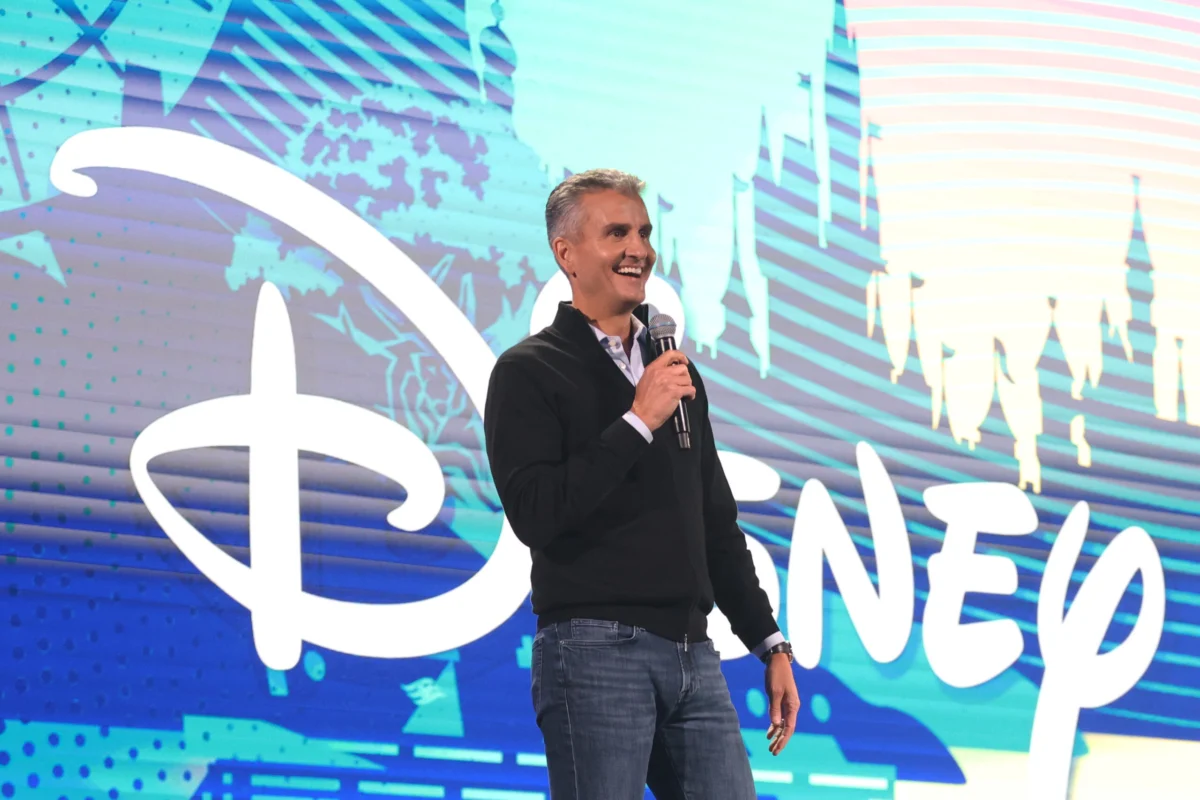
The move represents a continuation of the strategy spearheaded by senior leadership, including Disney Experiences Chairman Josh D’Amaro and Chief Financial Officer Hugh Johnston. By prioritizing a leaner organizational structure, the company aims to reallocate capital toward what it deems “strategic growth areas,” a pivot that has increasingly relied on the integration of emerging technologies, including artificial intelligence, to perform tasks previously handled by human capital.
A Chronology of Retrenchment
The reduction of the workforce at Disney has been a phased, systematic process rather than a singular event. Following a period of relative stability, the company began its current cycle of retrenchment in early 2024.
In April, just one month into his expanded operational mandate, Josh D’Amaro oversaw the elimination of approximately 1,000 positions. That initial wave of cuts was wide-reaching, impacting the company’s unified marketing organization, its sprawling television and film studios, the ESPN sports division, and the product and technology sectors. The intent behind this early move was to remove redundant layers of management and streamline the reporting structure within the company’s creative arms.
By July, the focus shifted toward corporate administrative functions and specific creative entities. Disney Entertainment Television and various film studios faced significant reductions. Notably, Pixar Animation Studios and National Geographic were hit particularly hard during this period, signaling that even the most prestigious creative brands within the Disney portfolio were not immune to the cost-cutting measures. This summer phase also extended to ESPN, where the layoffs moved beyond administrative staff to include high-profile on-air talent. Figures such as longtime SportsCenter anchor Karl Ravech and veteran analyst Ryan Clark saw their tenures—some spanning over a decade—come to an abrupt end, highlighting the depth of the restructuring.
The most recent round, occurring in mid-autumn, focuses heavily on the “back office” of the media giant. By targeting human resources and internal tech support, the company is signaling that its efficiency drive has moved past the creative side of the house and is now fundamentally altering the administrative infrastructure that supports the entire enterprise.
The Role of Technology and Automation
A critical, if often understated, component of Disney’s recent restructuring is the deliberate push toward the automation of corporate workflows. While the company has been careful to frame its decisions through the lens of “agility” and “productivity,” internal communications reveal a more profound transformation.
On September 18, Horacio Gutierrez, Disney’s chief legal and global affairs officer, sent a memo to staff that served as a harbinger for the current wave of layoffs. Gutierrez framed the company’s evolution as a “transformation process” that would necessitate “hard choices.” While the memo did not explicitly use the term “artificial intelligence” as the sole driver, it signaled a move toward a “corporate-wide workforce redesign” centered on the adoption of new technologies.
Industry analysts suggest that Disney is treating AI not merely as a supplementary tool, but as a structural replacement for traditional roles in legal, administrative, and technical departments. Gutierrez was explicit about the outcome of this redesign, noting that the legal and global affairs department would emerge as a “much smaller organization than it is today.” This admission serves as a microcosm for the broader company: the “re-design” implies that the company no longer views its previous staffing levels as necessary in an era of machine-assisted operations.
Strategic Rationale and Financial Context
The logic guiding these decisions was outlined in an August shareholder letter signed by D’Amaro and CFO Hugh Johnston. The executives described the company as being “mid-stream” in its efforts to reduce costs, suggesting that the current layoffs are not the conclusion of the process but merely a milestone.
“We’re highly focused on operating with speed and agility and improving productivity and efficiency across the company so we can invest in accelerating growth,” the letter stated. The document explicitly mentioned “meaningful reductions to cost, including labor,” confirming to investors that the workforce reductions are a primary mechanism for meeting financial targets.
For Disney, the urgency of these cuts is tied to the shifting landscape of the media industry. As traditional cable television revenue continues to decline and the competition for streaming subscribers intensifies, the company is under pressure to improve margins. By reducing the headcount, Disney is attempting to offset the capital-intensive nature of its streaming business—specifically Disney+ and Hulu—while simultaneously maintaining the high-budget production values that have historically defined its brand.
The Scale of the Workforce
To understand the scope of these layoffs, one must look at the sheer size of the company. As of the end of fiscal 2025, The Walt Disney Company reported a global workforce of approximately 231,000 employees. Of that total, 172,000 are based within the United States. While the “few hundred” employees laid off in this latest round represent a fraction of one percent of the total headcount, the cumulative effect of four rounds of layoffs in a single year represents a significant reduction in total human capital.
The diversity of the roles affected—ranging from high-profile television personalities and studio animators to corporate HR specialists and legal counsel—indicates that the company is taking a holistic approach to downsizing. No department appears to have “protected” status, and the criteria for elimination are increasingly based on whether a specific function can be performed more cheaply or efficiently by software or automated systems.
Implications and Future Outlook
The implications of these layoffs are twofold. First, for the employees remaining at Disney, the environment is one of heightened apprehension. When a company undergoes repeated rounds of cuts, the result is often a decline in morale, as staff operate under the assumption that their own roles could be next. This uncertainty can lead to a talent drain, as high-performing employees look for more stable opportunities elsewhere.
Second, for the industry at large, Disney’s actions serve as a bellwether. As one of the world’s largest and most influential media conglomerates, Disney’s move toward AI-driven restructuring is likely to be mirrored by its competitors. The shift away from human-heavy administrative and support structures toward tech-centric models is a trend that is rapidly gaining momentum across the Fortune 500.
The long-term success of this strategy, however, remains to be seen. While reducing the labor budget provides an immediate boost to the bottom line, it also carries the risk of institutional knowledge loss. When thousands of employees—many of whom have spent years navigating the complexities of Disney’s unique corporate culture—are removed, the company’s ability to execute complex projects may be compromised.
As the company enters the next fiscal year, investors will be looking for signs that these cost-cutting measures are translating into tangible growth. Disney has promised that the savings generated from these layoffs will be reinvested into “accelerating growth.” Whether this means higher-quality content, more robust streaming infrastructure, or aggressive expansion into new markets, the company is effectively betting its future on its ability to do more with less.
For now, the “hard choices” mentioned by leadership appear set to continue. With the company stating that it is still “mid-stream” in its cost-reduction efforts, the workforce should expect further updates as Disney continues its evolution into a leaner, more automated media enterprise. The balancing act between preserving the company’s storied creative legacy and meeting the cold, analytical demands of modern financial markets will remain the central challenge for the executive team in the months to come.