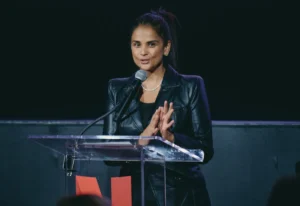


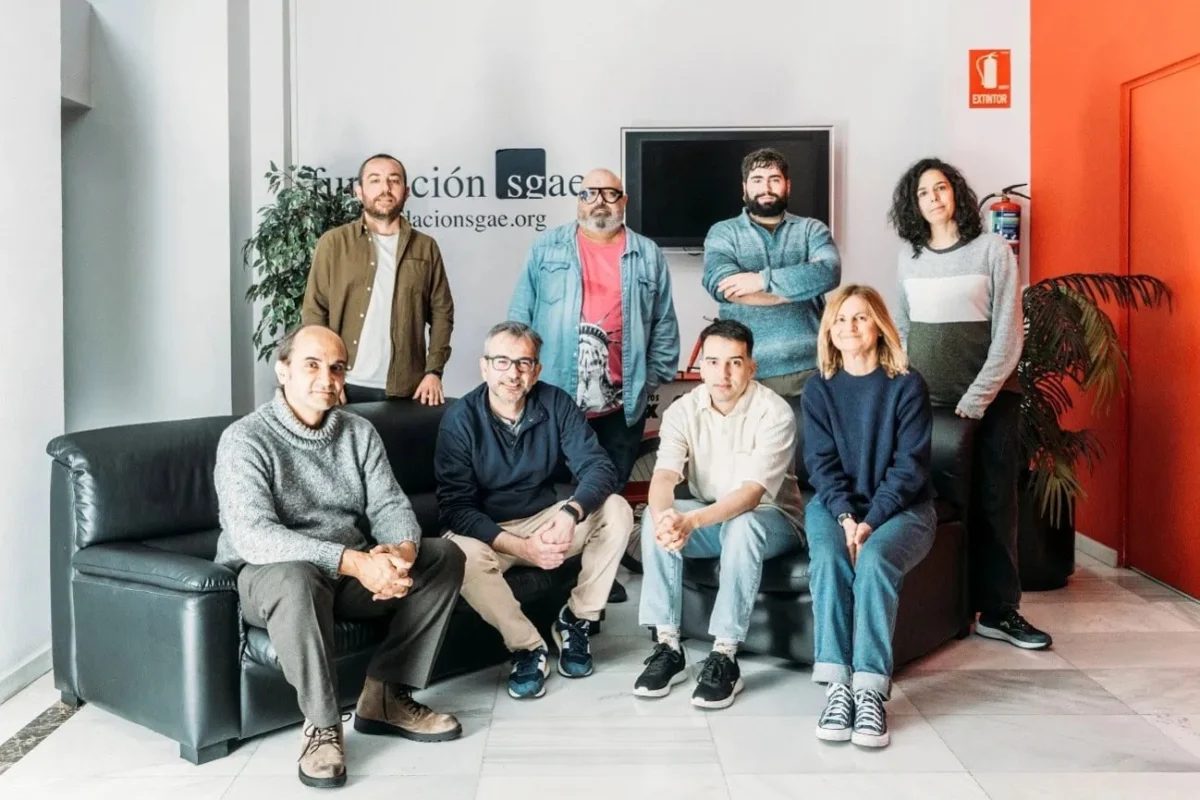
The sixth edition of Iberseries & Platino Industria has transformed Madrid into the epicenter of the Ibero-American audiovisual sector this week, reinforcing its position as the premier international market for Spanish and Portuguese-language content. Amidst a robust schedule of conferences, networking forums, and deal-making sessions, a central highlight is the presentation of six original series projects on Thursday, October 1. These projects are the result of a rigorous development program curated in partnership with Fundacion SGAE, Spain’s preeminent collective management organization for intellectual property rights. This collaboration serves to bridge the gap between burgeoning creative talent and the global financing entities necessary to bring high-quality television fiction to international screens.
The Strategic Role of Iberseries & Platino Industria
Since its inception, Iberseries & Platino Industria has sought to professionalize and internationalize the Ibero-American production landscape. By creating a platform where creators, screenwriters, and producers converge with streaming platforms, cable networks, and private equity investors, the event addresses one of the industry’s most persistent challenges: the successful transition from a written script to a greenlit production.
The event organizers have emphasized that this year’s pitching sessions are designed to do more than simply showcase ideas. They aim to foster a sustainable ecosystem for audiovisual development. By partnering with Fundacion SGAE—an organization that manages the royalties and rights for thousands of creators—the festival ensures that the projects presented are grounded in professional development support, providing screenwriters with the industry mentorship required to navigate the complexities of global distribution.
A New Wave of Ibero-American Storytelling
The six projects selected for the showcase represent a diverse array of genres, ranging from historical satire and speculative science fiction to gritty social realism. Each project reflects a different facet of the contemporary Spanish-speaking experience, providing a roadmap for how local stories can achieve universal appeal.
La librera: A Portrait of Activism and Transition
Written by Virginia Burgos and Juan Sánchez, La librera explores the intersection of political history and personal identity. Set against the backdrop of the early 1990s in Spain, the series chronicles the founding of the country’s first LGBT bookstore. The narrative trajectory spans several decades, documenting the transition of this space from a radical political backroom into a community refuge. The central conflict arises as the neighborhood evolves, forcing the protagonist to grapple with obsolescence and the shifting nature of her own activism. This project taps into a growing market demand for character-driven dramas that examine the legacy of the late 20th-century social rights movements.
Aviación: The Galician-Mexican Paradox
Miguel Cavadas’ Aviación offers a sociological examination of migration and economic disparity. The series focuses on the village of Aviación, a microcosm of the "Galician Dream"—the phenomenon of villagers emigrating to Mexico, accumulating wealth, and returning to their rural homes to flaunt their success. The series juxtaposes the precarity of rural Galician winter life against the flamboyant, summer-time influx of Mexican capital and culture. By highlighting the friction between traditional community values and the individualistic pursuit of wealth, Aviación promises a complex look at the economic forces that define contemporary rural life.
El capricho: Satire at the Spanish Court
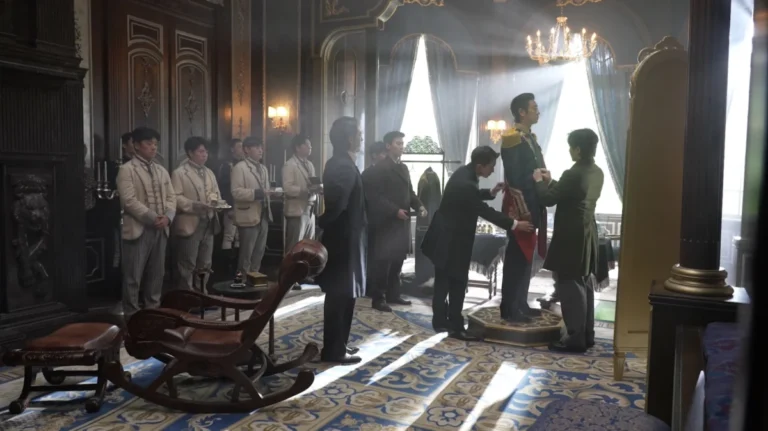
In El capricho, Alberto Grondona presents a sharp-edged historical comedy set in the 18th-century Spanish court. The series centers on the power struggle between Queen María Luisa of Parma, the Duchess of Alba, and the Duchess of Osuna. By positioning Francisco de Goya as an uneasy narrator and witness to their political machinations, the series gains a unique aesthetic and narrative perspective. The project aligns with current industry trends favoring "revisionist history," where the traditional power structures of the past are dismantled through a lens of contemporary social dynamics and gender politics.
Teléfonos fijos: The Technological Uncanny
Ángel Mirou’s Teléfonos fijos delves into the realm of supernatural mystery, set in the Recalde neighborhood of Bilbao. The premise—residents receiving calls from deceased loved ones on their landline phones—serves as a catalyst for a broader exploration of grief, technology, and faith. Whether the phenomenon is a technological breakthrough or a complex fraud, the series uses the mystery to peel back the layers of its characters’ lives, reflecting the modern anxiety surrounding the veracity of information in an era of deepfakes and advanced AI.
La edad menor: Dystopian Social Commentary
Roberto Osa’s La edad menor moves into the realm of speculative fiction. In a dystopian version of Madrid, the legal system mandates that children become the guardians of their aging parents, subjecting the latter to a process of state-mandated "infantilization." The story follows María, a woman fighting to protect her mother from this irreversible fate. The project serves as an allegory for current debates regarding aging populations, the role of the state in family life, and the ethics of care, positioning itself as a high-concept drama with significant international potential.
Trueque: Domestic Farce
Rounding out the selection is Pedro Pablo Picazo’s Trueque, a comedy that examines the volatile nature of parenting and family dynamics. When three sets of close friends find themselves overwhelmed by their respective teenagers, they decide to engage in an informal "swap" of their children. The premise allows for a satirical take on the modern family unit, highlighting the grass-is-greener mentality and the universal challenges of raising adolescents in the digital age.
Industry Implications and Future Outlook
The inclusion of these six projects in the Iberseries & Platino Industria pitching sessions underscores a broader trend: the move toward highly localized, authentic narratives that can be adapted for a global audience. According to data provided by industry analysts, the demand for Spanish-language content has grown exponentially over the last five years, driven largely by the global reach of major streaming platforms.
The involvement of Fundacion SGAE provides a vital layer of legitimacy for these projects. By institutionalizing the development phase, the organization reduces the risk for potential producers. For investors and buyers present in Madrid this week, these six series represent a de-risked portfolio of creative intellectual property. The "pitching" format is critical in this regard; it allows creators to present their vision directly to executives from platforms such as Netflix, Movistar+, and Amazon Prime, who are increasingly looking to diversify their catalogs with regional stories that offer a unique cultural "flavor" while maintaining high production values.
Furthermore, the timing of these presentations is significant. As the European audiovisual market continues to recover from the disruptions of the early 2020s, the focus has shifted toward efficiency and the strengthening of co-production agreements. The collaborative effort between the festival and SGAE acts as a catalyst for these agreements, providing a blueprint for how national intellectual property organizations can facilitate the export of cultural assets.
Chronology of Development
The development of these projects follows a trajectory that has become standard for successful industry showcases. Initial script development, often supported by grants or labs provided by entities like SGAE, is followed by a "selection process" where projects are vetted for market viability. The final step, currently occurring in Madrid, is the "market exposure phase," where these projects move from the private desk of the writer to the public forum of the international industry.
For the participants, the stakes are high. A successful pitch can lead to development deals, pilot orders, or co-production agreements that could secure the financing for their series for the next two to three years. The industry observers in attendance will be watching closely to see which of these six projects gains the most traction among the assembled buyers.
As Iberseries & Platino Industria concludes its sixth edition, the discourse in Madrid remains focused on the future of the industry. These six series—La librera, Aviación, El capricho, Teléfonos fijos, La edad menor, and Trueque—serve as a snapshot of a creative sector that is increasingly confident in its ability to tell complex, provocative, and highly watchable stories. Whether through the lens of historical satire or dystopian drama, the focus remains on the fundamental goal of the festival: connecting the power of Ibero-American imagination with the infrastructure of the global entertainment economy.