
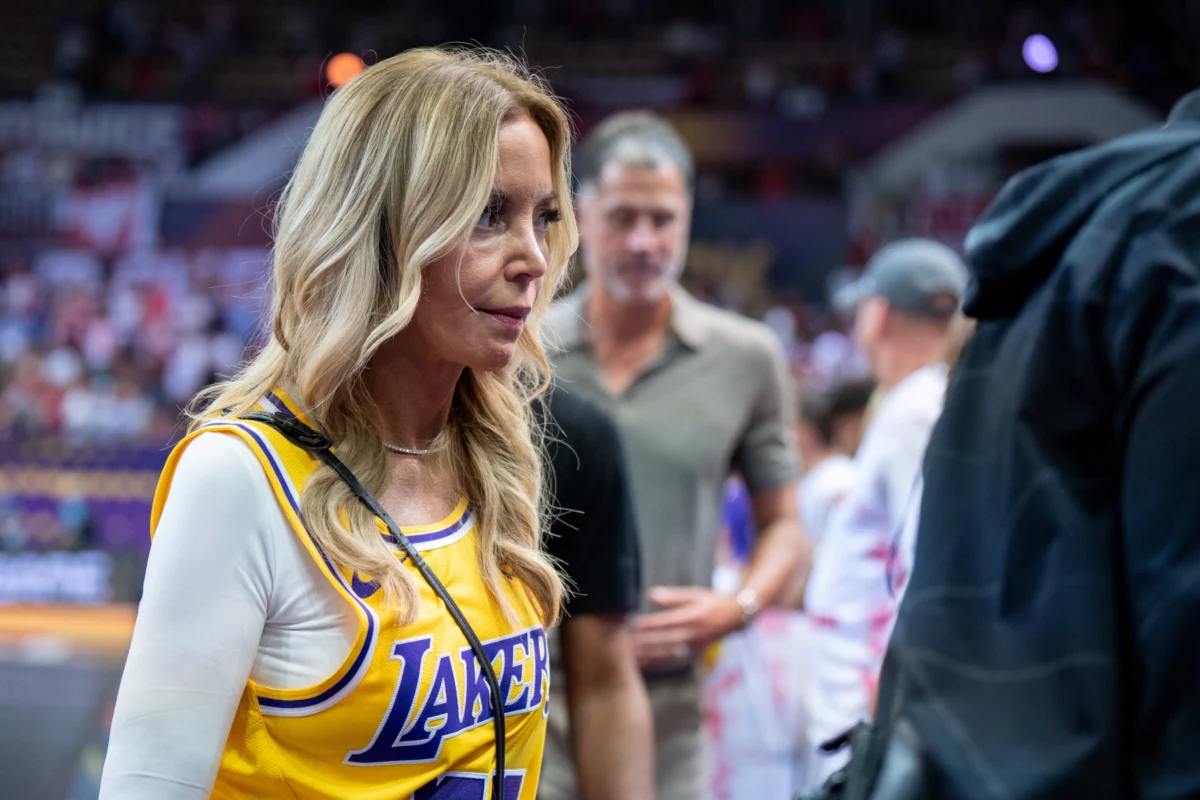
The escalating dispute over the future of the Los Angeles Lakers has reached a critical impasse, as Jeanie Buss, the franchise’s controlling owner and governor, has taken definitive legal action to block a proposed sale of the family’s 17.8% ownership interest. The conflict pits the current face of the organization against her five siblings—Jim, Johnny, Janie, Joey, and Jesse Buss—who collectively signaled their intent to divest their remaining holdings in the storied NBA franchise. The situation threatens to upend a significant ownership transition involving high-profile investors Bob Iger and Joshua Kushner, who had already reached an agreement to acquire a majority stake from Mark Walter.
Legal Foundation of the Dispute
The core of the legal contention lies in the structure of the JAB Trust, the entity through which the Buss family holds its stake in Los Angeles Lakers, Inc. In a formal letter obtained by CNBC, attorney Adam Streisand, representing Jeanie Buss, underscored that any movement to liquidate the family’s shares without her explicit consent is a violation of both internal trust agreements and existing judicial mandates.
According to Streisand, the 2017 court order that solidified Jeanie Buss’s position as the Lakers’ controlling owner dictates the governance of the JAB Trust. Under these provisions, the co-trustees—Jeanie, Janie, and Joey Buss—are legally bound to vote the shares in a manner that preserves a minimum 15% ownership stake. This threshold is not merely a financial figure; it is the structural anchor that maintains Jeanie Buss’s authority as the team’s governor. Consequently, Streisand argues that any unilateral effort by her siblings to sell these shares would constitute a breach of fiduciary duty and, more severely, a direct contempt of court.
The Chronology of an Ownership Shake-up
The tension emerged publicly following reports that Bob Iger, the former CEO of Disney, and Joshua Kushner, the founder of Thrive Capital, had moved to consolidate control over the Lakers. The timeline of this corporate maneuvering is as follows:
- August 12, 2026: News broke that Mark Walter, who held a significant majority stake in the franchise, reached an agreement to sell his interest to Iger and Kushner. The deal valued the Los Angeles Lakers at a staggering $12.5 billion, reflecting the skyrocketing valuation of premium sports franchises in the current media and entertainment landscape.
- Mid-August 2026: Reports surfaced suggesting the remaining Buss family members were poised to join the transaction, effectively selling their 17.8% stake to the Iger-Kushner group. This would have granted the buyers an aggregate ownership of approximately 83% of the team.
- August 17, 2026: Jeanie Buss issued a formal letter to the legal counsel representing her siblings, effectively declaring the proposed sale "void" and asserting that no such transaction could proceed without her approval as co-trustee and controlling owner.
- August 18, 2026: The five Buss siblings issued a public statement maintaining their position that they had reached a unanimous decision to sell their interest, framing the move as a thoughtful and respectful decision for the future of the franchise.
The Economic Context of the $12.5 Billion Valuation
The $12.5 billion valuation of the Lakers represents a milestone in professional sports finance. Since Dr. Jerry Buss purchased the team in 1979 for approximately $16 million (alongside the Forum and the LA Kings), the franchise has evolved into one of the most profitable and culturally significant entities in sports. The current valuation underscores the scarcity value of "blue-chip" NBA teams, which benefit from massive national and international media rights deals, luxury suite revenue, and the global brand reach of the Lakers organization.
For Jeanie Buss, the reluctance to sell is rooted in both legacy and strategy. Sources familiar with her position indicate that she views the team not just as an asset to be liquidated for capital, but as a multi-generational legacy. Beyond the emotional component, there is a clear strategic imperative: by maintaining the family’s 17.8% stake, she ensures the continuity of her governorship, a role that gives her operational control over the team’s basketball and business decisions.

Official Responses and Internal Divides
The public discourse between the siblings highlights a fundamental disagreement regarding the future of the franchise. In their statement, the five siblings emphasized their long-term commitment to the organization, noting that the Lakers have been "one of the greatest privileges of our lives." They asserted their focus remains on what is best for the fans and the community, suggesting that they view the sale as a professional transition rather than an abandonment of the team’s ethos.
Conversely, Jeanie Buss’s camp has framed the issue strictly through the lens of legal compliance and fiduciary responsibility. By labeling the siblings’ actions as a "breach of trust," Streisand has signaled that Jeanie Buss is prepared to litigate if necessary to prevent the dilution of her control. This legal posture suggests that the dispute is unlikely to be settled through informal negotiation and may require further intervention from the courts to determine whether the co-trustees possess the independent authority to override the controlling owner’s veto.
Implications for the NBA and Franchise Governance
The outcome of this standoff will have profound implications for NBA governance. The league generally prefers stable, singular points of control to ensure long-term strategic alignment. A fractured ownership group, particularly one embroiled in litigation, can complicate the league’s relationship with its teams and potentially trigger scrutiny from the NBA Commissioner’s office.
Should the sale to Iger and Kushner be blocked, it would leave the incoming investors in a precarious position. They would hold the majority stake previously owned by Mark Walter but would be forced to operate alongside a minority partner (the Buss family trust) that is currently mired in internal conflict. Furthermore, the precedent set by this case regarding the enforceability of trust agreements and court-ordered control structures could influence future estate planning for other major sports franchises.
Strategic Analysis: The Future of the Lakers
The conflict highlights the inherent challenges of "dynastic" sports ownership. As generations pass and the number of stakeholders increases, the probability of internal friction grows. Dr. Jerry Buss’s vision was to keep the team within the family, but the sheer scale of modern NBA valuations—where a minority stake is worth billions—creates a powerful incentive for siblings to cash out, even when the controlling owner prefers to maintain the status quo.
For now, the Los Angeles Lakers remain under the governance of Jeanie Buss. However, the path forward remains clouded by legal uncertainty. The potential buyers, Iger and Kushner, now face the reality that their deal for the majority stake may be significantly complicated by the internal dynamics of the Buss family. As the parties involved prepare for potential litigation, the focus will shift to whether the siblings can find a way to satisfy their financial objectives without violating the court-mandated controls that keep Jeanie Buss at the helm.
Whether this conflict leads to a compromise—perhaps through a restructuring of the JAB Trust or a buyout of the siblings’ shares by another entity—remains to be seen. What is clear is that the Los Angeles Lakers, a team accustomed to high-stakes drama on the court, are now the stage for one of the most significant ownership battles in the history of professional sports. The resolution of this dispute will not only define the future of the Lakers organization but will also serve as a case study for the complexities of managing family-owned assets in an era of unprecedented sports valuations.