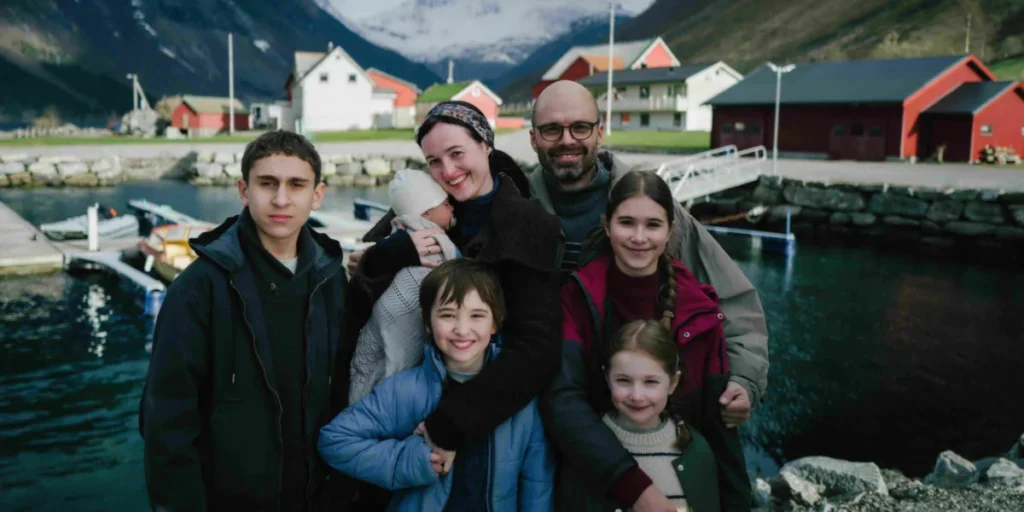



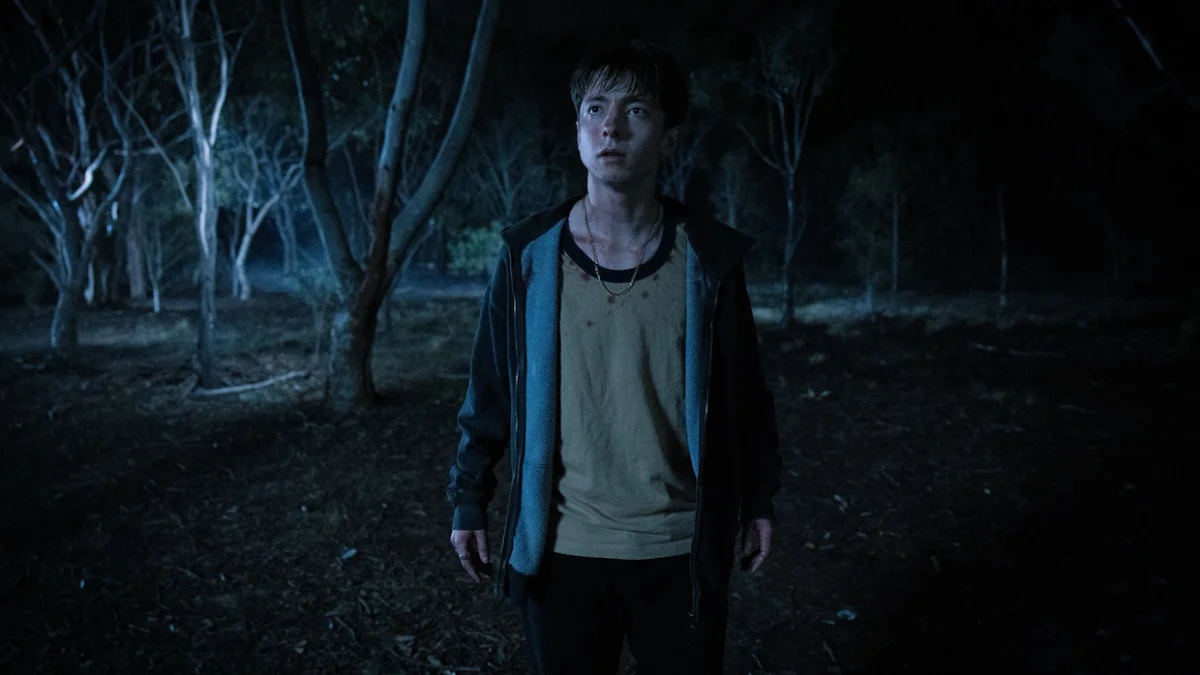
The intersection of queer identity and the horror genre has long provided a fertile breeding ground for metaphor, subversion, and visceral storytelling. With the release of his debut feature film, Leviticus (2026), writer-director Adrian Chiarella steps firmly into this tradition, weaponizing genre tropes to examine the chilling resurgence of institutional bigotry and conversion therapy rhetoric in the modern era. Set against the desolate backdrop of an industrial Australian outback town, the film employs a supernatural entity born from religious condemnation to explore the psychological toll of homophobia, internalised shame, and the desperate necessity of queer solidarity.
Main Facts and Narrative Premise
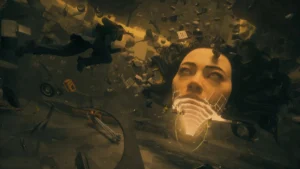
Leviticus opens with a striking, archetypal horror sequence: a lesbian lifeguard is lured into a poolside shower by an invisible entity that assumes the form of her most deeply desired partner. The encounter ends in a brutal murder, establishing the rules of a malevolent force that preys upon isolation and illicit desire. This supernatural predator is revealed to be the physical manifestation of a curse cast by a local church practicing conversion therapy. The premise literalises a familiar, insidious pious dictum often weaponised against queer youth: that their natural desires are inherently fatal.
The narrative shifts its primary focus to Naim, played by Joe Bird, a shy newcomer navigating the suffocating social ecosystem of a religiously conservative industrial town. Naim finds himself drawn to Ryan, portrayed by Stacey Clausen, a charismatic and unapologetic classmate. Their burgeoning romance is complicated further by the introduction of Hunter, played by Jeremy Blewitt, the deeply closeted son of the local preacher. Driven by jealousy and a misguided belief that confession might yield a milder punishment than exposure, Naim reports the illicit tryst between Ryan and Hunter, setting off a chain of supernatural and psychological devastation that forms the core of the film’s narrative arc.
Background Context and Cinematic Lineage
Adrian Chiarella has openly acknowledged the profound influence of classic horror cinema on his creative development, citing films like Wes Craven’s A Nightmare on Elm Street Part 2: Freddy’s Revenge (1985) and John Carpenter’s The Thing (1982). While Freddy’s Revenge has been widely re-evaluated by film scholars as an accidental masterpiece of closeted queer allegory, Carpenter’s The Thing pioneered the exploration of paranoia and the terrifying inability to trust one’s immediate peers.
Chiarella’s upbringing in an environment where these films were forbidden only heightened their allure, cementing horror as an essential touchstone for young queer individuals navigating societal alienation. However, unlike earlier cinematic attempts that relegated queer coded characters to subtext or cautionary tropes, Leviticus drags these themes directly into the foreground. The film arrives at a critical cultural juncture. Despite decades of hard-fought progress toward legal recognition and social inclusion for LGBTQ+ communities, recent years have witnessed a global resurgence in anti-queer rhetoric, legislative rollbacks, and the mainstream normalisation of conversion therapy practices under the guise of religious freedom. Chiarella designed Leviticus as a blunt-force response to this socio-political regression, using genre filmmaking to demand empathy in an increasingly callous cultural climate.
Chronology and Narrative Progression
The progression of Leviticus mirrors the inescapable closing walls of paranoia. Following Naim’s betrayal of Ryan and Hunter, the narrative tracks the psychological unravelling of the central characters. The supernatural entity hunting them operates under a specific, cruel logic: it attacks only when its victims are isolated, yet it possesses the ability to shapeshift, mirroring the appearance of trusted lovers when backs are turned.
Recognizing the mortal peril of their solitude, Naim and Ryan attempt to seek outside counsel, tracking down the surviving partner of the lifeguard killed in the film’s opening sequence. Now haunting a local hospital, this character serves as a tragic inversion of the cinematic recluse trope, forced to surround herself with humanity to survive while remaining profoundly alone. This theme of false allyship and conditional safety permeates the subsequent chronology of the film. When Hunter’s sister offers an apparent olive branch, it quickly manifests as a predatory trap. Even a fleeting moment of maternal tenderness extended to Naim by his mother, portrayed by Mia Wasikowska, is instantly undermined by betrayal, culminating in a chilling rationalisation: "We need fear." This deliberate blurring of the lines between familial protection and systemic oppression leaves the protagonists with nowhere safe to turn.
Visual Design and Formal Execution
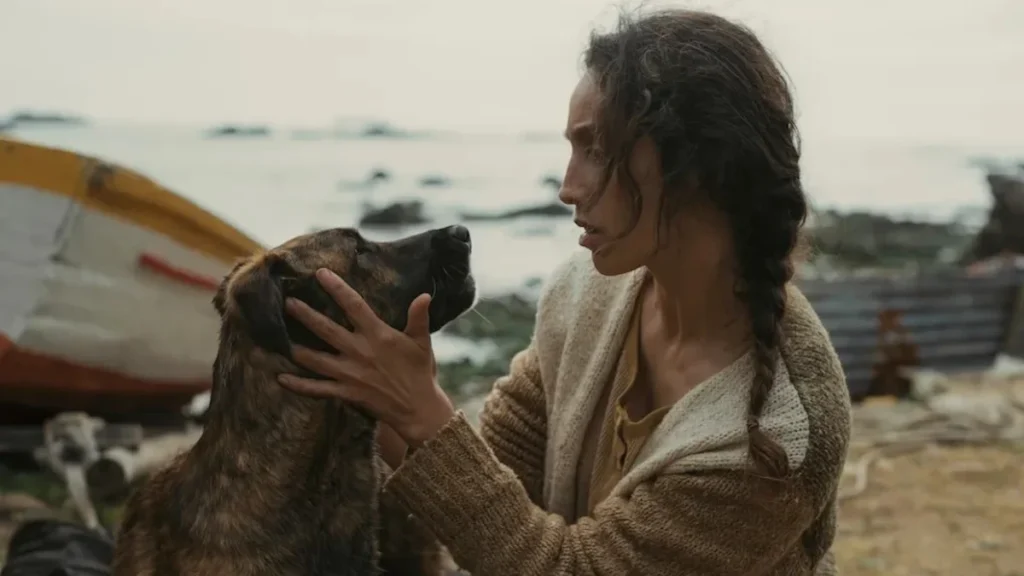
Visually, Leviticus utilises its stark geographical setting to reinforce its thematic underpinnings. The production design deliberately contrasts cold industrial infrastructure with vast, unforgiving pastoral landscapes, creating an atmosphere of vacant, drearily maintained hostility. According to Chiarella, this aesthetic choice was intentional, serving to frame the film as a modern biblical parable that questions the boundary between human nature and the rigid, immutable edicts imposed by society.
Cinematically, the film places immense narrative weight on the mechanics of perception. The cinematography frequently frames action through restrictive boundaries—windows, mirrors, and security cameras—or captures events from the impassive perspective of indifferent bystanders. Crucially, the supernatural curse is imperceptible to those unburdened by or complicit in the community’s prejudice, mirroring the willful ignorance often displayed by communities that dismiss queer identity as a fleeting phase or outside influence. Naim’s own vision is repeatedly compromised, forcing him to confront a world where reality and demonic imitation are indistinguishable, reinforcing the maxim that within the confines of the narrative, seeing is believing.
Broader Impact, Industry Implications, and Analysis
As contemporary queer cinema has increasingly shifted its focus away from narratives dominated exclusively by crisis, trauma, and prejudice—opting instead for stories celebrating romance, self-actualisation, and community—Leviticus represents a calculated pivot back to genre confrontation. By utilising the visceral, high-stakes mechanics of horror, the film addresses disquietude and systemic adversity that many contemporary viewers might mistakenly believe belong exclusively to past decades.
Industry analysts note that horror remains one of the most effective vehicles for socio-political commentary precisely because it externalises abstract societal fears into tangible, cinematic adversaries. By personifying homophobia as a shapeshifting, parasitic entity born of institutionalized religion, Leviticus achieves a rare synthesis of high-concept genre thrills and intimate, emotional resonance.
The film’s resolution rejects the traditional, fatalistic doom characteristic of older queer horror cinema, opting instead for a complex, ambiguously hopeful conclusion. Rather than vanquishing the monster permanently, the narrative embraces the horror convention of the final-frame resurgence. In doing so, Chiarella delivers a poignant final thesis: the profound trauma inflicted by institutional bigotry and conversion ideology does not dissipate easily; for many survivors, it lingers indefinitely. Through this uncompromising framework, Leviticus solidifies its place not only as a standout entry in modern horror cinema, but as a vital cultural artifact of its time.