


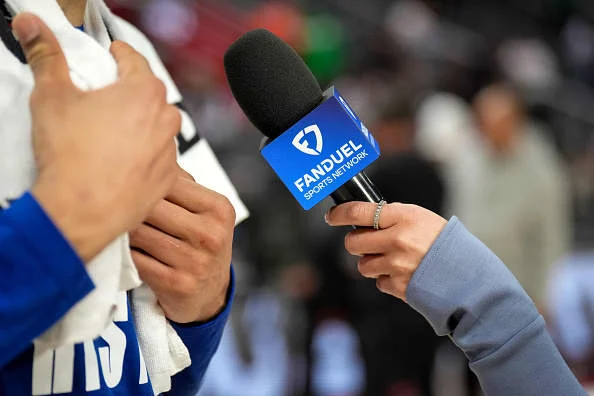
Main Street Sports, the operator formerly known as Diamond Sports Group and the parent company behind the FanDuel Sports Network, has initiated high-stakes litigation against industry giants Comcast and Charter Communications. The lawsuits, filed in Delaware Superior Court on Monday, center on allegations that the two largest pay-TV providers in the United States systematically underpaid licensing fees during the early months of 2026. This legal confrontation serves as a final, combative chapter for a company currently in the process of winding down its operations, marking a significant inflection point in the rapidly deteriorating relationship between regional sports networks (RSNs) and cable distributors.
The core of the dispute involves the financial obligations tethered to the carriage agreements that facilitated the broadcast of NBA and NHL games. According to court filings reviewed by CNBC, Main Street Sports contends that Comcast and Charter failed to meet the contractually mandated fee structures at a time when the network was still delivering high-value local sports content to millions of subscribers. The outcome of these proceedings could set a precedent for how remaining RSNs negotiate or litigate their exit strategies as the traditional cable bundle continues to face unprecedented attrition.
A Chronology of Instability
To understand the weight of these lawsuits, one must examine the turbulent history of the entity now known as Main Street Sports. The organization has been a primary focal point of the "cord-cutting" crisis that has dismantled the regional sports broadcasting landscape.
- 2019-2022: The network, then operating under the ownership of Sinclair Broadcast Group, faced mounting pressure as the regional sports model—built on the assumption of a perpetually growing cable subscriber base—began to falter.
- March 2023: After years of financial strain exacerbated by a massive debt load, the company (then operating as Diamond Sports Group) filed for Chapter 11 bankruptcy protection.
- Early 2025: The company emerged from bankruptcy with a rebranded identity: FanDuel Sports Network. This pivot was intended to integrate sports betting branding with traditional broadcasting, but the underlying financial model remained fragile.
- 2025-2026: Despite maintaining rights to approximately 30 teams across MLB, the NBA, and the NHL, the company struggled to reconcile its high rights fees with declining carriage revenue.
- Early 2026: The decision to initiate a formal winddown process was announced, signaling the end of the RSN’s current iteration.
- Monday, April 2026: Main Street Sports filed its breach-of-contract lawsuits against Comcast and Charter, alleging that revenue shortfalls were artificially induced by the distributors’ payment practices.
The Mechanics of the Dispute
At the heart of the legal argument is the "carriage fee," the per-subscriber monthly fee that cable companies pay to RSNs to carry their channels. Historically, these fees provided the bulk of revenue for professional sports teams, often accounting for a significant portion of player payrolls. As cable penetration rates dropped—with industry estimates suggesting a decline of nearly 5% to 7% annually—distributors like Comcast and Charter have sought to move RSNs to higher-tier packages or negotiate lower fees to keep their own costs manageable.
Main Street Sports asserts that during the final months of their operational life, the contractual obligations were ignored, leading to a liquidity crisis that forced the company’s hand in the winddown process. Legal analysts observing the case note that the burden of proof will rest on Main Street to demonstrate that the cable companies’ calculations were not merely a reflection of a declining subscriber base, but a direct violation of specific payment tiers codified in their distribution contracts.
Industry Context and the Economic Fallout
The financial collapse of the RSN model is not an isolated event but rather a symptom of a broader structural shift in media consumption. For decades, the "bundle"—the practice of grouping high-demand channels like ESPN or local sports networks with lower-rated networks—subsidized the sports industry. However, the rise of direct-to-consumer (DTC) streaming has eroded the utility of this bundle for the average consumer.
Data from industry research firms indicates that the number of U.S. pay-TV households has fallen from a peak of over 100 million in 2014 to fewer than 60 million today. As the subscriber base shrinks, the "cost per subscriber" for regional sports networks has skyrocketed, leading to a vicious cycle: distributors raise prices to maintain margins, subscribers drop the service, and the RSNs lose the scale required to remain profitable.
The failure of the Main Street Sports model highlights the inadequacy of traditional licensing agreements in a digital-first world. While the network attempted to bridge the gap with its FanDuel partnership and integrated streaming, the liquidity issues—specifically regarding MLB rights fees—became insurmountable. The company’s inability to maintain a consistent payment schedule to leagues like Major League Baseball ultimately forced the leagues to reclaim local broadcasting rights, often resulting in lower-revenue temporary solutions for the teams involved.
Official Responses and Legal Strategy
As of press time, representatives for both Comcast and Charter Communications have declined to provide specific commentary on the pending litigation. Historically, these distributors have maintained that their carriage agreements are subject to rigorous audits and that payments are consistently calculated based on verified subscriber data provided by third-party auditing firms.
Legal experts suggest that Comcast and Charter are likely to mount a defense based on the "force majeure" or "change in circumstances" clauses often found in distribution contracts. If they can argue that the value of the network diminished through no fault of their own—citing the loss of team rights or the diminished reach of the channel—they may be able to justify the fee adjustments that Main Street Sports is now characterizing as a breach of contract.
Broader Implications for Professional Sports
The litigation serves as a bellwether for the professional sports industry. Leagues, including the NBA, NHL, and MLB, are closely monitoring the Delaware court proceedings. If Main Street Sports secures a favorable judgment, it could provide a template for other struggling media entities to challenge distributors in court. Conversely, a loss for the plaintiff would likely embolden cable companies to continue their aggressive renegotiations, effectively forcing sports leagues to accept lower broadcasting revenues moving forward.
Furthermore, the recent shift of New York-based regional sports networks to the DAZN streaming platform suggests that the industry is abandoning the RSN model in favor of a hybrid approach. By bypassing traditional cable altogether, these networks hope to capture a more direct relationship with the viewer. However, this transition is fraught with risk, as the reach of a streaming platform is often narrower than that of a traditional cable channel, which benefits from being included in the basic cable tier.
Looking Toward the Future
The collapse of the Main Street Sports network signifies the end of a specific era in American sports broadcasting—one where local teams were guaranteed high revenue through the exclusivity and reach of cable television. The litigation against Comcast and Charter is more than just a financial dispute; it is a legal reflection of a dying business model fighting for its remaining assets.
Whether these lawsuits result in a settlement or a protracted legal battle, the outcome will influence how future regional sports deals are structured. As the sports landscape pivots toward fragmented, digital-first distribution, the legal battles of today provide a harsh look at the friction inherent in moving away from a multi-billion dollar legacy industry. For now, the parties remain at an impasse, with the court set to decide whether the contractual obligations of the past can hold weight in the reality of an increasingly digital and cord-cut future.