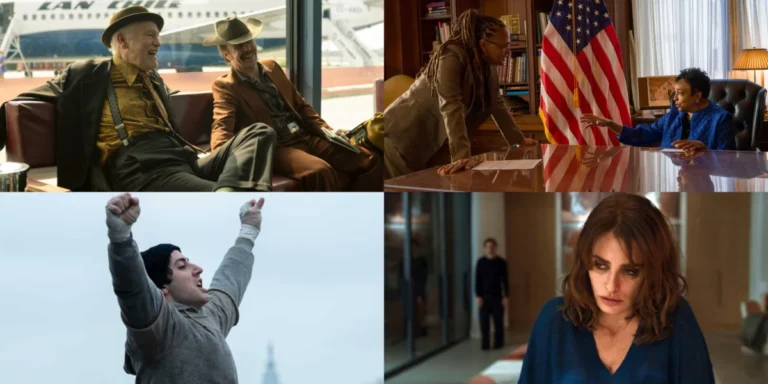


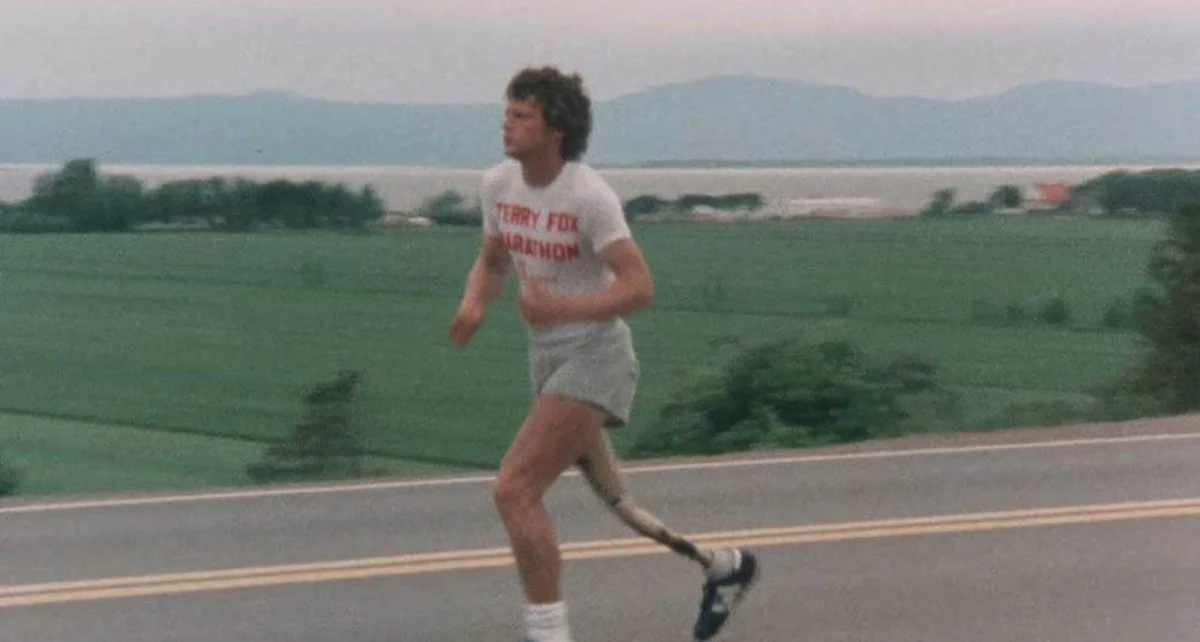
The Canadian film landscape has undergone a profound shift in 2025, marked by a wave of independent features that challenge traditional definitions of national identity. Following the critical success of works like Sophy Romvari’s Blue Heron and Chandler Levack’s Mile End Kicks, the documentary sector has seen a surge in interest regarding the figures who shaped the country’s collective memory. Among the most anticipated contributions is Sean Menard’s feature-length documentary, Run Terry Run, a 108-minute examination of the 143-day Marathon of Hope. By blending restored archival footage with personal testimonials from the inner circle—including Darrell Fox, Doug Alward, Leslie Scrivener, Darryl Sittler, and Bill Vigars—Menard provides a grounded, non-mythologized account of one of Canada’s most enduring public figures.
The Genesis of a Movement
Terry Fox’s Marathon of Hope did not begin as a national phenomenon. In 1980, the 21-year-old athlete from Port Coquitlam, British Columbia, set out with a singular, modest goal: to raise $1 million for cancer research. Having lost his right leg to osteogenic sarcoma in 1977, Fox was intimately familiar with the systemic underfunding and lack of resources available to pediatric oncology patients.
On April 12, 1980, Fox dipped his artificial leg into the Atlantic Ocean at St. John’s, Newfoundland and Labrador, intending to run the equivalent of a marathon every single day until he reached the Pacific coast. At the outset, the endeavor was largely ignored by major media outlets. It was only through the persistent, humble reportage of Toronto Star journalist Leslie Scrivener that the story gained traction. Scrivener’s early articles, specifically her column titled "Running with Terry," served as the primary bridge between Fox’s daily physical toll and the public consciousness.
Chronology of the Marathon
The journey was defined by a brutal daily routine:
- April 12, 1980: The journey begins in St. John’s, Newfoundland.
- May 1980: Fox traverses the Atlantic provinces, battling fierce winds and the initial physical trauma of his prosthetic hitting the pavement for 26 miles daily.
- June–July 1980: As Fox enters Quebec and Ontario, the campaign gains national momentum. Crowds begin to appear at checkpoints, and the fundraising pace accelerates.
- August 1980: Fox reaches Ottawa and later Toronto, where he meets hockey icon Darryl Sittler, who provides a major boost to his public profile.
- September 1, 1980: Near Thunder Bay, Ontario, Fox is forced to stop after 143 days and 5,373 kilometers. His cancer had returned, spreading to his lungs.
The Mechanics of the Marathon
Menard’s film emphasizes that the Marathon of Hope was not a solo feat; it was a logistics-heavy operation managed by a small, tight-knit group. Doug Alward, Fox’s best friend, operated the support van, which served as both a mobile home and a lifeline. The documentary highlights the intense friction that existed between the team’s mission and the intrusive nature of the tabloid media.
As the marathon grew in scale, so did the scrutiny. Reporters often sought to extract narratives of personal despair or conflict between Fox and his team, treating the camper van as a site for gossip rather than an engine for a charitable cause. The inclusion of Bill Vigars, who was brought on to manage public relations, proved pivotal. Vigars acted as a firewall, shielding Fox from exploitative media inquiries and focusing the narrative on the medical necessity of research funding.
Data and Financial Impact
The success of the Marathon of Hope is best measured by the transition from local curiosity to a nationwide mobilization. By the time Fox was forced to abandon his run, he had already surpassed his original $1 million goal. Following his announcement that the cancer had returned, the CTV network hosted a televised fundraiser, "The Terry Fox Marathon of Hope Telethon," which raised an additional $10.5 million in a single night.
As of the latest reports from the Terry Fox Foundation, the movement he inspired has raised over $900 million globally for cancer research. The implications of this funding have been transformative; survival rates for the specific type of bone cancer that took Fox’s leg have improved from roughly 15% in the 1970s to over 70% in the modern era. This data point serves as the ultimate justification for the exhaustion and physical suffering documented throughout Menard’s film.
Institutional and Public Reaction
The documentary meticulously tracks the reaction of political figures who recognized the potential of the marathon as a symbol of Canadian unity. During the 1980 Quebec referendum, the image of a determined, young Canadian crossing the country served as a powerful, non-partisan anchor for national identity. Menard presents this through archival footage, showing how Fox’s image was utilized by both federalists and those seeking a broader sense of national cohesion.
However, the film avoids the trap of hagiography. By prioritizing the candid perspectives of those who were present, such as Darrell Fox, the documentary explores the reality of the athlete behind the icon. It portrays a man who was subject to immense physical pain and professional frustration, rejecting the "pristine pedestal" often erected by history books. The archival footage, restored with modern technical precision, provides a raw, unfiltered view of Fox’s struggle, allowing the audience to witness the physical reality of his gait and the sheer willpower required to maintain his pace.
Analysis of the Documentary Framework
From a cinematic standpoint, the film relies heavily on the "journalistic connection" provided by Leslie Scrivener. By using her original audio and notes as the narrative spine, Menard avoids the common pitfalls of the "talking heads" documentary style. This approach keeps the focus squarely on the 1980 timeline, ensuring that the historical weight of the event is not diminished by modern commentary.
While the film is occasionally repetitive—particularly in its frequent cycles of Fox arriving at new towns to address crowds—this redundancy effectively mirrors the grueling, monotonous nature of the marathon itself. It underscores that for Fox, the "destination" was secondary to the continuous, repetitive act of movement. The documentary posits that the true legacy of the Marathon of Hope is not found in the completion of the run, but in the precedent it set for individual agency in the face of institutional inertia.
Broader Implications for Canadian Cinema
The inclusion of Run Terry Run in the current cycle of Canadian cinema highlights a trend toward "grounded" storytelling. These films, produced under significant economic pressure, demonstrate that limited resources can lead to creative, high-impact documentary work. Menard’s film, much like the works of his peers, serves as a testament to the idea that Canadian identity is not a static concept, but a living, breathing tapestry of stories.
By moving away from the mythicized version of Terry Fox and toward a more humanized, transparent account of his life, the film offers a new template for historical documentaries. It encourages the audience to consider the cost of heroism and the importance of professional support systems in charitable endeavors.
In conclusion, Run Terry Run provides an essential, unflinching look at a Canadian turning point. It reminds viewers that the strength of the Marathon of Hope was never in the speed of the run, but in the refusal to stop moving. As the film demonstrates, the marathon remains a foundational element of the Canadian narrative—not as a finished chapter, but as a continuous effort to overcome, to research, and to persist in the face of insurmountable odds. Through the lens of 2025, the story of Terry Fox remains as relevant as it was in the summer of 1980, serving as a permanent reminder that even a singular voice, when committed to an unwavering vision, can alter the course of medical history and national identity alike.