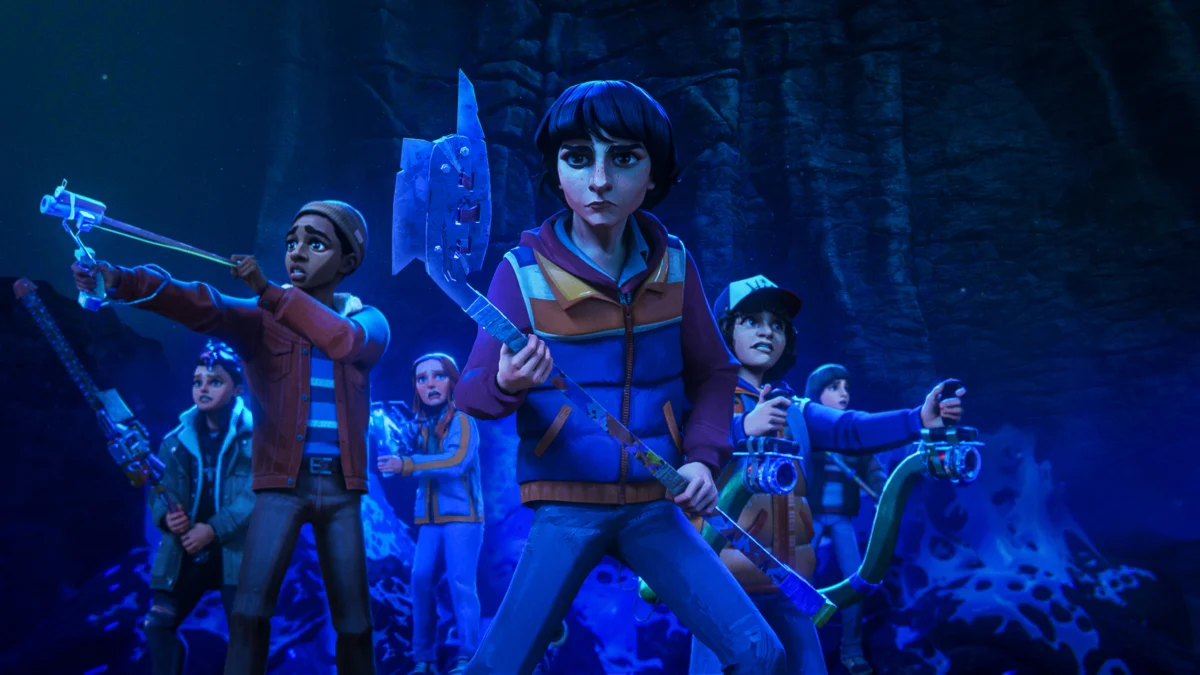
The animated spin-off series Stranger Things: Tales from ’85 has reached a critical juncture in its production lifecycle, leaving fans and industry analysts to question whether the Hawkins-based narrative will receive a third-season order. Following the conclusion of its second season, which was part of an initial two-season commitment from Netflix, the show’s future remains officially unconfirmed. While the creative team has signaled an interest in continuing the story, the final decision rests upon a complex matrix of viewership metrics, production costs, and the strategic alignment of the broader Stranger Things intellectual property.
The Production Lifecycle and Initial Commissioning
When Netflix greenlit Stranger Things: Tales from ’85, the platform employed a two-season upfront order, a strategy frequently utilized for animated projects to ensure continuity and allow for the lengthy lead times required for high-quality animation. This structure was designed to provide the creators with a clear narrative arc while mitigating the financial risks associated with serialized animation.
Development for the project began in 2023, with the creators aiming to expand the lore of the Duffer Brothers’ universe. Unlike the live-action series, which commands massive global audiences and significant cultural capital, this animated iteration operates as a companion piece. The fulfillment of the original two-season contract marks the end of the initial production roadmap. As of late 2026, there is no official renewal status, meaning the production team is currently awaiting a signal from Netflix executives to transition from conceptual outlining to active pre-production.
Analyzing Viewership Metrics and Performance Trends
The primary determinant for any series renewal on a streaming platform is engagement. The data for Stranger Things: Tales from ’85 provides a nuanced picture of its performance. During the debut of its first season, the series achieved 23.9 million viewing hours, translating to approximately 4.9 million views. This performance secured the show a two-week run in the global Top 10 rankings. Throughout the first half of 2026, the series accumulated a cumulative total of 40.4 million viewing hours, equating to roughly 8.3 million views.
While these figures reflect a dedicated fan base, they occupy a different tier than the primary Stranger Things series. Within the context of the platform’s animated library—which includes high-performing titles like Blue Eye Samurai—the performance is considered stable but not necessarily a breakout success.
Current data from the second season suggests a more localized reception. Performance analysis via third-party tracking services, such as FlixPatrol, indicates that while the show has maintained a presence in the Kids TV Top 10 lists across various territories, it has struggled to achieve the broad, multi-week global dominance characteristic of the main franchise. In major markets, the show has occasionally failed to break into the overall Top 10 TV charts, appearing only sporadically in select regions such as Greece, Hungary, and Ukraine. For a property as massive as Stranger Things, Netflix typically seeks consistent, high-impact engagement, suggesting that the current performance may not satisfy the high threshold required for a third season in the eyes of the platform’s decision-makers.
Perspectives from the Creative Team
Showrunner Eric Robles has maintained a transparent dialogue with the audience regarding the realities of the television industry. In recent social media interactions, Robles emphasized the direct correlation between viewership numbers and the viability of future installments. By stating that “viewership motivates a new season pickup,” Robles acknowledged that the creative team is reliant on audience advocacy to bolster the show’s case for renewal. This public acknowledgment underscores the reality that the decision is now entirely out of the hands of the writers and rests on whether the data suggests an appetite for further content.
Narrative Arc and Canon Continuity
The storytelling of Stranger Things: Tales from ’85 occupies a unique space within the franchise. Originally touted as a direct expansion of the canon, the series is now characterized as “not pure canon,” allowing the creative team more flexibility in how they depict events. However, this flexibility also introduces challenges regarding continuity with the live-action series.
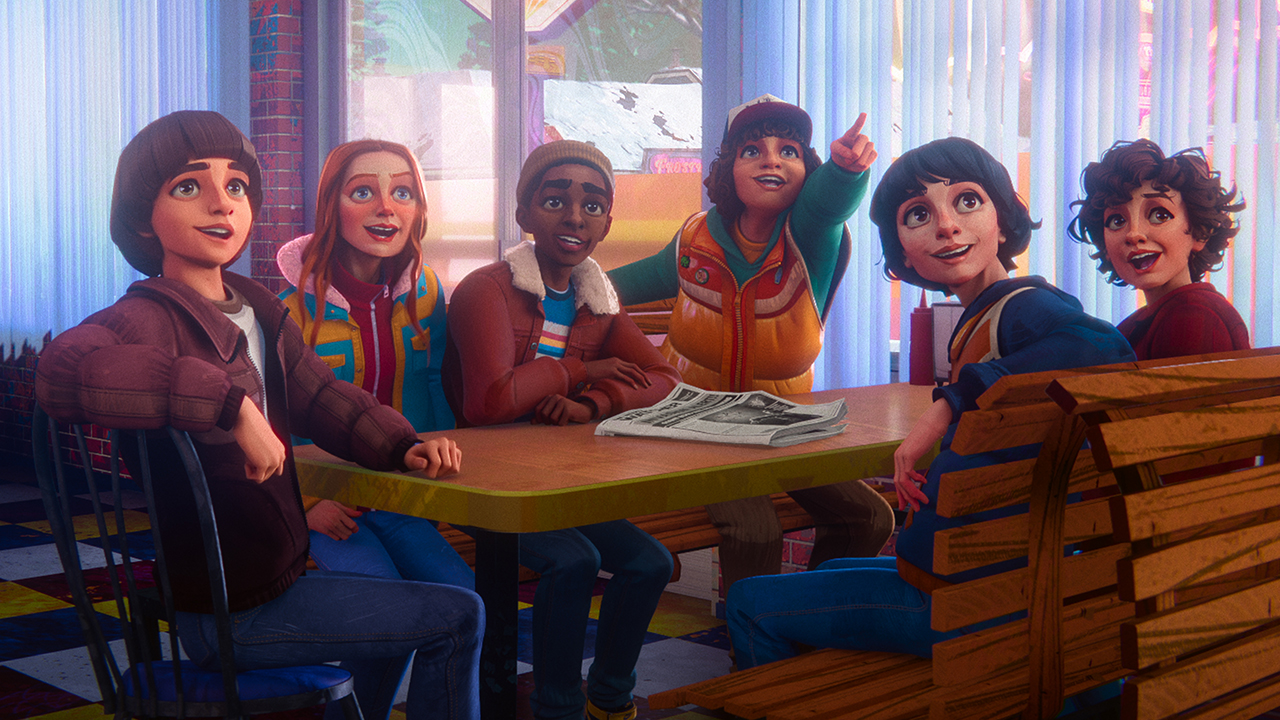
The Season 2 finale concluded with a significant victory for the protagonists. By neutralizing the “Wood Monster Daniel” and effectively severing the connection to the Upside Down, the narrative successfully resolved the immediate threat. On a personal level, the season provided character development for the core group, including the advancement of the relationship between Mike and Eleven and the integration of new characters, such as Nikki, into the fabric of Hawkins.
The challenge for a potential Season 3 lies in the show’s self-imposed timeline. The series is designed to function as a bridge leading directly into the events of the live-action Season 3 of the original Stranger Things. As the timeline approaches the summer of 1985—the period associated with the opening of Starcourt Mall—the writers face a significant “continuity hurdle.” Because key animated characters like Nikki and Charlie do not appear in the established live-action timeline of the original show, any continuation must provide a logical, satisfying conclusion to their arcs. If the show is not renewed, these character threads may remain unresolved, or the production team may be forced to rely on supplementary media, such as comics or graphic novels, to provide closure.
Broader Implications and Strategic Positioning
The potential cancellation or renewal of this animated series reflects a broader trend in how streaming platforms manage major franchises. Netflix is currently balancing the need to keep the Stranger Things brand active between seasons of the live-action flagship with the necessity of maintaining budget discipline. The cost-benefit analysis for an animated series involves not only the production of animation frames but also the licensing of the Stranger Things IP and the marketing support required to keep the series relevant.
If Netflix chooses to move forward, it would likely be to maintain audience engagement during the hiatuses of the live-action series. Conversely, if the decision is made to discontinue the series, it may signal a shift in strategy toward more limited, event-based storytelling rather than long-running, multi-season animated arcs.
The industry at large views the performance of Tales from ’85 as a litmus test for the viability of spin-offs in the animated space. While the show has successfully expanded the world-building of Hawkins, the high costs of production necessitate a level of viewership that consistently competes with the most popular offerings on the platform. The next several months will be crucial as internal analytics teams evaluate the total reach of the second season, the completion rates for episodes, and the overall contribution of the show to the broader Netflix ecosystem.
Conclusion and Future Outlook
As of late 2026, the status of Stranger Things: Tales from ’85 hangs in the balance. While there is no immediate indication of an official cancellation, the absence of a renewal announcement following the completion of the initial order is a standard, albeit concerning, indicator of a pending review. The show has served its purpose in providing additional depth to the Stranger Things universe, yet its future will be dictated by the cold, hard reality of platform analytics.
For viewers, the wait continues. The creators have expressed a desire to bring the story to a natural conclusion that respects the timeline of the live-action series, but the execution of that vision remains subject to executive approval. Whether the gates of the Upside Down will open for one more animated chapter remains a matter of, as the showrunner suggests, the audience’s willingness to engage with the material and drive the viewership numbers to a level that warrants further investment from the streaming giant. Until then, the series remains in a state of suspended animation, awaiting the word that will either greenlight a final arc or draw the curtain on this animated corner of the Hawkins saga.