
The 83rd Venice International Film Festival has continually served as a premier global platform for boundary-pushing cinema, bridging traditional narrative features with innovative non-fiction storytelling. Among the notable entries at the 2026 edition, filmmaker Robert Greene has once again challenged the conventions of the medium with his latest hybrid documentary, Too Much Sugar. Premiering within the festival’s Orizzonti section—a competitive strand dedicated to fresh and representative aesthetic trends in international cinema—the film explores the intersections of community, generational trauma, and the therapeutic capacity of art-making in rural America.
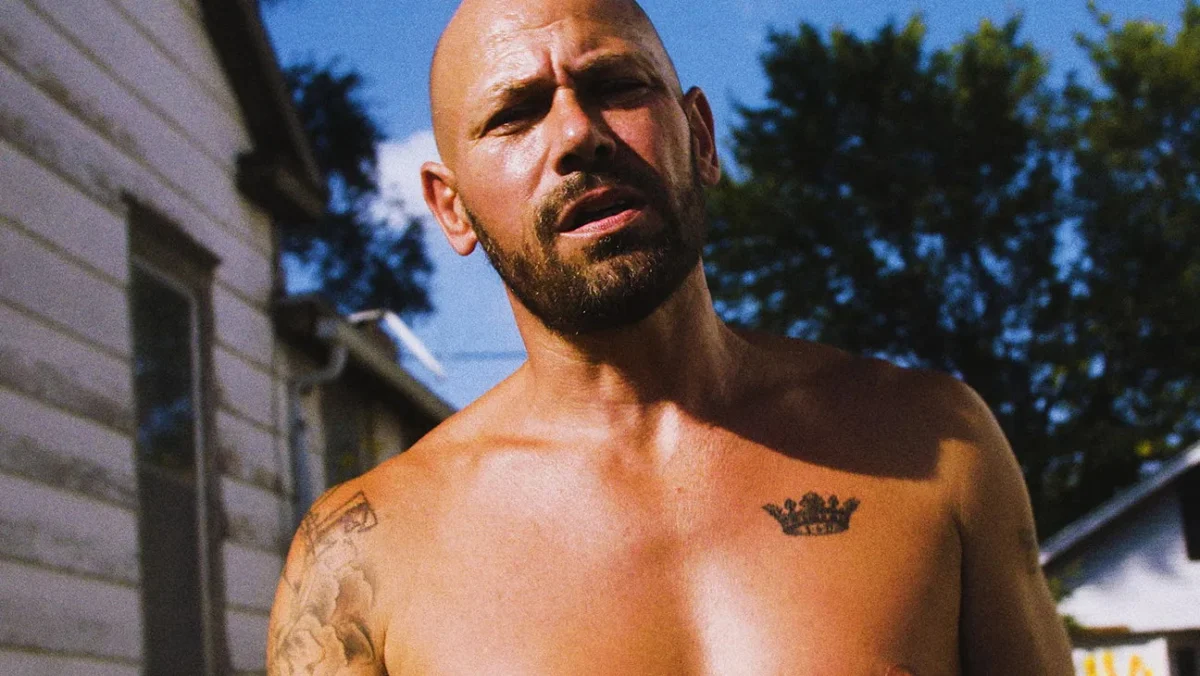
Greene, widely recognized for his pioneering contributions to docufiction and hybrid cinema through acclaimed works such as Actress (2014), Kate Plays Christine (2016), Bisbee ’17 (2018), and Procession (2021), approaches the documentary format not merely as an observational tool, but as an active intervention. In Too Much Sugar, Greene collaborates with Ryan Holliger, a Missouri-based carpenter, amateur fighter, and father of six children from five different relationships. The overarching premise of the project centers on Holliger and his close friend, known as AccRite, as they attempt to confront the complexities of toxic masculinity, personal accountability, and the desire to break cycles of generational neglect by undertaking an unconventional creative endeavor: producing a comedic feature film with their respective families.
The Genesis and Collaborative Methodology of the Project
The conceptual foundation of Too Much Sugar is rooted in what Greene and his production team define as collaborative, therapeutic documentary cinema. Rather than imposing an external narrative onto his subjects, Greene embeds his crew within the daily realities of small-town Missouri, co-creating the film alongside Holliger and his community.
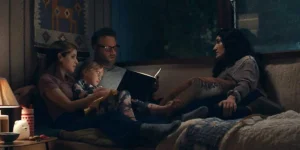
Holliger’s motivation to participate stems from a deeply personal reckoning. Burdened by the legacy of an absent father and the pressures of supporting a sprawling blended family, Holliger views the medium of filmmaking as a literal and figurative vehicle for redemption. By attempting to direct a zany, lighthearted comedy alongside his children, he hopes to demonstrate a capacity for growth, emotional availability, and collaborative leadership. The documentary captures both the arduous process of this artistic undertaking and the unscripted interpersonal dynamics that unfold as the family members—particularly the children, noted for their resilience and sharp observations—participate in the production.
This meta-cinematic framework positions the camera as both a mirror and a catalyst. As Holliger and AccRite navigate the technical and logistical hurdles of low-budget comedy production, the creative process exposes underlying vulnerabilities. The film documents how the shared endeavor of storytelling forces these men to confront their behavioral patterns, evaluate their shortcomings, and articulate their aspirations for emotional maturation.
Contextualizing the Film within the 2026 Venice Film Festival and Orizzonti Lineup
The Orizzonti section of the Venice Film Festival has historically championed films that offer alternative perspectives and test the boundaries of cinematic language. While major Academy Award contenders typically dominate the festival’s prestigious Venezia 76 competition, the Orizzonti lineup frequently serves as a crucible for documentary innovation and regional storytelling.

Greene’s entry into this year’s slate drew immediate comparisons to contemporary works that examine institutional or communal healing through artistic expression, most notably Greg Kwedar’s critically acclaimed Sing Sing. Much like Kwedar’s prison-set drama—which explored how theatrical performance fosters self-reflection among incarcerated men—Too Much Sugar investigates how creative collaboration provides a structured environment for psychological processing. However, Greene’s approach maintains the unpredictability inherent to documentary filmmaking, refusing to offer a neat narrative resolution or an idealized transformation arc.
Critics and industry observers reviewing the film in Venice noted its rough-around-the-edges aesthetic, a deliberate stylistic choice that mirrors the chaotic reality of its subjects’ lives. The friction between the lofty aspirations of filmmaking and the grinding socio-economic challenges of rural Missouri forms the dramatic core of the project. Rather than presenting a polished, seamless trajectory of personal reform, Greene depicts self-improvement as an ongoing, iterative struggle fraught with daily setbacks.
Critical Reception and Cultural Implications
Initial responses from the Lido have highlighted the film’s thematic resonance, even as reviewers acknowledged its structural idiosyncrasies. The documentary earned a solid critical standing during its festival run, praised primarily for its unvarnished look at Americana, working-class masculinity, and the psychological toll of familial responsibility.
Industry analysts have pointed to several broader implications stemming from Greene’s methodology:
- Community-Based Art Initiatives: Too Much Sugar serves as a case study for integrating media literacy and creative production into non-traditional environments, suggesting that collaborative filmmaking can yield measurable psychological and social benefits for marginalized or economically strained communities.
- Evolution of the Hybrid Documentary: By blurring the lines between fiction and non-fiction, Greene continues to push against traditional journalistic and documentary boundaries, prompting academic and critical discussions regarding authenticity, performance, and consent in modern non-fiction media.
- Redefining Cinematic Optimism: In an era marked by cynicism and political polarization, the film offers a tempered form of hopefulness, emphasizing that meaningful personal evolution is a gradual process rather than an instantaneous cinematic revelation.
Timeline of Production and Festival Path
The developmental arc of Too Much Sugar reflects the deliberate, immersive nature of Robert Greene’s directorial practice:
- Pre-Production and Community Integration (2024–2025): Greene and his production team establish residency in rural Missouri, forging partnerships with Ryan Holliger, AccRite, and their extended families to conceptualize the project.
- Principal Photography and Collaborative Filming (2025): The simultaneous production of the documentary and the families’ comedic feature film takes place across various locations in Missouri, capturing both the on-screen creative efforts and the off-screen interpersonal dynamics.
- Post-Production (Late 2025–Early 2026): Editing is finalized, balancing the dual narrative tracks of the documentary framework and the participants’ home-grown comedy project.
- World Premiere (September 2026): The film debuts in the Orizzonti section of the 83rd Venice International Film Festival, drawing attention for its unique blend of social outreach, therapeutic practice, and meta-cinematic inquiry.
Broader Industry Outlook
As Too Much Sugar concludes its premiere engagement on the international festival circuit, distribution prospects remain a subject of interest among documentary sales agents and specialty curators. Given Robert Greene’s established reputation within the independent film community and the heightened visibility afforded by the Venice Film Festival, the project is expected to secure North American distribution ahead of the winter festival season, potentially positioning it for a run through the specialized documentary awards circuit.
Ultimately, the film positions itself not merely as a portrait of two fathers attempting to rewrite their family histories, but as an inquiry into the fundamental utility of cinema itself. By interrogating whether the act of watching and making films can genuinely alter human behavior, Greene presents a nuanced testament to the enduring power of narrative to provoke self-examination, foster empathy, and document the difficult, daily work of personal growth.