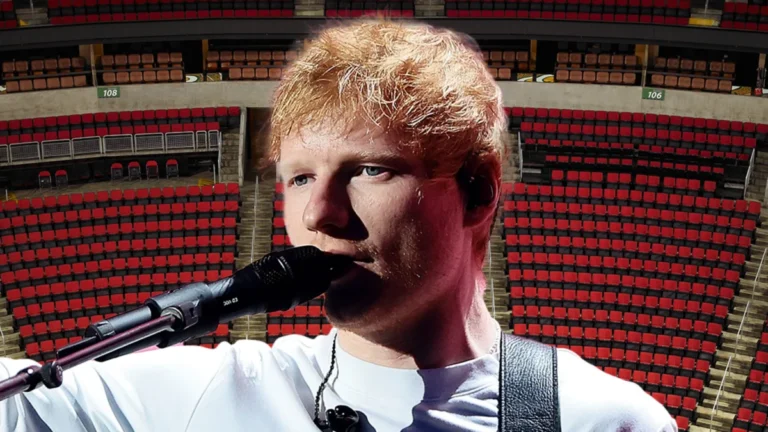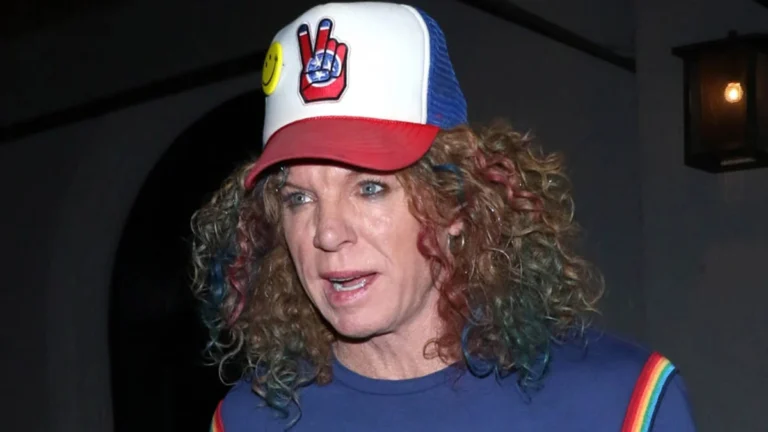


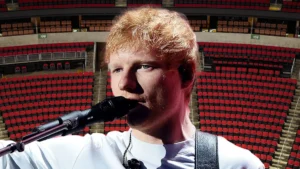

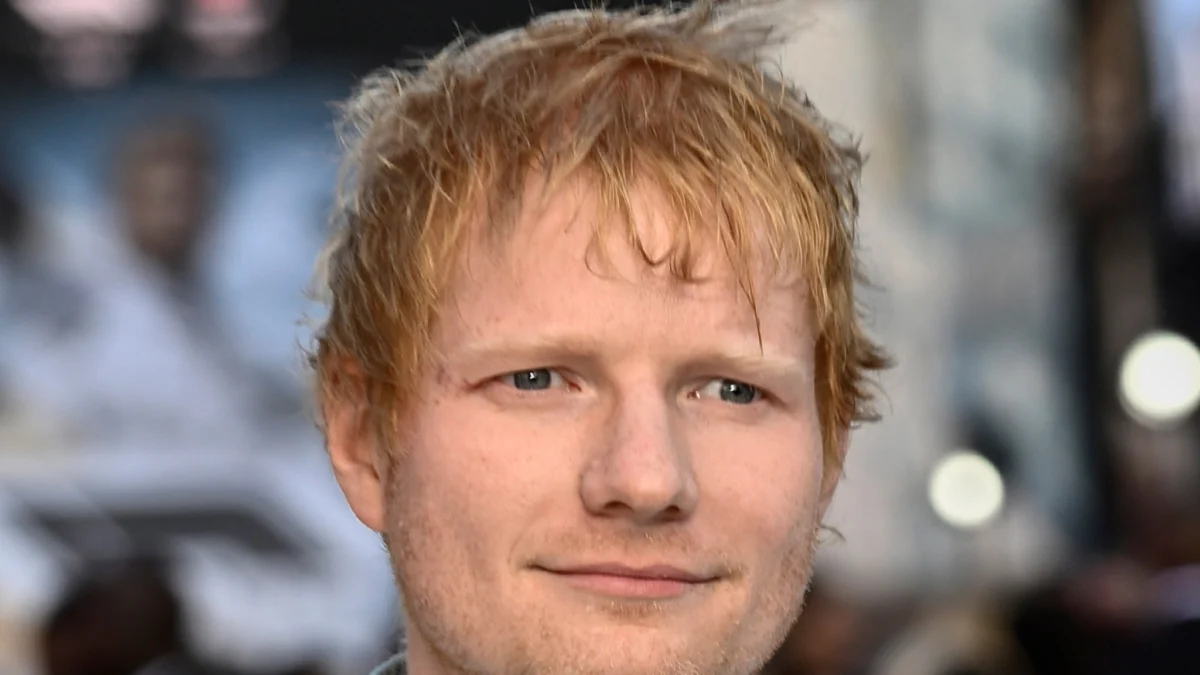
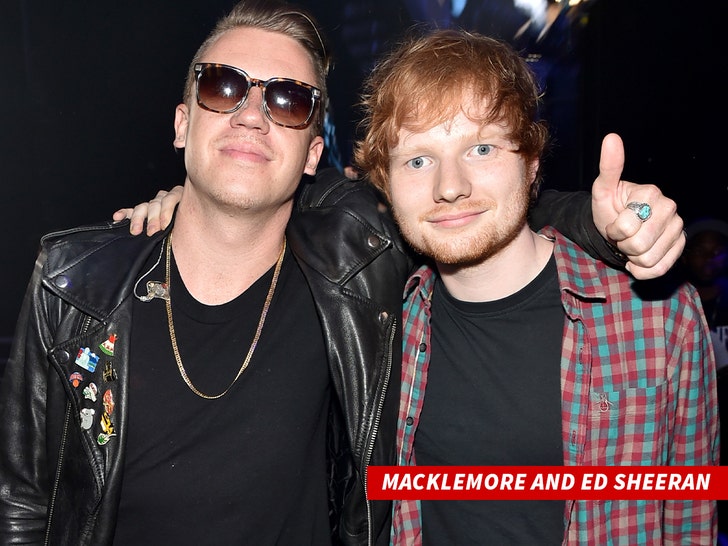
The ongoing controversy surrounding Macklemore’s abrupt removal from Ed Sheeran’s concert tour has escalated into the political arena, drawing sharp reactions from activist organizations. Local advocacy groups in Philadelphia, including the Philly Palestine Coalition and Shut Down D&Z, have officially announced plans to stage a large-scale public demonstration outside of Sheeran’s upcoming concert. The protest is scheduled to take place on September 19 outside the Lincoln Financial Center, turning a major pop music event into a focal point for geopolitical tensions and free-speech debates.
The demonstrations are a direct response to Macklemore being cut from the opening slot of Sheeran’s tour following vocal statements he made regarding Palestine during his performances at the first two tour stops in New Jersey. Organizers of the Philadelphia protest have distributed promotional flyers featuring explicit anti-establishment slogans, declaring, "Billionaires, Zionists & Warmongers out of Philly." Activists argue that the musician was unfairly penalized for exercising his right to political expression and have targeted both tour organizers and venue stakeholders for censoring pro-Palestinian advocacy.
Chronology of the Tour Controversy
The sequence of events leading up to the Philadelphia protests began during the initial leg of Ed Sheeran’s tour in New Jersey, where Macklemore used his platform as an opening act to address the Israel-Palestine conflict. His remarks quickly sparked intense public debate, polarising concertgoers and drawing scrutiny from prominent public figures and corporate entities associated with the venues hosting the tour.
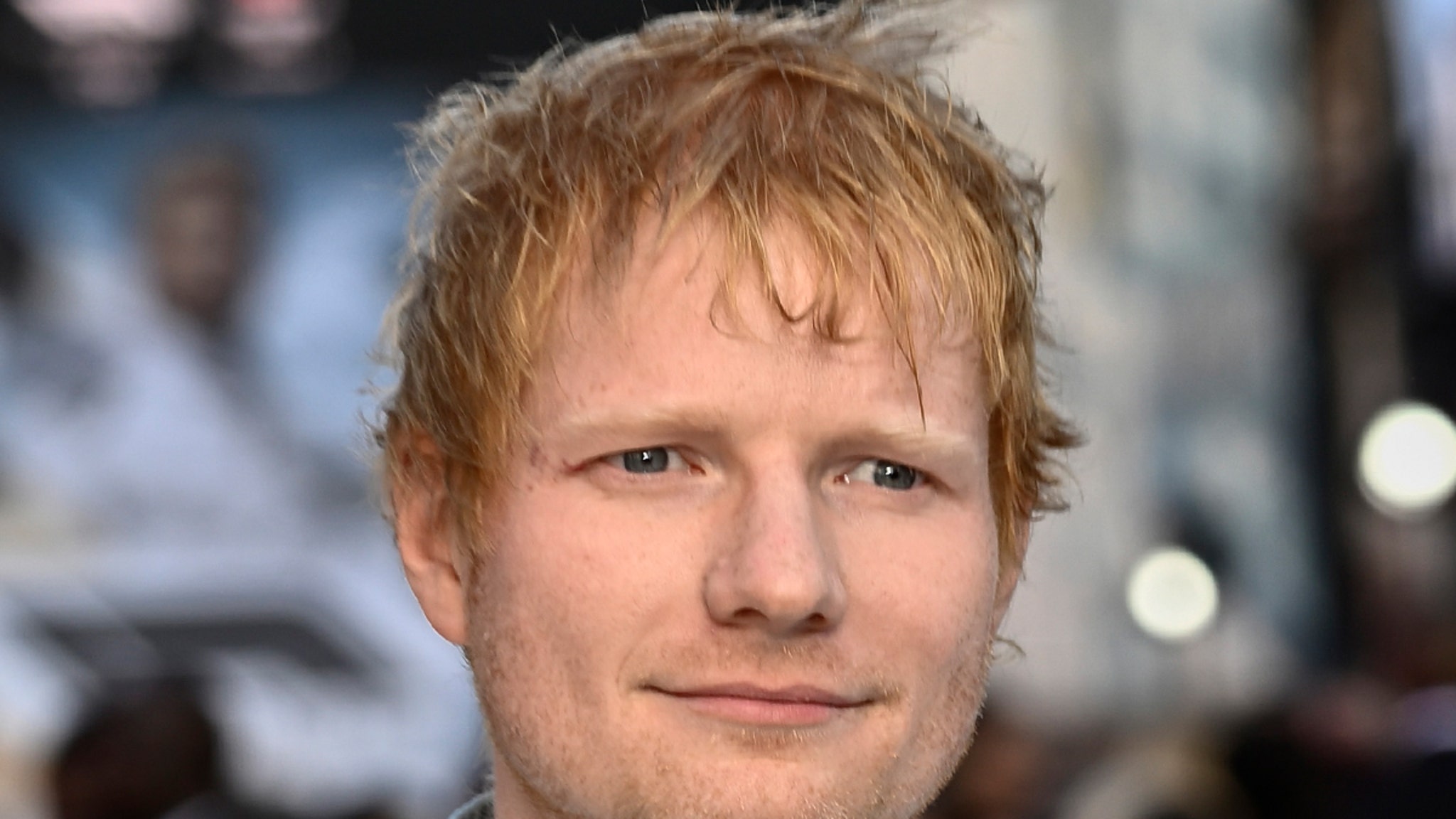
Within days of the New Jersey performances, reports surfaced that Macklemore would no longer be performing as a supporting act for the remainder of the tour. The decision prompted an immediate wave of backlash across social media, with fans and advocacy groups demanding transparency regarding who made the call to drop the rapper.
Ed Sheeran subsequently addressed the mounting public criticism, clarifying his own position on the matter. According to Sheeran, the decision to remove Macklemore was not made by him or his immediate management team. Instead, the singer-songwriter stated that the directive came from the tour’s primary promoter after several high-profile National Football League (NFL) team owners—most notably New England Patriots owner Robert Kraft—objected to Macklemore performing at their respective stadiums.
Robert Kraft publicly defended the decision to bar the rapper from entering his venues, pointing to Macklemore’s recent and historical statements as the justification. Kraft and other concerned stakeholders asserted that the rapper’s rhetoric was deeply offensive to the Jewish community, creating a conflict that venue owners argued jeopardized the safety and inclusive environment of their facilities.
The Convergence of Entertainment, Sports, and Politics
The clash surrounding the Sheeran tour highlights a growing trend wherein major entertainment events intersect with high-stakes geopolitical conflicts and corporate governance. Venues like the Lincoln Financial Center, which frequently host massive public gatherings under the jurisdiction of sports franchises and corporate partners, are increasingly forced to navigate the volatile intersection of celebrity activism and public relations.
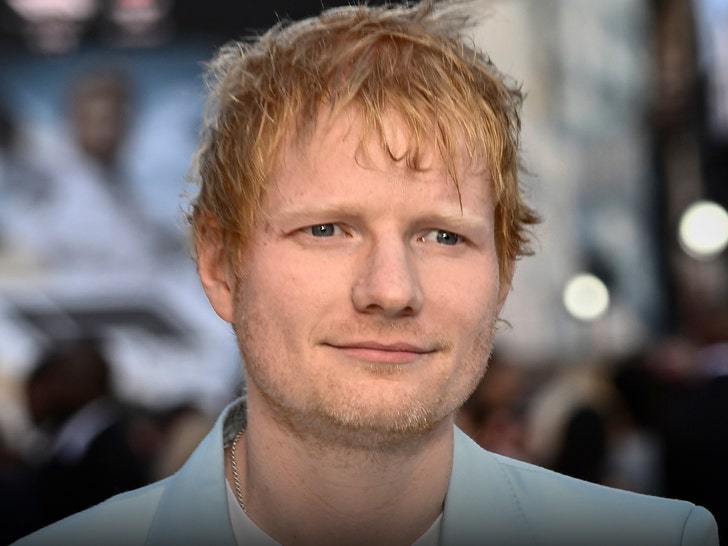
For independent advocacy groups like the Philly Palestine Coalition, the incident represents a broader pattern of institutional suppression directed against pro-Palestinian voices. By organizing a physical protest at a high-profile commercial venue, the coalition aims to amplify its message to tens of thousands of concertgoers, transforming a routine weekend entertainment event into a platform for civic mobilization.
Security officials and local law enforcement in Philadelphia are currently bracing for potential disruptions ahead of the September 19 event. While organizers have pledged a peaceful demonstration centered around speeches, banner drops, and informational distribution, large-scale political protests outside high-capacity stadiums often present logistical challenges for local authorities and event staff.
Broader Implications for Touring Artists
The fallout from the Macklemore-Sheeran tour dispute raises significant questions for the live music industry, particularly regarding the autonomy of supporting acts and the contractual boundaries of political speech. As musicians increasingly utilize stadium-sized platforms to comment on international conflicts, venue owners, promoters, and headlining artists face mounting pressure to balance artistic freedom with corporate risk management.
Industry analysts note that incidents of this nature could lead to more stringent vetting processes for opening acts, as well as more clearly defined clauses within tour contracts concerning public commentary. For headlining acts like Ed Sheeran, the challenge lies in mitigating collateral reputational damage when political controversies involving supporting personnel overshadow the musical production itself.
As the September 19 concert date approaches, all eyes will be on the Lincoln Financial Center to see how the convergence of pop music, corporate stadium ownership, and grassroots political activism manifests in real-time. Whether the protest impacts attendance or forces a broader industry conversation regarding free expression remains to be seen, but the event underscores the reality that modern concert tours are no longer insulated from the complex geopolitical debates shaping public discourse.