

The landscape of the American media and entertainment industry is currently undergoing a period of unprecedented volatility as the proposed $110 billion merger between Paramount and Warner Bros. Discovery faces a mounting legal blockade. In a high-stakes escalation filed in court this past Monday, Paramount Skydance has formally requested that the coalition of state attorneys general opposing the deal be required to post a $1.88 billion bond. This move is intended to cover the escalating financial costs and operational damages resulting from the significant delays forced upon the transaction by state-led litigation.
The legal confrontation, which pits two of the world’s most iconic media conglomerates against a powerful multi-state legal alliance, has effectively frozen a merger that, if completed, would create a vertically integrated media powerhouse. The combination would unite the vast libraries of Paramount Pictures and Warner Bros., alongside a massive footprint in domestic pay-TV networks and the combined reach of streaming giants HBO Max and Paramount+.
A Chronology of the Conflict
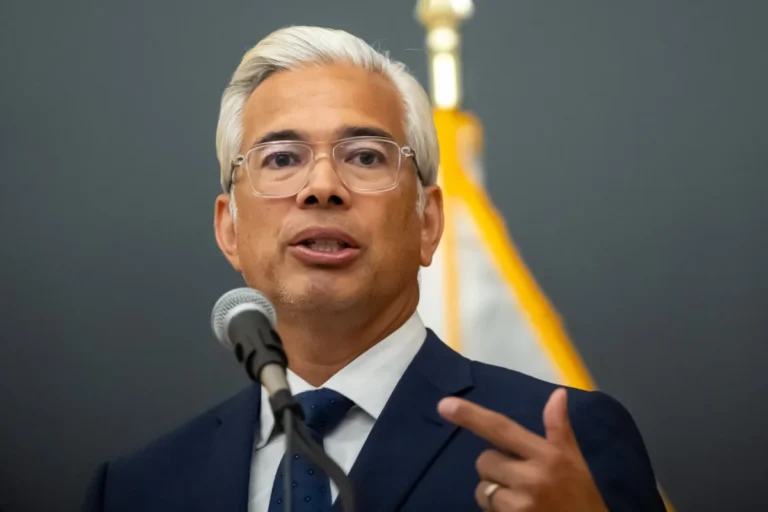
The friction began in earnest in July 2026, when a coalition of 12 state attorneys general—spearheaded by California’s Rob Bonta—filed an antitrust lawsuit seeking to enjoin the $110 billion merger. The states, which also include Arizona, Colorado, Connecticut, Massachusetts, Minnesota, Nevada, New Jersey, New Mexico, New York, Oregon, and Washington, argue that the consolidation violates the Clayton Antitrust Act. Enacted more than a century ago, the act serves as a cornerstone of U.S. competition law, designed to prevent corporate acquisitions that may substantially lessen competition or tend to create a monopoly.
Following the filing of the lawsuit, the timeline for the merger shifted dramatically. Despite receiving clearance from the U.S. Department of Justice’s Antitrust Division and securing necessary approvals from other global regulatory bodies, Paramount and WBD were forced to halt their progress. Last month, the companies agreed to delay the acquisition, potentially pushing the closing date as far back as June 2027 to accommodate a full trial on the merits of the states’ claims.
The Economics of the Ticking Fee
At the heart of the current dispute is the "ticking fee" embedded in the original merger agreement. This provision mandates that starting September 30, 2026, Paramount must compensate Warner Bros. Discovery shareholders at a rate of 25 cents per share, per quarter, for every quarter the deal remains unclosed. Financial analysts estimate that this obligation will result in approximately $650 million in cash outflows every three months.
Paramount’s legal filing argues that this structure creates a "quantifiable financial consequence" for every month the merger remains in limbo. The company estimates that by the time the trial concludes and final briefs are submitted, Paramount will have incurred at least $1.3 billion in unrecoverable costs. The $1.88 billion bond requested by the company is designed to account for these fees, as well as the additional financing costs incurred while keeping the capital structure of the proposed merger in a state of suspended animation.
The Legal Argument for Security
Paramount’s position rests on the precedent established by the Clayton Antitrust Act and federal procedural rules, which provide for the posting of a bond when a party seeks to enjoin a transaction. In its court filing, the company stated, "Absent security, even a complete victory on the merits would not restore a dollar of those extraordinary losses. That is precisely why federal law requires plaintiffs to provide security as a condition for receiving preliminary relief such as the court-approved order."
The company contends that the delay risks more than just cash payments; it threatens to nullify the extensive regulatory approvals already secured. The longer the transaction remains in the "pre-closing" phase, the higher the likelihood that market conditions shift or that regulatory compliance becomes outdated, necessitating a costly re-evaluation process.
Response from the State Attorneys General
The office of California Attorney General Rob Bonta has dismissed the request for a bond with firm opposition, framing the situation as a direct result of the companies’ own corporate strategy. In a statement, a representative for Bonta’s office emphasized that Paramount and Warner Bros. Discovery are sophisticated entities that entered into the merger agreement with full knowledge of the regulatory landscape.
"Paramount went into this process with eyes wide open. They are lying in a bed of their own making," the statement read. Bonta’s office argued that the companies chose to include the ticking fee as a voluntary contractual obligation to facilitate the deal, rather than having it forced upon them by external factors. Furthermore, the office noted that Paramount stipulated to the timeline during previous court negotiations and did not request a bond as a condition for the delay at that time. From the perspective of the attorneys general, the current motion is an attempt to seek a "do-over" on procedural terms that were previously accepted by the companies.
Broader Implications for the Media Sector
The implications of this litigation extend far beyond the balance sheets of Paramount and Warner Bros. Discovery. The case serves as a litmus test for the Biden-era approach to antitrust enforcement, which has demonstrated a growing appetite for challenging "mega-mergers" in the media and technology sectors. By utilizing the Clayton Antitrust Act, the states are signaling that they view the consolidation of creative talent, content distribution, and streaming infrastructure as a potential threat to market diversity and consumer choice.
Beyond the legal and financial maneuvering, the human and operational costs are mounting. Paramount’s latest statement highlighted that the eight-month delay has effectively halted the integration process. This stall prevents the combined company from ramping up investments in content production and creative talent. Furthermore, the uncertainty has created a period of instability for employees across both organizations, many of whom are facing questions about the future of their roles and the strategic direction of their departments.
Market and Economic Outlook
Industry observers are closely monitoring the trial, as the outcome will likely dictate the future of "media consolidation" trends. If the court grants the bond, it would set a significant precedent, potentially deterring future state-led antitrust challenges against large-scale corporate mergers by increasing the financial risk for plaintiffs. Conversely, if the court denies the request, it may embolden state-level regulators to take a more aggressive stance against large-scale acquisitions, knowing that the companies involved must bear the full financial burden of any resulting litigation delays.
As the case heads to trial, the central question remains: does the combination of these two entities constitute a monopolistic threat to the streaming and cable landscape, or is it a necessary evolution to compete with global tech giants? For now, the $1.88 billion bond request remains a secondary, yet critical, battleground that highlights the immense cost of corporate litigation in an era of heightened antitrust scrutiny. The court’s decision on this motion will serve as a pivotal indicator of how the judicial system balances the protection of competition against the financial risks imposed on corporations navigating a complex regulatory environment. With the trial date approaching, the standoff between the states and the media conglomerates shows no signs of cooling, ensuring that the future of this merger remains one of the most closely watched stories in the corporate world.