


The landscape of American media regulation reached a constitutional boiling point this week as The Walt Disney Company’s ABC network filed a formal lawsuit against the Federal Communications Commission (FCC) in the U.S. District Court for the District of Columbia. The legal challenge seeks to halt an ongoing, expedited review of the network’s broadcast station licenses, which Disney characterizes as a thinly veiled "retaliatory campaign" orchestrated by the federal government in response to critical editorial programming.
The lawsuit marks a significant escalation in the tensions between the administration of President Donald Trump and one of the nation’s largest media conglomerates. At the heart of the dispute is the FCC’s decision, finalized earlier this year, to initiate an early renewal process for ABC’s broadcast licenses—a move the agency justified by citing concerns over the company’s diversity, equity, and inclusion (DEI) policies. Disney, however, contends that the timing and nature of the regulatory scrutiny are directly tied to the political commentary featured on programs such as "Jimmy Kimmel Live!" and "The View."
A Chronology of Regulatory Friction
The path toward this litigation has been paved by a series of high-profile confrontations between federal regulators and the Disney-owned network. The timeline of the current impasse provides critical context for the legal arguments now before the court:
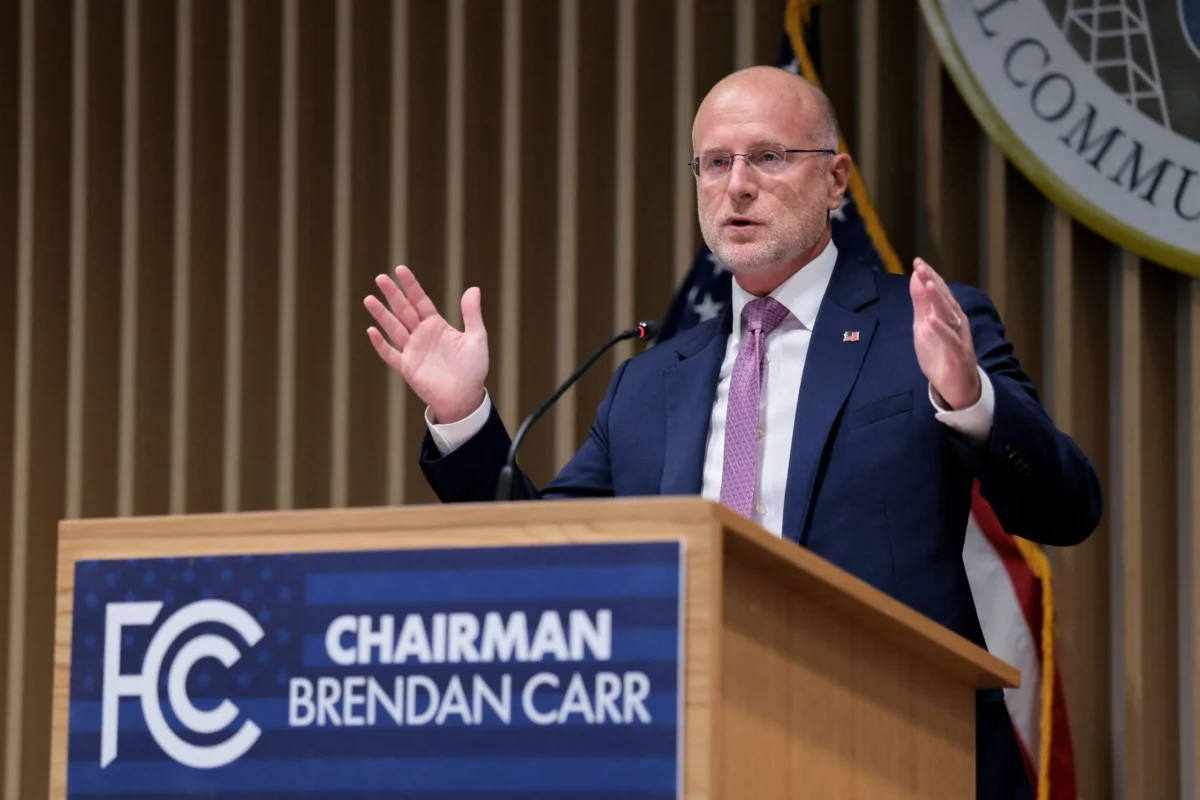
- November 2024: President Trump appoints Brendan Carr, a vocal critic of current media industry practices, to lead the FCC.
- Early 2026: The FCC initiates an investigation into Disney’s station operations, citing potential violations of the Communications Act of 1934 and agency rules regarding discriminatory practices in employment and programming.
- April 2026: The FCC formally launches an early review of ABC’s broadcast licenses, years ahead of their scheduled expiration date.
- May 2026: Disney submits its license renewal applications "under protest," explicitly stating in legal filings that the agency’s demands are arbitrary, unconstitutional, and motivated by political bias.
- August 2026: Following months of administrative deadlock, Disney files suit in the U.S. District Court for the District of Columbia, seeking an immediate injunction to stop the license review proceedings.
The Constitutional and Legal Battleground
Disney’s legal team argues that the FCC’s actions constitute a violation of the First Amendment, asserting that the government is utilizing its regulatory authority as a weapon to suppress speech that is unfavorable to the executive branch. In its filing, the network alleges that the FCC has ignored established procedural norms to target a specific broadcaster.
"The government cannot condition the privilege of holding a broadcast license on a company’s willingness to silence its editorial staff or adhere to the political preferences of the ruling administration," legal analysts familiar with the filing noted. By invoking the "irreparable harm" standard, Disney is attempting to convince the court that the mere existence of a government-led, politically motivated investigation chills the exercise of free speech, creating an environment of self-censorship across the broadcasting industry.
Conversely, the FCC remains steadfast in its defense. Chairman Brendan Carr has consistently maintained that the agency’s inquiry is focused solely on the "public interest" mandate, which requires that broadcast licensees serve their local communities without engaging in unlawful discrimination. The agency argues that its focus on DEI practices is a matter of administrative oversight, not political retribution.
In a statement released shortly after the lawsuit was filed, an FCC spokesperson described Disney’s legal move as part of a broader "disinformation campaign" designed to distract from the substantive issues regarding the company’s compliance with federal law. "The FCC will continue to follow the facts and law wherever they lead," the agency stated, rejecting the characterization of its actions as retaliatory.
Internal Leadership Transitions and External Alliances
The legal battle coincides with a period of significant leadership transition at The Walt Disney Company. Josh D’Amaro, who assumed the role of CEO in March 2026, has adopted a more combative stance regarding the network’s editorial independence than his predecessor, Bob Iger. During a recent interview, D’Amaro emphasized that the company’s commitment to its journalistic integrity is non-negotiable. "We’re very principled on this," D’Amaro told CNBC. "We’re going to stand up to what we believe is journalistic integrity, and we’re not going to be told how to run that side of our business."
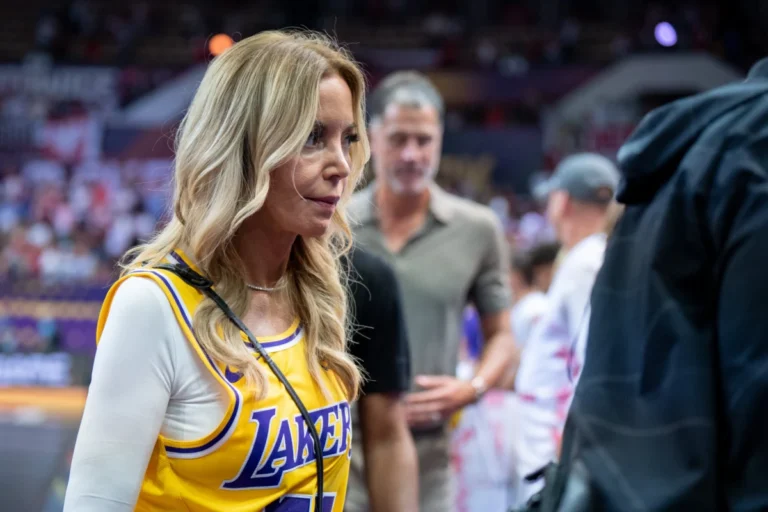
The situation is further complicated by the evolving personal and professional ties within the media and sports sectors. Bob Iger’s recent agreement to purchase a majority stake in the Los Angeles Lakers—partnering with Joshua Kushner, the brother of Jared Kushner—has drawn scrutiny from observers who monitor the intersection of elite influence and media regulation. While there is no evidence that this partnership has impacted the FCC’s regulatory posture, the optics have fueled speculation regarding the complex web of relationships defining the current media era.
The Lone Dissenter: A Rare Internal Split
The FCC is not a monolithic entity in this dispute. Commissioner Anna Gomez, the sole Democrat on the commission, has emerged as a vocal critic of the agency’s pursuit of ABC. Her public support for Disney’s decision to sue the FCC is a rare occurrence in federal regulatory circles, highlighting the extent to which the current proceedings have polarized the commission.
"For months, the FCC has waged a campaign of censorship and control against Disney’s ABC stations," Gomez stated. "Using the threat of broadcast license revocations to punish a company for speech this administration doesn’t like is a dangerous precedent." Gomez’s position underscores the broader industry concern that the FCC’s current strategy could be applied to other media organizations, effectively creating a regulatory environment where broadcast licenses are contingent upon political compliance.
Broader Implications for the Media Industry
The outcome of this lawsuit will likely have lasting implications for the relationship between the federal government and the private media sector. If the court finds that the FCC has indeed engaged in retaliatory behavior, it would serve as a landmark ruling protecting broadcast organizations from administrative overreach. If, however, the court sides with the FCC, it could establish a precedent that grants the government wider latitude to utilize licensing processes to enforce administrative and, potentially, ideological standards.
From an economic perspective, the uncertainty surrounding broadcast licenses is a significant concern for stakeholders. Broadcast stations rely on the stability of their FCC licenses to attract advertising revenue and maintain institutional credit. Prolonged litigation and the threat of license revocation can impact a company’s market valuation and long-term capital investment plans.
Furthermore, the case raises questions about the definition of "public interest" in the 21st century. The FCC’s original mandate, established by the Communications Act of 1934, was designed to manage a limited electromagnetic spectrum. In an era of digital streaming, social media, and decentralized information, the relevance and authority of the FCC are increasingly debated. Critics argue that using the license renewal process—a tool created for an analog era—to police the corporate culture or political output of a modern media giant represents a fundamental mismatch between the law and current market realities.
As the case proceeds to discovery and potential evidentiary hearings, the court will be required to weigh the FCC’s broad authority to regulate the airwaves against the constitutional protection of the press. For now, the proceedings represent a high-stakes standoff that will define the boundaries of media autonomy in a politically charged climate. The industry will be watching closely, as the precedent set here could alter the regulatory landscape for years to come.