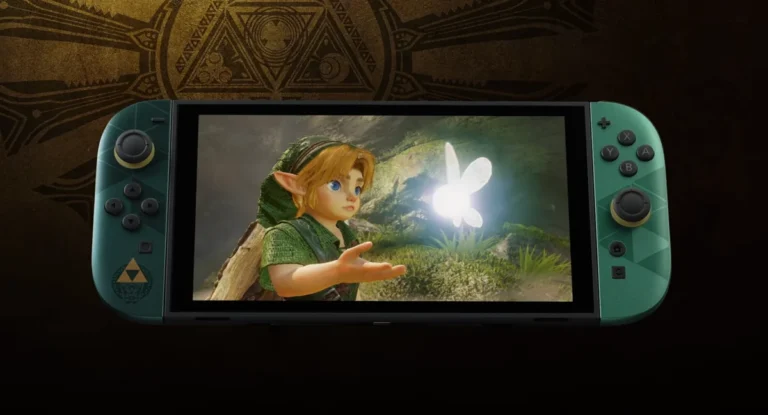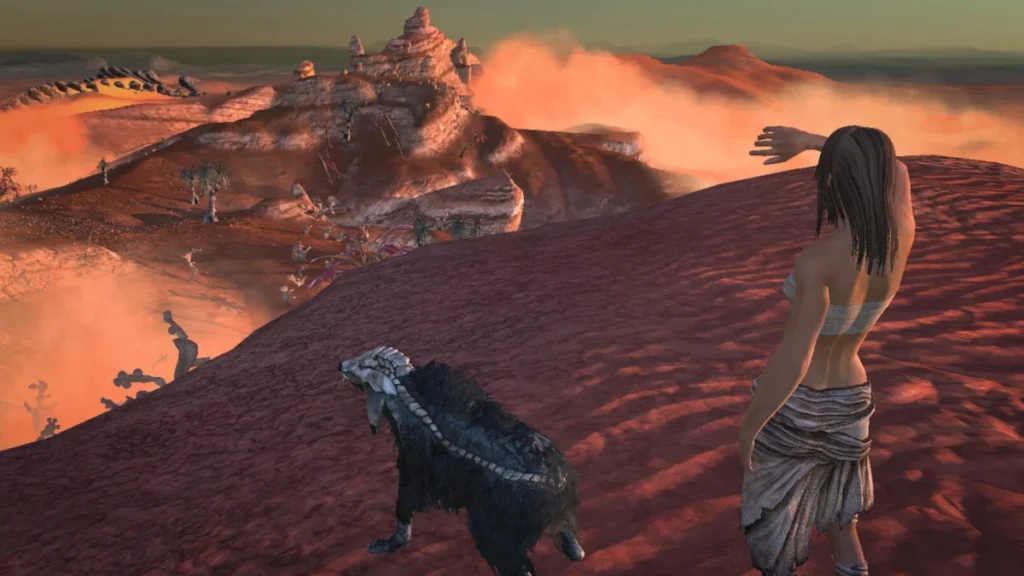



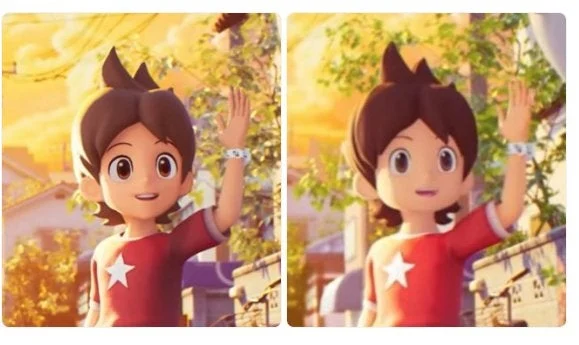
The recent Level-5 digital showcase, which was intended to be a triumphant return for the studio behind beloved franchises like Professor Layton and Yo-Kai Watch, has instead become the focal point of an intense debate regarding the role of generative artificial intelligence in game development. Following the event, fans and industry observers took to social media to voice concerns over the apparent use of AI-generated assets in the presentation footage. This digital scrutiny prompted a swift and direct response from Level-5 President and CEO Akihiro Hino, who sought to clarify the studio’s stance on technological integration versus human creativity.
The controversy originated shortly after the company’s high-profile digital event last week, where viewers noted inconsistencies and visual artifacts within the presentation materials that were characteristic of generative AI tools. These observations quickly evolved into a broader conversation about corporate ethics, the preservation of artistic integrity, and the potential displacement of human labor within the Japanese gaming sector. As the discourse grew, Hino issued a formal statement on X (formerly Twitter), acknowledging the use of AI in the showcase while attempting to distance the company’s final product development from the experimental techniques used in its promotional materials.
A Timeline of the Digital Showcase Controversy
The sequence of events leading to the current situation highlights the volatility of modern fan-developer relations. On the day of the showcase, excitement surrounding the return of classic titles was palpable. However, as the broadcast progressed, eagle-eyed enthusiasts began posting frame-by-frame analyses of the footage. The primary critique focused on the promotional clips, which featured stylistic choices that many users identified as "AI-slop"—a derogatory term used within the gaming community to describe content perceived as low-effort or generated without human intent.
Within twenty-four hours, the sentiment had shifted from anticipation to skepticism. By the following day, prominent industry news outlets had corroborated these concerns, noting that the visual output in the showcase lacked the distinct, hand-crafted polish associated with Level-5’s historical portfolio. Recognizing the potential for long-term reputational damage, Hino addressed the issue directly. His statement, which was translated for international audiences, admitted that AI was employed specifically to enhance the "spectacular" nature of the presentation footage. He expressed regret that this decision had caused discomfort among the studio’s core supporters, stating, "It appears that some people felt uncomfortable about this, so I deeply apologise."
Defining the Scope of AI Integration
The core of Hino’s defense lies in a clear distinction between "promotional assets" and "game content." According to the CEO, the company’s internal workflow relies on a strict demarcation between these two spheres. Hino emphasized that the "charm and individuality" of Level-5’s titles—encompassing character design, narrative scenarios, and world-building—remain the exclusive domain of human creators.
He described the company’s current experimentation with AI as a tool for "digitizing" creative labor rather than replacing it. For instance, he cited the conversion of original, hand-drawn art into game-ready polygon models as a primary use case for AI-driven efficiency. By automating these technical, time-intensive processes, the studio aims to significantly reduce the development cycle for its upcoming projects. Hino’s stated goal is to compress the production timeline from five years down to two years, a move necessitated by the increasing complexity of modern hardware and the rising costs of high-fidelity game development.
Despite these reassurances, the tension between studio efficiency and artistic authenticity remains. For the gaming public, the fear is not just about the specific assets used in a showcase, but rather the slippery slope of corporate policy. The concern is that if AI is acceptable for promotional "flashiness," it might eventually be deemed acceptable for internal production, potentially compromising the unique aesthetic identity that fans associate with the Level-5 brand.
The Industry Context: A Macro View
Level-5 is by no means an outlier in this trend. The integration of generative AI has become a dominant theme across the global interactive entertainment industry. In Japan, recent reports from the Tokyo Game Show organizer indicate that over half of all domestic game companies are currently implementing some form of AI in their development pipelines. This shift is driven by a confluence of factors: the need for faster turnaround times, the desire to lower costs in an era of ballooning development budgets, and the pressure from shareholders to remain at the cutting edge of technological innovation.

Major industry players have already publicly committed to AI-first strategies. Krafton, the publisher behind PUBG and inZOI, has explicitly declared itself an "AI-first company," placing the technology at the center of its problem-solving and creative processes. Similarly, Square Enix has outlined plans to utilize generative AI to handle up to 70% of its quality assurance tasks by 2027. Electronic Arts (EA) has also described AI as the "very core" of its business, suggesting that the industry is undergoing a fundamental structural transition.
This widespread adoption creates a complex landscape for developers. While AI can undoubtedly accelerate technical workflows, the backlash against Level-5 illustrates that the "human element" remains a significant brand asset. In an industry where fan loyalty is often tied to the specific creative voice of a studio, the perception of AI-driven automation can act as a catalyst for negative consumer sentiment.
The Economic and Creative Implications
The economic argument for AI in gaming is clear. AAA titles now frequently cost hundreds of millions of dollars to produce and can take five to seven years to complete. By automating repetitive tasks—such as creating environmental assets, texture mapping, or basic QA testing—studios hope to mitigate the risks associated with long-term projects. However, the qualitative impact of these tools is still being debated.
From a creative standpoint, the risk is the homogenization of game design. If multiple studios utilize similar generative tools, the risk of "creative convergence"—where games begin to look, feel, and play in a similar fashion—becomes a legitimate concern. Level-5’s commitment to keeping human hands at the helm of "basic settings" and "scenarios" is an attempt to address this, yet the company now faces the challenge of rebuilding trust.
For the industry at large, the Level-5 incident serves as a case study in transparency. The backlash was not merely a reaction to the technology itself, but to the lack of disclosure. As companies move forward, the "Level-5 model"—using AI for technical efficiency while maintaining a clear line for creative output—may become the standard. However, this will likely require a higher level of communication between studios and their fanbases.
Moving Forward: Lessons for the Studio
As Akihiro Hino noted in his closing remarks, the company plans to treat this experience as a learning opportunity. The challenge for Level-5 in the coming months will be to prove that its future titles, such as the next entries in the Professor Layton series, retain the soul and detail that defined their predecessors.
The promise that "no simplistic AI-generated output data is included in the games that are released" is a firm commitment that will be tested by the community upon the next public release. Whether this assurance will be sufficient to quell the concerns of a skeptical public remains to be seen. As the studio prepares for its next presentation, the eyes of the industry will be fixed on how they balance their efficiency goals with the preservation of their artistic legacy.
Ultimately, the controversy highlights a broader shift in the digital age: the audience is no longer a passive recipient of media but an active monitor of the creative process. In this environment, the tools a studio uses are now just as important as the final product. For Level-5 and its peers, the path forward will require navigating the tension between the inevitability of technological advancement and the non-negotiable demand for human artistry.