


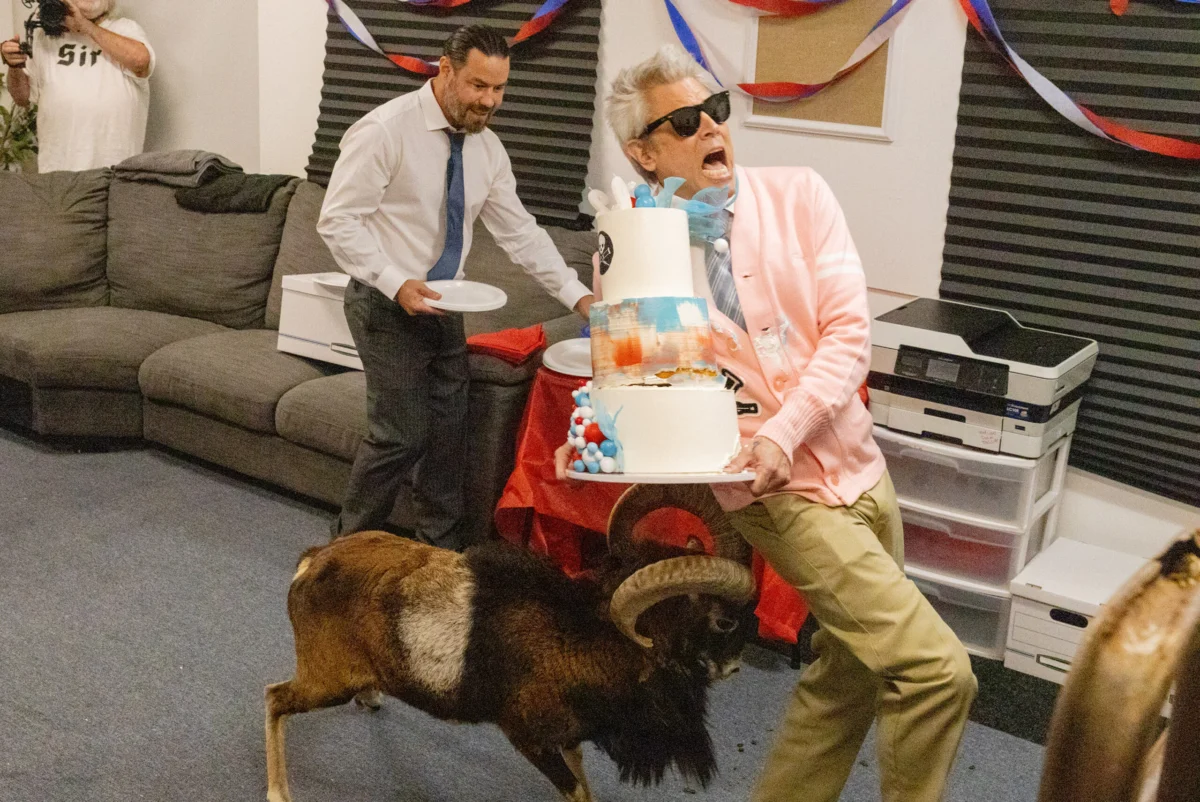
The release of Jackass: Best and Last marks what may be the definitive conclusion to one of the most culturally disruptive and commercially improbable franchises in entertainment history. For over two decades, the cinematic enterprise has charted a course through high-velocity slapstick, institutional pushback, and unexpected critical reassessment. At the epicenter of this institutionalized chaos has been director Jeff Tremaine, whose transition from underground print media to mainstream Hollywood orchestration helped redefine the parameters of modern comedy. While the franchise is ostensibly defined by physical trauma and sophomoric pranks, its longevity and cultural footprint reveal a surprisingly rigorous aesthetic framework—one orchestrated by a filmmaker who remains visibly amused by his own enduring immaturity.
From Underground Skate Culture to a Global Phenomenon
The genesis of the Jackass phenomenon traces back to the late 1990s and the subcultural ecosystem of Big Brother, a boundary-pushing skateboarding magazine where Tremaine served as art director and editor. Alongside future cocreators Johnny Knoxville and Spike Jonze, Tremaine curated a collective of magnetic, unpredictable personalities rather than traditional athletes. The editorial staff quickly realized that the behind-the-scenes antics and self-inflicted stunts carried a far greater cultural charge than conventional skateboarding journalism.
The turning point arrived when Knoxville documented himself testing self-defense equipment, including pepper spray and a firearm, for a magazine feature. The footage captured an innate ability to command audience engagement through theatrical absurdity. Recognizing the potential, Tremaine, Knoxville, and Jonze packaged the concept into a television pilot. Commissioned by MTV, the resulting series debuted in October 2000 and immediately sparked intense public controversy, drawing simultaneous condemnation from conservative media watchdog groups and rapturous devotion from a youth demographic starved for unscripted subversion.
Despite initial expectations that the concept would exhaust itself within a single television season, the property expanded exponentially. Following the cancellation of the MTV series in 2001 amid external pressures, the creative team successfully transitioned the brand to the feature film format with Paramount Pictures, releasing Jackass: The Movie in 2002. Operating on a modest budget, the film grossed over $79 million worldwide against a $5 million production cost, establishing a lucrative blueprint for subsequent theatrical iterations.
Chronology of an Expanding Machine
The operational methodology of the franchise underwent a profound transformation over its twenty-five-year lifespan. In its foundational era, production was characterized by spontaneous guerrilla filmmaking. Cast and crew operated out of a single van, executing unauthorized public pranks without permits, unions, or formal studio oversight. This high-risk, low-infrastructure approach yielded iconic, unscripted moments of genuine surprise, such as the impromptu street kidnapping of actor Brad Pitt during the production of Jackass Number Two (2006).
As box-office revenues scaled into the hundreds of millions across sequels including Jackass Number Two ($84.7 million), Jackass 3D ($171.7 million), and Jackass Forever ($80.5 million), the production apparatus necessarily evolved. The shift toward three-dimensional filmmaking in 2010 introduced massive technical requirements, complex insurance stipulations, and stringent regulatory frameworks.
This transition from outlaw guerrilla tactics to a structured, deliberate studio machine presented distinct creative hurdles for Tremaine. Operating within a heavily monitored environment required constant negotiation with studio executives and ratings boards. Notable friction points included protracted battles with the Motion Picture Association (MPA) regarding full-frontal male nudity and the precise duration of visual gags, forcing Tremaine to employ ironic framing devices—such as sliding black censorship bars—to satisfy compliance standards while preserving comedic integrity.
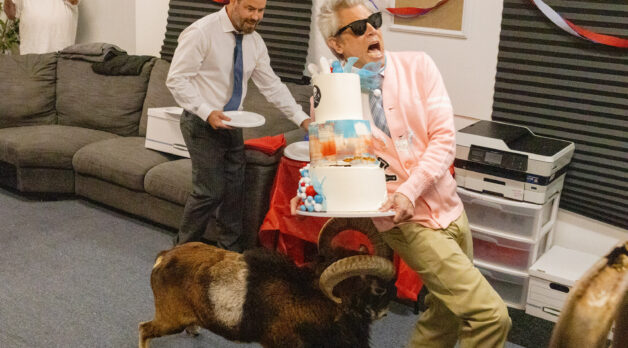
Despite these corporate constraints, the core collaborative dynamic between Tremaine and Knoxville remained the primary engine of the franchise. Operating as a decentralized editorial room, Tremaine functioned as a curator of human behavior, positioning comedic performers like Chris Pontius adjacent to high-risk scenarios to elevate unscripted reactions. The rigorous physical toll on the cast culminated in severe injuries, most notably during the production of Jackass Forever, when Knoxville sustained broken ribs and a concussion following a high-impact collision with a charging bull—a sequence that required a second take after the initial footage failed to meet safety and visual thresholds.
Critical Reassessment and the Institutional Embrace
For the majority of its theatrical run, the Jackass franchise was dismissed by mainstream critics as lowbrow, offensive, and devoid of artistic merit. However, a significant critical reappraisal emerged around the release of Jackass 3D, highlighted by a retrospective screening series at New York’s Museum of Modern Art (MoMA) in 2010. Cultural critics began to analyze the films through the lens of performance art, post-modern slapstick, and sociological anthropology.
Academic and journalistic analyses frequently highlight the implicit subtext of the franchise: an aggressive rejection of homophobia paired with an affectionate, emotionally transparent celebration of homosocial bonding. Unlike traditional cinematic representations of masculinity centered on stoicism and dominance, the Jackass ensemble openly displayed vulnerability, mutual care, and physical affection following episodes of extreme self-deprecation.
Tremaine has frequently expressed ambivalence regarding this intellectualized reception, maintaining that the creative intent remains rooted in surface-level visual humor rather than high art. Yet, the critical consensus continued to shift positively, culminating in widespread critical acclaim for Jackass Forever in 2022, which holds an 86% approval rating on review aggregator Rotten Tomatoes—an unprecedented trajectory for an endurance-based comedy franchise.
Broader Impact and Industry Implications
The commercial footprint of the Jackass franchise extends far beyond its direct theatrical releases, having spawned multiple spin-offs—including Wildboyz, Viva La Bam, and Bad Grandpa, the latter of which earned an Academy Award nomination for Best Makeup and Hairstyling. The brand fundamentally reshaped the landscape of unscripted television, laying the structural groundwork for generations of online content creators, viral video platforms, and modern stunt-comedy troupes.
Furthermore, Tremaine’s commercial viability expanded into unexpected corporate spaces, most notably his direction of a high-profile, stylistically polished safety video for American Airlines. By translating the visual fluidity and rhythmic timing of his cinematic work into a corporate instructional format, Tremaine demonstrated a technical versatility that belied his outsider origins in skate journalism.
As Jackass: Best and Last closes the book on the primary narrative timeline of the franchise, the cultural legacy of Tremaine’s direction remains secure. By balancing spontaneous anarchy with meticulous structural curation, he transformed a collection of underground stunts into a durable, emotionally resonant cinematic study of male friendship, proving that profound artistic resonance can occasionally emerge from the most deliberately sophomoric foundations.