


The physical toll of digital creation often goes unseen, but for technical artist and digital creator Danielle Udogaranya—widely known as Ebonix—the release of the life-simulation game Paralives into early access brought immediate hand strain at the mere prospect of designing new Black hairstyles. This hesitation did not stem from a lack of passion or willingness to contribute; Udogaranya has spent more than a decade developing custom content for life-simulation titles with the overarching mission of ensuring that underrepresented communities can see themselves reflected on digital screens. Instead, her weariness was rooted in the grueling, meticulous process required to craft realistic digital coils, braids, and kinks, which demands painstaking hours and extreme technical precision.
The underlying demand for custom content in the life-sim genre highlights a persistent industry shortcoming: natural Black hairstyles have experienced severe historical underrepresentation, while the foundational technology used to render textured hair has been exceptionally slow to evolve. For decades, the gaming industry has treated Black hair as an afterthought, relying on outdated coding paradigms built exclusively for straight hair strands. This technological limitation has left millions of players searching for authentic self-expression within virtual worlds, prompting independent creators to bridge the massive gap left by major game studios.
The Technological Root of the Problem
The core obstacle in rendering Black hair within 3D environments lies in the math and code governing strand behavior. Historically, game engines and 3D modeling tools have been optimized for straight or slightly wavy hair, which naturally tapers at the ends and allows for straightforward geometric manipulation. When developers attempt to apply traditional straight-hair rendering logic to Afro-textured hair, the results are frequently distorted, often described by digital artists as resembling cylindrical, immovable tubes.
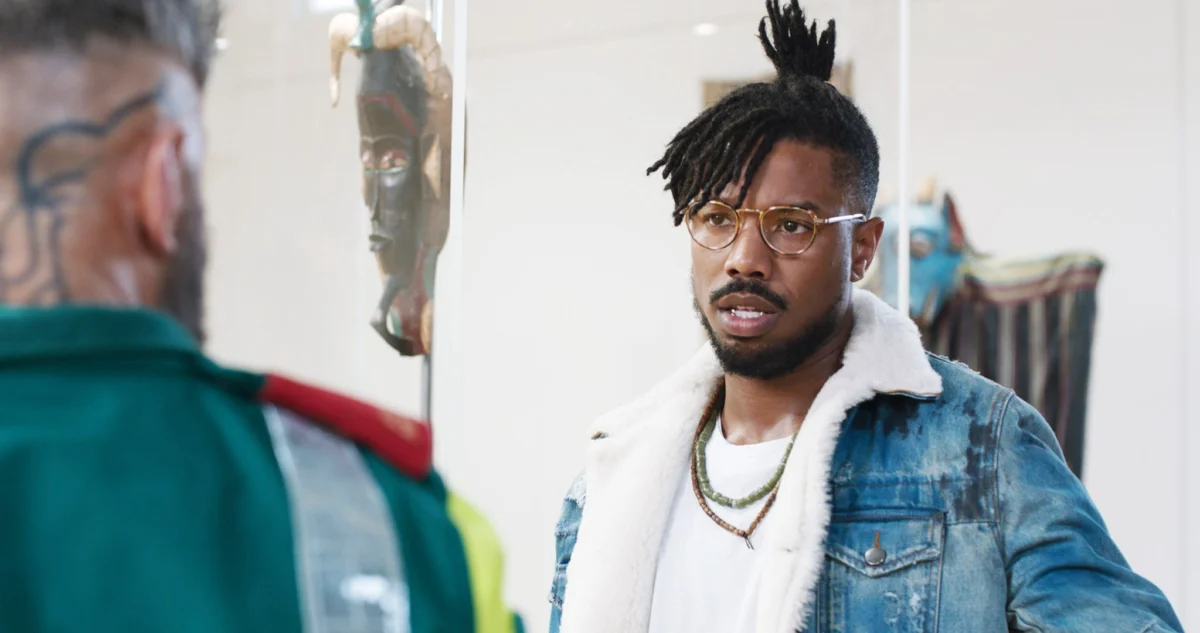
This technical bottleneck popularized the ubiquitous "Killmonger locs"—inspired by Michael B. Jordan’s character in Marvel’s Black Panther—which became a lazy default across numerous modern franchises, including Tekken 8, Spider-Man 2, Apex Legends, and Horizon Zero Dawn. Because these stiff, short-dreaded styles are mathematically simpler to code than intricate coils or protective styles, studios frequently utilized them as a catch-all solution to meet diversity quotas without investing in proper hair simulation physics. Consequently, players have had to choose from an extremely limited selection of authentic styles, severely restricting personal identity exploration within virtual spaces.
A Chronological Overview of Representation
The marginalization of Black hair in video games spans the entire history of the medium, evolving alongside technological advancements from 2D sprites to complex 3D environments:
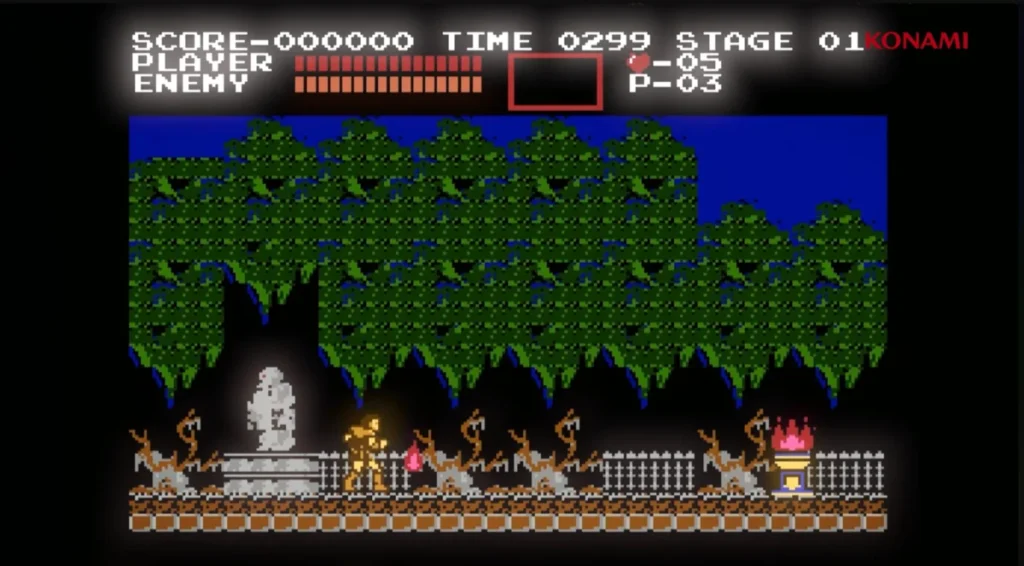
- 1976 (The 8-bit Era): Early titles such as SEGA’s Heavyweight Champ featured rudimentary character models where early depictions of Black hair frequently leaned into minstrel-like caricatures rather than accurate styling.
- The 1980s and 1990s (The Arcade and Fighting Game Boom): As character rosters expanded in competitive fighting games like Street Fighter, Black character selection remained severely restricted—often limited to a single token option out of dozens—with hair rendering bound to flat, static textures.
- 2000 (The Dawn of Modern Life-Sims): The release of The Sims introduced basic character customization, tying hair swatches rigidly to specific facial presets. While the game provided three foundational skin-tone choices, natural hairstyle options were virtually nonexistent without third-party modifications.
- The 2010s (The 3D Animation Expansion): Despite massive leaps in 3D fidelity and customizability across the gaming landscape, Black hairstyles continued to be constrained to a handful of static color swatches with little to no physical movement or dynamic response.
- 2023–Present (Industry-Wide Initiatives): Grassroots campaigns, industry advocacy, and specialized tools begin to challenge the status quo, led by initiatives like Dove and the Open Source Afro Hair Library’s "Code My Crown" guide, alongside independent technological breakthroughs.
Grassroots Advocacy and Industry Response
As frustration mounted over the slow pace of official studio adoption, community members and advocacy groups began creating their own resources to combat the systemic exclusion of textured hair. In 2023, Dove collaborated with the Open Source Afro Hair Library to launch "Code My Crown," heralded as the world’s first complete and free guide dedicated to coding textured hair and protective styles within video games.
Concurrently, major commercial franchises began taking incremental steps to address the disparity. The Sims 4, historically reliant on paid expansion and stuff packs priced between $10 and $40 to introduce diverse hair assets, has increasingly integrated free downloadable content (DLC) featuring natural hairstyles and size-inclusive options. However, these official inclusions often lag far behind player demand, leaving community creators to shoulder the heavy burden of asset creation.
Udogaranya’s extensive portfolio reflects this reliance on community labor. Her Patreon community has amassed over 115,000 active members, downloading hundreds of free and paid content items inspired by real-world Black hairstyles unavailable in base games. Beyond independent content creation, Udogaranya’s expertise has been formally sought out by major studios, leading to consulting roles on prominent titles such as The Sims 4, Life by You, and Love Island: The Game.
Engineering a Solution: The Loc & Kinky Strand Generator
Determined to eliminate the arduous manual labor required to sculpt textured hair strand by strand, Udogaranya dove into academic research to find a technical solution. Her research led her to a 2024 scholarly paper titled Curly-Cue: Geometric Methods for Highly Coiled Hair, which outlined advanced geometric coding techniques designed to drastically improve the visual fidelity and movement of coiled hair in 3D animation environments.
Leveraging the insights from this academic research, Udogaranya coded a specialized plug-in for Blender, the widely used, open-source 3D creation suite. The resulting innovation—dubbed the Loc & Kinky Strand Generator Tool—fundamentally transforms how digital artists approach Afro-textured hair design.
Rather than spending weeks manually plotting individual coils and kinks, creators utilizing Udogaranya’s tool can achieve realistic results in under an hour. Through an intuitive interface, users can seamlessly transition between curls, coils, and locs with just a few clicks. To streamline the process without sacrificing artistic integrity, Udogaranya trained a localized artificial intelligence model to automate repetitive mechanical tasks and fine-tune the underlying code. Crucially, the tool does not rely on generative AI prompt text; artists maintain full creative control, manually drawing strands that instantly adopt authentic textural modifiers the moment they are applied.
Broader Economic and Cultural Implications
The implications of Udogaranya’s development extend far beyond the immediate efficiency gains for independent content creators. By drastically lowering the technical and temporal barriers associated with rendering Black hair, the Loc & Kinky Strand Generator has the potential to reshape development pipelines across the entire gaming industry, from indie developers to AAA studios.
Currently undergoing closed beta testing, the tool has garnered overwhelmingly positive feedback from early testers, and key elements of the software are patent-pending. Recognizing the widespread commercial potential, Udogaranya plans to scale the Blender add-on into an independent, licensable application. Interest has already poured in from developers working across diverse platforms, including Paralives, Roblox, and Second Life, alongside inquiries from major enterprise-level studios seeking to integrate the technology into upcoming commercial titles.
For Udogaranya, the ultimate goal of the project transcends software efficiency; it is about restoring a fundamental human right within digital spaces: the ability to see oneself accurately and authentically represented. The absence of proper digital tools has historically placed artificial limitations on personal identity exploration, self-love, and self-worth for marginalized players. By streamlining the creation of textured hair, this technological advancement moves the gaming industry closer to a standard where basic identity markers are universally accessible to all players, regardless of their cultural background.