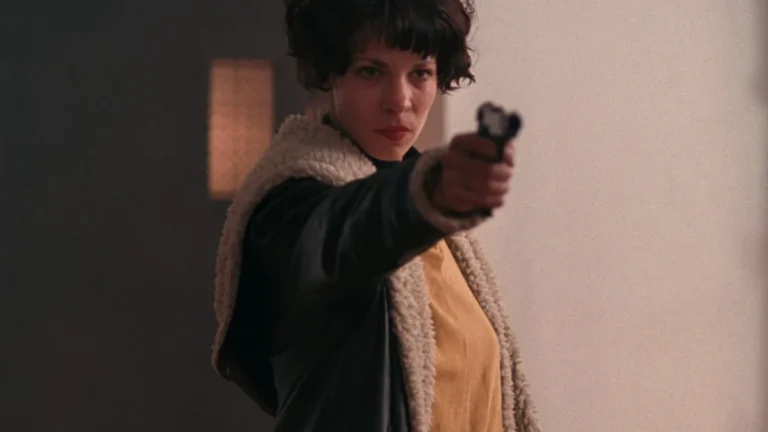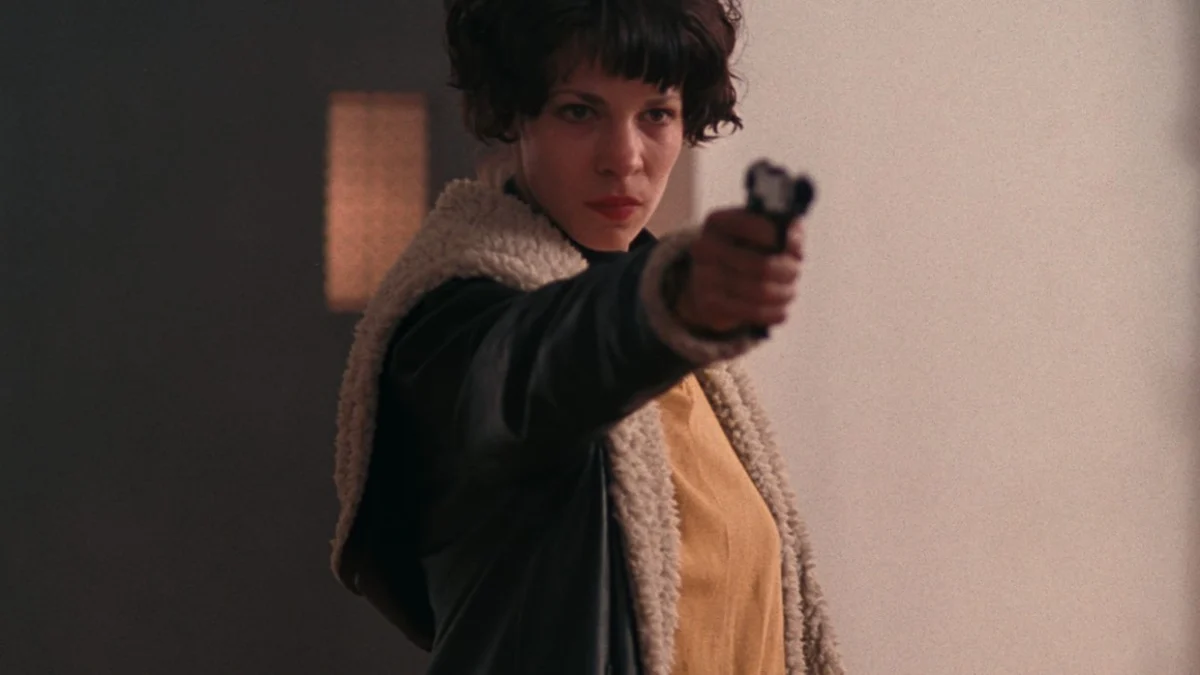
The cinematic landscape of the 1990s was defined by a surge in independent filmmaking that sought to challenge mainstream narratives through gritty realism and unconventional protagonists. At the forefront of this movement was Mary Harron’s 1996 debut feature, a biographical drama that delved into the fractured psyche of Valerie Solanas and her tumultuous relationship with the pop art icon Andy Warhol. Nearly three decades after its initial release, the film has undergone a comprehensive 4K restoration, inviting a new generation of viewers to examine the intersection of radical feminism, art-world elitism, and the cult of celebrity. This restoration, supervised by the film’s original cinematographer Ellen Kuras, highlights the deliberate aesthetic choices that captured the "gritty but beautiful" atmosphere of 1960s New York.
Historical Foundations and the Rise of Valerie Solanas
To understand the weight of Harron’s film, one must look at the historical reality of its subject. Valerie Solanas was a writer and radical feminist whose life was defined by extreme marginalization. In 1967, she self-published the SCUM Manifesto, an incendiary document that called for the elimination of the male sex and the overthrow of the government. While initially dismissed as the ramblings of a "weirdo outlier," the text eventually became a cornerstone of radical feminist theory, though its intent—whether satirical, literal, or a manifestation of mental illness—remains a subject of intense academic debate.
The pivotal moment in Solanas’s life occurred on June 3, 1968. After a period of increasing paranoia regarding Andy Warhol’s control over her creative work—specifically her play, Up Your Ass—Solanas entered the Factory, Warhol’s famed studio. She shot Warhol three times, critically wounding him. The event fundamentally changed the trajectory of Warhol’s life, leading to a lifelong fear of hospitals and a shift in his social circles, while Solanas was diagnosed with paranoid schizophrenia and sentenced to three years in prison. Harron’s film avoids the sensationalism typical of true-crime biopics, choosing instead to present Solanas as a complex, ironical, and deeply frustrated intellectual.
The Production and 1990s Indie Context
The development of the film in the early 1990s mirrored the "outsider" status of its protagonist. Mary Harron, then a researcher and documentary filmmaker for the BBC, spent five years bringing the project to fruition. The production was a hallmark of the New York independent film scene, involving key figures such as producers Christine Vachon and Tom Kalin of Killer Films. At a time when the film industry was largely dominated by male perspectives, Harron had to navigate a landscape that was often resistant to explicitly feminist subjects.
The film’s aesthetic was heavily influenced by the poetic naturalism of the era, specifically drawing inspiration from Larry Clark’s Kids (1995). Harron and Kuras utilized available light and documentary-style shooting to recreate the 1960s without the glossy sheen often associated with period pieces. For the hotel sequences, they drew from the photography of Diane Arbus, utilizing negative space and stark, minimalist compositions to convey Solanas’s isolation. This commitment to "available reality" ensured that the film felt like a living document rather than a staged reconstruction.
A Chronology of the Solanas-Warhol Conflict
The narrative of the film and the historical record follow a specific timeline of escalation that Harron meticulously reconstructed:
- 1966: Valerie Solanas arrives in New York City, supporting herself through panhandling and sex work while writing her manifesto.
- 1967: Solanas meets Andy Warhol outside the Factory. She gives him a copy of her play, Up Your Ass, hoping he will produce it. Warhol, finding the script "too obscene," misplaces it.
- Late 1967: Solanas signs a contract with Maurice Girodias of Olympia Press. She later becomes convinced that Girodias and Warhol are conspiring to steal her work.
- June 3, 1968: Solanas shoots Warhol, as well as art critic Mario Amaya, and attempts to shoot Warhol’s manager, Fred Hughes.
- 1968–1971: Solanas undergoes psychiatric evaluation and serves her prison sentence. During this time, the SCUM Manifesto gains notoriety within radical circles.
- 1988: Valerie Solanas dies of emphysema and pneumonia in a welfare hotel in San Francisco, largely forgotten by the public.
Technical Restoration and Visual Re-evaluation
The recent 4K restoration has allowed for a technical re-examination of Ellen Kuras’s cinematography. Harron noted in recent interviews that watching the film without sound during the playback process revealed the depth of the lighting design. The restoration preserves the naturalistic colors of the "dream world" that was the Factory while maintaining the "grunginess" of the New York streets.
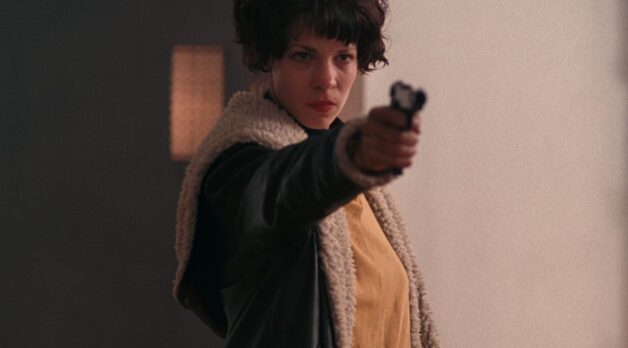
The use of different film formats—including Super 8 and 16mm—was a deliberate choice to reflect the media-saturated environment of the 1960s. The restoration ensures that these textural differences are sharp and intentional, emphasizing the "essayistic" nature of Harron’s directing style. By avoiding the conventions of dramatic biopics and instead looking at magazines, documentary footage, and real-life sources from the period, the production team created a world that feels authentic to the specific socio-political climate of the late 1960s.
Soundtrack and Cultural Atmosphere
A significant element of the film’s identity is its soundtrack, which captures the spirit of both the 1960s and the 1990s indie scene. When Lou Reed famously denied Harron permission to use Velvet Underground songs—reportedly due to his loyalty to Warhol—Harron enlisted John Cale, a founding member of the band, to compose the score. This resulted in a musical landscape that was both avant-garde and deeply rooted in the period’s history.
The film also features contributions from 90s indie stalwarts like Yo La Tengo and Pavement, creating a cross-generational dialogue. This musical choice reinforced the film’s position as a product of the 1990s "New Queer Cinema" and independent movement, even as it portrayed the 1960s. The inclusion of Stephen Dorff as the iconic trans superstar Candy Darling further bridged the gap between historical recreation and contemporary performance art.
Analysis of Implications: Feminism and the "Backlash"
The re-release of the film occurs in a vastly different political climate than its 1996 debut. Harron has observed that the mid-90s were characterized by what author Susan Faludi termed the "backlash"—a conservative reaction against the gains of the feminist movement. In that era, the label "feminist" was often avoided or treated with suspicion.
Today, the discourse surrounding "feminist rage" has moved into the mainstream, yet it faces a new, digitized form of backlash. The film’s exploration of Solanas’s anger resonates with modern debates regarding the forms that political dissent is allowed to take. Furthermore, the film addresses the "gendered economy" of the Factory—a space where women like Edie Sedgwick were often celebrated as muses and then discarded when they became "difficult." Harron’s portrayal of Warhol as a fragile yet elusive figure highlights the power dynamics of an art world that extracted labor and identity from marginalized individuals.
Broader Impact and Modern Interpretations
In the decades since the film’s release, the SCUM Manifesto has been reclaimed by various groups. While Harron initially viewed the text as a darkly comic piece of writing, its status has shifted toward that of a "classic" radical text. The film’s ending—which notes the manifesto’s enduring legacy—has become more accurate over time as the document continues to be republished and debated in academic and activist circles.
The rise of internet culture has also changed how figures like Solanas are perceived. Harron suggests that in the age of social media, an outsider like Solanas might have found an audience more easily, circumventing the gatekeepers of the 1960s art world. However, the film remains a cautionary tale about the intersection of mental instability, systemic neglect, and the desperate desire for creative recognition.
The 4K restoration of I Shot Andy Warhol serves as more than a nostalgic look at 90s indie cinema; it is a rigorous examination of a woman who refused to be ignored in a society designed to silence her. By presenting Valerie Solanas not as a hero or a villain, but as a brilliant, flawed, and deeply wounded human being, Mary Harron created a work that continues to provoke thought and challenge the narratives of both art history and feminist theory. As the film returns to screens, its naturalistic grit and provocative themes remain as vital and "alive" as they were thirty years ago.