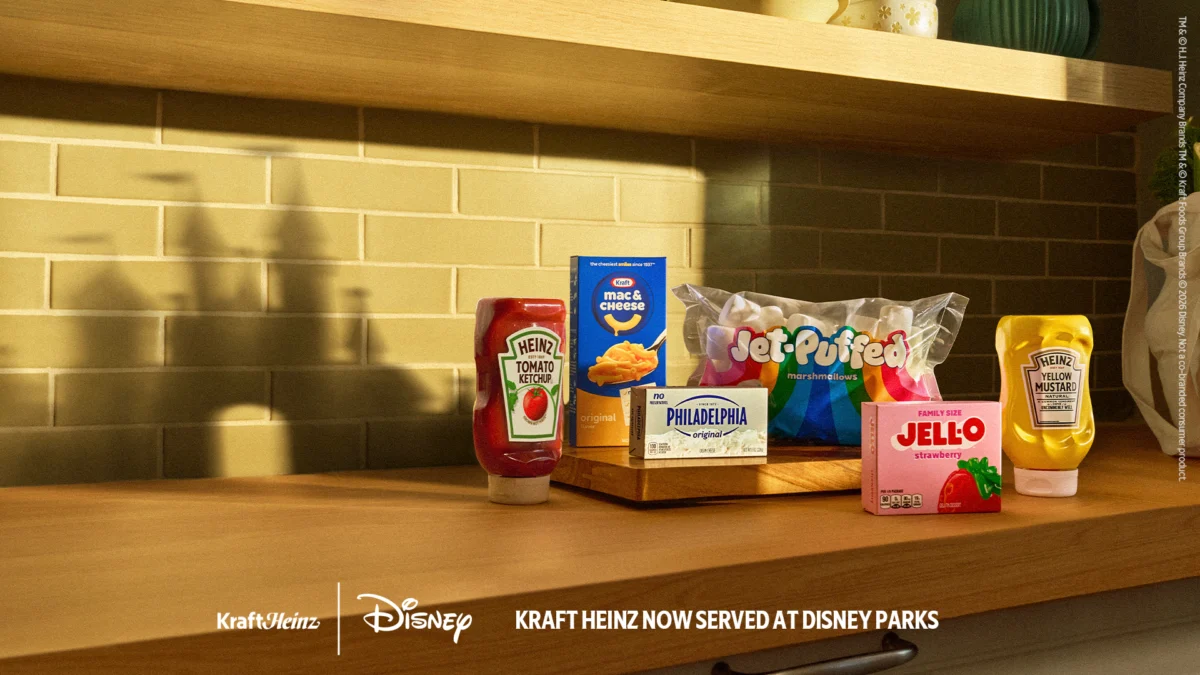
In a landmark corporate collaboration, The Walt Disney Company and Kraft Heinz have formally announced a multi-year strategic alliance that transcends traditional brand partnerships, aiming for deeply integrated experiences across Disney’s vast entertainment ecosystem. This wide-ranging deal is set to infuse Kraft Heinz’s iconic food brands into Disney’s film and television content, its globally renowned theme parks, and its burgeoning cruise line operations, marking a significant evolution in how major corporations leverage synergistic marketing. While specific financial terms of the agreement remain undisclosed, the sheer scope of the partnership underscores its substantial value and strategic importance for both multinational giants.
The alliance encompasses ten prominent Kraft Heinz brands, including household staples such as Heinz (globally recognized for its ketchup), Philadelphia (a leading cream cheese brand), and the ubiquitous Kraft Mac & Cheese. These brands are slated for prime placement and integration within two of Disney’s most visited destinations: Walt Disney World Resort in Orlando, Florida, and Disneyland Resort in Anaheim, California. Furthermore, the partnership extends to Disney cruises departing from North American ports, ensuring a consistent brand presence across multiple consumer touchpoints within the Disney experience.
Unprecedented Integration Across Disney’s Ecosystem
The experiential dimension of this strategic alliance promises to transform culinary offerings and convenience for Disney guests. New menu items featuring Kraft Heinz products are anticipated, offering innovative twists on classic dishes and introducing novel culinary experiences. Complementing this, new condiment stations will be strategically placed throughout the parks, making Kraft Heinz staples readily accessible to millions of visitors annually. Adding a unique interactive element, Kraft Heinz will also command a significant presence at D23, Disney’s official fan club convention held this summer, where attendees can expect to sample sauces from the company’s extensive "sauce vault," offering a taste of their heritage and innovation.
Beyond the physical spaces, the partnership extends into the dynamic realm of media. Envisioning a future where Kraft Heinz brands are organically woven into Disney’s rich tapestry of storytelling, this deal paves the way for integration into feature films, television shows, and event coverage. Todd Kaplan, the Chief Marketing Officer of Kraft Heinz North America, highlighted this aspect in an interview with The Hollywood Reporter, drawing a parallel to the prominent role Mercedes-Benz played in the film Devil Wears Prada 2. This suggests a move beyond mere product placement, aiming for more narrative-driven and contextually relevant brand appearances. A particularly high-profile media activation is anticipated for next year’s Super Bowl broadcast on ESPN, where ad space commands a premium, signalling Kraft Heinz’s intent to leverage Disney’s unparalleled reach in major sporting events.
Kaplan articulated the core philosophy behind the alliance, stating, "From going to the movies and watching a TV show to going to a theme park, it’s all about bringing people together around these shared passion points and fandom for some of these properties that I know Disney has across their vast portfolio, and it’s also what our 100-year-old plus brands have also already done." He further emphasized the goal of showing up in "mealtime moments that matter most to consumers," whether at a park, on a cruise ship, or even at home while watching Disney content. This holistic approach aims to meet fans "where they are" in "fully integrated ways."
Strategic Rationale and Shared Values
The longevity of the multi-year deal provides both companies ample runway to meticulously plan and execute collaborations, aligning with upcoming product launches, film releases, television series, and other strategic initiatives. Kraft Heinz, with its diverse portfolio, ranks among the largest marketers in the U.S., possessing extensive experience in engaging consumers across various platforms. Kaplan underscored the commitment to "fully integrate our efforts" across Disney’s "whole ecosystem of entertainment platforms and properties," expressing excitement about the opportunity to "create new opportunities and unlock new value for both of our organizations."
Becca Vodnoy, Senior Vice President of Corporate Alliances at The Walt Disney Co., echoed this sentiment, emphasizing Disney Corporate Alliances’ focus on partnering with "iconic brands with shared values to create meaningful experiences that bring families closer to the stories and places they love." She lauded Kraft Heinz as a partner that "understands how families connect through everyday moments," affirming a shared vision to "build creative experiences for our consumers across our destinations, platforms, and fan touchpoints."
At its heart, the partnership seeks to merge two entities deeply woven into the fabric of American family life. Kaplan eloquently captured this synergy: "Why we’re doing it is, Disney and Kraft Heinz share something really rare: For generations families have grown up with both of our companies and our brands, whether it’s watching your favorite Disney movie, whether it’s with Kraft Mac and Cheese, whether it’s reaching for Heinz at the dinner table, our brands are really woven into everyday family traditions." He stressed that the alliance is not about creating an "artificial connection" but rather "building upon the memory structure that consumers already have of both of our brands, and bringing these moments to life in new ways." This sentiment highlights a crucial aspect of modern brand marketing: leveraging existing emotional connections for authentic engagement.
Historical Context and Evolution of Brand Partnerships
The concept of brand integration and corporate alliances is not new, but this Disney-Kraft Heinz deal represents a significant evolution. Historically, product placement involved a passive appearance of a brand within a film or show. Over time, this evolved into more active sponsorships and co-marketing campaigns. However, the current trend, exemplified by this alliance, moves towards deep, multi-faceted integration across an entire ecosystem.
Disney, with its vast media and entertainment empire, has long been a pioneer in brand extensions and partnerships. From its early licensing deals for character merchandise to large-scale corporate sponsorships at its theme parks, the company has consistently sought to enhance guest experiences and monetize its intellectual property. Previous alliances have ranged from automotive brands sponsoring attractions to beverage companies being the exclusive providers in parks. This deal with Kraft Heinz, however, appears to be broader in its scope, encompassing both physical presence and narrative integration across diverse platforms.
For Kraft Heinz, a company with a rich history spanning over a century, the challenge in a rapidly evolving consumer landscape is to maintain relevance and appeal to new generations while retaining the loyalty of existing customers. The food industry faces intense competition and shifting consumer preferences, making innovative marketing strategies crucial. Leveraging the emotional resonance and unparalleled reach of Disney offers a potent avenue to connect with families in meaningful, memorable ways, potentially revitalizing brand perception and driving sales.
Projected Rollout and Potential Activations
While the multi-year nature of the deal allows for flexibility, initial activations are expected to roll out swiftly. The presence at D23, Disney’s major fan event, serves as an immediate, high-impact launchpad for the experiential aspects. Following this, the introduction of new menu items and condiment stations across Walt Disney World, Disneyland, and Disney Cruise Line ships will begin to materialize. These initial phases are crucial for establishing the visible presence of Kraft Heinz brands within Disney’s physical destinations.
The media integration aspect is likely to follow a more phased approach, given the production cycles for films and television shows. Industry observers anticipate a spectrum of integrations:
- Subtle Placements: Background appearances of Kraft Heinz products in everyday scenes within Disney+ series or animated films.
- Character Interactions: Characters interacting with or consuming Kraft Heinz products as part of a storyline, adding a layer of authenticity.
- Co-created Content: Development of short-form branded content, potentially animated shorts featuring Disney characters alongside Kraft Heinz products, or recipe segments linked to Disney themes.
- Event Sponsorships: High-profile sponsorships of major Disney-owned media events, such as the aforementioned Super Bowl broadcast on ESPN, or segments within awards shows or seasonal specials.
- Digital and Social Media: Extensive cross-promotion across both companies’ digital and social media channels, engaging consumers with interactive campaigns, contests, and exclusive content.
The discussions between Kraft Heinz and Disney regarding "what each company has coming down the pipe" suggest a dynamic, collaborative process aimed at identifying optimal integration opportunities that feel organic and enhance the consumer experience rather than disrupting it.
Economic and Market Implications
The financial implications of a deal of this magnitude, even with undisclosed terms, are undoubtedly substantial. For Kraft Heinz, aligning with Disney provides access to an unparalleled global audience. Disney’s theme parks alone attract tens of millions of visitors annually (Magic Kingdom at Walt Disney World, for example, saw over 20 million visitors pre-pandemic), while its streaming services like Disney+ boast hundreds of millions of subscribers worldwide. The media reach of Disney’s television networks, including ABC and ESPN, and its film studio, provides a massive platform for brand visibility. This exposure translates into potentially significant increases in brand awareness, consideration, and ultimately, sales.
For Disney, such an alliance generates substantial revenue through partnership fees and shared marketing investments. Furthermore, it enhances the guest experience by offering familiar, high-quality food options and potentially innovative culinary offerings. Strategic alliances are a critical component of Disney’s diversified revenue streams, contributing to the overall financial health and ability to invest in new attractions, content, and technologies.
From an advertising and marketing industry perspective, this deal is likely to be viewed as a benchmark for integrated marketing. It moves beyond traditional media buys and transactional sponsorships, striving for an immersive brand presence that taps into consumer emotions and experiences. Marketing strategists will analyze how effectively this partnership creates "shared value" and whether it truly resonates with consumers, offering a model for future collaborations between entertainment and consumer goods giants.
Stakeholder Reactions and Future Outlook
While official statements have been overwhelmingly positive from both companies, reactions from other stakeholders are varied. Industry analysts are likely to laud the strategic foresight of both companies, particularly in an era where consumers demand more authentic and integrated brand experiences. They might point to the potential for significant return on investment through enhanced brand equity and increased market share for Kraft Heinz, and diversified revenue streams and enriched guest experiences for Disney.
For consumers, the alliance promises added convenience and familiar comforts within Disney’s immersive environments. The availability of beloved brands like Heinz Ketchup or Kraft Mac & Cheese can enhance the sense of home and familiarity, particularly for families traveling with children. However, some consumer advocacy groups or purists might raise questions about the increasing commercialization of entertainment spaces, though Disney has a long history of carefully curating its brand partnerships to align with its family-friendly image.
Competitors in both the food and entertainment sectors will undoubtedly be watching this partnership closely. For food companies, it may prompt a re-evaluation of their own marketing strategies and a search for similar deep integrations with other major entertainment properties. For other entertainment companies, it could set a new standard for corporate alliances, pushing them to offer more comprehensive, multi-platform opportunities to brand partners.
In conclusion, the strategic alliance between The Walt Disney Company and Kraft Heinz is more than a simple marketing agreement; it represents a profound collaboration designed to weave two iconic entities deeper into the fabric of family life. By leveraging shared values, emotional connections, and vast ecosystems, both companies aim to create "meaningful experiences" that resonate across generations. As the partnership unfolds, it is poised to redefine the landscape of brand integration, setting a new precedent for how consumer products and entertainment can converge to unlock new value and engage audiences in unprecedented ways.