
The landscape of the annual media "upfronts"—the high-stakes presentations where television networks and streaming platforms pitch their upcoming programming to secure billions in advertising commitments—underwent a fundamental transformation during the second week of May 2026. While the week was traditionally reserved for the glitz of Hollywood’s elite and the high-octane thrill of live sports, the spotlight this year shifted toward a new class of media powerhouses: digital creators. From the stage of Lincoln Center to the boardrooms of major media conglomerates, the distinction between a "studio-led" production and "creator-led" content has reached a point of near-total obsolescence, reflecting a massive reallocation of capital within the global advertising market.
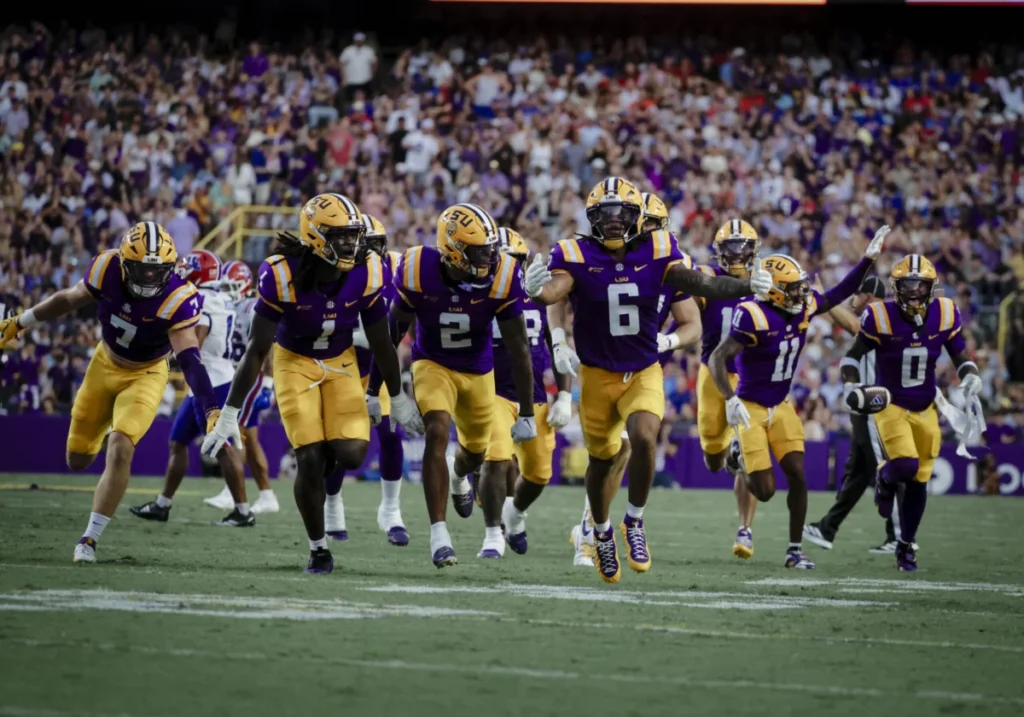
In 2025, advertiser spending on creator-based content reached an unprecedented $37 billion, according to a comprehensive report by the Interactive Advertising Bureau (IAB). That figure is projected to surge to $44 billion by the end of 2026. This rapid growth is not merely a byproduct of changing tastes but a strategic response to the shifting habits of a younger, more elusive demographic that prioritizes community and authenticity over traditional production values. As media companies pay record premiums for live sports rights, particularly for the NFL, they are increasingly turning to creators to provide the high-engagement, cost-effective inventory needed to balance their balance sheets.
The Evolution of the Upfronts: From Linear TV to the Creator Economy
Historically, the upfronts were a ritual of the broadcast era, designed to showcase a network’s "prime time" schedule. However, as the industry transitioned from linear television to streaming, the focus shifted toward "The Gauge," Nielsen’s monthly report on viewership shares. As of February 2026, YouTube solidified its position as the dominant force in the streaming landscape, accounting for 12.7% of total viewership—significantly outpacing Netflix, which held an 8.4% share. This data has forced traditional media companies to rethink their competitive strategies, moving away from viewing YouTube as a rival and instead embracing it as a vital component of their distribution ecosystems.
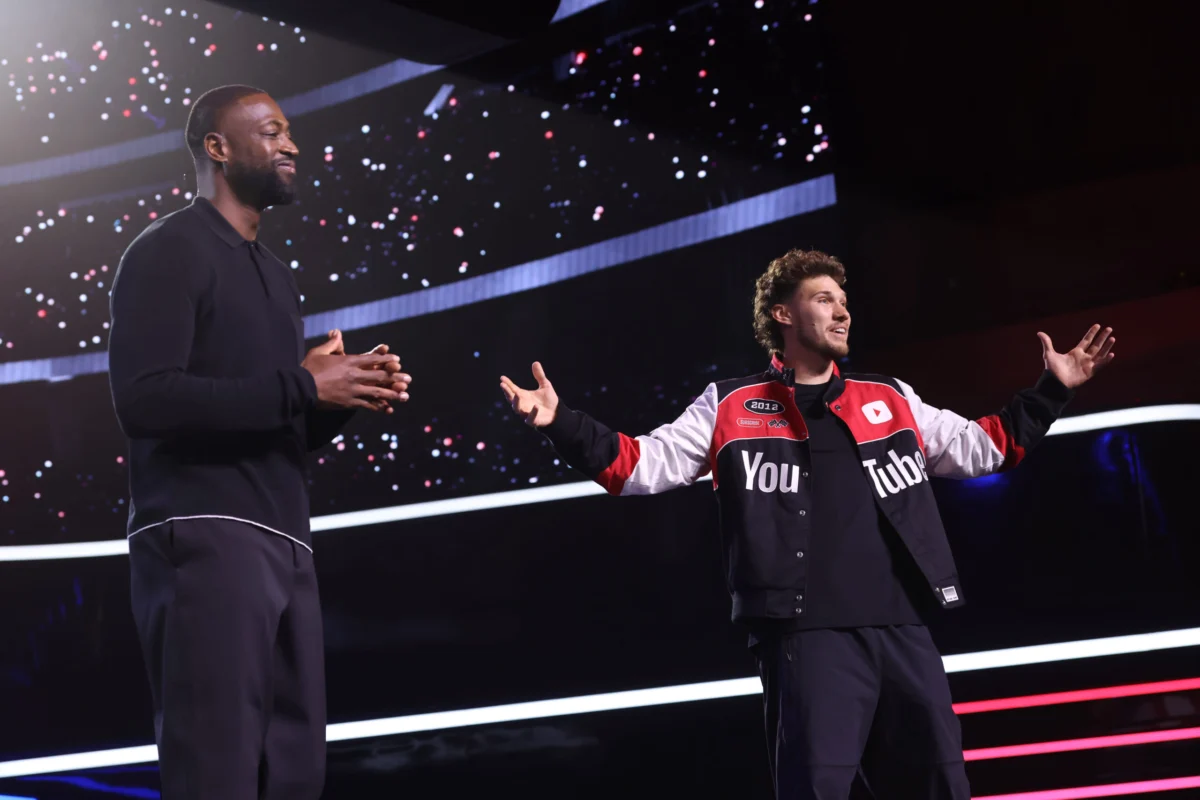
The 2026 Brandcast event, YouTube’s signature pitch to the advertising community, served as the centerpiece of this shift. Personalities such as Jesse "Jesser" Riedel, a prominent sports creator, shared the stage with NBA legend Dwyane Wade and comedian Trevor Noah. This blend of traditional celebrity and digital-native stardom underscored a core message: creators are the new tastemakers. Brian Albert, Managing Director of YouTube Solutions, emphasized that these individuals are no longer just making videos; they are building trust-based communities that offer advertisers a level of intimacy that traditional 30-second commercials struggle to replicate.
Economic Drivers and the Hunt for "Bang for Your Buck"
The pivot toward creator content is driven by a cold economic reality. While live events like the Super Bowl continue to command the highest ad rates in history, the cost of entry is prohibitive for many brands. Streaming-only ads and creator partnerships offer what industry executives describe as more "bang for their buck." This efficiency is particularly evident in the rise of exclusive video podcasts and specialized children’s programming. For instance, the massive success of "Ms. Rachel" has demonstrated that educational, creator-led content can achieve viewership numbers that rival major network sitcoms at a fraction of the production cost.
Julie Clark, Senior Vice President of Media and Entertainment at TransUnion and a veteran of the advertising industry, noted that the content landscape has undergone a dramatic structural change. "Where there used to be a distinct difference between studio-led content and creator content, it’s merging into a singular view," Clark stated. She pointed to the rise of long-form video podcasts and quick-hitting tutorials as evidence that the format of content is becoming secondary to its utility and engagement levels. This evolution is fundamentally changing how upfront deals are contemplated, negotiated, and ultimately activated.
Legacy Media’s Strategic Pivot: WBD, Fox, and Amazon
Traditional media giants are not standing idly by as digital platforms capture market share. Instead, they are integrating creator-led strategies into their legacy brands. Warner Bros. Discovery (WBD), which oversees iconic networks like The Food Network and HGTV, has been aggressively expanding its digital footprint. Karen Bronzo, Chief Global Marketing Officer for U.S. Networks and News at WBD, explained that the company is leveraging creators to expand the reach of its established IP.

During WBD’s 2026 presentation, the company announced that The Food Network’s lineup would increasingly feature YouTube-first originals. This includes a new series with chef Esther Choi, designed specifically for social media channels to capture younger viewers who may not have a cable subscription. Bronzo highlighted that creator-led content fosters a "one-to-one relationship" with the audience, a sentiment echoed by the success of the "Puppy Bowl," which has become a primary vehicle for influencer-driven marketing.
Similarly, Fox Corp. has leaned into the creator ecosystem through the launch of Fox Creator Studios. Focused initially on the food and lifestyle genres, the studio is led by established Fox talent like Gordon Ramsay, who now works alongside digital creators to develop "digital-first" formats. Fox’s free, ad-supported streaming service, Tubi, has become the primary laboratory for this experiment. By inking deals with YouTube personalities like Jesser to create exclusive series, Tubi is successfully migrating social media followings to its platform, particularly among Gen Z viewers.
The Podcast Revolution: Wondery and the 360-Degree Strategy
Amazon’s Prime Video and its podcast division, Wondery, have also become central players in the creator-led upfronts. The narrative around podcasting has shifted from a purely audio medium to a "360-degree" content strategy. Angie More, Head of Creator Advertising Partnerships at Amazon, noted that creators now demand the ability to reach their audiences across long-form video, short-form social clips, and traditional audio.
A landmark moment in this transition was the multiyear deal between Oprah Winfrey and Wondery. At the 2026 upfronts, Winfrey promoted "The Oprah Podcast," which is distributed as both an audio and video product. This deal includes the rights to her extensive library of past content, repositioning a traditional media icon as a modern, multi-platform creator. This strategy allows Amazon to offer advertisers a diverse range of touchpoints, from high-end video placements to intimate audio ads.
Timeline of Key 2026 Upfront Developments
The 2026 upfront season followed a tight chronology that signaled the industry’s new priorities:
- March 2026: Tubi hosts its own "Newfront" presentation, focusing exclusively on creator-led partnerships and the "Tubi for Creators" initiative, aimed at providing a pipeline from social media to Hollywood.
- May 11, 2026: Fox Corp. kicks off the main upfront week, featuring Gordon Ramsay and Tom Brady. The presentation highlights Fox Creator Studios as a bridge between linear television and digital talent.
- May 13, 2026: YouTube hosts "Brandcast" at Lincoln Center. The event focuses on the "trust economy" and the 12.7% viewership share held by the platform.
- May 13, 2026: Warner Bros. Discovery details its expansion into YouTube originals for The Food Network and social-first content for its news and sports divisions.
- May 15, 2026: Amazon concludes the week by showcasing the integration of Wondery’s video podcasts into the Prime Video interface, highlighting the Oprah Winfrey partnership.
Broader Impact and Industry Implications
The implications of this shift extend beyond mere advertising dollars. The democratization of content production means that the traditional "gatekeeper" model of Hollywood is being replaced by an "engagement" model. For media companies, this necessitates a move away from the high-risk, high-reward pilot season toward a more data-driven approach where talent is scouted based on existing digital metrics.
Furthermore, the rise of creator content is accelerating the adoption of ad-supported tiers on streaming services. As platforms like Netflix, Disney+, and Prime Video look to increase Average Revenue Per User (ARPU), creator-led content provides a steady stream of "snackable" videos that are ideal for ad insertion. This trend is likely to lead to further consolidation between social media platforms and traditional streamers, as the latter seek to acquire the talent and the tech stacks that power the creator economy.
For the advertising industry, the challenge remains one of measurement and attribution. While the IAB reports massive growth in spending, brands are still grappling with how to value the "trust" of a creator community compared to the broad reach of a traditional television spot. However, as the 2026 upfronts have demonstrated, the industry has reached a consensus: the creator is no longer an outlier in the media ecosystem—they are the new center of gravity.