


The directorial debut of Song Hyeon-bum, "The Robber," a compelling 88-minute Korean production, has garnered significant attention following its screening at the Bucheon International Fantastic Film Festival (BIFAN) in July 2026. Co-written by Song Hyeon-bum and Kang Da-yeon, and produced by the Korea National University of Arts School of Film, TV and Multimedia, the film is being distributed by M-line Distribution and presents a nuanced exploration of adolescent struggles intertwined with escalating criminal intrigue.
A Tale of Compulsive Urges and Unforeseen Consequences
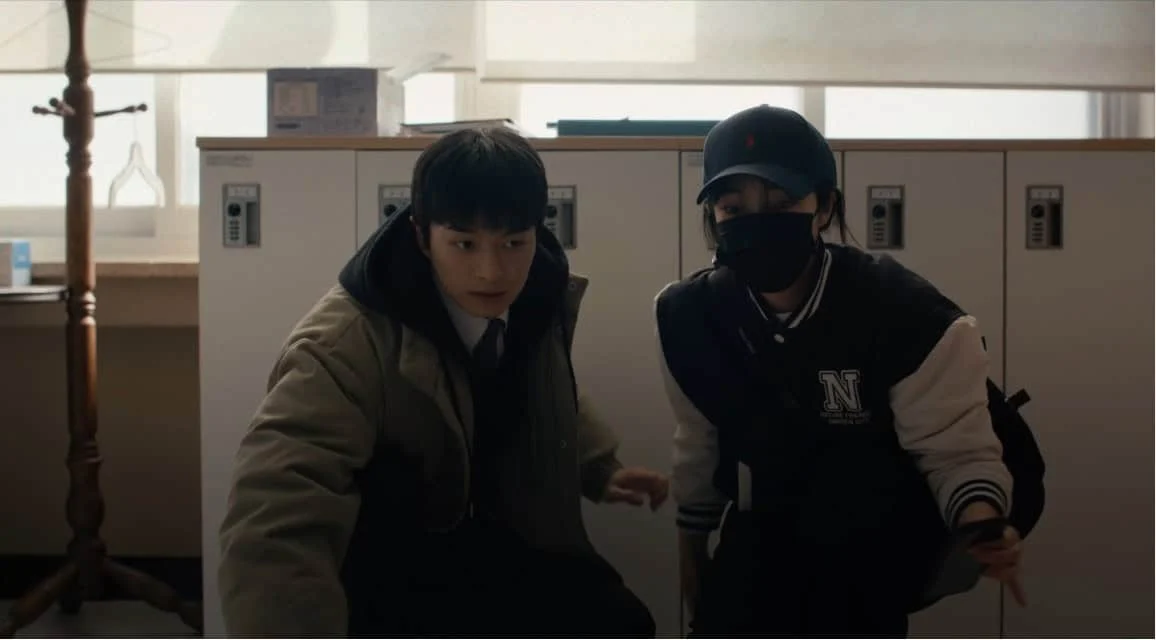
"The Robber" centers on Juho, a high school student grappling with kleptomania. Following an unspecified incident in Seoul, Juho relocates to a tranquil coastal town, harboring a fervent desire to complete his education without incident. However, his compulsion to steal proves relentless. The narrative takes a significant turn when Juho realizes that some of his own possessions have vanished, leading him to suspect the presence of another student with a similar affliction. His suspicion quickly falls upon Dohee, the impeccably behaved class president, who coincidentally shares Juho’s uncontrollable urge to steal. This shared secret fosters an unlikely bond, transforming them into friends and, subsequently, accomplices united by their mutual vulnerabilities.
The film further complicates this dynamic with the introduction of Min-jun, another top-performing student and academic rival to Dohee. Min-jun’s seemingly pristine image begins to unravel when Juho and Dohee’s petty thefts inadvertently lead them to uncover a sophisticated criminal operation orchestrated by Min-jun. This operation, which involves the illicit use of deepfake technology and blackmail, escalates the stakes dramatically. The teenagers’ seemingly innocuous acts of kleptomania propel them into a dangerous world far removed from their initial intentions, forcing them to confront the gravity of crimes with profound and far-reaching consequences.
Artistic Vision and Thematic Depth
The conceptual framework of "The Robber" has been lauded as exceptionally strong, a characteristic noted across several Korean features presented at BIFAN in 2026. The central premise—two high school students initially at odds due to their shared compulsion, who then form an alliance only to find themselves confronting a more sinister criminal element—provides a fertile ground for storytelling. Director Song Hyeon-bum’s execution of this concept is particularly praised for its ability to delve into significant social issues.
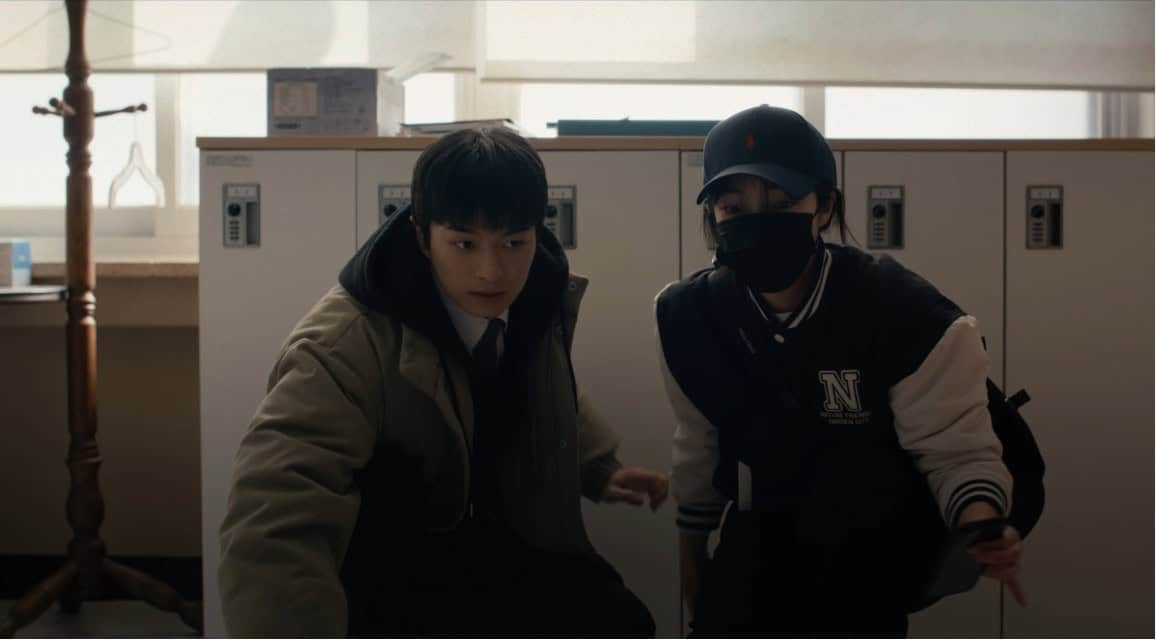
A key thematic element explored in the film is the origin of Juho and Dohee’s compulsive behaviors, which are subtly linked to their backgrounds, particularly the implied presence of fractured family structures. The pivotal moment in their relationship arrives when they candidly question each other: "Why do you steal?" This exchange is significant as it represents the first time either character has been asked to articulate the underlying reasons for their actions. The film highlights how their kleptomania is neither adequately addressed nor formally diagnosed; instead, it is simply categorized as criminal behavior. This societal framing, coupled with a pervasive sense of parental neglect or inadequacy that seems to characterize the generation of parents, adds a critical layer to the film’s social commentary.
The integration of Min-jun’s character and his involvement in deepfakes and blackmail further amplifies the film’s thematic concerns. This aspect of the narrative serves to underscore the insidious potential of artificial intelligence and social media platforms when weaponized for criminal enterprises, capable of devastating individuals’ lives. Song Hyeon-bum effectively portrays the school environment as a microcosm of intense competition and hidden dangers, a "dog-eat-dog" world where appearances can be profoundly deceptive. While the film’s plot points involving advanced technology might be considered speculative for a high school setting, they are presented as a reflection of contemporary anxieties and emerging real-world threats. The complicity, ignorance, or even active participation of adult figures within the narrative further accentuates these themes, underscoring the complex societal breakdown that can occur.
A Nuanced Blend of Genres and Performances
"The Robber" masterfully blends coming-of-age elements with romantic undertones, creating a narrative that resonates on multiple levels. The chemistry between the lead actors, Son Sang-yeon as Juho and Ji Hye-won as Dohee, is frequently cited as a highlight. Their evolving relationship and the dynamic shifts within it are considered among the film’s strongest assets. While the film’s conclusion, particularly a running sequence within the final act, is described as slightly overly sentimental or "cheesy" and somewhat protracted, it ultimately provides a satisfactory resolution to their character arcs. The very last scene is singled out for its brilliance, offering a powerful closing statement. The action sequences, though brief, are noted as having room for improvement in their execution but are deemed effective within the overall context of the story.
Cinematic Craftsmanship
The cinematography, helmed by Jung Da-bin, contributes significantly to the film’s atmosphere. Muted color palettes are employed to capture the various settings, while the night scenes are particularly striking. The visual representation of voyeuristic moments associated with the crimes is expertly handled, showcasing the quality of the framing and composition. Park Sang-eun’s editing ensures a dynamic pace that largely avoids dragging or rushing, allowing the narrative to unfold organically within the film’s 88-minute runtime. This pacing is crucial in balancing the film’s thematic explorations with its plot progression.
A Promising Debut and Future Outlook
Despite minor critiques regarding its ending, "The Robber" stands out as a highly competent directorial debut. Song Hyeon-bum has effectively leveraged an intriguing central idea to create a film that is both engaging and thought-provoking. The production’s success at BIFAN suggests a strong potential for broader recognition and critical acclaim. The film’s ability to address complex social issues through the lens of adolescent experiences, while also delivering a compelling thriller narrative, positions Song Hyeon-bum as a filmmaker poised to make a significant impact on the cinematic landscape in the coming years. The film’s exploration of digital crime and its impact on young lives, set against the backdrop of classic coming-of-age themes, offers a timely and relevant narrative for contemporary audiences. The festival circuit provides a crucial platform for such independent productions, allowing them to reach a wider audience and garner the attention necessary for further distribution and critical engagement. The success of films like "The Robber" at international festivals also contributes to the growing global reputation of Korean cinema, showcasing its diversity and willingness to tackle challenging subject matter. The film’s narrative arc, from personal struggles with compulsion to entanglement in a complex criminal conspiracy, mirrors the often-unpredictable trajectory of adolescence itself, making it a relatable and compelling watch. The integration of technological advancements into the plot, such as deepfakes, reflects a growing trend in cinema to explore the darker implications of our increasingly digitized world, especially as it intersects with the formative years of young individuals. The film’s success in balancing these elements suggests a maturity in storytelling that bodes well for Song Hyeon-bum’s future projects.