


Versant Media Group, the newly independent media conglomerate recently spun off from Comcast Corporation, reported its inaugural first-quarter financial results on Thursday, revealing a complex landscape of traditional media decline balanced by aggressive growth in digital licensing and platform services. The company, which began trading on the Nasdaq earlier this year under the ticker VSNT, saw its shares climb nearly 10% following the announcement, as investors reacted positively to a revenue beat that surpassed Wall Street expectations. Despite the overarching pressure of cord-cutting affecting its core linear television business, Versant’s strategic shift toward content licensing and specialized digital platforms appeared to provide a roadmap for its long-term viability as a standalone player in the competitive media ecosystem.
For the three-month period ended March 31, 2026, Versant reported total revenue of $1.69 billion. This figure represented a modest 1% decline compared to the same period in the previous year when the assets were still under the Comcast umbrella, but it notably exceeded the $1.62 billion consensus estimate compiled by analysts at LSEG. The company’s net income attributable to Versant stood at $286 million, or $1.99 per share, a 22% decrease from the prior year. Management attributed this decline to the structural costs of transitioning into a public company, including higher interest expenses related to the debt load assumed during the spin-off and the administrative overhead of independent operations.
The Path to Independence: A Chronology of the Spin-off
The first-quarter results mark a significant milestone in a corporate restructuring process that began in late 2024. In November of that year, Comcast announced its intention to spin off its cable network portfolio—including high-profile brands such as CNBC, MS NOW, the Golf Channel, USA Network, E!, Syfy, and Oxygen—into a separate, publicly traded entity. The move was widely viewed by industry analysts as a strategic effort by Comcast to insulate its high-growth connectivity and theme park businesses from the secular decline of the traditional pay TV bundle.
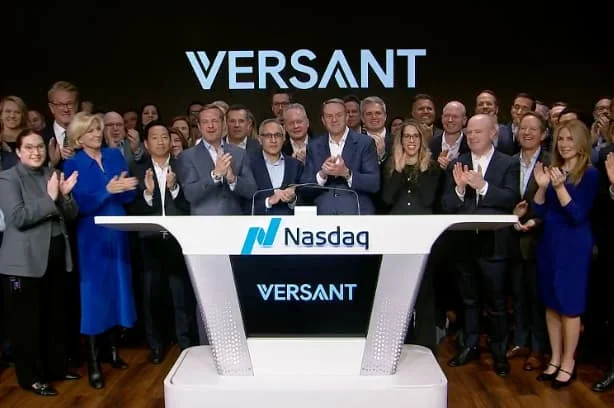
Following the announcement, the transition moved swiftly through regulatory approvals and internal restructuring. On January 5, 2026, Versant Media Group officially debuted on the Nasdaq. The separation was designed to allow Versant’s management team, led by CEO Mark Lazarus, the flexibility to pursue mergers, acquisitions, and digital strategies that might have been restricted under the broader Comcast corporate structure. The Q1 2026 report serves as the first comprehensive look at the company’s ability to manage its legacy cash-flow engines while building out its future-facing digital assets.
Linear Network Performance and the Realities of Cord-Cutting
The core of Versant’s business remains its portfolio of linear cable networks, which currently accounts for more than 80% of its total revenue. During the first quarter, linear distribution revenue—the fees paid by cable and satellite providers to carry Versant’s channels—fell by approximately 7% to $1.01 billion. The company noted that while it was able to secure rate increases during contract renewals, these gains were not enough to fully offset the continued decline in the overall number of pay TV subscribers across the United States.
Advertising revenue also saw a downturn, falling 5% to $368 million. However, executives pointed out that this represented a significant stabilization compared to the first quarter of 2025, which saw a much steeper 12% decline. The relative improvement in the advertising market was bolstered by the "must-watch" nature of Versant’s news and sports programming. CNBC and MS NOW both reported viewership increases during the quarter, benefiting from a high-intensity news cycle and volatile financial markets. Similarly, the Golf Channel and live sports broadcasts on USA Network remained key drivers of advertiser interest, as live events continue to be the primary reason many consumers maintain traditional cable subscriptions.
Digital Growth and the "Arms Dealer" Strategy in Licensing
While the linear side of the business faced headwinds, Versant’s content licensing division emerged as a standout performer. Revenue from content licensing skyrocketed by 113.5% to $121 million. This massive surge was primarily driven by a landmark deal with Disney’s Hulu for the exclusive streaming rights to the extensive library of "Keeping Up With the Kardashians" and its related spin-off content.
This licensing strategy reflects a broader trend in the media industry where companies are increasingly willing to sell their premium content to rival streaming platforms to maximize immediate revenue. By acting as an "arms dealer" in the streaming wars, Versant is leveraging its deep library of reality and entertainment programming to generate high-margin income that is not dependent on its own direct-to-consumer infrastructure. CEO Mark Lazarus emphasized that the company remains open to similar licensing opportunities in the future, provided they align with the long-term value of the intellectual property.
Platform Expansion: Fandango and GolfNow
Versant’s "Platforms" segment, which includes the movie-ticketing service Fandango, the tee-time booking platform GolfNow, and various burgeoning direct-to-consumer units, also showed healthy momentum. Revenue for this segment rose 9.5% to $192 million. This growth was characterized by CFO and COO Anand Kini as largely "organic," particularly within the niche markets served by GolfNow and Fandango.

GolfNow, in particular, has become a cornerstone of Versant’s digital strategy, integrating seamlessly with the Golf Channel’s broadcast audience to create a transactional ecosystem for golf enthusiasts. Fandango, meanwhile, benefited from a robust theatrical release schedule during the quarter, signaling a continued recovery for the cinema industry. The success of these platforms is central to Versant’s stated goal of diversifying its revenue streams. Currently, the company aims to eventually reach a 50/50 split between traditional pay TV revenue and digital, platform-based, and transactional income.
Strategic Outlook and M&A Potential
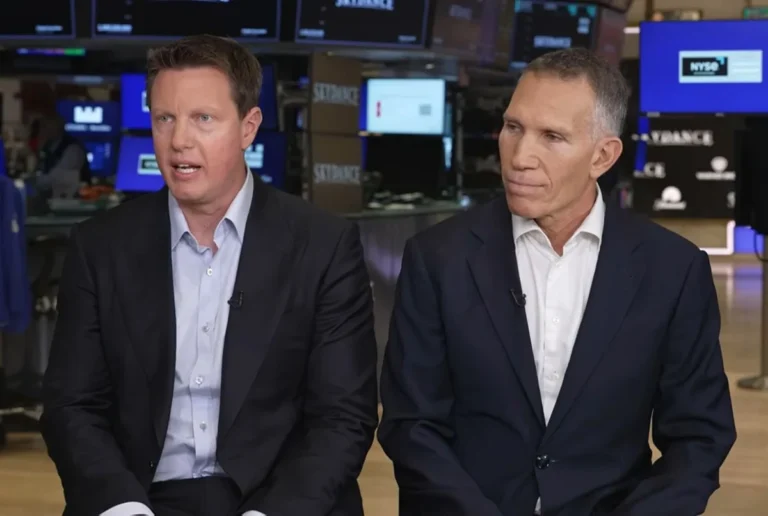
During the earnings call with investors, Mark Lazarus and Anand Kini outlined a disciplined yet opportunistic approach to the future. Lazarus reiterated that the company’s primary focus is on building scale and expanding its audience reach, particularly in the direct-to-consumer (DTC) space. "We’ll gauge ourselves as to how do revenues look across all of our various forms of distributing content," Lazarus stated, suggesting that the company is less concerned with which specific platform a viewer uses, as long as the overall revenue per user continues to grow.
The topic of mergers and acquisitions (M&A) remains a point of significant interest for Wall Street. As an independent entity with a relatively light debt load compared to its peers, Versant is seen as a potential consolidator in the mid-tier media space. Lazarus confirmed that the company is "looking in a variety of areas" for potential deals, though Kini cautioned that any inorganic growth must meet a "very high threshold" for strategic fit and financial return. The company is particularly interested in assets that could bolster its sports rights or expand its technological capabilities in the digital advertising and transactional space.
Financial Health and Shareholder Returns
Despite the 7% drop in adjusted EBITDA to $704 million, Versant provided a "standalone adjusted EBITDA" figure to offer a more direct comparison to its pre-spin performance. On this basis, adjusted EBITDA actually grew by 5%. This improvement was driven by aggressive cost-management strategies, including a reduction in entertainment programming expenses and lower selling, general, and administrative (SG&A) costs. The company’s ability to maintain margins while revenue fluctuates is a key component of its pitch to investors.
Versant also demonstrated its commitment to returning capital to shareholders, a move made possible by its healthy balance sheet. The company declared a quarterly cash dividend of 37.5 cents per share, payable on July 22. Furthermore, Versant announced a $100 million accelerated share repurchase agreement, set to begin immediately and conclude within the second quarter. This follows the repurchase of nearly 2.7 million shares during the first quarter, leaving approximately $900 million in remaining authorization.
Broader Implications for the Media Landscape
The performance of Versant Media Group in its first quarter as an independent company serves as a bellwether for the broader "mid-major" media sector. As the industry continues to bifurcate between massive "walled garden" platforms like Netflix and Disney+ and legacy cable providers, Versant is attempting to carve out a third path: a lean, content-focused organization that maximizes the value of live news, sports, and library assets across both traditional and digital channels.
The market’s positive reaction to Versant’s results suggests a growing investor appetite for media companies that can demonstrate a clear path toward revenue diversification. While the "linear cliff" remains a significant risk, Versant’s success in licensing and its growth in specialized platforms like GolfNow suggest that there is still substantial value to be extracted from legacy media assets when managed with a focus on agility and multi-platform distribution.
As Versant moves into the remainder of 2026, the industry will be watching closely to see if it can maintain its digital momentum and whether it will take a lead role in the inevitable consolidation of the cable network landscape. For now, the company’s first report card as a standalone entity indicates a resilient start to its new chapter.
Disclosure: Versant is the parent company of CNBC.