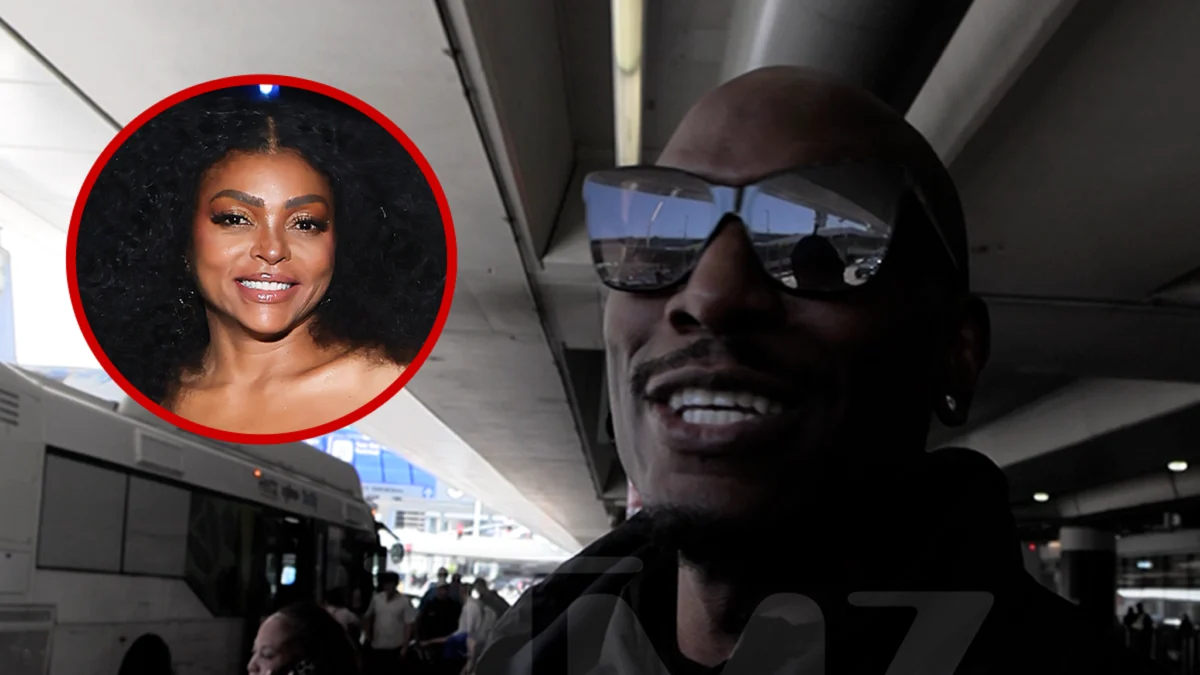
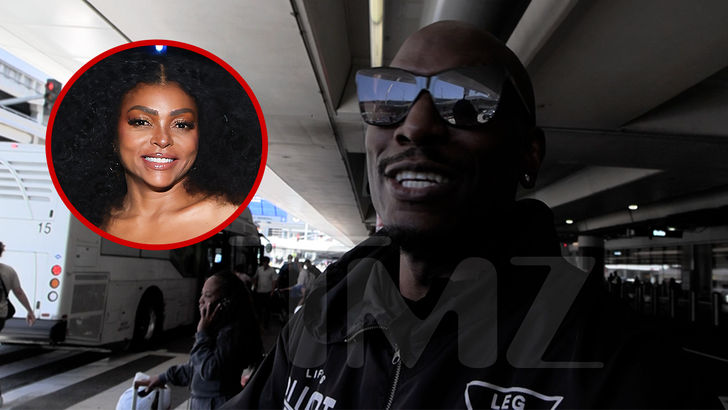
In a move that has ignited fervent speculation among fans and industry observers alike, multi-hyphenate artist Tyrese Gibson has publicly extended an invitation to acclaimed actress Taraji P. Henson, proposing a reunion of their iconic "Baby Boy" chemistry on his ambitious upcoming nationwide stage play tour. Gibson, caught by TMZ at Los Angeles International Airport on Monday, July 6, 2026, articulated his desire for Henson to join him on the "Beautiful Pain" theatrical experience, a deeply personal production set to traverse 40 cities across the United States. His direct message to Henson, delivered through the media, underscores a significant potential collaboration that could blend cinematic nostalgia with live performance art.
A Call for a Cinematic Reunion
Gibson’s unsolicited public appeal for Henson to collaborate on his stage venture immediately conjured images of their breakthrough performances as Jody and Yvette in John Singleton’s critically acclaimed 2001 film, "Baby Boy." The raw, intense, and undeniably magnetic dynamic between their characters cemented their statuses as formidable talents in Hollywood. Gibson alluded to "unfinished business" between the two, a sentiment likely resonating with legions of fans who have long admired their on-screen synergy. The prospect of witnessing this enduring partnership rekindled on a live stage offers a tantalizing proposition for audiences and a potential artistic milestone for both performers.
The "Beautiful Pain" stage play is conceptualized as a unique hybrid event, incorporating live acting and singing to tell a narrative inspired by Gibson’s album of the same name and the profound personal experiences that have shaped his life. Themes of love, divorce, and the profound loss of his mother are expected to form the emotional core of the production. The addition of Henson, an actress renowned for her ability to infuse characters with depth and raw emotion, could elevate the production significantly, bringing a layer of gravitas and star power that few collaborators could match.
The Enduring Legacy of "Baby Boy"
Released in the summer of 2001, "Baby Boy" was more than just a film; it was a cultural touchstone that offered a poignant and often uncomfortable look into the lives of young Black adults in South Central Los Angeles. Directed by the late, visionary filmmaker John Singleton, the movie starred Gibson in his acting debut as Jody, a 20-year-old man-child grappling with maturity, fatherhood, and his relationships with two women: Yvette (Henson), the mother of his child, and Peanut (Tamara LaSeon Bass), his new girlfriend. Henson’s portrayal of Yvette, a fiery and fiercely independent woman navigating the complexities of her love for Jody, earned her widespread critical acclaim and established her as an actress of immense talent and presence.
The film’s exploration of themes such as toxic masculinity, the struggle for identity, and the socioeconomic pressures facing urban youth resonated deeply with audiences. "Baby Boy" achieved modest box office success, grossing over $29 million worldwide against a production budget of $8 million, but its cultural impact far outstripped its commercial figures. It became a cult classic, celebrated for its authentic dialogue, compelling performances, and Singleton’s unflinching directorial vision. For both Gibson and Henson, "Baby Boy" served as a pivotal launchpad, showcasing their dramatic range and setting them on trajectories toward becoming household names in music and film, respectively. The lingering "unfinished business" Gibson references likely speaks to the powerful, unresolved emotional arc between Jody and Yvette, a narrative thread that could find new life and resolution within the theatrical framework of "Beautiful Pain."
"Beautiful Pain": A Theatrical Journey
Tyrese Gibson’s "Beautiful Pain" stage play is envisioned as an ambitious artistic endeavor, designed to transcend traditional concert or theatrical formats. Billed as a "stage play experience," it aims to immerse audiences in a narrative woven from the fabric of Gibson’s own life and the emotional landscape of his eponymous album. The album, released in 2013, was lauded for its introspective lyrics and soulful melodies, exploring themes of heartbreak, resilience, and personal growth. Transforming this deeply personal musical work into a live theatrical production suggests a multi-sensory journey for the audience, where songs become narrative devices and dramatic scenes are punctuated by live musical performances.

The decision to embark on a 40-city tour underscores the scale of Gibson’s ambition and his commitment to connecting with his fanbase on a profound level. Such a tour demands meticulous planning, significant logistical coordination, and substantial financial investment. It speaks to a growing trend in the entertainment industry where artists are seeking innovative ways to present their work, blending different art forms to create unique and memorable experiences. For Gibson, who has always maintained a strong connection with his audience through both music and personal storytelling, this stage play represents a natural evolution of his artistic expression, offering an intimate glimpse into the triumphs and tribulations that have defined his journey.
Tyrese Gibson’s Multifaceted Career
Tyrese Gibson’s career is a testament to his versatility and enduring appeal across various entertainment mediums. Initially rising to prominence as an R&B singer in the late 1990s, he quickly transitioned into acting, making a significant mark with "Baby Boy." His filmography includes blockbuster franchises like "The Fast & Furious" series, where he plays the beloved character Roman Pearce, and the "Transformers" saga. Beyond acting and music, Gibson is also an accomplished author, having penned several books, including the New York Times bestseller "How to Get Out of Your Own Way." His public persona has often been characterized by his candidness and willingness to share his personal struggles, which aligns seamlessly with the confessional nature of the "Beautiful Pain" project. This willingness to bare his soul on stage, especially concerning topics as sensitive as divorce and the loss of his mother, promises a raw and compelling theatrical experience.
Taraji P. Henson: A Powerhouse Performer
Taraji P. Henson’s career trajectory since "Baby Boy" has been nothing short of meteoric. She has established herself as one of Hollywood’s most respected and versatile actresses, seamlessly transitioning between comedic and dramatic roles with equal prowess. Her film credits include critically acclaimed performances in "Hustle & Flow," "The Curious Case of Benjamin Button" (for which she received an Academy Award nomination for Best Supporting Actress), and "Hidden Figures." On television, Henson achieved widespread acclaim and a Golden Globe Award for her iconic portrayal of Cookie Lyon in the hit series "Empire," a role that solidified her status as a cultural phenomenon.
Henson’s extensive experience in film and television, coupled with her formidable stage presence, makes her an ideal candidate for Gibson’s proposed collaboration. Her ability to convey complex emotions and command an audience’s attention would undoubtedly enrich the "Beautiful Pain" narrative. While Henson has primarily focused on screen work in recent years, her theatrical background and undeniable acting chops suggest she would be more than capable of tackling the demands of a live stage production. Her potential involvement would not only bring an unparalleled level of talent but also a significant draw for audiences, eager to witness her return to a stage setting, particularly alongside Gibson.
The Allure of a Dynamic Duo
The enduring appeal of the Jody and Yvette dynamic lies in its raw authenticity and the undeniable chemistry between Tyrese Gibson and Taraji P. Henson. Their performances in "Baby Boy" captured the tumultuous essence of young love, betrayal, and the struggle for independence against a backdrop of systemic challenges. This on-screen relationship transcended mere acting, leaving a lasting impression on viewers who recognized the genuine spark between the two performers.
A reunion on the "Beautiful Pain" tour would tap into this powerful nostalgia, offering fans a unique opportunity to see these characters, or at least the essence of their dynamic, reimagined in a new artistic context. Gibson’s "unfinished business" comment suggests a desire to revisit and perhaps resolve some of the emotional complexities that defined their cinematic partnership. Whether they would reprise their specific "Baby Boy" roles in an abstract sense, or embody new characters that mirror similar themes of love, loss, and redemption, the mere presence of both actors together on stage would be a monumental event, promising a powerful exploration of human relationships and the journey through personal pain.
Navigating the Logistics of a Nationwide Tour
The logistical undertaking of a 40-city stage play tour is immense, requiring extensive planning and resources. From securing suitable venues in diverse markets to managing a full production crew, technical equipment, and travel arrangements for a cast and staff, every detail must be meticulously coordinated. Rehearsal schedules would be rigorous, ensuring that the blend of live acting and singing is seamlessly executed night after night. The physical and emotional demands on the lead performers, particularly Gibson, who would be sharing his most vulnerable life experiences, would be considerable.
The financial implications are also significant. Production costs for a tour of this magnitude, including salaries for performers and crew, venue rentals, marketing, and transportation, would run into the millions. Securing investors and sponsors would be crucial. However, the potential return on investment, particularly with the added star power of Taraji P. Henson, could be substantial. The "Baby Boy" reunion angle would provide an irresistible marketing hook, driving ticket sales and generating considerable media attention across all 40 tour stops. The timing, July 2026, positions this as a significant event in the upcoming entertainment calendar.
Beyond the Stage: New Music on the Horizon
Beyond the ambitious stage play, Tyrese Gibson also offered a tantalizing glimpse into his musical future, revealing plans for a new album. He teased a collaboration with emerging R&B artist October London, describing the envisioned sound with two evocative words: "Sexual healing" — 2.0. This phrase immediately harks back to Marvin Gaye’s iconic 1982 hit, suggesting a return to a sensual, soulful, and perhaps more mature R&B sound.
October London, known for his smooth vocals and classic R&B sensibilities, has been gaining traction in the contemporary music scene, often drawing comparisons to legends of the genre. His collaboration with Gibson could signal a refreshed artistic direction for Tyrese, blending his established soulful style with London’s modern interpretations of classic R&B. The "Sexual Healing 2.0" concept suggests a sophisticated exploration of intimacy, desire, and emotional connection, themes that could also indirectly resonate with the personal narratives explored in the "Beautiful Pain" stage play. This dual focus on theatrical performance and new musical releases underscores Gibson’s relentless creative drive and his commitment to engaging his audience across multiple artistic platforms.
Industry Resonance and Future Prospects
The public invitation from Tyrese Gibson to Taraji P. Henson has sent ripples through the entertainment industry, sparking discussions about the power of celebrity nostalgia, the evolving landscape of live entertainment, and the potential for cross-platform artistic endeavors. Should Henson accept Gibson’s offer, the "Beautiful Pain" tour would undoubtedly become one of the most anticipated cultural events of 2026. The combination of their proven chemistry, the deeply personal nature of Gibson’s narrative, and the innovative blend of acting and singing would create a unique theatrical experience.
Industry analysts suggest that such a high-profile collaboration could not only be a box office success but also garner significant critical acclaim, potentially opening new avenues for both artists. For Gibson, it would solidify his position as a multifaceted entertainer capable of commanding both musical and dramatic stages. For Henson, it would offer a compelling return to a live performance format, showcasing her versatility beyond her celebrated screen roles. The broader implication for the entertainment industry is the continued validation of artistic projects that creatively fuse different mediums and leverage the enduring appeal of beloved on-screen partnerships. As the entertainment world awaits Taraji P. Henson’s response, the potential for a "Baby Boy" reunion on the "Beautiful Pain" tour remains a captivating prospect, promising a powerful blend of nostalgia, raw emotion, and artistic innovation.