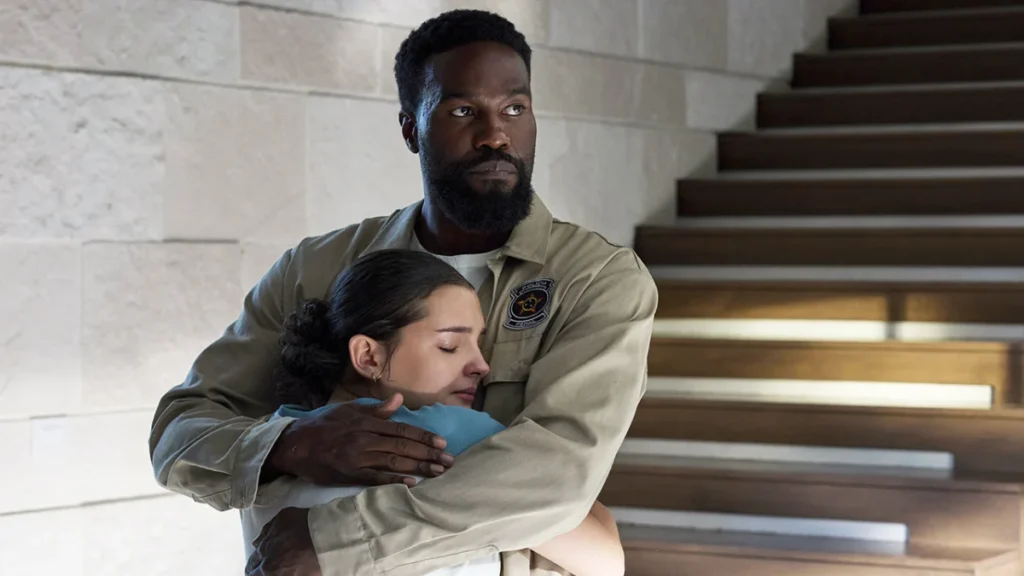



The independent film powerhouse A24 has entered into a $75 million research partnership with Google DeepMind, the artificial intelligence research laboratory owned by Alphabet Inc., marking a significant shift in the intersection of boutique cinema and generative technology. This strategic alliance, first reported by The Wall Street Journal, aims to develop a suite of proprietary filmmaking tools under the umbrella of A24 Labs, a newly formed technology startup led by A24 co-founder Scott Belsky. The announcement arrives at a paradoxical moment for the studio, coinciding with the massive commercial success of Backrooms, a horror film that many critics and audiences have interpreted as a searing critique of the very technology A24 is now seeking to harness.
The deal underscores an intensifying trend within the entertainment industry, where major production houses are seeking to integrate artificial intelligence into their creative pipelines to maintain a competitive edge in an increasingly digital landscape. However, for a studio like A24—which has built its brand on a foundation of "artisanal" filmmaking and director-driven "cool"—the move has sparked an immediate and visceral reaction from its dedicated fanbase, raising fundamental questions about the future of human-led creativity in the age of automation.
The Commercial Success of Backrooms and the AI Allegory
The partnership comes on the heels of A24’s most significant box office achievement to date. Backrooms, directed by Kane Parsons, recently surpassed the $300 million milestone at the global box office. The film, which originated as a viral YouTube series, explores the unsettling concept of "liminal spaces"—featureless, repetitive yellow hallways that exist outside of reality. The movie’s central horror stems from a world that appears to be a mindless, monstrous, and degraded imitation of our own, a theme that has been widely analyzed as a metaphor for the hallucinations and derivative nature of generative AI.
The irony of this success is not lost on industry observers. While Backrooms tapped into a cultural anxiety regarding the "uncanny valley" of AI-generated content, A24’s leadership appears to view the technology not as a threat to be feared, but as a medium to be mastered. The $75 million investment from Google DeepMind suggests a long-term commitment to reshaping how films are conceptualized, produced, and edited, moving beyond simple automation toward a collaborative model between human creators and machine-learning algorithms.
Chronology of Hollywood’s Integration with Generative AI
The A24 and DeepMind deal is the latest chapter in a turbulent timeline of collaboration between Silicon Valley and the film industry. To understand the gravity of this partnership, it is necessary to look at the preceding events that have shaped the current climate:
- The 2023 Labor Disputes: The Writers Guild of America (WGA) and the Screen Actors Guild (SAG-AFTRA) engaged in historic strikes, with the regulation of artificial intelligence serving as a primary point of contention. The resulting contracts established initial guardrails against the unauthorized use of AI to replace human writers and actors.
- The Disney-OpenAI Venture: In late 2023, The Walt Disney Company announced a $1 billion stake in OpenAI. The deal was intended to explore the use of Sora, OpenAI’s video generation model, using Disney’s vast library of intellectual property, including characters from the Star Wars and Marvel universes.
- The Collapse of Sora’s IPO Integration: By early 2024, the Disney-OpenAI deal faced significant setbacks as Sora’s public rollout stalled due to technical limitations and ethical concerns regarding copyright.
- Legal Challenges: Simultaneously, major studios and individual artists began filing lawsuits against AI companies like Midjourney and Stability AI, alleging that their models were trained on copyrighted material without permission or compensation.
- The A24 Labs Initiative: In mid-2024, A24 quietly launched A24 Labs, signaling a pivot from a traditional production house to a tech-integrated media company.
Technical Objectives of the DeepMind Partnership
According to official statements, the collaboration between A24 and Google DeepMind is focused on research and development rather than the immediate replacement of human staff. Sophia Shin, a spokesperson for A24, characterized the partnership as a "side-by-side" effort where researchers and filmmakers work together to iterate on new workflows.
The primary objectives of the partnership include:
- Workflow Optimization: Developing AI tools that can assist in the more tedious aspects of post-production, such as color grading, rotoscoping, and sound design.
- Creative Augmentation: Creating generative tools that allow directors to visualize complex scenes or environments—similar to the "liminal spaces" seen in Backrooms—without the prohibitive costs of traditional physical sets or high-end CGI.
- Proprietary Development: By building their own tools, A24 aims to avoid the ethical and legal pitfalls of using "black box" third-party AI models that may have been trained on unethical datasets.
Scott Belsky, who oversees A24 Labs, brings a background in creative technology from his time at Adobe, where he focused on how software can empower rather than replace the artist. This philosophy is central to A24’s defense of the deal.
Official Responses and Public Backlash
The announcement has met with significant resistance from the "A24 diehards," a demographic that values the studio’s reputation as a sanctuary for original, human-centric storytelling. Following the release of the trailer for Jesse Eisenberg’s musical drama The Debut, social media platforms were flooded with criticism. Fans expressed their disappointment through symbolic gestures, such as posting images of tombstones to signify the "death" of the studio’s indie spirit. Some users even threatened to pirate future A24 releases as a form of financial protest against the AI deal.
In response to the outcry, A24 has doubled down on its narrative of "active participation." Sophia Shin stated that the partnership exists to ensure that artists have a "seat at the table" during the development of these technologies. The studio argues that by being involved in the creation of AI tools, they can dictate ethical standards and ensure the technology serves the vision of the filmmaker rather than the interests of a tech conglomerate.
Google DeepMind has remained relatively quiet regarding the specific technical milestones of the deal, though the partnership aligns with Google’s broader strategy to integrate its Gemini and DeepMind technologies into the creative industries to compete with Microsoft and OpenAI.
Broader Impact and Industry Implications
The A24-DeepMind deal serves as a bellwether for the future of independent cinema. If a studio known for its "cool factor" and artistic integrity can embrace AI, it may signal an inevitable shift for the rest of the industry. However, the implications are multifaceted:
The Threat to Entry-Level Roles
There is a growing concern that AI "tools" will inevitably lead to the automation of entry-level positions in Hollywood. Roles in research, storyboarding, and basic visual effects—traditionally the training grounds for the next generation of filmmakers—are the most vulnerable to AI integration. This could create a "hollowed-out" industry where only established auteurs have the resources to work, while the path for newcomers becomes increasingly narrow.
The Chilling Effect on Subject Matter
The influence of AI companies on film studios may also affect the stories that get told. A recent example is the reported distancing of major studios from Luca Guadagnino’s biopic of OpenAI founder Sam Altman, titled Artificial. Critics worry that as studios become financially intertwined with tech giants like Google or OpenAI, they will be less likely to produce content that is critical of the tech industry or explores the darker side of artificial intelligence.
The Preservation of the Auteur
Conversely, some industry analysts argue that AI could democratize high-end production. A24’s success with Kane Parsons—a filmmaker who rose to prominence through YouTube—demonstrates how technology can allow individual creators to achieve a "big studio" look on a fraction of the budget. If DeepMind’s tools are made accessible to A24’s roster of directors, such as Ari Aster or Sofia Coppola, it could lead to a new era of visual experimentation that was previously cost-prohibitive for independent films.
Conclusion
A24’s $75 million gamble with Google DeepMind represents a high-stakes attempt to bridge the gap between traditional cinematic artistry and the digital future. While the studio maintains that its goal is to empower artists with better tools, the move has undeniably fractured its relationship with a core audience that views AI as the antithesis of the A24 brand. As A24 Labs begins its work, the industry will be watching closely to see if this partnership produces a new standard for creative technology or if it serves to validate the very fears explored in the halls of the Backrooms. The outcome will likely determine whether A24 remains a tastemaker for the "hip and cutting-edge" or becomes a cautionary tale of a studio that lost its soul to the machine.