

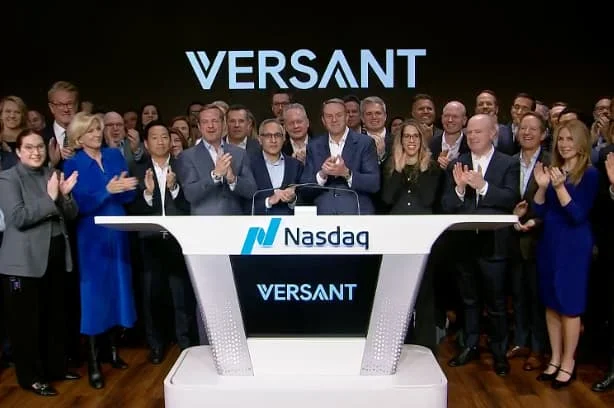
Versant Media Group (VSNT) officially inaugurated its era as an independent, publicly traded entity on Thursday, reporting financial results for the first quarter of 2026 that exceeded Wall Street’s revenue expectations. The report, marking the company’s first full quarter since its high-profile separation from Comcast’s NBCUniversal, paints a picture of a media giant in transition. While the company continues to navigate the structural headwinds facing the traditional pay TV industry, its burgeoning digital platforms and high-value content licensing deals provided a robust counter-narrative, driving the stock up nearly 10% in Thursday trading.
The earnings release serves as a critical milestone for Versant, which began trading on the Nasdaq earlier this year. Investors have been closely watching the company’s ability to stand on its own after decades under the Comcast corporate umbrella. The results suggest that while the "linear cliff"—the decline of traditional cable television—remains a formidable challenge, Versant is successfully leveraging its portfolio of niche platforms and premium content to offset those losses.
Financial Performance and Revenue Breakdown
For the quarter ended March 31, 2026, Versant reported total revenue of $1.69 billion. This figure represents a modest 1% decline compared to the same period in the prior year, yet it comfortably cleared the $1.62 billion consensus estimate provided by analysts polled by LSEG. The revenue beat was a primary catalyst for the stock’s rally, as it signaled a higher degree of resilience than many market observers had anticipated.
However, the bottom line reflected the complexities of the recent corporate divorce. Net income attributable to Versant fell 22% year-over-year to $286 million, or $1.99 per share. The company attributed this contraction to a combination of lower overall revenue, the inherent costs associated with operating as a standalone public company, and new interest expenses tied to the debt structure established during the spin-off. These factors were partially mitigated by a lower tax rate during the quarter.
Adjusted EBITDA (earnings before interest, taxes, depreciation, and amortization) stood at $704 million, a 7% decrease from the previous year. To provide a clearer picture of the company’s underlying operational health, Versant also provided a "stand-alone adjusted EBITDA" metric. This figure, which adjusts historical data to better reflect the current corporate structure, actually showed a 5% increase. Management noted that this improvement was driven by disciplined cost-cutting, specifically in entertainment programming and general administrative expenses, which helped preserve margins despite the revenue pressure in the cable segment.
The Dual Reality of Linear and Digital
The core of Versant’s financial narrative remains the tension between its legacy assets and its digital future. Linear distribution revenue, which covers the company’s suite of cable networks including CNBC, MS NOW, the Golf Channel, USA Network, E!, Syfy, and Oxygen, fell 7% to $1.01 billion. This decline is a direct result of the industry-wide trend of "cord-cutting," as consumers increasingly abandon traditional cable bundles in favor of streaming services. Versant noted that while it was able to implement rate increases for its content, these gains were not enough to fully compensate for the loss of subscribers.
Advertising revenue also saw a downturn, falling 5% to $368 million. While a decline is rarely celebrated, analysts noted that this was a significant improvement over the 12% drop recorded in the same period last year. This suggests a potential stabilization in the ad market, particularly for high-value news and sports programming.
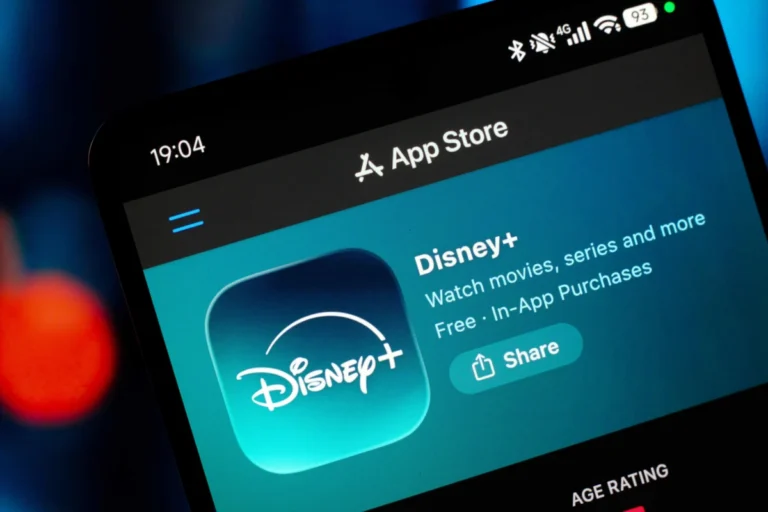
The bright spots in the report were found in content licensing and the company’s "Platforms" business. Content licensing revenue skyrocketed by 113.5%, reaching $121 million. This massive surge was largely attributed to a strategic deal with Disney’s Hulu for the rights to the "Keeping Up With the Kardashians" library and associated reality content. This move underscores Versant’s strategy of acting as an "arms dealer" in the streaming wars—monetizing its deep library by selling to the highest bidder rather than hoarding content for a single proprietary service.
The Platforms division, which houses digital-first assets like Fandango and GolfNow, as well as emerging direct-to-consumer units, grew 9.5% to $192 million. This segment is viewed by leadership as the primary engine for future growth.
Strategic Vision: The Road to 50/50
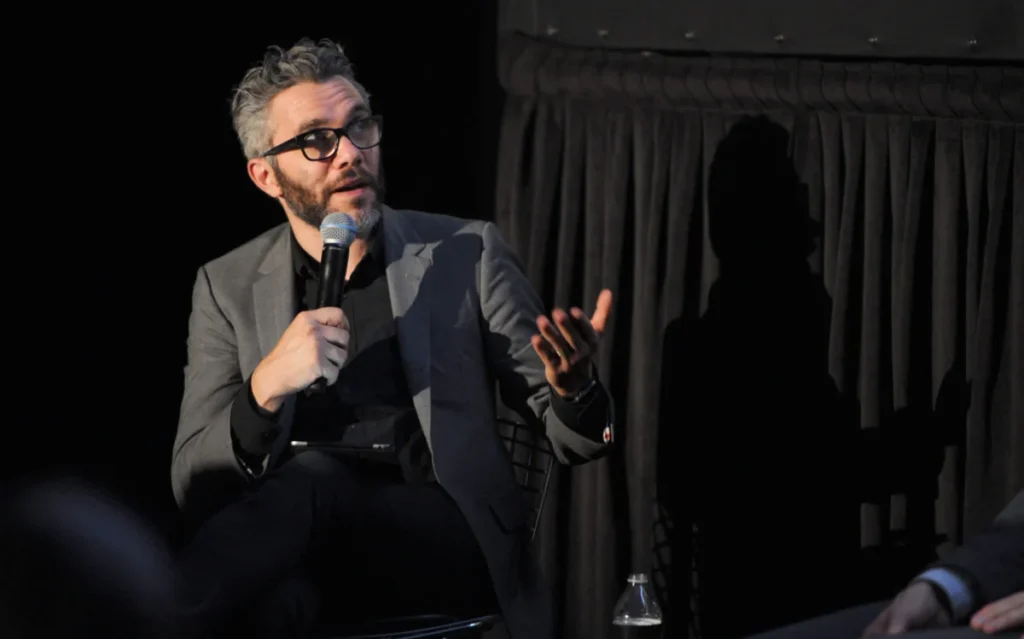
Currently, more than 80% of Versant’s revenue is derived from the legacy pay TV business. However, CEO Mark Lazarus and his executive team have set an ambitious target to rebalance the company’s revenue mix. The long-term goal is a 50/50 split between traditional linear revenue and income from digital, platform, subscription, and transactional sources.
During the earnings call with investors, Lazarus emphasized the need for "revenue diversification within each of our verticals." He noted that the company is not merely chasing subscriber counts for the sake of scale, but is focused on how revenue is generated across various distribution forms.
"We hope to build scale and expand our audiences in direct-to-consumer," Lazarus stated. "We’ll gauge ourselves as to how revenues look across all of our various forms of distributing content."
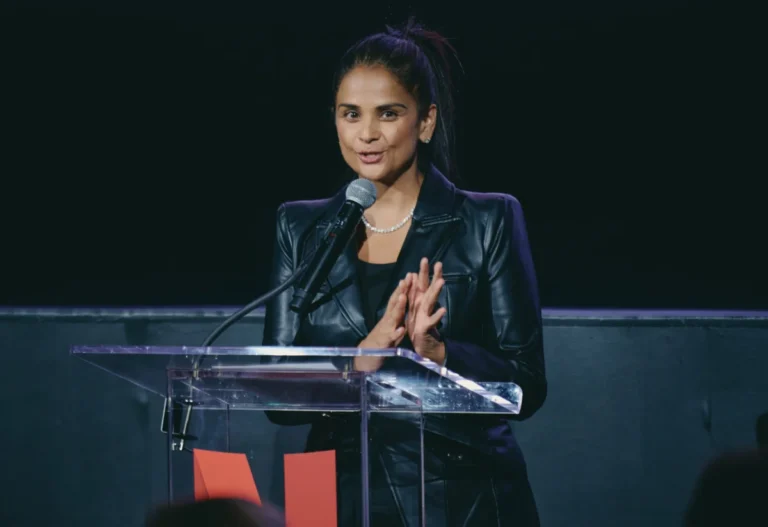
CFO and COO Anand Kini echoed this sentiment, highlighting that the growth in the Platforms segment was largely organic. "Our platforms revenue growth this quarter demonstrates that was really organic growth in GolfNow and Fandango," Kini said, suggesting that the company is finding success in maximizing the value of its existing digital properties.

Chronology of the Versant Spin-Off
To understand Versant’s current position, one must look at the timeline of its creation. The process began in November 2024, when Comcast announced its intention to spin off its cable networks into a separate entity. The move was designed to allow Comcast to focus on its high-growth areas—broadband, wireless, and the Peacock streaming service—while giving the cable networks the autonomy to pursue their own strategic paths, including potential consolidation with other mid-sized media players.
Following a year of regulatory filings and corporate restructuring, Versant Media Group officially debuted on the Nasdaq in early 2026. The spin-off included a suite of profitable but mature assets that were increasingly seen as a drag on Comcast’s valuation. By separating, Versant gained the ability to use its own stock as currency for acquisitions and to tailor its capital allocation strategy specifically to the needs of a content-focused media company.
Capital Allocation and Shareholder Returns
Despite the challenges of its first quarter as a standalone company, Versant is moving aggressively to reward its shareholders. The company’s relatively light debt load—a byproduct of the spin-off agreement—has given it the flexibility to return capital even as it invests in growth.
On Thursday, Versant declared a quarterly cash dividend of 37.5 cents per share, payable on July 22 to shareholders of record as of July 1. This marks the second consecutive quarter the company has issued a dividend, signaling a commitment to a consistent payout policy.
Furthermore, the company announced a $100 million accelerated share repurchase (ASR) agreement, scheduled to begin immediately. This is part of a broader $900 million remaining authorization for share buybacks. During the first quarter alone, Versant repurchased approximately 2.7 million shares of its Class A common stock. These moves are clearly intended to signal management’s confidence in the intrinsic value of the company and to provide a floor for the stock price during periods of market volatility.
M&A Prospects and the Future of Sports Rights
A recurring theme in the post-earnings discussion was the potential for mergers and acquisitions. As a standalone entity, Versant is often cited by analysts as a "natural consolidator" in the media space. With other mid-sized media companies facing similar pressures, the industry is widely expected to undergo a period of consolidation.
CEO Mark Lazarus confirmed that the company is "looking in a variety of areas" for potential deals. However, CFO Anand Kini injected a note of caution, stating that while M&A is part of the strategy, the company maintains a "very high threshold" for any inorganic growth opportunities. The focus remains on maintaining a healthy balance sheet and ensuring that any acquisition fits squarely within the company’s strategic verticals.
One area of particular interest is sports rights. Versant’s portfolio already includes the Golf Channel and various live sports broadcasts on USA Network. Strengthening this pillar is seen as essential for maintaining the relevance of the linear bundle. The company highlighted viewership increases for CNBC and MS NOW, as well as momentum for live sports, as evidence that "appointment viewing" remains a viable business model even in a digital-first world.
Broader Industry Implications
Versant’s performance is being viewed as a bellwether for the "pure-play" cable network model. In an era where giants like Disney and Warner Bros. Discovery are struggling to balance massive streaming losses with declining cable profits, Versant’s leaner, more focused approach is garnering interest.
By not being tethered to a massive, money-losing streaming platform like Peacock (which remained with Comcast), Versant has the freedom to license its content to the highest bidder. The "Kardashians" deal with Hulu is the blueprint for this strategy. It allows Versant to capture the high margins of content production without the massive customer acquisition costs associated with running a global streaming service.
The 10% jump in stock price suggests that the market is beginning to buy into this "arms dealer" logic. If Versant can continue to grow its Platform and Licensing segments at the current pace, it may provide a roadmap for other legacy media assets looking to survive the transition to a post-cable world.
As the company moves into the second half of 2026, the focus will remain on whether it can sustain the momentum in its digital segments while managing the inevitable, albeit slowing, decline of its linear foundations. For now, Versant has cleared its first major hurdle as an independent company, proving that there is still significant value to be extracted from its storied portfolio of news, sports, and entertainment brands.
Disclosure: Versant is the parent company of CNBC.