


The traditional broadcast calendar, which once relegated the summer months to a period of "doldrums" characterized by reruns and low-budget reality programming, has undergone a fundamental transformation. Historically, major networks saved their flagship intellectual properties for the September-to-May season to maximize advertising revenue during peak viewing months. However, the ascent of global streaming platforms has dismantled this seasonal hierarchy. Today, the warmest months of the year serve as a primary launchpad for high-budget prestige dramas and genre-defining series, as platforms like HBO, Netflix, Disney+, and Apple TV+ compete for subscriber retention in an increasingly saturated market.
This shift is not merely a matter of scheduling but reflects a broader cultural movement where television serves as a primary medium for exploring complex technologies, socio-political shifts, and philosophical inquiries. The current slate of releases highlights a strategic focus on established franchises, nostalgic revivals, and high-concept adaptations that command significant viewership and critical discourse.
The Evolution of the Summer Programming Strategy
The transition from "summer reruns" to "summer blockbusters" began in the mid-2010s, accelerated by the success of series that proved audiences would engage with complex narratives year-round. According to industry data, streaming consumption typically sees a sustained plateau during the summer, whereas traditional linear television historically saw a 10-15% dip. By placing marquee titles in June and July, streaming services effectively capture a captive audience seeking high-quality entertainment during leisure periods.
The current month’s lineup illustrates this strategy, featuring a mix of high-fantasy epics, animated reimagining of iconic superheroes, and speculative fiction that interrogates the human condition. The following 11 series represent the pinnacle of this season’s offerings, categorized by their cultural impact and narrative depth.
High-Fantasy and the Targaryen Legacy: House of the Dragon
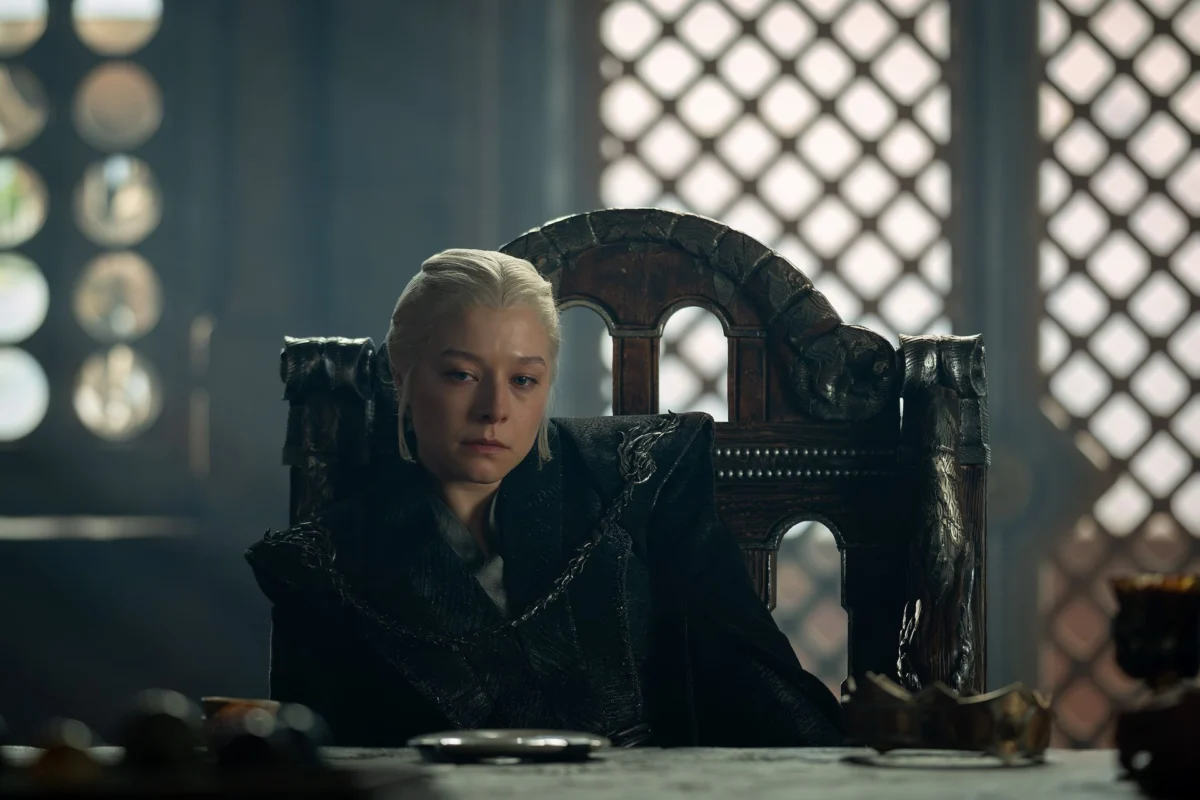
HBO’s strategic efforts to maintain the cultural momentum of the Game of Thrones universe continue with the return of House of the Dragon. Set approximately two centuries before the original series, this prequel focuses on the internal collapse of the Targaryen dynasty. The series returned for its third season on June 21, continuing the exploration of the "Dance of the Dragons," a catastrophic civil war over the Iron Throne.
The production has not been without internal tension. Series co-creator George R.R. Martin has publicly criticized certain creative deviations made by showrunner Ryan Condal, specifically regarding the exclusion of certain characters and plot points from the source material, Fire & Blood. Despite these creative frictions, the series remains a cornerstone of HBO’s programming, utilizing a rotating cast—including Milly Alcock and Emma D’Arcy as Rhaenyra Targaryen—to depict the passage of time and the corrosive nature of power.
Bridging the Animation-to-Live-Action Gap: Avatar: The Last Airbender
Netflix’s live-action adaptation of the Nickelodeon classic Avatar: The Last Airbender represents a significant investment in cross-generational intellectual property. The series, which depicts a world divided into four elemental nations, follows Aang, a 12-year-old "Avatar" tasked with restoring global harmony. The second season, released in its entirety on June 25, expands the scope of the conflict as the Fire Nation intensifies its imperialistic campaign.
The production timeline for this series highlights the scale of modern streaming projects. While the third and final season has already completed principal photography, post-production requirements for the extensive visual effects mean a release is not expected until 2027. This multi-year production cycle is becoming standard for "event" television, reflecting the high technical standards demanded by contemporary audiences.
Reimagining the Superhero Mythos: My Adventures With Superman
Adult Swim’s My Adventures With Superman has emerged as a critical darling, securing a rare perfect score on review aggregator Rotten Tomatoes. The series, which debuted its third season on June 13, adopts an anime-inspired aesthetic to tell a grounded, character-driven story. Starring Jack Quaid as Clark Kent, the narrative balances the traditional "Man of Steel" heroics with a romantic-comedy focus on Kent’s relationship with Lois Lane (Alice Lee). This "human-first" approach to a character often criticized for being "too powerful" to be relatable has resonated with both long-term fans and newcomers, signaling a shift in how legacy comic book characters are handled in animation.
The Redistribution of Legacy Science Fiction: Doctor Who
The Doctor Who franchise, a British cultural institution for over 60 years, is currently navigating a complex period of distribution and creative transition. Following the departure of the Fifteenth Doctor, played by Ncuti Gatwa, and the return of showrunner Russell T. Davies, the series has seen a major shift in its global availability.
As of June 11, the first 13 seasons of the modern era (2005–2022) have moved to AMC+ in the United States. Meanwhile, the original 26 seasons of "Classic Who" remain accessible via BritBox and Tubi, and the most recent seasons are housed on Disney+. This fragmented distribution model underscores the challenges of managing long-running franchises in a landscape where streaming rights are frequently traded between major media conglomerates.
Nostalgia and Narrative Continuity: X-Men ’97 and Adventure Time
The power of nostalgia remains a potent force in the current television landscape. Disney+’s X-Men ’97, which returned for its second season on July 1, serves as a direct continuation of the 1992 animated series. By reuniting the original voice cast and maintaining the 90s aesthetic while updating the narrative themes for a modern audience, the show has successfully bridged a 30-year gap in storytelling.
Similarly, Adventure Time: Side Quests returns viewers to the Land of Ooo. Developed by Nate Cash, the series serves as a companion to Pendleton Ward’s original surrealist masterpiece. Unlike many animated series that remain static, the Adventure Time franchise is noted for allowing its characters to age and evolve emotionally. Side Quests pivots back to the tone of the earlier seasons, focusing on the core dynamic of Finn and Jake, proving that established worlds can be revisited through different narrative "lenses" without losing their original charm.
Psychological Drama and Societal Anxiety: The Listeners and Silo
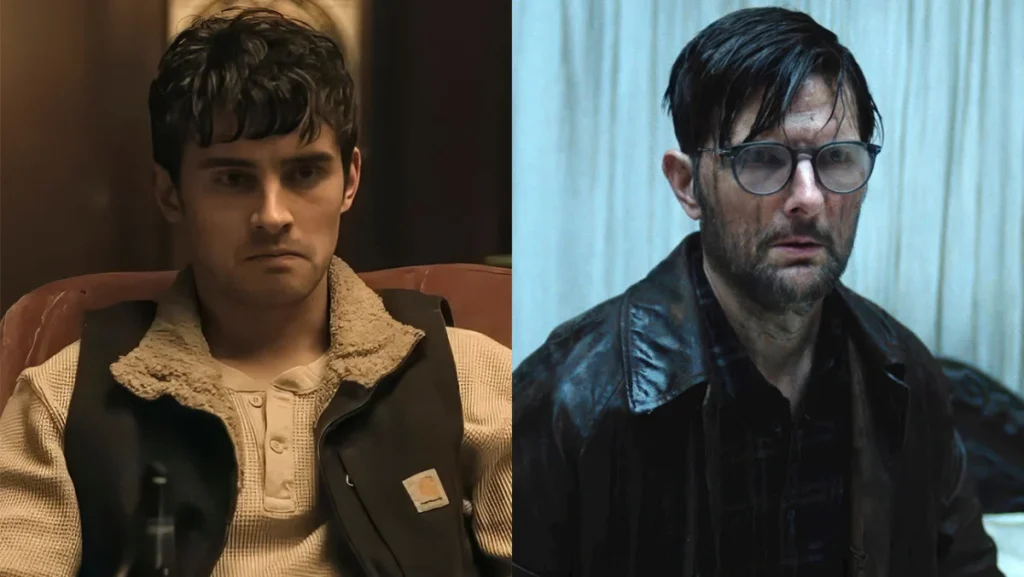
Two series this month delve into the psychological impacts of isolation and societal control. The Listeners, starring Rebecca Hall, is a five-part psychological drama adapted from Jordan Tannahill’s novel. The plot centers on a woman who begins hearing a low-frequency hum, an experience that leads her into the fringes of conspiracy culture. The series serves as a timely exploration of how shared delusions and isolation can fracture modern life.
On the higher-budget end of the spectrum, Apple TV+’s Silo continues its exploration of a post-apocalyptic future where the remnants of humanity live in a subterranean bunker. Based on the novels by Hugh Howey and helmed by Graham Yost, the series investigates the "Pact"—a set of draconian rules designed to keep the population from questioning their reality. Season 3, arriving July 3, continues the investigation of the surface world led by the protagonist Juliette (Rebecca Ferguson). The show’s success points to a continued appetite for "hard" science fiction that mirrors contemporary anxieties regarding environmental collapse and government transparency.
The Enduring Legacy of Exploration: Star Trek: Strange New Worlds
Paramount+’s Star Trek: Strange New Worlds returns for its fourth season on July 23, reaffirming the franchise’s commitment to episodic storytelling. By focusing on Captain Christopher Pike (Anson Mount) and the pre-Kirk era of the U.S.S. Enterprise, the series has been praised for returning to the "optimistic futurism" of Gene Roddenberry’s original vision. The fourth season will continue to release episodes weekly through late September, maintaining a traditional release cadence that fosters sustained community engagement and "water-cooler" discussion.
Historical Foundations of Paranoia: The Prisoner
In a move that highlights the importance of archival television, The Criterion Channel is rereleasing the 1967 cult classic The Prisoner on July 1. Created by and starring Patrick McGoohan, the 17-episode series is a foundational text for the "mystery box" genre, influencing later hits like Lost and Twin Peaks. The show’s exploration of identity, surveillance, and the individual versus the state remains strikingly relevant in the age of big data and algorithmic control. Its inclusion in this month’s top picks serves as a reminder of the historical roots of modern psychological thrillers.
Documenting Cultural Phenomena: The Man Will Burn
Finally, HBO’s four-part docuseries The Man Will Burn, debuting July 9, provides an analytical look at the evolution of Burning Man. Directed by Jehane Noujaim and Vikram Gandhi, the series utilizes three decades of archival footage to trace the event’s journey from a small San Francisco beach gathering to a massive Nevada desert city of 80,000 people.
The documentary specifically addresses the tensions between the festival’s "Ten Principles"—such as radical self-reliance and decommodification—and the increasing presence of Silicon Valley billionaires and social media influencers. As the 40th installment of the event approaches in late August, the series offers a critical examination of whether a counterculture movement can survive its own mainstream success.
Broader Implications for the Industry
The diversity of this month’s television offerings indicates a healthy, albeit highly competitive, ecosystem. The presence of high-concept science fiction, meticulous historical prequels, and deep-dive documentaries suggests that the "summer slump" is officially a relic of the past. For viewers, this means a consistent stream of thought-provoking content; for the industry, it necessitates a continuous cycle of high-stakes production and strategic licensing. As these series roll out over the coming weeks, they will likely set the tone for the critical and commercial discourse of the entire year, proving that the hottest season of the year is now the coolest time for television.