


Narrative Structure and the Mechanics of the Supernatural
The film’s narrative is anchored by a cold open that establishes its central metaphor: the "little death" of sexual climax leading to a literal, violent expiration. The sequence features a lesbian lifeguard who is seduced and subsequently murdered by an invisible entity that takes the form of her deepest romantic desire. This creature is revealed to be the result of a "hex" cast by a local fundamentalist church—a supernatural manifestation of conversion therapy intended to punish queer teenagers for their attractions. The central conceit operates on the pious dictum that queer desire is inherently fatal, transforming private intimacy into a site of public horror.
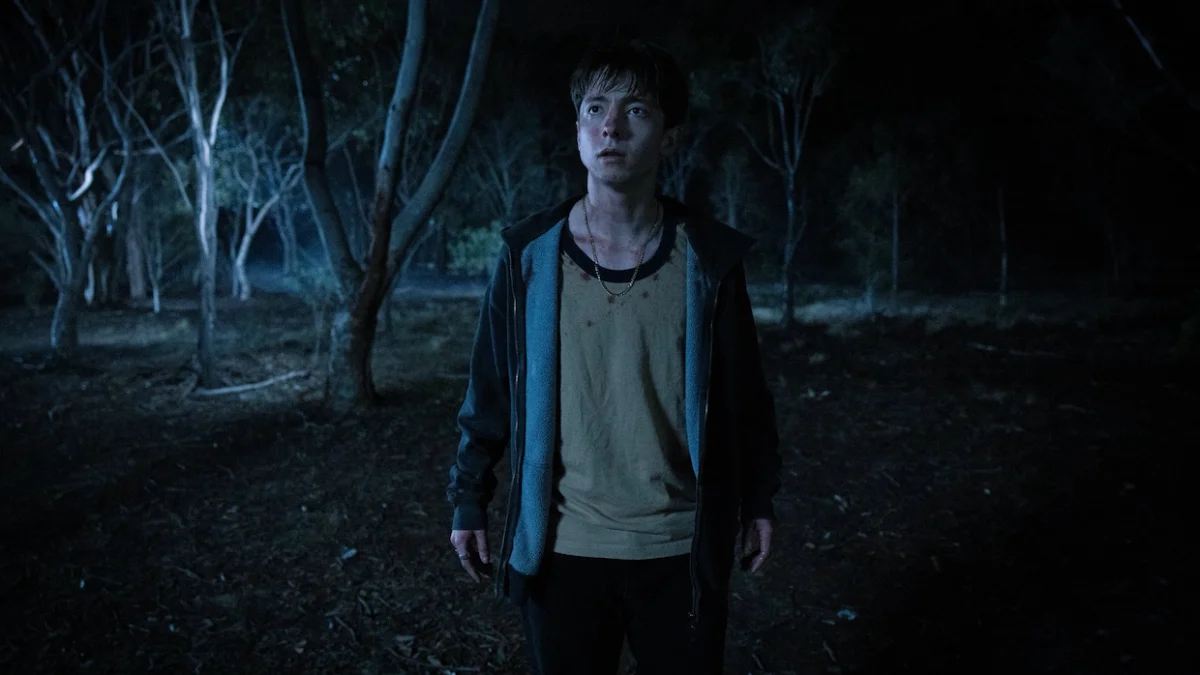
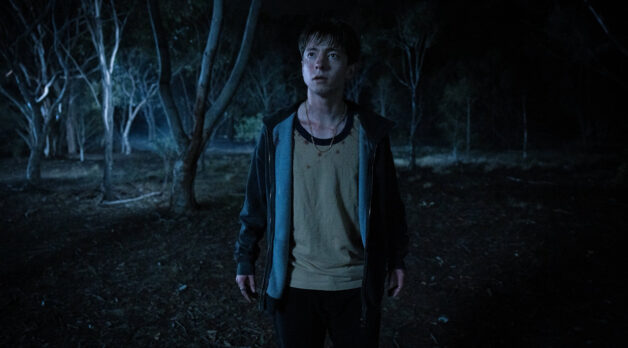
The plot follows Naim, played by Joe Bird, a shy newcomer to the community who becomes enamored with Ryan, a charismatic and assertive classmate portrayed by Stacey Clausen. Their relationship is complicated by the presence of Hunter (Jeremy Blewitt), the closeted son of the local preacher, whose own internal conflict leads to a violent encounter that triggers the film’s central conflict. When Naim, driven by jealousy, reveals the nature of Hunter and Ryan’s interaction to the church authorities, he inadvertently sets off a chain of events that forces the protagonists to confront the supernatural predator stalking their community.
Production Background and Artistic Vision
Adrian Chiarella, previously known for his acclaimed short films, developed Leviticus as a response to what he describes as a "backward slide" in global progress toward queer security. The director’s creative impulsion was rooted in personal history and a lifelong affinity for the horror genre. Chiarella has cited seminal works such as A Nightmare on Elm Street 2: Freddy’s Revenge (1985)—widely regarded as a landmark in queer-coded horror—and John Carpenter’s The Thing (1982) as primary influences. These films, which explore themes of the "hidden self" and the breakdown of communal trust, provide the stylistic foundation for Chiarella’s exploration of isolation in the Australian "boondocks."
The film’s setting is a deliberate blend of the industrial and the pastoral. The production design emphasizes barren landscapes, weathered architecture, and dreary, vacant spaces that reflect the spiritual vacuum of the cult-like religious community. By utilizing these anonymous settings, Chiarella aims to create a "modern biblical parable" that examines the tension between human nature and the rigid edicts of man-made institutions.
The Cast and Character Dynamics
The casting of Leviticus brings together rising Australian talent with established international stars. Joe Bird’s portrayal of Naim provides the emotional core of the film, capturing the vulnerability of a young man caught between his emerging identity and a hostile environment. Stacey Clausen’s Ryan serves as a foil to Naim, representing a more defiant, albeit equally endangered, form of queer expression.
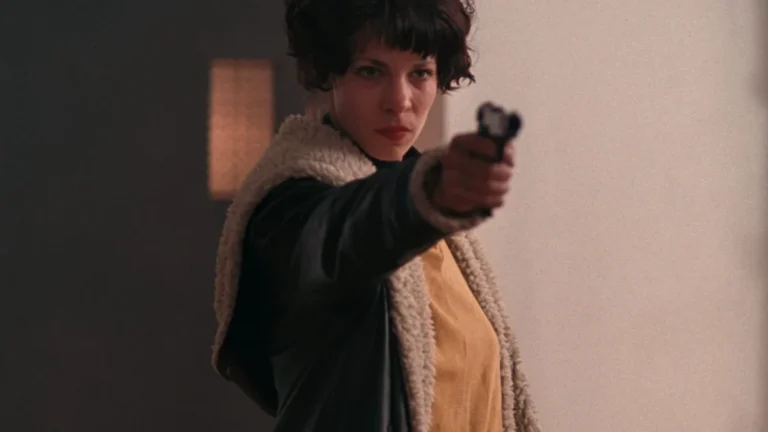
A notable addition to the cast is Mia Wasikowska, who plays Naim’s mother. Wasikowska’s character embodies the complex role of the "well-meaning" betrayer—a parent whose desire to "protect" her son leads her to participate in the very systems of oppression that threaten his life. Her performance highlights the film’s exploration of false allyship, particularly in a scene where a gesture of maternal care is immediately followed by an act of abject betrayal. Wasikowska’s involvement lends the project significant prestige, continuing her trend of supporting challenging, auteur-driven Australian cinema.
Socio-Political Context: Conversion Therapy and Queer Safety
The central "hex" in Leviticus serves as a blunt but effective metaphor for the real-world practice of conversion therapy. While many jurisdictions, including several Australian states such as Victoria and the Australian Capital Territory, have moved to ban these practices, they remain a persistent issue in various religious and conservative enclaves globally. Data from organizations like the Trevor Project and the Human Rights Campaign indicate that LGBTQ+ youth subjected to conversion efforts are significantly more likely to experience depression, anxiety, and suicidal ideation.
By literalizing these psychological harms as a monster that "only comes when you’re alone," Chiarella highlights the isolation and hyper-vigilance required for queer survival in hostile environments. The film arrives at a time when queer media has increasingly moved toward "joyful" narratives, making Leviticus a deliberate return to the "crisis" narrative, albeit one that uses the tools of horror to demand empathy rather than pity.
Visual Language and Cinematography
The cinematography of Leviticus is characterized by its focus on perception and visibility. Much of the horror is glimpsed through mirrors, windows, and camera lenses, or observed impassively by bystanders who are unable or unwilling to see the supernatural threat. This visual motif echoes the experience of queer teenagers whose struggles are often dismissed as "phases" or external influences by the adults in their lives.
Chiarella employs a "blinkered" perspective to simulate the willful ignorance of the community. Because those unburdened by the curse cannot perceive the monster, the protagonists are further gaslit by their surroundings. Even Naim’s own eyes deceive him, as the creature takes the form of his lover, turning the act of "seeing" into a source of terror rather than clarity. This dramatization of the link between perception and empathy is central to the film’s impact.
Chronology of Production and Release
The development of Leviticus began in the early 2020s, following Chiarella’s success on the international festival circuit with his short films.
- 2023-2024: Script development and securing of Australian government film grants.
- 2024: Casting announcements, including the high-profile attachment of Mia Wasikowska.
- Late 2024: Principal photography took place over eight weeks in regional New South Wales, utilizing local industrial sites to achieve the film’s distinctive "weathered" look.
- 2025: Post-production, including the development of the film’s "invisible" visual effects and an atmospheric score designed to evoke religious dread.
- Early 2026: World premiere at a major international film festival, followed by a theatrical rollout in Australia and international markets.
Industry Impact and Thematic Implications
Leviticus enters a cinematic landscape where the "queer horror" subgenre is undergoing a renaissance. While horror has historically been a space for queer coding (the "monstrous other"), contemporary films are increasingly placing queer characters at the center of the narrative as heroes rather than villains or victims.
The film’s ending, described as "ambiguously hopeful," eschews the totalizing doom typical of older queer cinema. Instead, it acknowledges that trauma—symbolized by the monster that may not be truly dead—is a lingering presence that requires long-term resilience. Chiarella’s decision to leave the threat unresolved suggests that the "hex" of homophobia is not something that can be defeated in a single climactic battle, but rather a condition that must be navigated and survived.
By fusing visceral horror conventions with a sophisticated allegorical design, Leviticus seeks to unearth truths about the queer experience that are often sanitized in mainstream media. It stands as a testament to the power of genre cinema to address complex social issues, using the "big death" of the screen to illuminate the "little deaths" of daily life under oppression. As the film continues its international run, it is expected to provoke discussion regarding the safety of queer youth and the role of religious institutions in the modern age, solidifying Adrian Chiarella’s position as a vital new voice in the global horror landscape.