


The animated short film, Lucky Brave’s Sunshine, a poignant coming-of-age space western, has transitioned from a lauded festival circuit run to widespread public availability online, marking a significant moment for independent animation and Latin American filmmaking. This nine-minute cinematic piece, crafted with distinct visual flair and emotional depth, invites viewers into a meticulously designed universe where a young cowboy’s quest to save his ailing grandmother unfolds against a backdrop of intergalactic peril and profound personal growth. Directed by the talented duo Joseph Game (known artistically as Chogrin) and Andrés Aguilar, and produced entirely within Ecuador by Matte CG & Inti Fx, the film embodies a vibrant blend of science fiction and classic western tropes, garnering critical praise and a notable endorsement from Oscar-winning director Guillermo del Toro. Its recent debut on platforms like YouTube on June 29, 2026, following a three-year journey through various international film festivals, underscores a growing trend in content distribution that democratizes access to high-quality independent cinema.
The Genesis and Creative Vision Behind Lucky Brave’s Sunshine
The narrative heart of Lucky Brave’s Sunshine originates from the imaginative world-building of Joseph Game, or Chogrin, who conceived the original story and characters. Chogrin, a visionary artist and filmmaker, has a distinctive style that often blends whimsical fantasy with poignant human narratives, making him a compelling voice in contemporary animation. His vision for Lucky Brave’s Sunshine was to explore universal themes of family, sacrifice, and environmental stewardship within an unconventional genre framework. The "space western" aesthetic is not merely a stylistic choice but serves as a thematic foundation, evoking the spirit of frontier exploration, the struggle for survival against overwhelming odds, and the inherent moral ambiguities that arise in desperate circumstances.
The collaborative process saw Andrés Aguilar joining Chogrin as co-writer and co-director, contributing significantly to the film’s narrative structure and visual execution. Aguilar, also known as "Ichi," brings his own creative sensibilities to the project, enriching the script and directorial approach. This dual leadership ensured a multifaceted perspective in bringing the complex world of Lucky Brave to life. The production itself is a testament to the burgeoning animation industry in Ecuador, with studios Matte CG & Inti Fx handling the intricate animation work. Their involvement highlights the increasing capability and artistic prowess of animation houses outside of traditional industry hubs, demonstrating a commitment to world-class quality and innovation. The involvement of celebrated Mexican filmmaker Jorge R. Gutierrez, known for works like The Book of Life, as a producer further elevated the project’s profile, lending his expertise and support to the team. Gutierrez’s endorsement and participation are particularly significant, as he is a prominent advocate for Latin American storytelling and animation on the global stage.
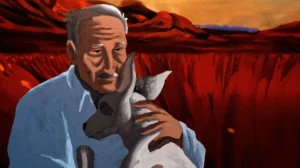
The story centers on Lucky Brave, a plucky young cowboy residing on a desolate planet somewhere in the vast expanse of space. His quest is driven by a deeply personal imperative: to find a cure for his ailing grandmother, whose health, along with that of many other inhabitants, is deteriorating. This mission leads him to a nearby planet where he encounters an adorable, luminous creature, a benevolent entity that becomes his unlikely companion. Together, they must navigate treacherous landscapes and evade dangerous predators, facing not only external threats but also profound moral dilemmas. The film poignantly asks, "but at what cost?" – a question that resonates throughout Lucky’s journey, forcing him to confront the potential consequences of his actions and the sacrifices required for his noble cause. This central ethical quandary, coupled with the endearing presence of the "glowing space doggie" (as affectionately referred to by some early viewers), grounds the fantastical elements in relatable human (or, in this case, sentient) experience.

A Triumphant Festival Run: Three Years of Acclaim and Recognition
The journey of Lucky Brave’s Sunshine from its conceptualization to its public release was significantly shaped by its extensive participation in the international film festival circuit. Premiering in 2023 at the prestigious Los Angeles Latino International Film Festival (LALIFF), the short film immediately began to gather momentum. LALIFF, founded by Edward James Olmos, is renowned for showcasing the best of Latino cinematic talent and providing a crucial platform for films that might otherwise struggle for visibility. Its inclusion at LALIFF was a strong indicator of its artistic merit and cultural significance.
Over the subsequent three years, Lucky Brave’s Sunshine continued its festival tour, gracing numerous screens at various film events worldwide. This prolonged exposure at festivals is invaluable for short films, particularly independent ones, as it offers multiple critical benefits. Firstly, it provides a vital avenue for initial exposure and critical validation, allowing filmmakers to gauge audience reactions and receive feedback from industry professionals. Secondly, festival selections often lead to awards and accolades, which significantly boost a film’s prestige and marketability. The "award-winning" status of Lucky Brave’s Sunshine is a direct result of this successful festival run, confirming its quality and impact within the competitive landscape of short-form cinema. Thirdly, festivals are crucial networking opportunities, enabling creators to connect with distributors, producers, and other artists, fostering future collaborations and career growth. For a film produced in Ecuador, the international festival circuit was instrumental in bridging geographical divides and introducing Latin American animation to a global audience. The consistent positive reception and awards garnered over these years built considerable anticipation for its eventual wider release, demonstrating that the film’s unique blend of storytelling, animation, and cultural perspective resonated across diverse viewerships.
Guillermo del Toro’s Endorsement: A Catalyst for Wider Recognition
One of the most significant endorsements for Lucky Brave’s Sunshine came from the acclaimed Mexican filmmaker Guillermo del Toro. Del Toro, an Oscar winner known for his fantastical and visually rich films such as Pan’s Labyrinth and The Shape of Water, is also a fervent champion of animation and independent voices. His public support for Lucky Brave’s Sunshine, specifically through a social media post, acted as a powerful catalyst, propelling the short film into the consciousness of a much broader audience and the industry at large.
An endorsement from a figure of del Toro’s stature is invaluable for any independent film, particularly for an animated short. It instantly confers a level of credibility and prestige that money cannot buy. Del Toro’s discerning eye for unique storytelling and masterful animation means his praise is highly respected. His tweet, acknowledging the film, served not only to highlight its artistic merits but also to draw attention to the talent emanating from Latin America. For emerging animators and studios in regions like Ecuador, such recognition from an international luminary provides an immense boost in visibility, potentially opening doors to future funding, distribution deals, and collaborations. It validates the hard work, creativity, and technical skill involved in producing a film like Lucky Brave’s Sunshine, signaling to the global animation community that Latin American talent is producing world-class content. Del Toro himself has often spoken about the importance of supporting diverse voices and narratives in filmmaking, making his endorsement of Lucky Brave’s Sunshine a consistent expression of his artistic philosophy. This high-profile recognition undoubtedly contributed to the film’s successful transition from the festival circuit to online platforms, piquing the interest of viewers who might not typically seek out independent animated shorts.

Ecuadorian and Latin American Animation: A Rising Force
The production of Lucky Brave’s Sunshine entirely in Ecuador by Matte CG & Inti Fx is a pivotal detail that underscores the growing prominence of Latin American animation on the global stage. For decades, the animation industry has been largely dominated by North American, European, and East Asian studios. However, the past two decades have witnessed a remarkable surge in talent, infrastructure, and unique storytelling emerging from Latin America. Countries like Mexico, Argentina, Colombia, Brazil, and increasingly, Ecuador, are cultivating vibrant animation scenes, producing a diverse range of projects from independent shorts to feature films and television series.
This growth is fueled by several factors: a rich cultural heritage providing fertile ground for unique narratives, a burgeoning pool of highly skilled animators and artists, and the increasing accessibility of advanced animation technology. Furthermore, government initiatives and local film funds in some countries are starting to recognize the economic and cultural value of the animation sector, providing crucial support for local productions.
Lucky Brave’s Sunshine stands as a shining example of this regional renaissance. Its technical polish, sophisticated narrative, and unique visual design demonstrate that studios in Ecuador are capable of producing animation that rivals international standards. The film’s success at international festivals and its widespread online release serve as an inspiration for other aspiring animators and studios in the region, proving that compelling stories, told with artistic integrity and technical excellence, can find a global audience regardless of their origin. This success contributes to a broader narrative of cultural exchange, bringing unique perspectives and artistic styles to the forefront of the global animation conversation. It challenges preconceived notions about where high-quality animation can originate and paves the way for greater investment and recognition for Latin American creative industries.
The Evolving Landscape of Short Film Distribution: From Festivals to Global Online Access
The decision to release Lucky Brave’s Sunshine online, making it freely available to a global audience via platforms like YouTube, reflects a significant shift in the distribution model for short films. Historically, short films primarily existed within the confines of film festivals, educational screenings, or niche art house circuits. While festivals remain crucial for initial exposure, critical acclaim, and industry networking, the advent of robust online video platforms has revolutionized how these films reach their ultimate audience.

The online debut of Lucky Brave’s Sunshine on YouTube allows for unprecedented accessibility. Viewers from any corner of the world with an internet connection can now experience this award-winning film, bypassing geographical and economic barriers that often limit traditional theatrical releases. This democratization of content consumption is particularly beneficial for independent filmmakers. It provides a direct channel to engage with audiences, gather feedback, and build a fan base without needing a large distributor. For a short film that has already completed a successful festival run, an online release maximizes its reach and extends its lifespan, allowing the creative work to continue to resonate long after its initial premieres.
Furthermore, platforms like YouTube offer analytics and engagement tools that can provide valuable insights into audience demographics and viewing habits, which can inform future projects for the creators. The ability to embed the film directly into articles, as seen on sites like FirstShowing.net, further amplifies its discoverability, integrating it seamlessly into broader cinematic discussions and recommendations. This new distribution paradigm underscores a fundamental change in how film culture operates, giving independent voices a powerful platform to compete for attention alongside mainstream productions. It fosters a more diverse and vibrant cinematic ecosystem where artistic merit can, with the right strategic release, find its deserving audience.
Broader Implications and The Future of Independent Animation
Lucky Brave’s Sunshine is more than just an entertaining short film; it is a significant cultural artifact with broader implications for the animation industry and independent filmmaking. Its success signifies several key trends:
- Validation of Regional Talent: The film unequivocally demonstrates the high caliber of animation talent and production capabilities within Ecuador and, by extension, Latin America. This will likely encourage further investment and development in these regions, fostering a new generation of animators and storytellers.
- The Power of Narrative Diversity: By blending genres like sci-fi and western with a deeply personal coming-of-age story, the film showcases the power of unique cultural perspectives to enrich global storytelling. It challenges the homogenization of narratives often seen in mainstream productions.
- Strategic Distribution for Shorts: Its carefully managed journey from exclusive festival screenings to a widespread online release provides a successful blueprint for other independent short filmmakers seeking to maximize their reach and impact. This hybrid approach leverages the prestige of festivals and the accessibility of digital platforms.
- Influence of Key Endorsers: The impact of Guillermo del Toro’s endorsement highlights the continuing importance of influential figures in shaping public perception and directing attention towards deserving independent works.
- Engagement with Moral and Ethical Themes: The film’s central question, "but at what cost?", elevates it beyond mere entertainment, inviting viewers to reflect on themes of sacrifice, environmental responsibility, and the ethical dilemmas inherent in quests for betterment. This intellectual depth makes it a compelling piece for discussion and analysis.
In conclusion, Lucky Brave’s Sunshine represents a triumph of independent animation, a testament to the collaborative spirit of its creators, and a beacon for the burgeoning talent in Latin America. Its compelling narrative, stunning visuals, and heartfelt themes resonate deeply, earning it accolades and the admiration of industry giants. Now, with its widespread availability online, the film is poised to capture the hearts and minds of a global audience, solidifying its place as a noteworthy contribution to contemporary short-form cinema and paving the way for future innovations in animation from diverse cultural landscapes. The journey of Lucky Brave, both within the film and as a production, serves as an inspiring narrative of perseverance, creativity, and the enduring power of storytelling.