


For the first time in more than half a century, the streets of Manhattan are being transformed into a corridor of celebration as the New York Knicks commemorate their first NBA championship win in 53 years. The victory, which concludes a drought dating back to 1973, has triggered a massive logistical undertaking by the city, culminating in a ticker-tape parade through the "Canyon of Heroes" in lower Manhattan. While hundreds of thousands of fans are expected to line the parade route in person on Thursday morning, a significant portion of the global fan base—and those confined to offices within the city—will be observing the festivities through an unconventional lens. Artist and technologist Morry Kolman has repurposed the city’s vast network of traffic cameras to provide a unique, multi-angle livestream of the event, a project he has titled GardenCam.
The GardenCam initiative represents a convergence of sports mania, public art, and the utilization of urban surveillance infrastructure. Throughout the Knicks’ historic finals run against the San Antonio Spurs, Kolman has been streaming and archiving footage from New York City Department of Transportation (DOT) cameras, capturing the raw, unedited reactions of a city that has waited five decades for a title. The project offers a digital alternative to traditional broadcast coverage, allowing viewers to see the parade and the surrounding revelry through the same sensors the city uses to monitor traffic flow and public safety.
A Half-Century of Anticipation: The Context of the Win
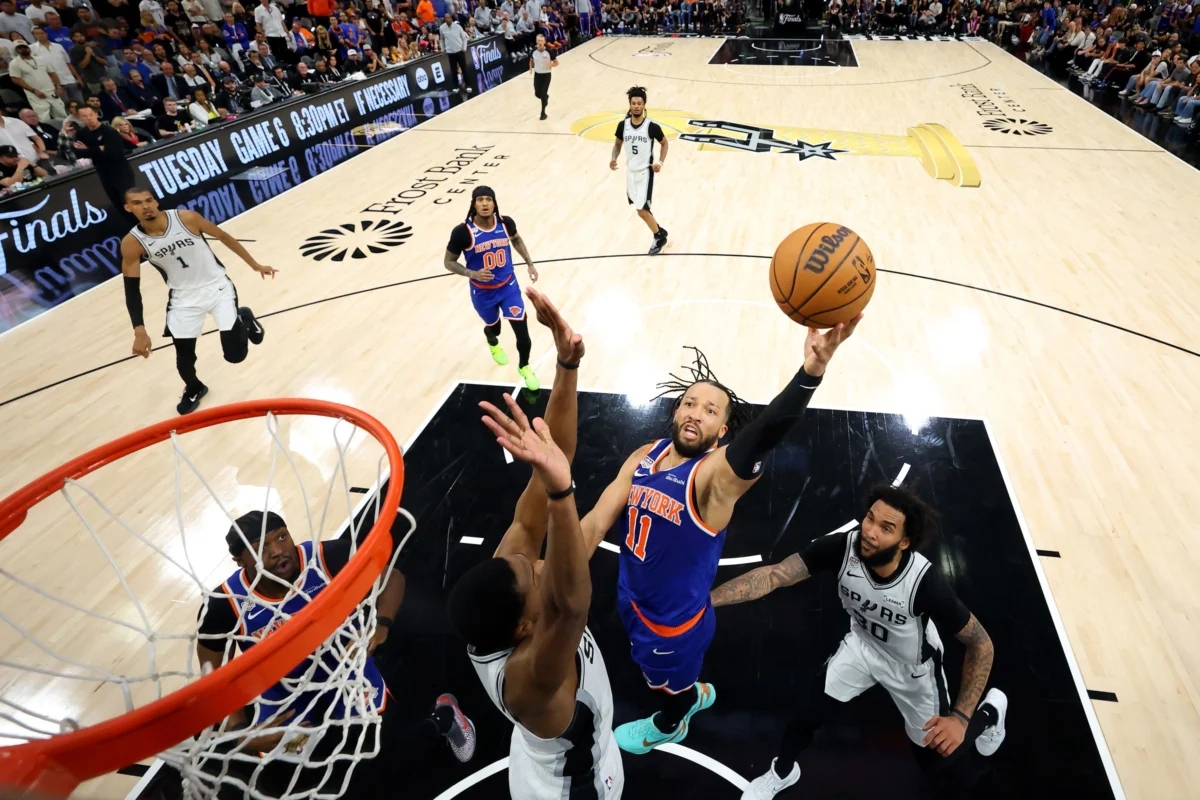
The significance of this championship cannot be overstated within the context of New York sports history. Before this season’s triumph, the Knicks’ last title came during the 1972-1973 season, led by legendary figures such as Willis Reed, Walt Frazier, and Earl Monroe. In the intervening 53 years, the franchise experienced several eras of hope followed by heartbreak, most notably the Patrick Ewing years of the 1990s, which saw the team reach the finals twice without securing the trophy.
The 2024 championship run against the San Antonio Spurs was characterized by a dramatic shift in momentum. Following an ecstatic victory in Game 2, the energy in New York reached a fever pitch, manifesting in spontaneous street celebrations around Madison Square Garden (MSG). It was this "bigger energy rippling through the city," as Kolman described it, that served as the catalyst for the GardenCam project. A native New Yorker, Kolman sought a way to document the collective experience of a fan base that has historically "suffered through many seasons of tragedy and loss."
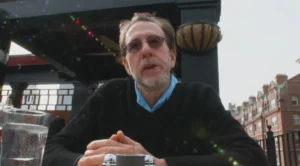
The decision to use traffic cameras was born out of a suggestion from a legal associate, aimed at capturing the massive crowds gathering outside MSG. Kolman, whose work often sits at the intersection of technology and social commentary—a practice he humorously labels as "high-effort shitposting"—noted that while thousands of fans were posting first-person videos on social media, the traffic cameras provided a detached, bird’s-eye perspective that captured the scale of the movement in a way a smartphone could not.
Chronology of the GardenCam Project and the Finals
The development of GardenCam followed the trajectory of the NBA Finals, with the project’s tone and utility shifting alongside the events on the court and in the political sphere.
- The Game 2 Surge: Following a pivotal win that leveled the series, fans swarmed the intersections surrounding Madison Square Garden. Kolman began aggregating feeds to document the joy of the crowd, focusing on the intersection of 7th Avenue and 32nd Street.
- The Game 3 Shift: The project took an unexpected turn during Game 3. The attendance of former President Donald Trump at the game necessitated a massive security presence. Instead of capturing celebrations, the traffic cameras documented the rapid implementation of a security perimeter. Kolman observed that the tools of celebration had transitioned into tools for witnessing the "live imposition of a perimeter and police state around midtown."
- The Championship Victory: As the Knicks secured the final win against the Spurs, the project transitioned into an archival tool, recording the immediate aftermath of the victory across various Manhattan hubs.
- The Parade Livestream: The current phase of the project focuses on the parade route, which begins in lower Manhattan and concludes at City Hall. Kolman has mapped out specific cameras along the route to ensure a continuous stream for those unable to attend.
Technical and Legal Infrastructure: The Surveillance Network
The GardenCam project relies on the publicly available feeds provided by the NYC DOT. The city maintains a network of over 900 cameras across the five boroughs, primarily used for real-time traffic management. These cameras typically provide low-resolution, refreshing still images or low-frame-rate video, which Kolman archives and streams to create a cohesive narrative of the city’s streets.
However, the use of these feeds has a contentious history. In early 2024, Kolman launched a predecessor project known as "Traffic Cam Photobooth." This interactive art piece allowed users to locate themselves on a map and trigger a traffic camera to take a "selfie" of them in the street. The project was an immediate viral success but drew the ire of city officials.
The NYC DOT issued a cease-and-desist letter to Kolman, arguing that the project "encourages and promotes the unauthorized use of New York City traffic cameras" and created significant safety hazards by encouraging pedestrians to stand in the middle of busy intersections for photos. The agency ordered the removal of all URLs linking to city-owned camera maps. In a defiant artistic gesture, Kolman photographed the cease-and-desist letter using one of the very traffic cameras in question before eventually exhibiting the project at Art Basel in Miami.
Official Responses and Public Safety Measures
In a notable shift in policy, the NYC DOT has signaled a more permissive stance toward GardenCam during the championship celebrations. A spokesperson for the agency confirmed to journalists that the DOT "has no objection to the GardenCam project" at this time, though they declined to provide further details on why this project is viewed differently than the Photobooth initiative.
The change in stance may be attributed to the nature of the parade itself. Unlike the Photobooth project, which encouraged individuals to enter traffic lanes, the parade involves pre-planned street closures and a total ban on vehicles, bicycles, and scooters along the route. With the "inherent safety" concerns of traffic mitigated by the NYPD’s parade security plan, the use of the cameras for observation rather than interaction appears to fall within an acceptable use case for the city.
The NYPD has implemented a comprehensive security apparatus for the parade, including:
- Street Closures: Full closures of Broadway from the Battery to City Hall.
- Transit Adjustments: Select subway entrances near the parade route have been closed or designated as "exit only" to manage crowd flow.
- Surveillance Integration: While Kolman uses the feeds for art and public access, the NYPD utilizes the same network for real-time crowd monitoring and threat assessment.
Analysis of Implications: Art, Surveillance, and Civic Joy
The GardenCam project raises several interesting points regarding the role of surveillance in modern society. Traditionally, CCTV and traffic cameras are viewed through the lens of state control or crime prevention. By repurposing these feeds to document a moment of peak civic joy, Kolman effectively "reclaims" the surveillance network for the public.
From a sociological perspective, the ability to watch the city celebrate through its own infrastructure provides a sense of transparency. During Game 3, when the cameras captured the "police state" atmosphere, the project functioned as a form of sousveillance—monitoring the monitors. During the parade, it functions as a digital commons, allowing the "begrudgingly stuck" office worker to participate in a shared cultural moment.
Furthermore, the archival aspect of GardenCam creates a unique historical record. While television networks focus on the players and the trophies, Kolman’s archive focuses on the architecture of the city and the behavior of the masses. It captures how a championship win alters the literal flow of a metropolis—how streets normally reserved for yellow cabs become rivers of blue and orange.
Conclusion: A City Transformed
As the Knicks’ parade progresses through the streets of lower Manhattan, the GardenCam project stands as a testament to the resilience of New York sports fans and the creative potential of urban technology. For Morry Kolman, the project is a way to harmonize the "high-effort" technical requirements of livestreaming with the "shitposting" spirit of internet culture.
The 2024 championship will be remembered for the end of a 53-year wait, but it will also be remembered for how it was watched. In an era where every moment is recorded by a thousand different handheld devices, the grainy, overhead view of a traffic camera offers a different kind of truth—a wide-angle look at a city finally finding a reason to stop traffic and celebrate. With the DOT’s tacit approval and a city united in revelry, GardenCam has successfully turned the eyes of the state into the eyes of the fans.