
The landscape of the American media industry underwent a seismic shift during the 2026 "upfronts," the annual high-stakes week where major television networks and streaming platforms pitch their upcoming programming to advertisers to secure billions of dollars in advanced commitments. While these presentations have historically been the exclusive domain of Hollywood A-listers, high-budget scripted dramas, and major league sports, this year’s events featured a different kind of headliner. From the stage at Lincoln Center to the high-tech displays at the Javits Center, "creator content"—videos produced by independent digital personalities—shared equal billing with traditional studio productions, signaling a fundamental transformation in how media is consumed, valued, and monetized.
The inclusion of digital creators like Jesse "Jesser" Riedel and podcast titans such as Alex Cooper alongside industry icons like Oprah Winfrey and Gordon Ramsay marks the culmination of a decade-long migration of audiences from linear television to social and streaming platforms. As media companies grapple with the fragmentation of viewership, the 2026 upfronts served as a definitive acknowledgement that the "creator economy" is no longer a peripheral niche but a central pillar of the global media ecosystem.
The Economic Reality of the Creator Economy
The pivot toward creator-led content is driven by staggering financial data. According to a 2026 report from the Interactive Advertising Bureau (IAB), advertiser spending on creator-driven content reached $37 billion in 2025. This figure is projected to grow to $44 billion by the end of 2024, representing one of the fastest-growing sectors in the entire advertising market. This growth comes at a time when traditional linear television ad revenue continues to face pressure from declining cable subscriptions and the rise of ad-free or ad-supported streaming tiers.
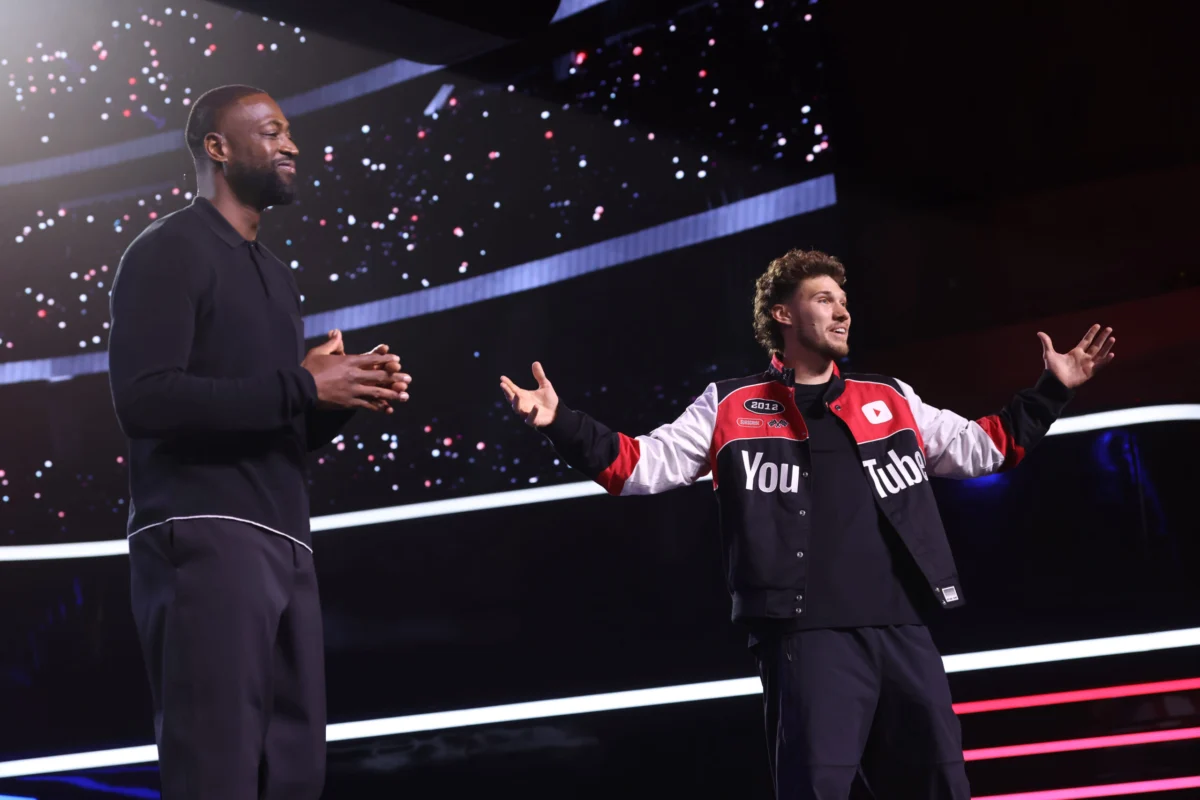
Brian Albert, managing director of YouTube Solutions, articulated this shift during the YouTube Brandcast event, noting that creators have evolved into this generation’s primary storytellers and tastemakers. The value proposition for advertisers is no longer just about raw reach; it is about the "trust" and "community" that creators build with their audiences. Unlike traditional television stars who may feel distant from their viewers, digital creators often maintain a "one-to-one" relationship with their followers through comments, live streams, and interactive social media engagement. This intimacy translates into higher brand recall and consumer intent, making creator partnerships an essential component of modern marketing budgets.
YouTube’s Dominance and the Brandcast Pitch
YouTube, the platform that birthed the creator economy, remains the dominant force in this new era. According to Nielsen’s "The Gauge" report for February 2026, YouTube accounted for 12.7% of all streaming viewership in the United States, comfortably outpacing Netflix’s 8.4%. This dominance was the centerpiece of YouTube’s "Brandcast" event, held on Wednesday of the upfront week.
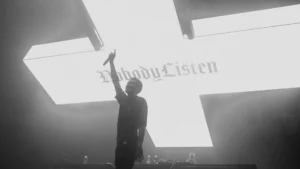
The presentation featured a diverse array of talent, ranging from comedian Trevor Noah and podcast host Alex Cooper to YouTube-native stars like Jesse Riedel. Riedel, known to millions as "Jesser," represents the professionalization of the medium. His content, which blends sports, entertainment, and lifestyle, has allowed him to build a brand that rivals traditional production houses in terms of production value and audience loyalty. For advertisers, the message was clear: YouTube is no longer just a site for "user-generated content"; it is the most-watched television screen in the country.
Legacy Media’s Strategic Pivot: Fox and Warner Bros. Discovery
The most telling sign of the creator economy’s maturity was its integration into the presentations of legacy media giants like Fox Corporation and Warner Bros. Discovery (WBD). These companies, which built their empires on studio-led content, are now aggressively incorporating digital influencers to bridge the gap between traditional TV and social media.
Fox Corporation highlighted its new "Fox Creator Studios," a division specifically designed to partner with next-generation talent to develop new formats. Leading this effort is celebrity chef Gordon Ramsay, a figure who has successfully bridged the gap between Michelin-star dining, network television, and viral TikTok content. At the Fox upfront, Ramsay appeared alongside NFL legend Tom Brady, illustrating how Fox is blending established sports and entertainment royalty with digital-first strategies.

Fox’s strategy heavily leverages Tubi, its free, ad-supported streaming service (FAST). Tubi has become a critical vehicle for reaching Gen Z, a demographic that is increasingly difficult to find on traditional cable. By inking deals with YouTube personalities to create exclusive content for Tubi, Fox is effectively "importing" massive, pre-built audiences onto its platform. A notable example is the soccer-focused series led by Jesse Riedel, which premiered on Tubi shortly after the upfronts.
Similarly, Warner Bros. Discovery is leaning into its unscripted roster to foster creator partnerships. Karen Bronzo, WBD’s chief global marketing officer for U.S. networks and news, emphasized that the company has been working with influencers for years, but the scale has changed. WBD is now using its social media channels to launch original series, such as a new Food Network project featuring chef Esther Choi. By utilizing personalities from HGTV and the "Puppy Bowl," WBD is creating a "halo effect" where digital content drives viewers to linear networks and vice versa.
The Evolution of Video Podcasting: Amazon and Wondery
Amazon’s Prime Video and its podcasting division, Wondery, also made a significant impact during the upfronts by focusing on the "360-degree" nature of modern content. The distinction between "watching" and "listening" is blurring as more podcasts adopt a video-first format.
Angie More, head of creator advertising partnerships at Amazon, noted that podcasting is no longer a single-medium experience. Audiences may consume a long-form video version of a podcast on a streaming platform, watch short-form clips on social media, and listen to the audio version during their commute. This omnipresence offers advertisers multiple touchpoints with the same consumer.
The centerpiece of Amazon’s pitch was a multiyear deal with Oprah Winfrey. The agreement brings "The Oprah Podcast" to Amazon’s Wondery, including both new episodes and a vast library of past content. Winfrey’s move into the Amazon ecosystem underscores a broader trend: even the most established traditional media icons are recognizing the necessity of platform-agnostic, creator-style distribution models.
Chronology of the 2026 Upfronts Week
The integration of creators was visible throughout the week’s schedule:
- Monday: Fox Corporation kicked off the week by introducing Fox Creator Studios. The presentation focused on the synergy between live sports (NFL) and creator-led digital content, emphasizing Tubi’s role in reaching younger demographics.
- Tuesday: Amazon’s Prime Video highlighted its massive reach through "Thursday Night Football" and its expanded podcasting slate. The appearance of Oprah Winfrey served as a bridge between traditional prestige media and the modern digital landscape.
- Wednesday: A pivotal day for the industry. In the morning, Warner Bros. Discovery showcased its "social-first" originals for the Food Network and HGTV. In the evening, YouTube held its Brandcast at Lincoln Center, presenting data that positioned the platform as the leader in total streaming time.
- Thursday: Industry wrap-ups and smaller independent presentations focused on the technical aspects of the shift, including new "shoppable" ad formats that allow viewers to purchase products directly from creator videos.
Analysis of Implications: The End of the "Studio vs. Creator" Divide
The 2026 upfronts may be remembered as the moment the wall between "studio-led" and "creator-led" content finally collapsed. Julie Clark, senior vice president of media and entertainment at TransUnion, observed that the content landscape has shifted into a "singular view." Whether it is a $100 million scripted series or a high-production video podcast, the industry now measures value through engagement, trust, and demographic reach.
This shift has several long-term implications for the media industry:
- Demographic Imperatives: Advertisers are desperate to reach Gen Z and "Generation Alpha," cohorts that do not consume media through traditional channels. Creators are the only reliable way to capture this attention.
- Efficiency and ROI: Streaming platforms offer more precise data and "more bang for the buck" than traditional TV. The ability to target specific creator communities allows for more efficient ad spending.
- Talent Migration: We are seeing a two-way street where digital creators are moving into "Hollywood" roles (like Jesse Riedel’s Tubi series), and Hollywood stars are adopting creator tactics (like Gordon Ramsay’s social media empire).
- The Rise of FAST Services: Platforms like Tubi and Pluto TV are becoming the new "basic cable," but with a much lower barrier to entry for creators and a more flexible ad model for brands.
As the 2026 upfronts concluded, the takeaway for the advertising world was clear: the future of media is personal, community-driven, and increasingly platform-agnostic. The "stars" of tomorrow are just as likely to be found on a smartphone screen as they are on a movie screen, and the world’s biggest media companies are finally ready to invite them onto the main stage.