


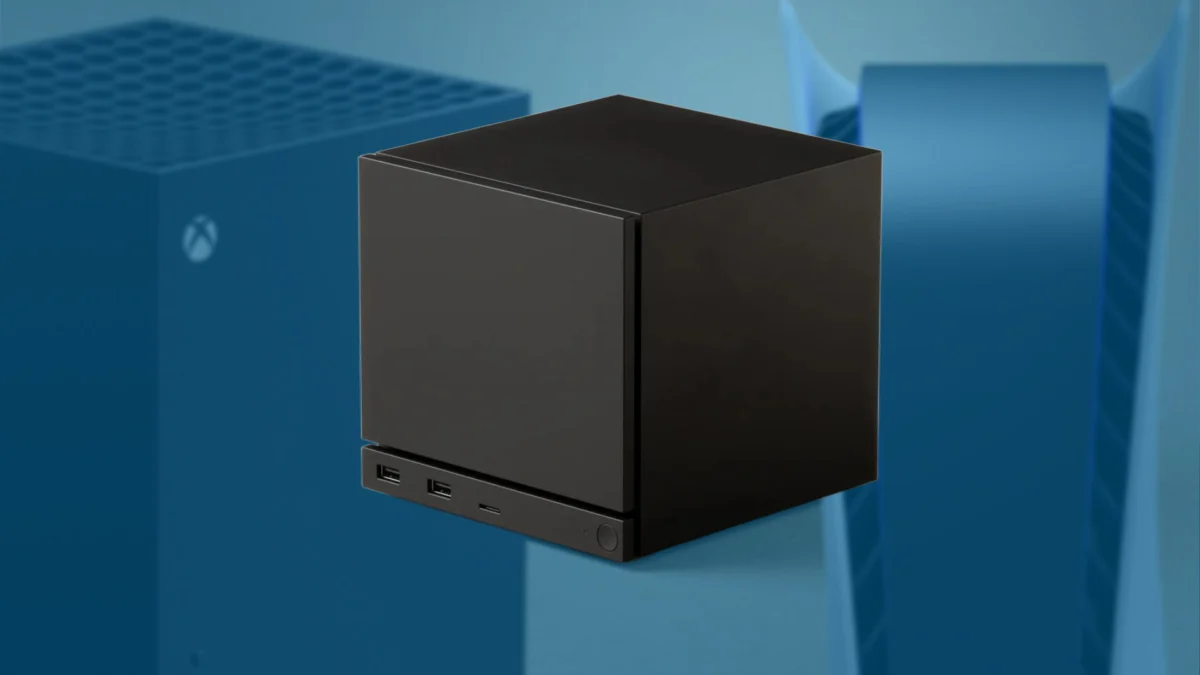
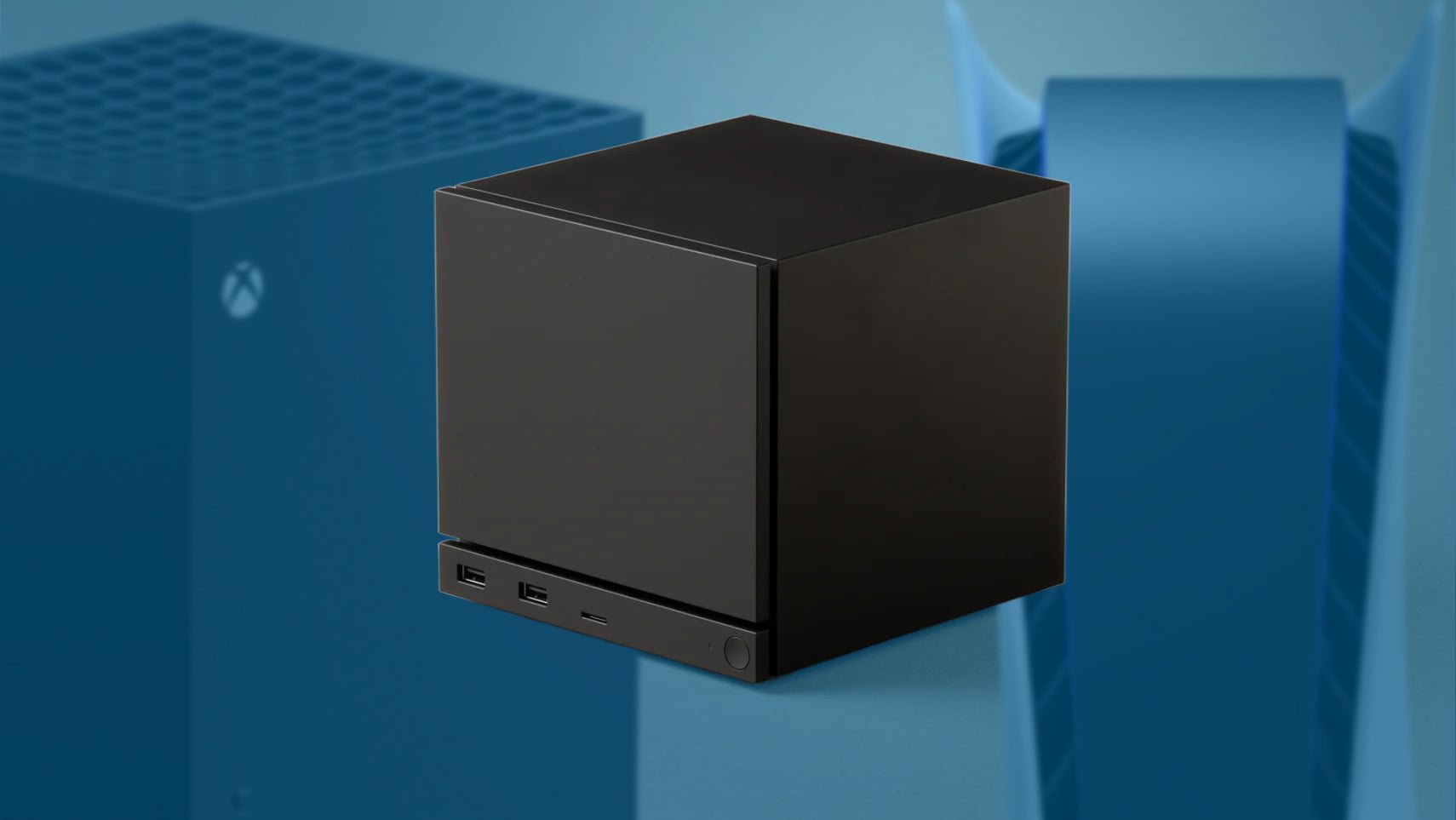
Valve Corporation has officially entered the competitive living room hardware market with the launch of its new Steam Machine, signaling a definitive departure from the traditional business models employed by established console manufacturers. Unlike Sony, Microsoft, and Nintendo, which have historically utilized hardware subsidization to gain market share, Valve is positioning its high-end gaming hardware as a premium, open-platform alternative. The company’s refusal to sell hardware at a loss marks a significant ideological shift in the gaming industry, prioritizing consumer freedom and ecosystem health over aggressive price-point competition.
The Steam Machine arrives at a time when the boundaries between personal computers and home consoles are increasingly blurred. By introducing a small form-factor PC designed specifically for the living room, Valve is attempting to bridge the gap between the flexibility of PC gaming and the convenience of a dedicated console. However, this bridge comes with a substantial price tag. Valve’s base 512GB Steam Machine model is priced at £879. For consumers seeking higher specifications, the 2TB model retails for £1,149. When paired with the proprietary Steam Controller, these prices rise to £938 and £1,428, respectively.
The Economics of Hardware Subsidization
For decades, the "razor and blade" business model has defined the console industry. Companies like Sony and Microsoft often sell their flagship hardware—such as the PlayStation 5 or Xbox Series X—at or below the cost of manufacturing and distribution. This strategy, known as subsidization, is intended to lower the barrier to entry for consumers. Once a user is within the ecosystem, the manufacturer recoups the initial loss through software licensing fees, digital storefront commissions, and recurring subscription services like PlayStation Plus or Xbox Game Pass.
Valve, however, has explicitly rejected this approach. In a recent press release, the company characterized subsidization as a tool for creating "closed systems." Valve’s leadership argues that when a company sells hardware under cost, it creates a financial necessity to lock users into a specific software environment to ensure profitability. By pricing the Steam Machine according to its actual manufacturing and development costs, Valve maintains that it is preserving the fundamental nature of the PC as an open platform.
"While subsidization might seem like an easy solution, it doesn’t align with our beliefs about how healthy ecosystems are built," Valve stated. "If there’s anything we’re religious about at Valve, it’s our belief that open systems are better in the long run, for ourselves and customers."
Defining the "Open PC" Philosophy
The core of Valve’s strategy lies in the definition of what constitutes a personal computer. Lawrence Yang, an interface designer at Valve, emphasizes that the utility of a PC is derived from its lack of restrictions. According to Yang, the moment hardware is locked into specific models or restricted from running third-party software, it ceases to be a true PC.
"A PC is a PC: the second you start locking things into certain SKUs or into certain models, it’s not really a PC any more, in our mind," Yang noted in a recent interview. This philosophy extends to the software level. While the Steam Machine is optimized to run SteamOS—a Linux-based operating system—Valve does not prevent users from installing alternative operating systems like Windows or competing digital storefronts such as the Epic Games Store or GOG.
This transparency is a direct challenge to the "walled garden" approach of traditional consoles. On a PlayStation or Nintendo Switch, the manufacturer maintains absolute control over what software can be installed and how transactions are processed. Valve’s counter-argument is that "if you buy a game, you should be able to play it on any PC," regardless of the hardware manufacturer.
The Competitive Landscape: Project Helix and the Hybrid Threat
Despite Valve’s commitment to openness, the Steam Machine faces a daunting competitive landscape. The most immediate threat appears to be Microsoft’s rumored "Project Helix." According to Xbox lead Asha Sharma, Project Helix is envisioned as a hybrid device capable of bridging the gap between Xbox consoles and high-end PCs. Sharma has suggested that the device will "lead in performance" while maintaining compatibility across both ecosystems.
Unlike the Steam Machine, Project Helix is expected to benefit from Microsoft’s massive financial resources, likely resulting in a subsidized price point that significantly undercuts Valve’s hardware. This presents a strategic dilemma: can an expensive, unsubsidized PC compete with a more powerful, cheaper device backed by a trillion-dollar corporation?
When questioned about the potential disruption posed by Microsoft, Valve engineer Yazan Aldehayyat remained indifferent to the competitive pressure. "We believe in choice," Aldehayyat said. "Steam Machine is just one more way for people to play their games. The more ways there are, the better. If Project Helix is another option for people that offers different performance points or different experiences, that’s great."
Technical Specifications and Market Positioning
The Steam Machine’s high entry price is reflective of its internal components and the engineering required to maintain high performance within a compact chassis. While specific component lists vary by region, the hardware is designed to handle modern AAA titles at high resolutions, a feat that requires significant thermal management in a small form factor.
The pricing structure is as follows:
- Base Model (£879): Features 512GB of high-speed NVMe storage and the standard SteamOS suite.
- Premium Model (£1,149): Upgrades storage to 2TB, catering to enthusiasts with large digital libraries.
- Input Hardware: The Steam Controller, which utilizes haptic trackpads instead of traditional dual-analog sticks, is sold separately for approximately £59, though it is often bundled in "Living Room Kits."
Valve’s target demographic is not the average console consumer looking for a £400 entry point into gaming. Instead, the company is targeting PC enthusiasts who desire a seamless living room experience without the bulk of a traditional tower PC. It also appeals to users who have already invested heavily in the Steam ecosystem and wish to bring their existing libraries to the big screen without the limitations of a closed console.
Historical Context and Evolution of Steam Hardware
The current Steam Machine represents the culmination of a decade of experimentation. Valve first announced the Steam Machine concept in 2013, partnering with various third-party manufacturers like Alienware and Zotac. However, that initial launch was met with criticism regarding the fragmented hardware specifications and the early-stage instability of SteamOS.
Since then, Valve has refined its hardware strategy significantly. The success of the Steam Deck, Valve’s handheld gaming PC, proved that there was a massive market for Linux-based gaming devices using the Proton compatibility layer. Proton allows Windows-based games to run on Linux with minimal performance loss, effectively solving the "software gap" that plagued the original Steam Machines.
The new Steam Machine is, in many ways, the stationary sibling of the Steam Deck. It utilizes the same software advancements but scales the hardware up to meet the power demands of 4K living room gaming.
Fact-Based Analysis of Industry Implications
Valve’s move into the living room is a calculated risk. By pricing the hardware at a premium, Valve avoids the financial volatility associated with losing money on every unit sold. However, this also limits the device’s potential for mass-market adoption. In the short term, the Steam Machine is unlikely to dethrone the PlayStation 5 or Xbox Series X in terms of unit sales.
However, Valve’s goals may not be purely based on hardware sales volume. By establishing a presence in the living room, Valve is securing the future of its digital storefront. As Microsoft moves to integrate its PC and console ecosystems, Valve must ensure that Steam remains a viable and attractive platform regardless of where the user is playing.
Industry analysts suggest that Valve’s "open system" rhetoric is also a preemptive defense against potential antitrust regulations. By positioning itself as the champion of consumer choice and open hardware, Valve distinguishes itself from the "gatekeeper" reputations of its competitors.
Conclusion and Outlook
The Steam Machine is currently available through a reservation system, with Valve beginning dispatches later this month. Early reports indicate that stock is limited, a common occurrence for Valve hardware launches, which often prioritize steady distribution over massive retail blitzes.
Whether the Steam Machine can justify its high price point remains to be seen. For the price of a top-tier Steam Machine, a consumer could purchase both a PlayStation 5 and an Xbox Series X, with enough remaining capital for several years of subscription services. Valve is betting that for a specific segment of the market, the value of an open, unrestricted PC experience is worth the premium.
As the gaming industry continues to evolve toward cloud services and cross-platform play, Valve’s commitment to "the PC as a platform" remains its most defining characteristic. The Steam Machine is not just a console; it is a statement of intent that the living room does not have to be a closed ecosystem.