


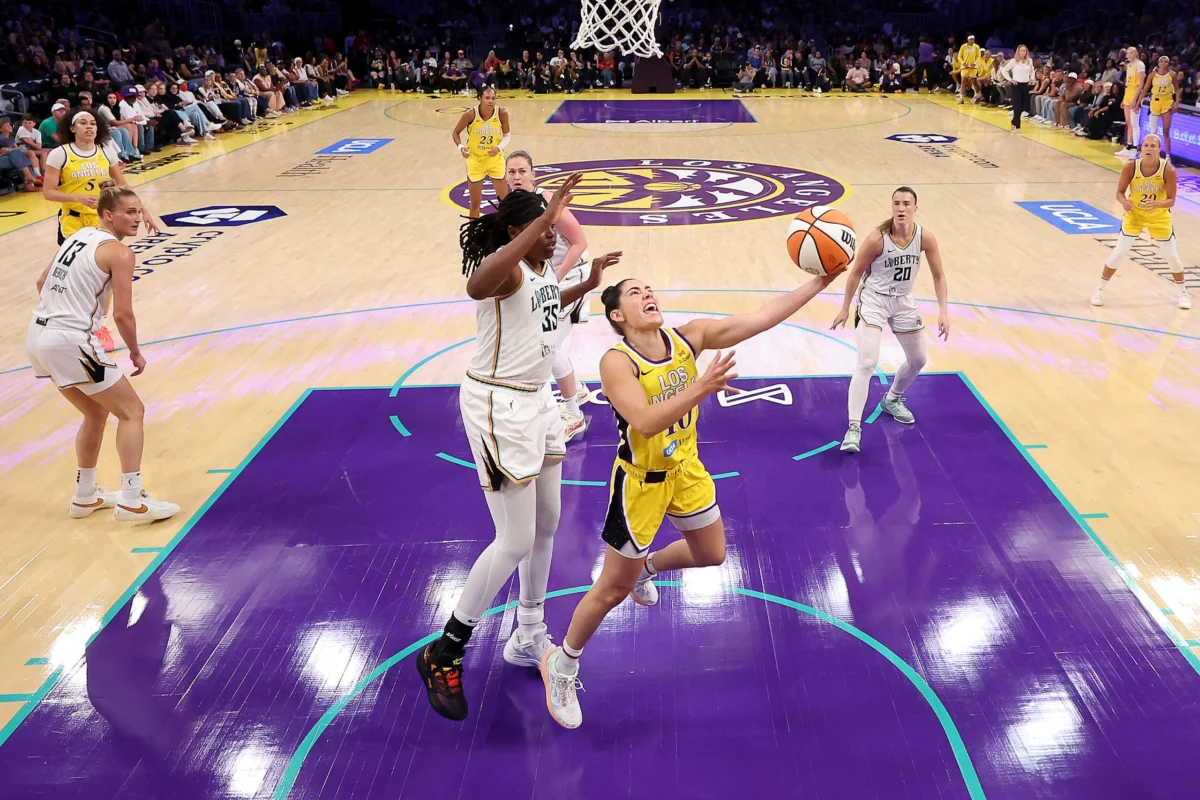
On Sunday, June 21, at 5 p.m. PT/8 p.m. ET, the Los Angeles Sparks will host the New York Liberty in a highly anticipated matchup at the Crypto.com Arena, marking a significant moment in the WNBA’s vibrant history. This game, broadcast nationally on ESPN, serves as a powerful testament to the league’s remarkable journey and its escalating prominence in the sports landscape. It also inaugurates ESPN’s "Women’s Sports Sundays," a dedicated nine-week summer franchise designed to amplify the visibility of women’s professional leagues, including the WNBA and NWSL, underscoring a growing commitment from major media outlets to women’s athletics. For fans seeking to experience this pivotal event without traditional cable, streaming services like Sling TV offer accessible and budget-friendly options to watch the live action online.
The Monumental Matchup and Broadcast Details
The clash between the New York Liberty and the Los Angeles Sparks is more than just another regular-season game; it is a convergence of history, rivalry, and the current trajectory of women’s basketball. Both franchises are foundational pillars of the WNBA, having been among the league’s original eight teams when it tipped off its inaugural season in 1997. Their enduring presence and historical rivalry add a profound layer of significance to any encounter, especially one highlighted on a national stage. The game, taking place at the state-of-the-art Crypto.com Arena, promises a high-stakes competition between two teams often vying for league supremacy.
ESPN’s decision to launch "Women’s Sports Sundays" with this particular game speaks volumes about the WNBA’s increasing marketability and fan appeal. This initiative is designed to provide consistent primetime exposure for women’s sports, moving beyond sporadic broadcasts to establish a regular, prominent slot. Such dedicated programming is crucial for building sustained viewership, attracting new fans, and further cementing the WNBA’s status as a top-tier professional league. It represents a strategic investment by ESPN into a rapidly growing sector of the sports industry, recognizing the immense talent and compelling narratives within women’s sports.
For cord-cutters and modern viewers, accessing this game is straightforward through various streaming platforms. Sling TV, known for its flexible and affordable packages, emerges as a prime choice. The Sling Orange plan, priced at $45.99 per month, is specifically tailored for sports and family entertainment, granting subscribers access to over 30 live channels, critically including ESPN. This plan is ideal for dedicated sports enthusiasts who prioritize channels like ESPN, ESPN2, and ESPN3. Additionally, Sling TV offers a convenient "1 Day Pass" for $4.99, providing a cost-effective solution for those who wish to watch specific games or events without committing to a monthly subscription.
For those desiring a more comprehensive channel lineup, the Sling Orange & Blue plan presents the best value. Starting at $60.99 per month, this bundled package combines the offerings of both individual Sling Orange and Sling Blue plans, delivering over 50 channels. This expanded selection includes not only all ESPN channels but also a broader array of news, entertainment, and sports networks, catering to diverse household viewing preferences. Channel availability and pricing are subject to local TV market variations, and prospective subscribers are encouraged to verify specific offerings through Sling TV’s official website.
A League Forged in History: The WNBA’s Journey
The Women’s National Basketball Association (WNBA) stands as a testament to perseverance, vision, and the undeniable talent of female athletes. Conceived in April 1996 and commencing play on June 21, 1997, the league was born from the success and popularity of the U.S. Women’s Olympic Basketball Team, which captured gold at the 1996 Atlanta Games. The initial vision was bold: to establish a professional women’s basketball league that mirrored the NBA’s structure and professionalism, providing a legitimate and aspirational platform for female basketball players in the United States.
The WNBA’s inaugural season featured eight teams: the Charlotte Sting, Cleveland Rockers, Houston Comets, Los Angeles Sparks, New York Liberty, Phoenix Mercury, Sacramento Monarchs, and Utah Starzz. The very first WNBA game took place on June 21, 1997, between the New York Liberty and the Los Angeles Sparks, a fitting historical echo for the current matchup. This initial contest, held at the Great Western Forum in Inglewood, California, drew significant attention and set the stage for what would become a formidable league.
The early years of the WNBA were marked by both fervent enthusiasm and significant challenges. The league had to carve out its own identity while operating under the shadow of its male counterpart, navigating issues of media exposure, sponsorship, and fan engagement. Despite these hurdles, foundational stars like Cynthia Cooper, Lisa Leslie, Sheryl Swoopes, and Rebecca Lobo captivated audiences with their skill, athleticism, and charisma, establishing a strong base for the league’s future. The Houston Comets, led by Cooper, dominated the early years, winning the first four WNBA championships from 1997 to 2000, establishing an early dynasty.
Over its nearly three-decade history, the WNBA has continuously evolved. It expanded to its peak of 16 teams before contracting and stabilizing at 12 teams, a structure that has fostered intense competition. The league has weathered economic downturns, changes in ownership, and shifts in media consumption, emerging stronger with each challenge. Key milestones include landmark collective bargaining agreements that have incrementally improved player salaries, benefits, and travel conditions; growing international appeal; and a consistent production of elite talent that has elevated the quality of play year after year. As the league approaches its actual 30th anniversary in 2027, it does so with unprecedented momentum, reflecting a journey from ambitious inception to a recognized force in professional sports.
A Storied Rivalry: Liberty vs. Sparks
The New York Liberty and Los Angeles Sparks are not just two of the WNBA’s original franchises; they represent one of the league’s most enduring and compelling rivalries. From the very first game in 1997, their matchups have often carried an extra layer of intensity, fueled by coast-to-coast narratives, star power, and a battle for early league dominance.
The Liberty, playing in the nation’s largest media market, quickly established themselves as a formidable presence, reaching the WNBA Finals in 1997, 1999, 2000, and 2002, though famously falling short of a championship each time. Led by stalwarts like Teresa Weatherspoon, Sue Wicks, and later Becky Hammon, the Liberty became synonymous with grit and resilience.
Across the country, the Los Angeles Sparks, spearheaded by the iconic Lisa Leslie, along with dynamic players like Tamecka Dixon and Mwadi Mabika, emerged as a powerhouse. The Sparks broke through to win back-to-back championships in 2001 and 2002, often at the expense of other top contenders. Their success in the early 2000s cemented their status as one of the league’s premier organizations.
The rivalry between these two teams has often mirrored the broader cultural and economic dynamic between New York and Los Angeles. Their games were frequently high-scoring, intensely physical, and decided in the final possessions. Memorable moments abound, from Weatherspoon’s half-court heave in the 1999 Finals (though against Houston) to countless regular-season battles that felt like playoff contests. These matchups have historically drawn strong attendance and television ratings, showcasing the league’s ability to create compelling narratives and passionate fan bases.
In recent years, both teams have continued to evolve, recruiting new generations of stars who carry on the legacy. The Liberty have seen a resurgence with talents like Sabrina Ionescu and Breanna Stewart, while the Sparks continue to build around their emerging stars. This enduring rivalry is a testament to the WNBA’s strong foundation and its capacity to sustain compelling narratives over decades, making their primetime ESPN clash particularly significant for both historical context and current league standings.
The Ascent of Women’s Sports: Data and Impact
The WNBA’s growth is not an isolated phenomenon but part of a larger, undeniable surge in the popularity and commercial viability of women’s sports globally. Over the past few years, data unequivocally points to a significant upward trend in viewership, attendance, and investment across various women’s leagues and events.
Viewership and Engagement: Recent WNBA seasons have consistently broken viewership records. The 2023 WNBA regular season, for instance, saw an average of 505,000 viewers across ESPN, ABC, and CBS, representing a 21% increase over the previous year and the most-watched WNBA regular season in 21 years. Playoff viewership has seen even more dramatic spikes, with the 2023 WNBA Finals averaging 728,000 viewers, a 36% increase from 2022. Digital engagement metrics, including social media impressions and website traffic, have also soared, indicating a younger, more digitally savvy fan base actively seeking WNBA content. These figures demonstrate a clear and growing appetite for women’s professional basketball.
Economic Impact and Investment: The increasing visibility translates directly into economic growth. Sponsorship deals for the WNBA and individual teams have reached unprecedented levels, attracting major brands keen to associate with the league’s diverse, engaged, and socially conscious audience. Merchandise sales, particularly jerseys of star players, have seen significant boosts. Beyond direct league revenue, the WNBA contributes to local economies through game-day spending on tickets, concessions, and hospitality in host cities. Private equity firms and corporate sponsors are increasingly recognizing the undervalued potential of women’s sports, leading to greater financial investment that supports infrastructure, marketing, and player development. This investment cycle is critical for the long-term sustainability and expansion of the league.
Social and Cultural Significance: The WNBA has always been more than just a basketball league; it is a powerful platform for social advocacy and empowerment. Players are frequently at the forefront of discussions on social justice, gender equality, and racial equity, leveraging their platforms to drive meaningful change. This commitment to social responsibility resonates deeply with fans and reinforces the league’s cultural relevance. WNBA players serve as vital role models for young girls and boys, demonstrating excellence, leadership, and determination both on and off the court. The league’s diverse fan base, comprising individuals from various demographics, further underscores its broad appeal and inclusive ethos. The narratives generated by the WNBA extend beyond sports, influencing broader societal conversations about equality and representation.
ESPN’s Commitment and Media Landscape Shift
The launch of "Women’s Sports Sundays" on ESPN is a pivotal development within the evolving media landscape. Historically, women’s sports have struggled for consistent prime-time television coverage, often relegated to niche channels or less desirable time slots. This initiative represents a significant departure from that trend, signaling a strategic and substantial commitment from one of the world’s leading sports broadcasters.
By dedicating a specific prime-time window to women’s sports for nine consecutive weeks, ESPN is not merely broadcasting games; it is actively shaping viewer habits and validating the commercial and entertainment value of these leagues. This consistent exposure helps build narrative arcs, allows fans to follow teams and players more closely, and makes it easier for casual viewers to tune in regularly. The inclusion of both the WNBA and the NWSL (National Women’s Soccer League) within this franchise also highlights the broader strength and appeal of women’s professional team sports in the United States.
The implications of such a commitment are far-reaching. Increased visibility on a major network like ESPN directly impacts sponsorship opportunities, advertising revenue, and ultimately, the financial health of the leagues. It provides a larger stage for athletes to showcase their talents, enhancing their personal brands and opening doors for endorsements and media appearances. Furthermore, it influences public perception, shifting women’s sports from a perceived niche interest to a mainstream entertainment product. This move by ESPN is likely to spur other major networks and streaming platforms to similarly increase their investment in women’s sports content, fostering a competitive environment that benefits the leagues, athletes, and fans alike. It underscores a fundamental shift in how media companies view and monetize women’s athletics, moving towards recognizing their intrinsic value and significant growth potential.
The Future Trajectory of the WNBA
The WNBA stands at an exciting inflection point, poised for continued growth and expansion. The league’s leadership has articulated ambitious goals, including potential expansion to new markets, further enhancements in player compensation and travel, and continued innovation in fan engagement.
Expansion Potential: With strong interest from various cities, the WNBA is actively exploring expansion opportunities. Adding new franchises would not only create more roster spots for talented players but also extend the league’s geographic reach, tapping into new fan bases and local economies. This strategic growth would solidify the WNBA’s national footprint and enhance its overall market value.
Player Welfare and Compensation: Recent collective bargaining agreements have made significant strides in improving player salaries, benefits, and working conditions. However, the conversation around equitable compensation, particularly concerning the ability of players to earn a living wage without needing to play overseas during the offseason, remains a critical focus. Continued revenue growth, driven by increased viewership and sponsorships, is essential to further elevate player salaries and ensure the WNBA can retain and attract the world’s best talent. Improvements in travel, including charter flights, are also high on the agenda to reduce player fatigue and enhance performance.
Innovation in Fan Engagement: The WNBA is embracing digital platforms and innovative strategies to connect with its diverse fan base. This includes augmented reality experiences, interactive social media campaigns, and personalized content delivery. The league recognizes the importance of meeting fans where they are, particularly younger demographics who consume media differently. Continued investment in digital infrastructure and fan experience will be crucial for sustained growth.
Broader Sports Ecosystem Role: The WNBA’s success reverberates throughout the broader sports ecosystem. It inspires grassroots basketball programs, encourages greater participation in girls’ sports, and influences collegiate athletic programs. As the league grows, its impact as a cultural touchstone and a driver of social progress will only intensify, solidifying its position as a vital and influential institution in American sports. The current matchup between the Liberty and Sparks, broadcast on a dedicated national platform, is not just a game; it is a clear indicator of this promising future.
How to Tune In: Streaming Without Cable
For fans eager to witness the New York Liberty vs. Los Angeles Sparks showdown and be part of ESPN’s "Women’s Sports Sundays" without a traditional cable subscription, Sling TV offers flexible and affordable streaming solutions. Understanding the various packages can help viewers choose the best option for their needs.
Sling Orange for Sports Enthusiasts: The Sling Orange plan is the most direct route for accessing ESPN. Priced at $45.99 per month, it provides access to over 30 live channels, specifically curated for sports and family entertainment. Key channels include ESPN, ESPN2, and ESPN3, ensuring comprehensive coverage of WNBA games and other major sporting events. This plan is ideal for individuals primarily interested in sports content and looking for an economical way to get their ESPN fix.
Sling Orange & Blue for Comprehensive Coverage: For those who desire a broader range of channels beyond just sports, the Sling Orange & Blue package offers the most value. Starting at $60.99 per month, this combined plan includes more than 50 channels, merging the offerings of both the individual Sling Orange and Sling Blue plans. This means subscribers get all ESPN channels, along with a wide selection of news, entertainment, and local channels (where available). It’s a popular choice for households with diverse viewing preferences, providing a robust entertainment solution that covers sports, news, and general entertainment.
The Sling 1 Day Pass for Casual Viewers: A unique and highly convenient option for fans who only want to watch a specific game or event is the Sling 1 Day Pass. For just $4.99, this pass grants 24-hour access to Sling TV’s Orange plan, including ESPN. This is perfect for viewers who are not regular streamers but want to tune in for this particular Liberty vs. Sparks game without committing to a monthly subscription. It offers unparalleled flexibility and affordability for one-off viewing occasions.
Subscribers can access Sling TV content on a wide array of devices, including smart TVs, streaming sticks (Roku, Amazon Fire TV, Apple TV), gaming consoles, and mobile devices, making it easy to watch the game from virtually anywhere. It’s advisable for prospective subscribers to visit Sling TV’s official website to check specific channel availability in their local market and explore any current promotional offers.
The WNBA’s journey, exemplified by historical matchups like the Liberty-Sparks rivalry and amplified by media initiatives such as "Women’s Sports Sundays," underscores a powerful narrative of growth, resilience, and increasing recognition. As the league continues to break viewership records and attract significant investment, games like this June 21 showdown on ESPN serve as critical benchmarks for its ongoing ascent in the global sports arena, celebrating its rich past while keenly focusing on a future filled with even greater promise.