


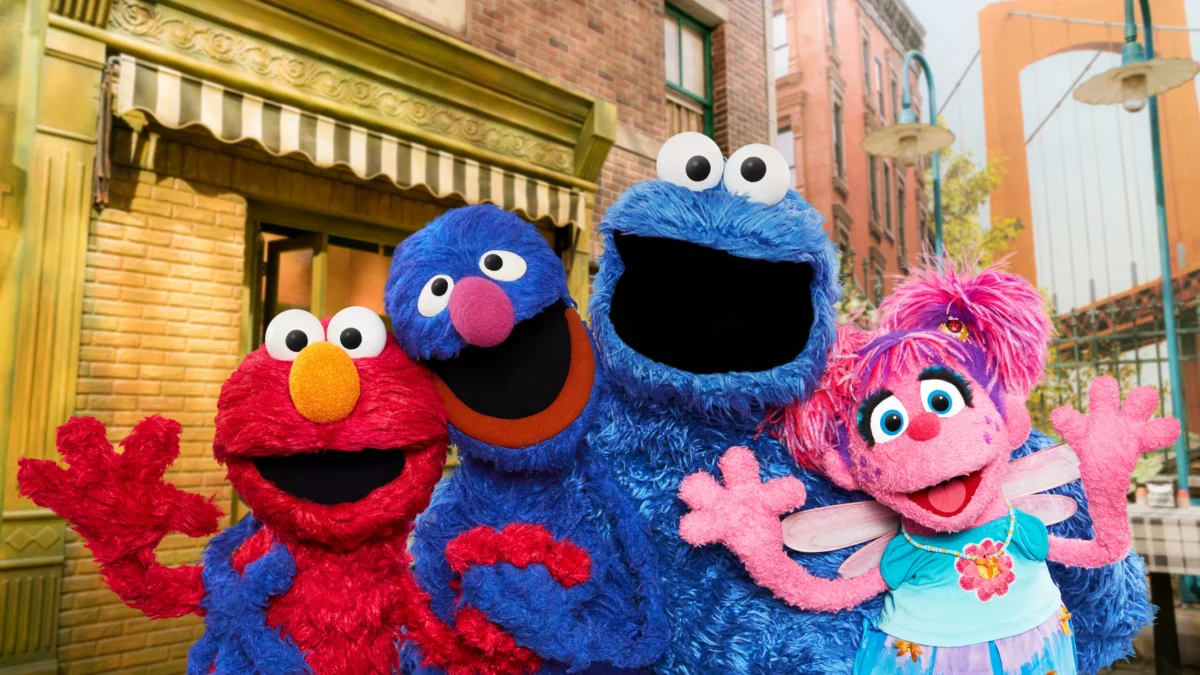
Netflix has emerged victorious in a competitive bidding war, successfully acquiring the feature film rights to Sesame Street, the universally acclaimed and enduring children’s educational television series. This significant acquisition further solidifies the streaming giant’s strategic investment in iconic family entertainment, building upon its existing hold on the television streaming rights for the beloved franchise. The upcoming film project will be shepherded by Rideback, the production company known for its work on live-action adaptations such as the billion-dollar grossing Lilo & Stitch and Aladdin movies, led by Jonathan Eirich and Michael Lofaso. Rideback’s pre-existing collaborative relationship with Sesame Workshop, the non-profit educational organization behind Sesame Street, on an animation project provided them with a crucial early advantage in the negotiation process. Sesame Workshop will maintain an active role in the film’s development and production, serving in a producer capacity to ensure the cinematic adaptation remains true to the brand’s cherished values and educational mission.
The Streaming Giant’s Latest Acquisition: A Strategic Play
The successful bid for Sesame Street feature film rights represents a notable triumph for Netflix in the increasingly competitive landscape of children’s and family content. The streaming service, which maintains a policy of not commenting on specific acquisitions, has consistently prioritized the expansion of its family-friendly library, recognizing its critical role in subscriber acquisition and retention. The decision to pursue the Sesame Street film rights was a logical extension of Netflix’s existing partnership with Sesame Workshop, which began in 2015 when the streamer secured the first-run U.S. streaming rights for new episodes of the television series. This earlier agreement brought Sesame Street into millions of homes via the Netflix platform, making the acquisition of film rights a synergistic move that centralizes the franchise’s digital presence under one roof. The synergy ensures a cohesive content strategy across both episodic and feature film formats, offering subscribers a comprehensive Sesame Street experience.
The year-long contest for these coveted film rights saw intense competition from major Hollywood players. Initially, the race involved a three-way "grouch match" between Netflix, Universal Pictures, and Warner Bros., following Sesame Workshop’s decision to sign with the Creative Artists Agency (CAA) in the fall to manage the rights. Each contender brought unique strengths and strategic motivations to the table, highlighting the immense value placed on established, multi-generational intellectual property (IP) in today’s entertainment market.
A Decade-Long Quest for the Big Screen
The journey to bring Sesame Street back to the big screen has been a protracted one, marked by previous attempts and shifting studio allegiances. Warner Bros., notably, had held the feature film rights for approximately a decade prior to the recent bidding war. Despite its lengthy tenure and the immense brand recognition of Sesame Street, the studio was ultimately unable to successfully move a film project forward. Sources indicate that internal acquisition dramas and strategic shifts within Warner Bros. contributed to their early withdrawal from the recent contest, paving the way for a direct showdown between Netflix and Universal.
Universal Pictures emerged as a formidable challenger, presenting a compelling package that included the acclaimed filmmaking duo Daniel Kwan and Daniel Scheinert, collectively known as The Daniels, who recently garnered widespread critical acclaim and Academy Awards for their film Everything Everywhere All at Once. Additionally, the studio had attached the highly successful producing and directing team of Phil Lord and Chris Miller, known for their innovative work on animated features like The Lego Movie and Spider-Man: Into the Spider-Verse. While sources emphasized that neither The Daniels nor Lord and Miller were attached to direct the Sesame Street feature, their involvement as producers underscored Universal’s serious intent and the creative weight it was prepared to bring to the project. The ultimate factor in Netflix’s victory was not only its financial commitment but also Sesame Workshop’s approval of Rideback’s proposed creative approach to the material, suggesting a shared vision for the franchise’s cinematic future. As of now, no filmmaker has been officially attached to direct the Netflix Sesame Street movie.
Sesame Street’s Enduring Legacy and Impact
Sesame Street, which first premiered on November 10, 1969, has transcended its origins as a children’s television program to become a global cultural phenomenon. Created by Joan Ganz Cooney and Lloyd Morrisett, its foundational mission was to harness the power of television to educate preschool children, particularly those from disadvantaged backgrounds, and prepare them for school. The show pioneered a revolutionary blend of entertainment and education, utilizing a fast-paced, magazine-style format, catchy songs, and memorable characters to teach fundamental concepts like letters, numbers, and social-emotional skills.
The show’s iconic residents, including the towering Big Bird, the inseparable Bert and Ernie, the perpetually enthusiastic Grover, the grumpy but lovable Oscar the Grouch, the insatiably hungry Cookie Monster, and the perpetually cheerful Elmo, have become household names across generations. Through these diverse and relatable characters, Sesame Street has tackled complex themes such as diversity, inclusion, loss, and empathy, always with an age-appropriate and sensitive approach. Its educational efficacy has been rigorously studied and widely validated, earning it numerous accolades, including over 200 Emmy Awards, multiple Peabody Awards, and even a Congressional Gold Medal.
Beyond its domestic success, Sesame Street has expanded its reach globally, with over 30 international co-productions and adaptations, each tailored to the specific cultural and educational needs of its audience. This enduring global presence underscores the universal appeal of its characters and its core educational philosophy. In the digital age, where children are exposed to an overwhelming amount of content, the importance of trusted, high-quality educational programming like Sesame Street remains paramount for parents and educators alike. The franchise represents a rare blend of nostalgia for adults and essential learning for children, making it an incredibly valuable asset for any media company.
Netflix’s Expanding Children’s Content Empire
Netflix’s acquisition of the Sesame Street film rights aligns perfectly with its broader strategy of becoming a dominant force in children’s and family entertainment. The streamer has invested heavily in both original animated and live-action children’s programming, as well as securing rights to established franchises. This focus is not merely about expanding content volume; it’s a calculated move to capture and retain subscribers across entire households. Children’s content is a key driver for initial subscriptions and, perhaps more importantly, for reducing churn, as families often rely on a consistent supply of safe and engaging programming.
The children’s entertainment market is a multi-billion dollar industry, and streamers like Netflix are vying for a significant share. Data consistently shows that households with children are more likely to subscribe to streaming services and remain subscribers for longer periods. By offering a diverse range of content, from preschool shows to animated features for older kids, Netflix aims to cater to every demographic within a family unit. The Sesame Street deal, in particular, leverages a brand with immense intergenerational appeal, capable of attracting both parents who grew up with the show and their own children. This strategy helps foster brand loyalty to the Netflix platform itself, making it a primary destination for family viewing.
The Production Team: Rideback and Sesame Workshop
The involvement of Rideback, with its strong track record in live-action adaptations of beloved properties, provides a clear indication of the potential direction for the new Sesame Street film. The company’s recent successes with Lilo & Stitch and Aladdin demonstrate an ability to translate animated and classic narratives into commercially viable live-action features, often incorporating contemporary sensibilities while respecting the original material. Jonathan Eirich and Michael Lofaso’s leadership at Rideback suggests a commitment to high production values and broad audience appeal.
Crucially, Sesame Workshop’s participation as a producer is a safeguard for the integrity of the Sesame Street brand. The non-profit organization is fiercely protective of its educational mission and the positive messages conveyed by its characters. Their direct involvement ensures that any cinematic adaptation will align with the core values of learning, diversity, and social-emotional development that have defined Sesame Street for over five decades. This partnership aims to strike a delicate balance between delivering a compelling cinematic experience and upholding the show’s foundational educational principles, differentiating it from purely entertainment-driven children’s films. The search for a director who can navigate this unique creative challenge will be a critical next step for the production.
Precedent: Previous Sesame Street Films
The upcoming Netflix feature will not be the first time Sesame Street characters have graced the silver screen. The franchise has two previous big-screen adaptations that offer a historical context for this new venture. The first was 1985’s Follow That Bird, distributed by Warner Bros. The film, which featured a quest by Big Bird to find his way back to Sesame Street, included celebrity cameos from stars like John Candy, Chevy Chase, and Dave Thomas alongside the beloved puppets. While critically well-received for its charm and humor, it achieved modest box office success.
The second film, The Adventures of Elmo in Grouchland, was released in 1999, distributed by Columbia Pictures. This adventure centered on Elmo’s journey to retrieve his beloved blanket from Oscar the Grouch’s home. Similar to its predecessor, Grouchland was praised for its heartwarming story and positive messages but did not achieve blockbuster status. Both films, while fondly remembered by fans, did not ignite a continuous theatrical film franchise, perhaps due to evolving audience tastes, distribution challenges, or a focus on television as the primary medium for the brand. The new Netflix film will have the advantage of a global streaming platform for distribution, potentially reaching a far wider and more immediate audience than its theatrical predecessors.
Industry Implications and Market Trends
Netflix’s acquisition of the Sesame Street film rights is indicative of several key trends in the modern entertainment industry. Firstly, it underscores the immense and increasing value of established intellectual property. In an era of content saturation, known brands offer a built-in audience, reducing marketing risk and providing a foundation of trust with consumers. Sesame Street‘s unparalleled brand recognition and positive associations make it a highly desirable asset.
Secondly, the deal intensifies the competition in the family entertainment sector among streaming services. With rivals like Disney+, Max, Paramount+, and others all vying for family subscribers, exclusive access to iconic characters and stories becomes a crucial differentiator. By adding Sesame Street to its film slate, Netflix strengthens its position as a go-to platform for high-quality, trusted children’s content, directly competing with Disney’s decades-long dominance in this space.
Thirdly, the partnership with Sesame Workshop highlights the importance of maintaining brand authenticity when adapting beloved IP. Studios are increasingly aware that missteps in adapting cherished franchises can alienate fan bases. Sesame Workshop’s involvement ensures that the film will not only entertain but also uphold the educational and social values that have made Sesame Street a cultural touchstone.
Industry analysts are likely to view this acquisition as a shrewd move by Netflix, leveraging an asset that offers both nostalgic appeal for adult viewers and essential developmental content for young audiences. The potential for a new Sesame Street cinematic universe, replete with merchandising opportunities, global reach, and the possibility of introducing the characters to a new generation of fans through a modern cinematic lens, is substantial. This deal represents more than just a single film; it is a long-term investment in a franchise with proven longevity and immense cultural capital.
Expert Perspectives and Future Outlook
While Netflix has remained silent on the specifics of the deal, industry observers are quick to highlight the strategic value. "In today’s streaming wars, established, multi-generational IP like Sesame Street is pure gold," notes a leading entertainment analyst. "It minimizes marketing costs, appeals across demographics, and most importantly, builds loyalty within subscriber households. This is a smart play by Netflix to fortify its family content offering." Another industry veteran adds, "The challenge will be to craft a narrative that resonates with both the nostalgic adult audience and the new generation of children, all while upholding the show’s core educational mission. Rideback’s experience with large-scale adaptations will be crucial here."
The future Sesame Street film on Netflix carries the weight of five decades of legacy and the hopes of millions of fans. It presents an opportunity to reintroduce Big Bird, Cookie Monster, Elmo, and their friends to a global audience through a fresh, cinematic lens, while continuing to champion the show’s timeless messages of kindness, learning, and acceptance. The successful execution of this project could mark the beginning of a new era for Sesame Street on the big screen, cementing its place as a cornerstone of family entertainment for years to come on the Netflix platform.