

Showtime’s "The Agency" has masterfully navigated the treacherous waters of espionage storytelling, transforming from a solid American adaptation of the acclaimed French series "Le Bureau des Légendes" into a must-watch television event. While its debut season laid a commendable foundation, the sophomore outing elevates the series, refining its inherent strengths and delivering a gripping narrative propelled by razor-sharp writing and stellar performances. The Butterworth brothers, Jez and John-Henry, have once again demonstrated their prowess in crafting a spy drama where the true battlefield is often the human psyche and the most potent weapons are carefully chosen words.
A Deep Dive into the Shadows: Martian’s Perilous Gambit
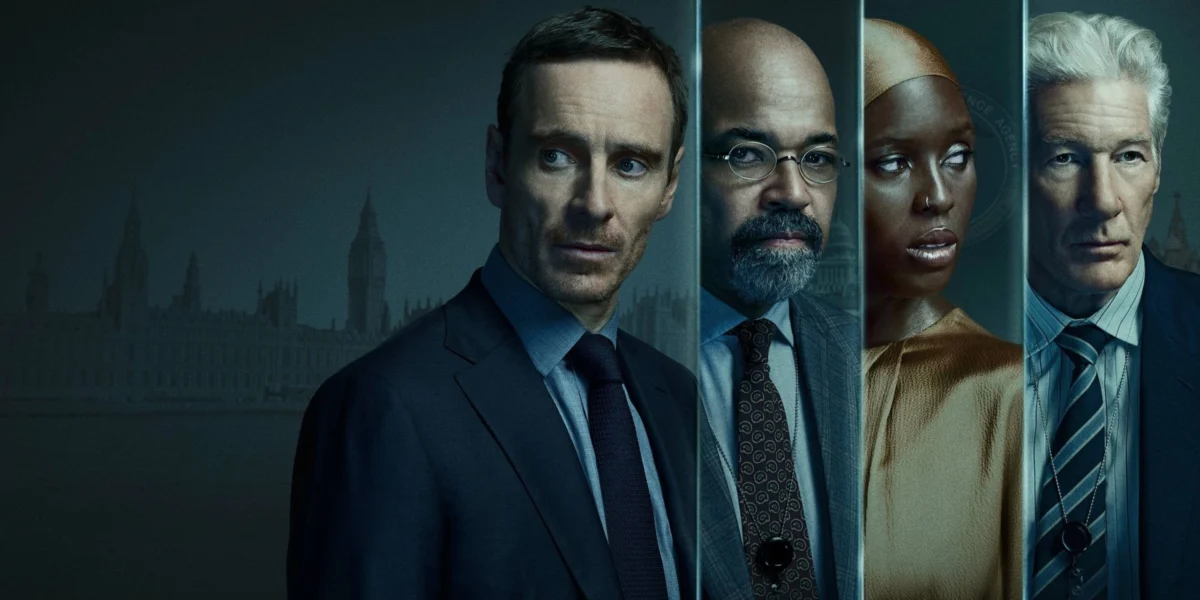
Season two plunges viewers back into the complex world of covert operations, centering on Michael Fassbender’s character, codenamed Martian. Having successfully orchestrated the extraction of agent Coyote, Martian finds himself in a precarious position, his methods under scrutiny and his credibility as an informant for British Intelligence wavering. However, the true crucible of his loyalty emerges when his clandestine lover, Samia Fatima, portrayed by Jodie Turner-Smith, becomes a political prisoner in Sudan. This revelation ignites a dangerous internal conflict, pushing Martian to the brink of treason as he resolves to rescue her at any cost, even if it means jeopardizing his career, his life, and the very mission he is sworn to protect.
The narrative arc for Martian this season is a masterclass in portraying the psychological toll of deep cover. Fassbender delivers a performance that is both nuanced and powerful, conveying the immense pressure and moral compromises his character faces through subtle yet impactful expressions. His steely gaze often betrays a man wrestling with impossible choices, a testament to his ability to embody the internal turmoil of an agent whose personal life has become inextricably intertwined with his professional duties. The moments where his carefully constructed composure cracks are rare but devastating, offering a glimpse into the profound emotional cost of his double life.
The Intricacies of Betrayal and Loyalty
Martian’s desperate pursuit of Samia places him directly at odds with his mentor and deputy station chief, Henry Ogletree, played with his characteristic gravitas by Jeffrey Wright. Ogletree, tasked with maintaining the integrity and functionality of his department, finds himself navigating the fallout of Martian’s increasingly reckless actions. The dynamic between Fassbender and Wright forms one of the season’s most compelling threads, a clash of ideologies and allegiances that underscores the inherent dangers and ethical dilemmas faced by those operating in the clandestine world of intelligence. Wright’s performance is, as always, sublime, bringing depth and complexity to a character caught between professional duty and personal concern.
The season’s plot is further complicated by a pervasive atmosphere of suspicion and a mole hunt within the agency. This internal threat adds another layer of tension, forcing agents to question each other’s motives and allegiances. Simultaneously, the mission of agent Gremlin, brought to life by Saura Lightfoot-Leon, unfolds in Iran, adding an international dimension to the overarching narrative. Adding to the growing instability, a new counter-intelligence organization codenamed "Vahalla" emerges as a significant threat to American interests, signaling a broader geopolitical struggle that extends beyond individual missions.
The Butterworths’ Signature Style: Dialogue as the Driving Force
A hallmark of "The Agency" is its distinctive approach to storytelling, heavily reliant on the incisive and layered writing of the Butterworth brothers. Unlike bombastic action films or overtly suspenseful thrillers, the tension in "The Agency" is meticulously built through dialogue. The series eschews gratuitous action sequences, instead favoring nuanced conversations and subtextual exchanges that reveal character motivations and advance the plot. This dialogue-driven approach demands audience engagement, rewarding viewers who pay close attention to the subtle nuances of each interaction.
The inherent seriousness of the series, starkly contrasted with the more playful tone of shows like "Slow Horses," is a deliberate choice that allows for a deeper exploration of the psychological impact of espionage. The characters are not merely pawns in a geopolitical game; they are individuals grappling with profound personal sacrifices, moral ambiguities, and the constant threat of exposure. This well-rounded character development ensures that every storyline, no matter how intricate, resonates with emotional authenticity and holds the audience’s attention.
Expanding Horizons: New Threats and Evolving Agents
The second season of "The Agency" significantly expands the scope of its narrative. The introduction of Vahalla, a shadowy counter-intelligence entity, signifies a shift towards a more complex geopolitical landscape. The nature and objectives of Vahalla remain shrouded in mystery, but its emergence signals a heightened level of threat, forcing the agency to re-evaluate its strategies and confront a more formidable adversary. This broader conflict provides fertile ground for character development and plot progression, pushing the agents beyond their immediate operational concerns.
Furthermore, the season provides substantial growth opportunities for supporting characters. Actors like Saura Lightfoot-Leon as Gremlin and John Magaro as Owen Taylor are given more substantive roles, allowing their characters to evolve from novice field agents into seasoned operatives confronting the harsh realities of undercover work. Their journeys reflect the broader theme of the series: the immense personal cost of a life lived in the shadows, where every mission leaves an indelible mark.

Direction and Atmosphere: Crafting a Taut Visual Experience
The directorial vision of Neil Burger, Grant Heslov, and Zetna Fuentes is instrumental in creating the series’ signature taut and efficient visual storytelling. The cold, often stark atmosphere of the series mirrors the emotionally guarded nature of its characters, immersing the audience in a world where subterfuge and deception are the norm. The visual language of "The Agency" reinforces the themes of isolation, paranoia, and the constant vigilance required of its protagonists. The stakes are consistently palpable, ensuring that major revelations land with significant impact, both for the characters and the viewers.
The finale of season two leaves audiences on a precipice, a testament to the Butterworths’ ability to craft compelling narratives that leave viewers yearning for more. Their approach to refining the series is not about grand, overt changes, but rather a meticulous process of identifying and amplifying what worked in the first season. This strategic evolution has positioned "The Agency" as a standout in the crowded spy genre, a series that, in just two seasons, has arguably earned its place among television’s most underappreciated gems.
The Human Element in the World of Espionage
Beyond the geopolitical intrigue and operational minutiae, "The Agency" consistently grounds its narrative in the human element. The series excels at portraying the profound loneliness and isolation that often accompany a life dedicated to covert operations. Martian’s internal struggle, driven by his love for Samia, is not merely a plot device but a profound exploration of how personal connections can both fuel and complicate the work of an intelligence operative. The series acknowledges that behind every codename and every clandestine operation, there are individuals wrestling with their conscience, their desires, and their sense of duty.
The supporting cast further enriches this humanistic approach. The ensemble, including veterans like Richard Gere and Dominic West, along with rising talents like Katherine Waterston, Jodie Turner-Smith, Harriet Sansom Harris, and India Fowler, imbues their characters with a palpable sense of lived experience. Each actor contributes to the intricate tapestry of relationships and rivalries that define the agency’s internal dynamics. The nuanced portrayals ensure that even minor characters feel fully realized, adding depth and credibility to the world of "The Agency."
The Cost of Secrecy: A Broader Societal Reflection
The enduring appeal of "The Agency" lies in its ability to serve as a microcosm for broader societal issues. The constant need for secrecy, the erosion of trust, and the blurred lines between personal and professional lives resonate beyond the confines of the intelligence community. The series implicitly examines the sacrifices demanded by national security and the ethical compromises inherent in maintaining global stability. The characters’ struggles with their identities and the constant performance required of them can be seen as a reflection of the pressures individuals face in navigating the complexities of modern life.
The success of "The Agency" in its second season suggests a growing audience appetite for intelligent, character-driven spy dramas that prioritize psychological depth over gratuitous action. The series’ ability to weave together intricate plotlines with compelling character arcs, all within a meticulously crafted atmosphere, sets it apart. As Vahalla’s threat looms and Martian’s personal mission escalates, the future of "The Agency" promises further exploration of the moral and emotional consequences of operating in the shadows, solidifying its position as a significant and critically lauded series.
The Good, The Bad, and The Emmy Prospects
The Good: "The Agency" season two takes everything that made its inaugural season strong and amplifies it. The series delivers a riveting spy thriller characterized by taut direction, exceptional writing, and a constellation of fantastic performances, particularly from Michael Fassbender and Jeffrey Wright. The evolution of the narrative and the deepening of character arcs make it a compelling watch.
The Bad: The series’ reliance on dialogue-driven tension may prove to be a barrier for some viewers. Those accustomed to more action-oriented spy narratives might find the deliberate pacing and emphasis on verbal sparring less immediately engaging. Patience and attentiveness are rewarded, but it may not appeal to all tastes.
The Emmy Prospects: The critical acclaim and strong performances suggest significant Emmy potential. Michael Fassbender is a strong contender for Outstanding Lead Actor in a Drama Series. Jeffrey Wright’s consistent brilliance positions him for consideration in Outstanding Supporting Actor in a Drama Series. Furthermore, the exceptional quality of the writing makes Outstanding Writing for a Drama Series a distinct possibility.
The Final Score: 8/10