


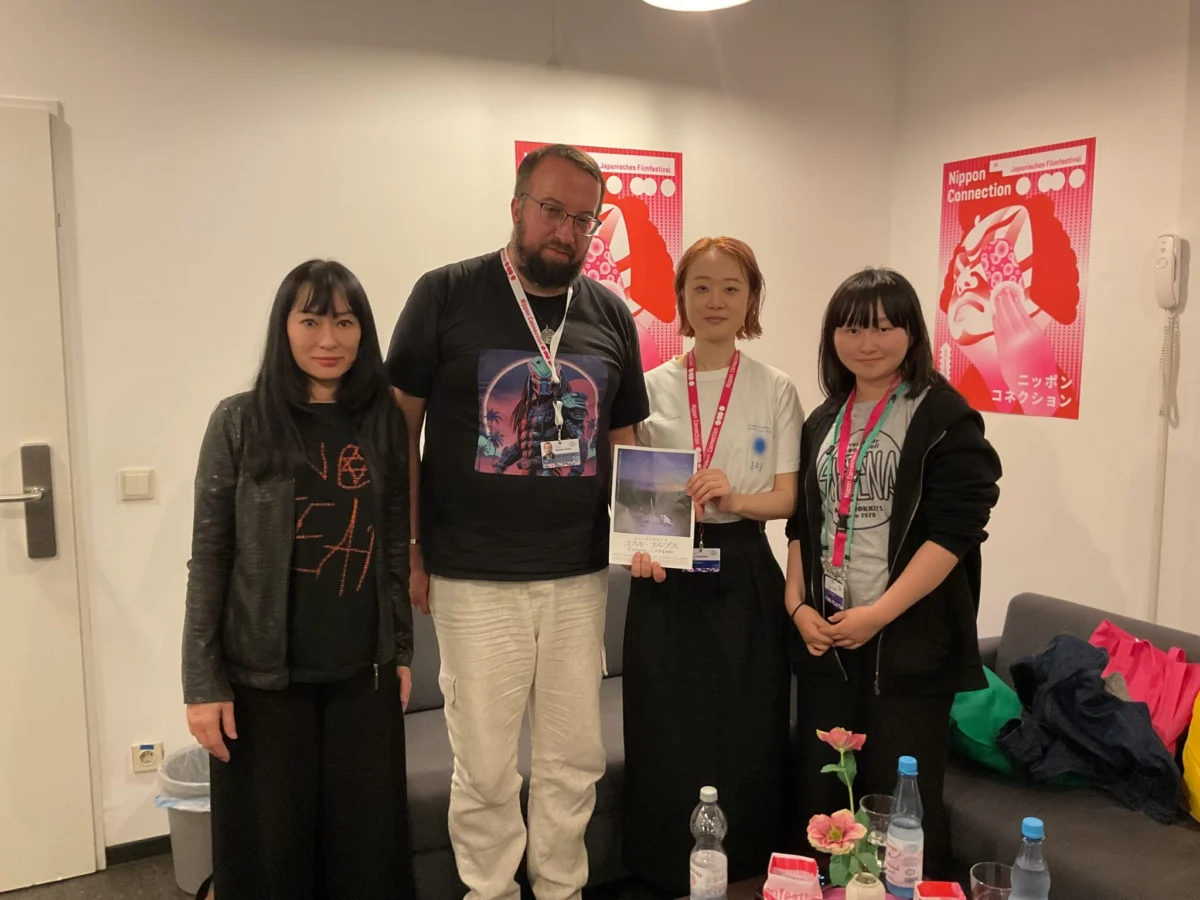
The 26th edition of the Nippon Connection Film Festival, the world’s largest festival dedicated to Japanese cinema, concluded on June 7th, marking a significant milestone with its most extensive program to date and an unprecedented surge in attendance. Held across 13 diverse locations throughout Frankfurt am Main from June 2nd to 7th, the festival showcased a remarkable collection of 145 short and feature-length films, including seven world premieres, 28 international premieres, nine European premieres, and 38 German premieres. Complementing the cinematic offerings, the festival hosted 87 cultural events, drawing approximately 200 filmmakers and artists. This year’s event shattered previous records, attracting over 21,000 visitors and solidifying its position as Hesse’s most popular film festival.
Established in 2001, Nippon Connection has steadily grown from a modest initiative into a premier international platform for Japanese film and culture. Its consistent expansion over the past quarter-century reflects a growing global appreciation for the nuanced storytelling and diverse genres emanating from Japan. The festival’s commitment to presenting both established cinematic masters and emerging talents, alongside a rich tapestry of cultural programming, has been instrumental in its sustained success. This year’s record attendance underscores a burgeoning interest in Japanese cinema, potentially influenced by factors such as the increasing accessibility of streaming platforms, the critical acclaim of Japanese films at major international festivals, and a broader cultural curiosity towards Japan.
Despite facing less-than-ideal weather conditions throughout the event, festival organizers ensured a consistently engaging experience for attendees through a meticulously curated and diverse program. The selection spanned a wide spectrum of Japanese cinema, from timeless classics to contemporary narratives. Revered masterpieces such as Masaki Kobayashi’s "Black River" (1957) and Akira Kurosawa’s "Ran" (1985) were presented, offering audiences a chance to revisit foundational works of Japanese film history. The program also delved into more recent productions, featuring documentaries like "The Ozu Diaries" (2025), animated films including "Chao" (2025) and "Cocoon – One Summer of Girlhood" (2025), and dynamic genre films such as "NEW GROUP" (2025). Alongside these, quieter, more introspective works like "Two Seasons, Two Strangers" (2025) and "Saikai Paradise" (2025) provided a balanced viewing experience.

Beyond the screenings, the festival fostered a vibrant atmosphere through a series of engaging side events. These included insightful discussions and Q&A sessions with attending filmmakers and artists, providing attendees with direct access to the creative minds behind the films. A significant highlight of the cultural program was the presentation of the Nippon Rising Star Award to actress Anna Yamada, recognizing her burgeoning talent and impactful performances. The festival grounds also buzzed with activity, featuring vendors offering authentic Japanese food and unique handicrafts, further immersing visitors in Japanese culture. The comprehensive nature of the festival, blending cinematic excellence with cultural immersion, contributed significantly to its record-breaking success.
A Deep Dive into the Cinematic Offerings
The 26th Nippon Connection Film Festival presented a multifaceted cinematic landscape, inviting exploration through a rich array of genres and directorial visions. This year’s program notably included 17 film reviews and 10 interviews, offering in-depth insights into the films and the artists behind them.
Honoring Cinematic Legacies: "The Ozu Diaries"
A significant highlight was the screening of Daniel Raim’s documentary "The Ozu Diaries" (2025), which offers a profound exploration of the enduring legacy of Yasujiro Ozu. Ozu, alongside Akira Kurosawa and Kenji Mizoguchi, stands as a titan of Japanese cinema, renowned for his distinct focus on the intricacies of family life as a microcosm of societal and political dynamics. While his contemporaries often achieved international acclaim through grand historical epics, Ozu’s intimate portraits of post-war Japan, found in seminal works like "Tokyo Story," "Equinox Flower," "Early Summer," and "Late Autumn," continue to resonate with universal themes that shape contemporary Japanese culture. Raim’s documentary serves not only as an introduction to Ozu’s genius but also as a thoughtful examination of how films such as "Late Spring" and "An Autumn Afternoon" continue to influence filmmaking and interpretation, cementing Ozu’s status as a perceptive observer of Japanese identity.
Exploring Marginalized Lives: "Night Flower" and "A Unique Country in Asia"
Brazilian-born Japanese director Eiji Uchida returned to themes of societal outsiders with "Night Flower" (2025). This film echoes the sentiment of his acclaimed 2020 drama "Midnight Swan," which garnered significant recognition, including Best Film and Best Actor at the Japan Academy Film Prize. "Night Flower" continues Uchida’s commitment to portraying lives on the fringes, skillfully balancing social critique with emotional depth and a touch of humor.

Kenji Yamauchi, a multi-talented artist known for his sharp dialogue and exploration of awkward social situations, presented "A Unique Country in Asia" (2025). This 77-minute work, described as a "pure social serious comedy," draws parallels with the sociopolitical commentary found in some of Koji Wakamatsu’s early works, albeit with a more subdued style. The film navigates between erotic cinema, family drama, and political undertones, offering a unique and engaging viewing experience that blends humor with astute social observation.
Reimagining Classics: "5 Centimeters Per Second"
In an era increasingly marked by live-action adaptations of anime, Yoshiyuki Okuyama’s "5 Centimeters Per Second" (2025) stands out as a successful reimagining. Based on Makoto Shinkai’s beloved anime film, Okuyama’s feature aims to introduce the story to a new generation while expanding upon elements that Shinkai himself felt were incomplete. The adaptation masterfully reshapes the original triptych structure into a more fluid, continuous narrative, resulting in a version that feels more emotionally resonant and fully realized. Okuyama’s work transcends a typical adaptation, respectfully honoring Shinkai’s vision while blossoming into a film that possesses its own distinct artistic merit. It is a visual spectacle that also excels as a melancholic yet profoundly touching story about the pain of growing distance and the quiet growth that acceptance brings.
Documenting Journeys and Existential Questions: "Aruku" and "Cosmo Corpus"
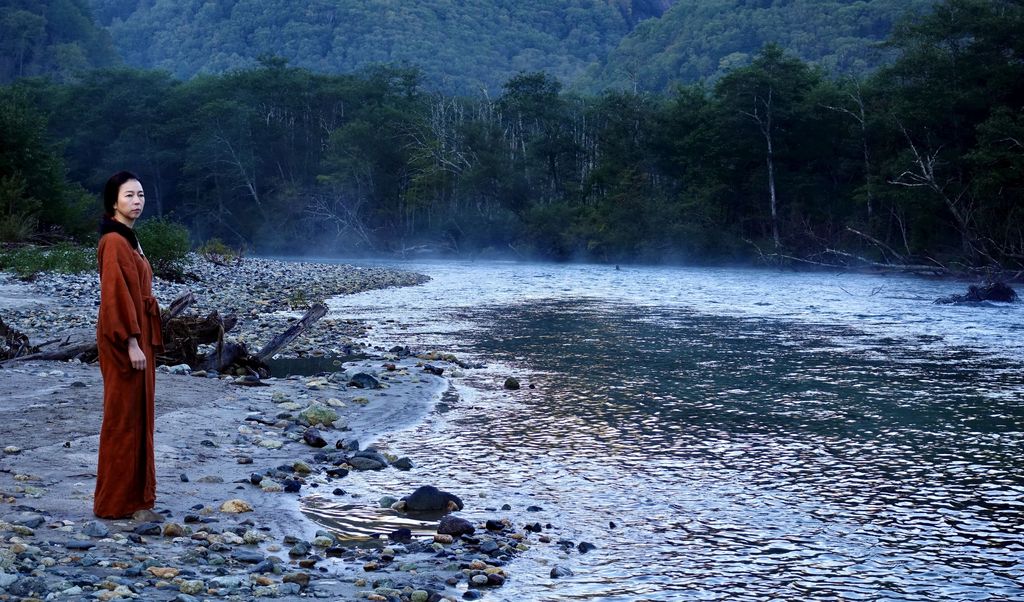
Shiho Kataoka’s documentary "Aruku" (2025) delves into the profound journey of pilgrimage, focusing on the 750-mile trek across mountains to visit 88 temples undertaken by 150,000 individuals annually. The film is a thoughtful exploration of the need to lose oneself to find a better version of oneself, highlighting the physical and emotional aspects of the pilgrimage. "Aruku" powerfully conveys the beauty and transformative potential of stepping away from everyday life and embarking on a journey, suggesting that walking can be a profound source of learning, healing, and self-discovery.
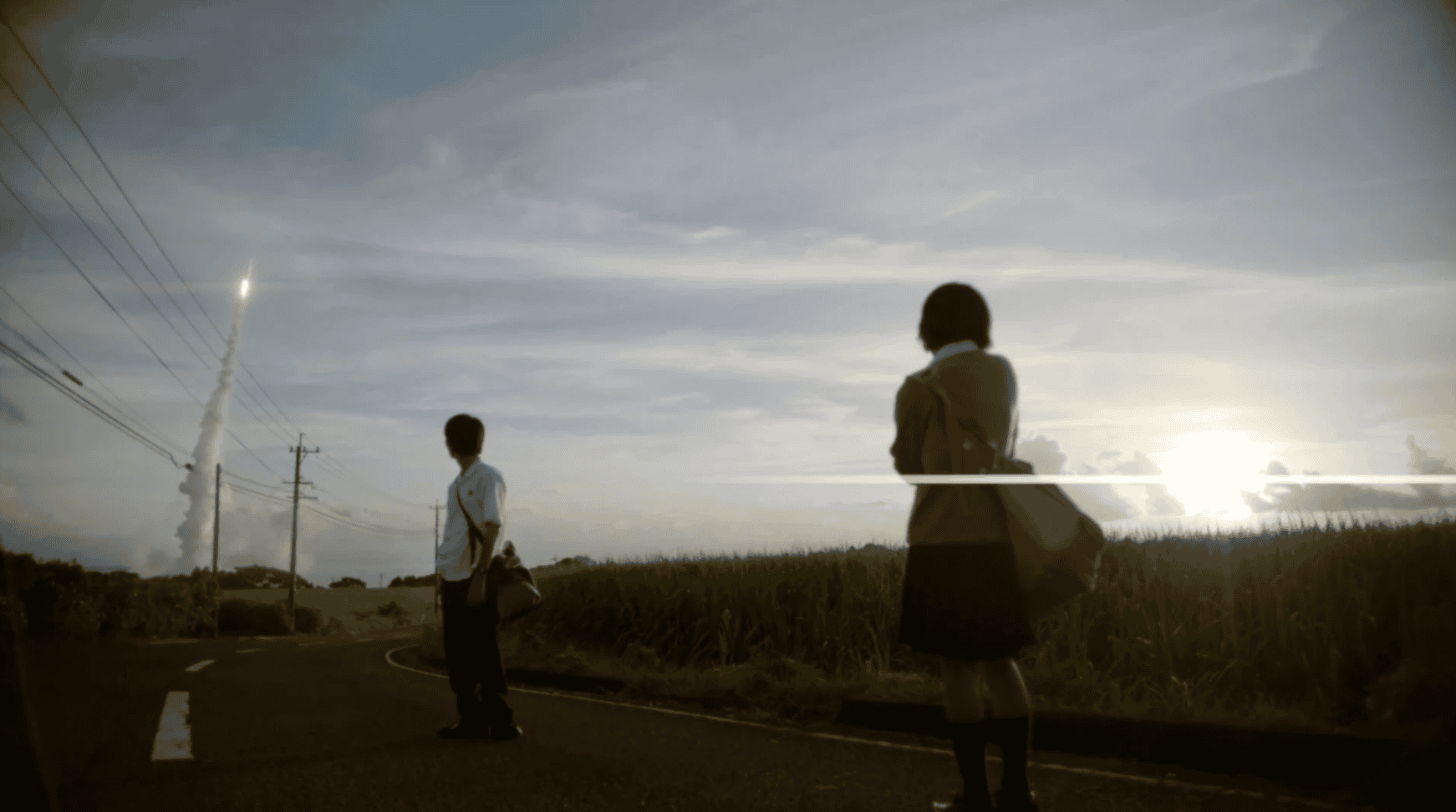
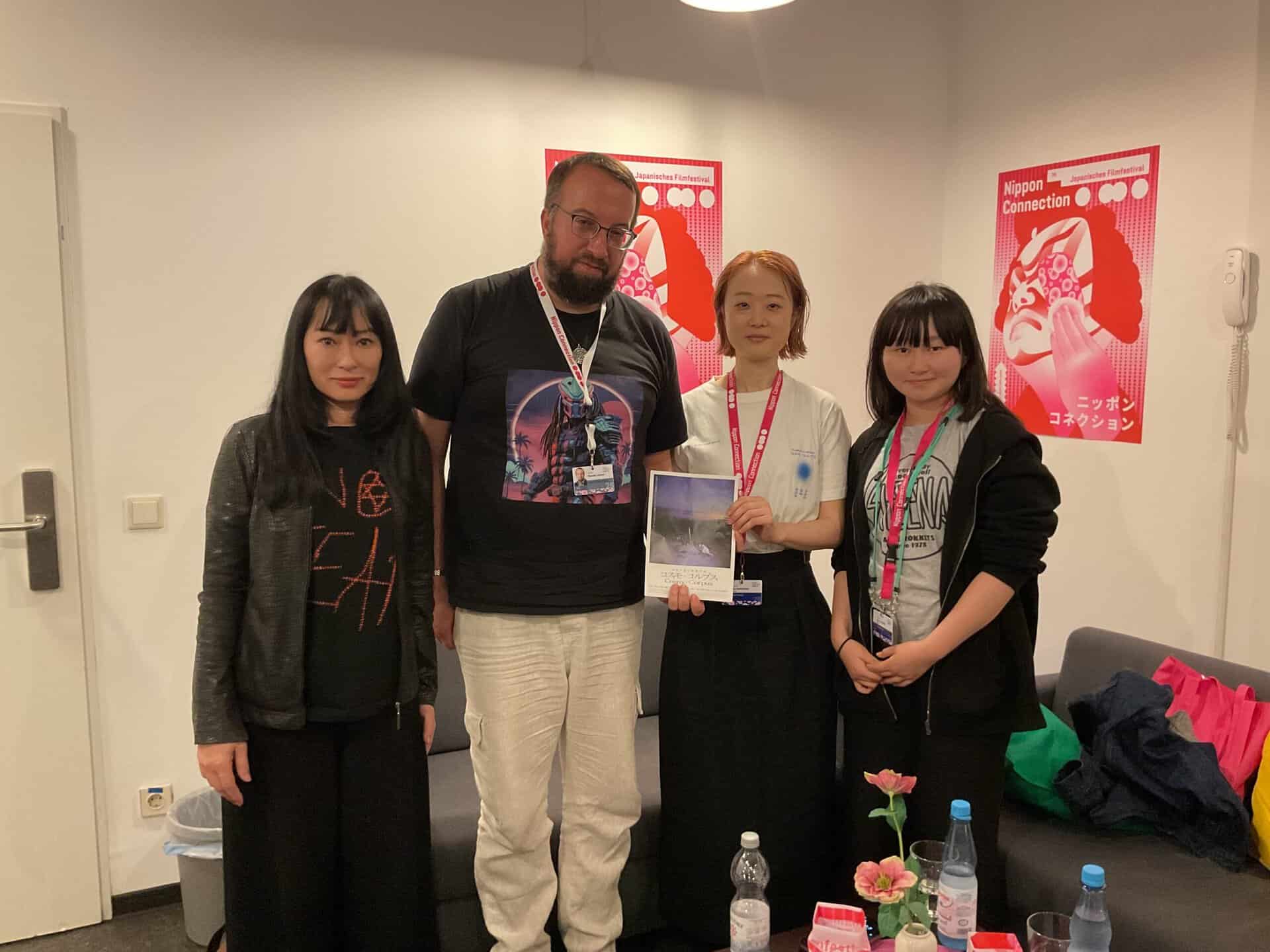
Yokna Hasegawa’s "Cosmo Corpus" (2025) tackles universal questions about time, place, and human existence, themes that often resonate within the science fiction genre. The film, however, extends beyond abstract philosophical concepts, incorporating sequences set in the present day to emphasize the interconnectedness of individuals, places, and time periods. Hasegawa describes this interconnectedness as the film’s central theme. The film is described as an immersive experience, akin to a living installation where past, present, and future coexist. Drawing inspiration from the landscapes, history, and spirituality of Sado Island, Hasegawa crafts a work that prompts reflection on time, loneliness, and the unseen connections that bind humanity. It is a cinematic meditation on the existential question of what endures beyond our existence.
Examining Societal Critiques: "The Limit" and "All Greens"
Reika Kamata’s documentary "The Limit" (2025) critically examines the Japanese justice system, particularly its high conviction rates and the resulting social ostracization of suspects. The film scrutinizes how this process impacts not only the accused but also their families, especially in cases of murder convictions that occur despite the absence of definitive evidence.
"All Greens" (2025) by Takashi Koyama, adapted from Do Namiki’s novel, presents a subversion of the typical coming-of-age narrative. The film delves into youthful rebellion and illegal activities, specifically focusing on Japan’s strict policies regarding marijuana. Koyama captures teenage escapism from grim realities through a raw, harsh tone, infused with quirky direction and dark humor, offering a refreshing and unconventional take on the genre.
Biographical Explorations and Artistic Debuts
Sachi Hamano’s "Kaneko Fumiko" (2025) provides an intense and thoughtful exploration of a controversial figure in modern Japanese history. The film highlights the reassessment of intellectuals and authors like Kaneko Fumiko, whose writings have garnered renewed interest following the rediscovery of texts composed during her imprisonment. Driven by a powerful central performance, Hamano’s film serves as both a portrait of political resistance and a reflection on a system confronting the ideologies it helped to create.
Santa Ikegame’s feature directorial debut, "At the Lovehotel" (2026), brings his established theatrical sensibility to the screen. The film, set almost entirely within a love hotel, explores ensemble storytelling and the subtle shifts in human emotion within everyday spaces. Inspired by Ikegame’s own past experience as hotel staff, the movie offers a realistic and engaging portrayal of human interaction within a unique setting.
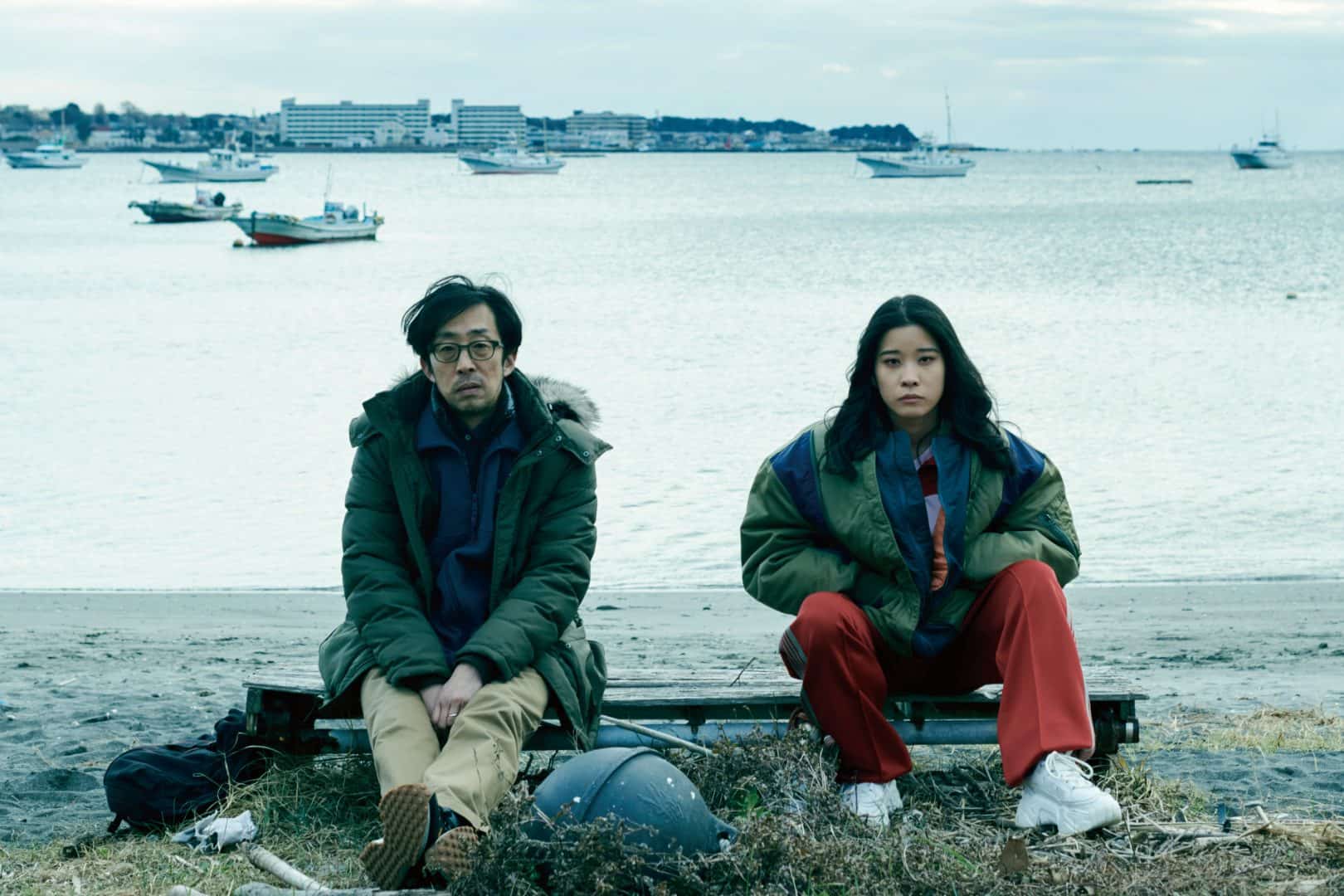
Yusuke Iwasaki’s debut feature, "AnyMart" (2026), garnered critical attention, including the FIPRESCI Prize at the 76th Berlin International Film Festival. The film skillfully balances genres and maintains a strong pace for much of its runtime, offering an unsettling satire of modern society through dark humor and surreal events. Despite a somewhat frantic final act, it stands as a solid debut that showcases Iwasaki’s distinctive directorial voice.
Mika Imai’s "Kiiroiko" (2025) is a deeply personal film, created with a cast and crew largely composed of Deaf artists. The film navigates themes of communication, belonging, and human connection with sincerity and compassion. While some didactic moments may arise, the heartfelt narrative and its respectful portrayal of deaf culture make it a significant contribution to cinematic representation.
Eiji Uchida’s "Fiamma" (2025) engages with the meta-concept of films about filmmaking, exploring the "based on a true story" narrative trope. The film is a competent work that continues the tradition of Japanese cinema examining the filmmaking process, offering both entertainment and substantial food for thought.
Miwa Yoshimine’s "ZEN & EROS" (2026) delves into the nature of artistic perception, drawing a parallel between the act of "seeing" and "looking" as described by Andrei Tarkovsky. The film focuses on the process of experiencing art rather than merely observing it, inviting viewers to connect with the essence of the creative work.
Yukimitsu Ina’s directorial debut, "Cocoon – One Summer of Girlhood" (2025), based on Machiko Kyo’s manga, presents a poignant narrative about the impact of war. The film, with its appealing visuals and straightforward storytelling, offers a subtle yet powerful depiction of the brutality of conflict, prompting reflection on the futility of war and human cruelty.
Kojiro Hashimoto’s "Little Love Song" (2019) captures the coming-of-age story of a high school band in Okinawa. While possessing potential, the film, like many bands, faces elements that hinder its full delivery, despite its exploration of themes like heartache, music, and cultural dynamics.
Keiko Tsuruoka’s "Saikai Paradise" (2025) is characterized by its atmospheric focus and relaxed pace. While it may test some viewers’ patience due to its deliberate lack of explicit plot points, the film succeeds as a sincere portrait of a place that embodies a quiet paradise, inviting emotional engagement from those who connect with its mood.
Artist Spotlights and Emerging Talents
Nippon Connection also provided a platform for emerging talents and celebrated established artists. The festival recognized Anna Yamada, recipient of the Nippon Rising Star Award, who also featured in three of the festival’s screenings: "Little Love Song" (2019), "NEW GROUP" (2025), and "ChaO" (2025). Yamada shared insights into her preparation for diverse roles, her interests, and future aspirations.
Interviews with filmmakers like Ryuya Suzuki, director of the distinctive independent animated feature "Jinsei" (2025), offered glimpses into the challenges of independent animation and the film’s exploration of identity. Kei Ishikawa discussed the cinematic translation of Kazuo Ishiguro’s novel "A Pale View of Hills," focusing on memory, ambiguity, and the importance of preserving personal histories. Yuta Shimotsu elaborated on his latest film "NEW GROUP" (2025), using the image of the human pyramid to examine hierarchy and collective behavior in contemporary Japan through a horror lens. Yui Kusakari shared inspirations behind "Long Night" (2026), while Baku Kinoshita discussed his reflective film "The Last Blossom" (2026), which explores memory, regret, and the passage of time. Chihiro Amano spoke about her film "Sato and Sato" (2026), touching upon themes of coffee, determination, and relationships.
The festival’s extensive coverage, including 17 reviews and 10 interviews, demonstrated a deep commitment to showcasing the breadth and depth of contemporary Japanese cinema. The record-breaking attendance and the diverse, high-quality programming at the 26th Nippon Connection Film Festival underscore its vital role in fostering international appreciation for Japanese filmmaking and cultural expression.