

Blizzard Entertainment has officially inaugurated the third season of its revitalized hero shooter, Overwatch, introducing a wealth of content headlined by the debut of the game’s 52nd hero, Shion. Arriving as part of the "Into the Tiger’s Den" update, Season 3 marks a significant milestone for the franchise following its comprehensive structural reboot in early 2026. The update not only expands the roster with a high-mobility damage dealer but also introduces a new Hybrid map, Neon Junction, and a dedicated meta-event titled Anima Strike. As the title continues its recovery in player engagement and critical reception, developers have provided rare insight into the experimental mechanics that nearly redefined the Overwatch combat experience during Shion’s development.
The Evolution of Shion: From Stylish Action to Tactical Precision
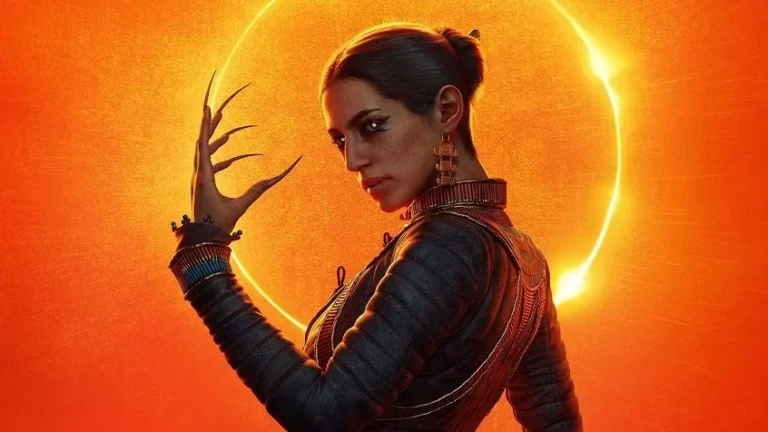
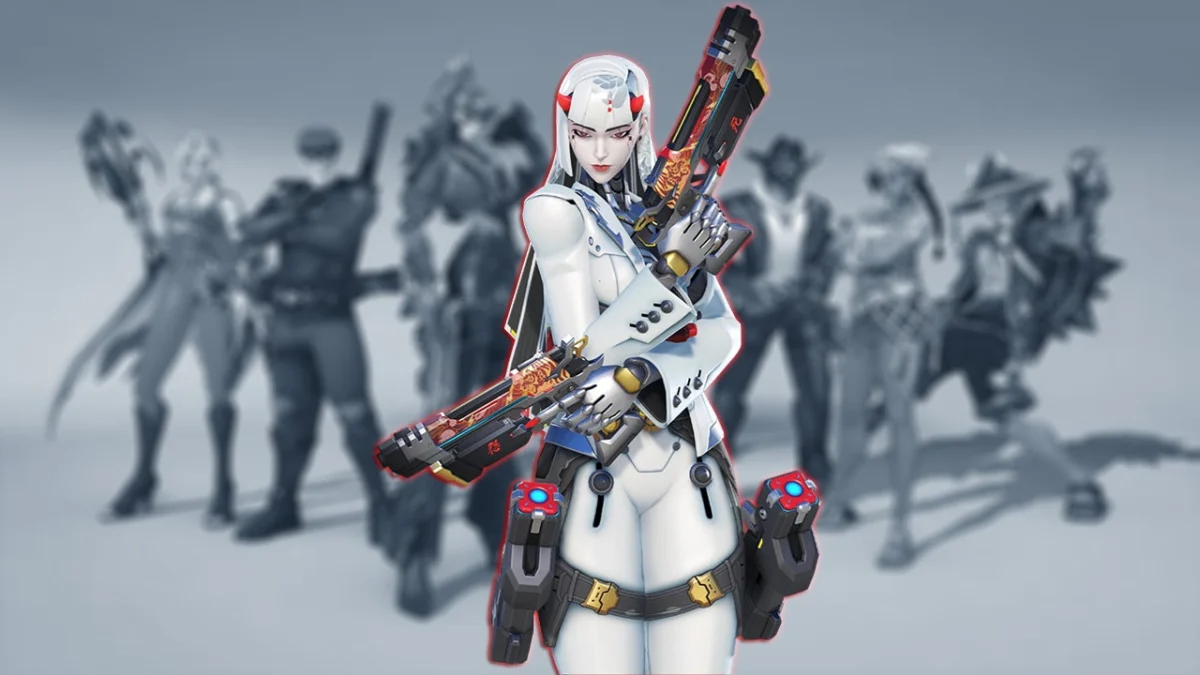
Shion enters the Overwatch arena as a damage-focused hero characterized by her dual-pistol weaponry and high-octane mobility. While her primary armament draws immediate comparisons to the time-jumping adventurer Tracer, Shion’s kit is built around a distinct "stylish" aesthetic that emphasizes fluid movement and aggressive positioning. The centerpiece of her ability set is a deployable motorcycle, a first for the franchise’s hero roster, allowing for rapid transversal across the battlefield and unique engagement opportunities.
During the promotional rollout for Season 3, Hero Producer Kenny Hudson revealed that Shion was originally conceived as a bridge between the hero shooter genre and "character action" games like the Devil May Cry series. In an interview detailing the character’s design philosophy, Hudson disclosed that Blizzard internal prototypes featured a "Style Meter" UI. This system would grade player performance from "D" or "E" up to "S" rank based on their ability to chain abilities and maintain offensive momentum without taking damage or missing shots.
"We had this little style meter UI in the beginning," Hudson explained. "It would move its way up to S depending on how many abilities you could link together."
However, the development team eventually opted to remove the Style Meter, citing concerns over player cognitive load and the potential for the mechanic to distract from the core objective-based gameplay of Overwatch. The team felt that forcing players to manage a personal "style" score while simultaneously tracking objective progress, enemy cooldowns, and team positioning was an unnecessary burden. Furthermore, the team experimented with giving Shion "super speed," effectively doubling the base movement speed of other heroes. This was also scrapped in favor of the motorcycle mechanic, which provides a more controlled and balanced approach to high-speed mobility.
Neon Junction and the Season 3 Content Roadmap
Accompanying Shion is the new Hybrid map, Neon Junction. Designed with a futuristic, high-density urban aesthetic, the map combines the "Capture and Escort" mechanics that define the Hybrid game mode. Neon Junction is set in a vibrant metropolis that emphasizes verticality, providing Shion and other mobile heroes like Genji, Pharah, and Kiriko with numerous tactical vantage points.

The Season 3 update also introduces the Anima Strike Meta Event. While Blizzard has historically utilized limited-time modes to drive engagement, Meta Events in the post-2026 reboot era are designed to offer deeper narrative progression and exclusive rewards. Anima Strike features a series of community-wide challenges that unlock lore entries and cosmetic items themed around the "Into the Tiger’s Den" narrative arc.
The Battle Pass for Season 3 has been overhauled to include "Ultra Skins," a new tier of cosmetic items that feature enhanced visual effects (VFX) and unique audio cues. These skins represent Blizzard’s continued efforts to modernize its monetization strategy by offering higher-fidelity rewards that justify the seasonal investment for the core player base.
Technical Performance and the Nintendo Switch 2 Integration
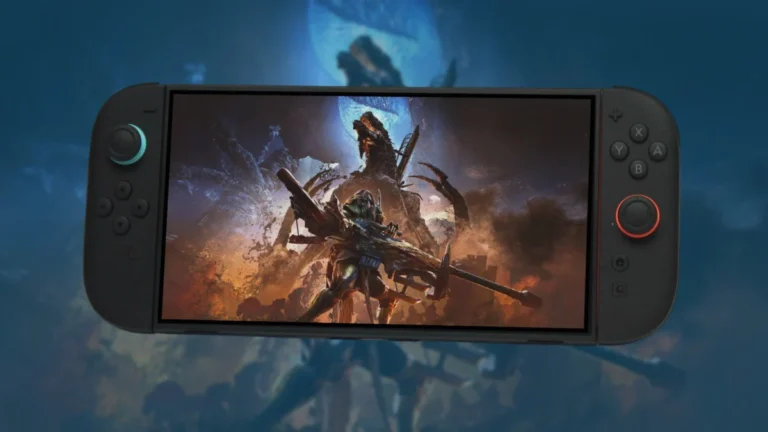
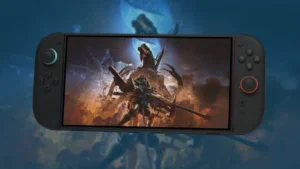
A critical component of the Season 3 launch is the optimization of Overwatch for the Nintendo Switch 2. Following the hardware’s release, Blizzard has committed to a native version of the game that addresses the performance bottlenecks of the original Switch hardware. The Switch 2 version of Overwatch now features a stable framerate and improved resolution, bringing it closer to parity with other console versions.
Industry analysts suggest that the "decent native version" on Switch 2 is essential for maintaining the game’s global footprint, particularly in regions where handheld gaming dominates the market. By ensuring a high-performance experience on Nintendo’s latest platform, Blizzard is positioning Overwatch to remain a competitive force in the portable esports scene.
Contextualizing the 2026 Reboot and Player Retention
The success of Season 3 is being viewed as a validation of the "early 2026 sort-of-reboot" that Overwatch underwent. Following a period of fluctuating player numbers and community dissatisfaction regarding the transition from Overwatch 1 to Overwatch 2, Blizzard implemented a series of systemic changes to the game’s core loop. This included a re-evaluation of the 5v5 format, a more transparent roadmap for hero releases, and a shift away from the highly criticized initial Battle Pass structures.
Data from SteamDB and other tracking platforms indicate that Overwatch is currently in a significantly stronger position than it was twelve months ago. The 2026 reboot focused on "fun-first" mechanics and reduced the grind required to unlock new heroes, a move that was widely praised by both casual and professional players. The introduction of Shion as the 52nd hero represents the steady cadence of content that Blizzard promised during the reboot’s announcement.
Chronology of Recent Major Updates
To understand the impact of Season 3, it is necessary to look at the timeline of Overwatch’s recent evolution:

- January 2026: The "Overwatch Reborn" initiative is launched, shifting the game’s balance philosophy and introducing the first wave of engine optimizations.
- May 2026: Season 1 of the new era begins, focusing on tank reworks and the introduction of the first new map since the reboot.
- September 2026: Season 2 introduces a new Support hero and the "Nexus" social hub, designed to improve the in-game community experience.
- Current (Today): Season 3 launches with Shion, Neon Junction, and the Switch 2 native performance patch.
Impact and Implications for the Hero Shooter Market
The release of Shion and the scrapped "Style Meter" concept highlight a broader trend in the hero shooter genre: the integration of mechanics from other gaming genres to maintain freshness. As competitors like Valorant, Apex Legends, and newcomers in the "hero shooter" space vie for market share, Blizzard is leaning into the "stylish action" niche to differentiate its roster.
By considering—and ultimately tempering—complex mechanics like style rankings and super speed, Blizzard is signaling a commitment to "accessible depth." The goal is to create heroes that are easy to pick up but offer a high skill ceiling for dedicated players. Shion’s motorcycle, while mechanically simpler than a style meter, still requires precise navigation and timing, offering a different kind of skill expression that fits within the established framework of Overwatch combat.
From a strategic perspective, the "Into the Tiger’s Den" update serves to solidify the game’s identity. The focus on high-fidelity cosmetics, technical optimization for new hardware, and experimental but balanced hero design suggests that Blizzard has found a sustainable rhythm for the franchise.
Official Reactions and Future Outlook
While Blizzard executives have remained focused on the technical aspects of the launch, the community response to Shion has been largely positive. Early playtest data suggests that Shion’s mobility makes her a formidable flanker, though her reliance on "linking" abilities—a remnant of her DMC-inspired origins—requires a level of precision that separates top-tier players from the rest of the field.
Looking ahead, Blizzard has hinted that the lessons learned from Shion’s development will inform future hero designs. The concept of a "Style Meter" may have been shelved for now, but the philosophy of rewarding fluid, creative play remains a priority for the design team. As Season 3 progresses, the Anima Strike event will likely serve as a litmus test for how Blizzard handles narrative-driven live-service content moving into 2027.
In conclusion, Overwatch Season 3 represents more than just a content drop; it is a testament to the game’s resilience and Blizzard’s willingness to experiment with the boundaries of the genre. With Shion leading the charge on her motorcycle and the technical hurdles of the Switch 2 successfully cleared, the hero shooter enters the mid-2020s with a renewed sense of purpose and a stabilized player base.