


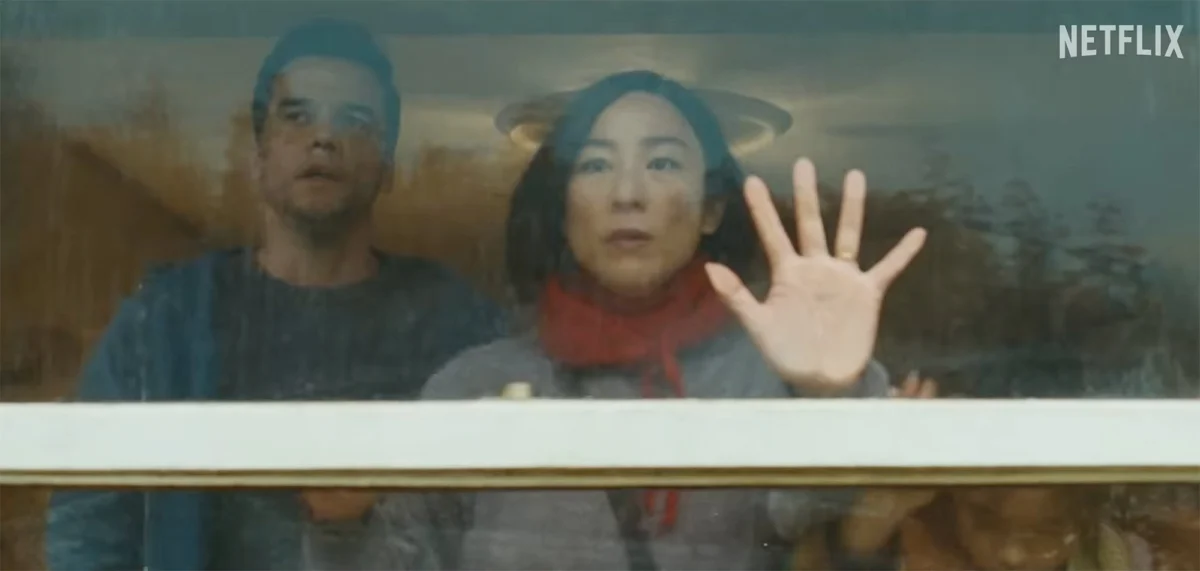
Netflix has officially released the first chilling trailer for The Last House, an upcoming sci-fi thriller directed by acclaimed French filmmaker Louis Leterrier. The highly anticipated film, which promises a tense and claustrophobic experience, is set to debut globally on the streaming platform on August 7, 2026. The trailer, first revealed on June 15, 2026, immediately generated significant buzz, showcasing a compelling premise: a family of four inexplicably sealed within their own home by an unknown, external force. This intriguing concept has drawn immediate comparisons to other successful confined-space thrillers, hinting at a deep dive into psychological suspense and survivalist drama.
Trailer Analysis: A Glimpse into Confined Terror
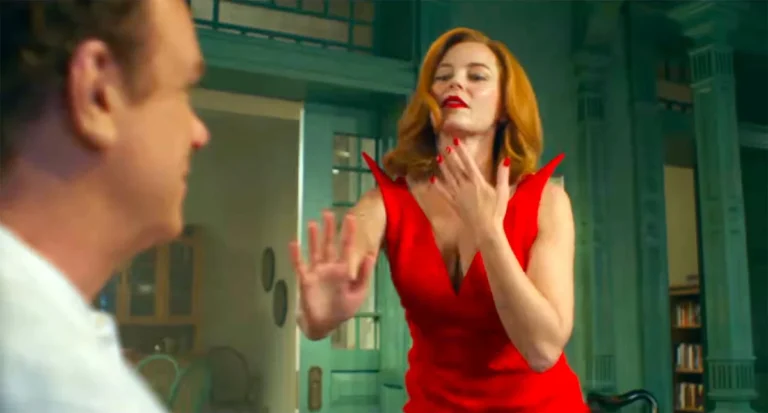
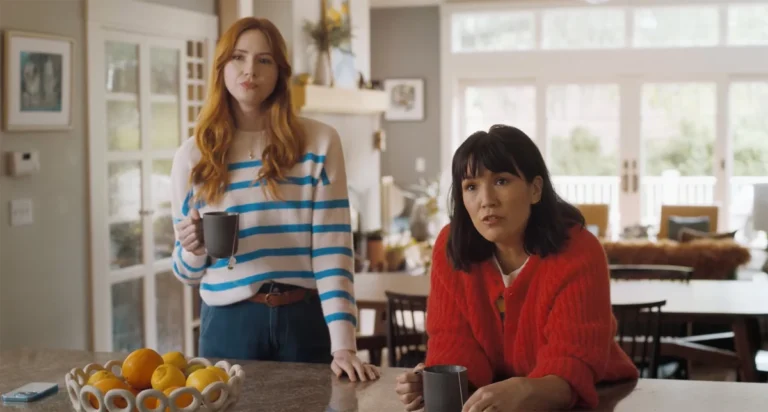
The newly released trailer for The Last House opens with an idyllic scene of domestic bliss, quickly shattered by an unseen anomaly that seals the family inside their residence. The visual narrative effectively establishes a pervasive sense of dread, transitioning from initial confusion to growing desperation. Key moments in the trailer highlight the escalating tension: frantic attempts to open doors and windows, the sudden disappearance of outside contact, and the ominous sound design that suggests an ever-present, yet unseen, threat. A particularly poignant line, "We are safe. We are home. But most importantly – we have each other…", delivered with an undercurrent of forced optimism, encapsulates the film’s central struggle between maintaining hope and succumbing to despair.
Director Louis Leterrier, known for his dynamic action sequences and often large-scale productions, appears to pivot into a more intimate, character-driven narrative with The Last House. The trailer suggests a meticulous focus on psychological erosion rather than overt action, a departure that has intrigued both critics and fans. The cinematography emphasizes the enclosed environment, using tight shots and shadows to amplify the feeling of entrapment. The quick cuts between moments of terror, familial bonding, and existential dread paint a picture of a film that aims to be both a visceral thriller and a poignant exploration of human resilience under duress. The visual aesthetic leans into a contemporary, slightly unsettling realism, allowing the fantastical premise to feel grounded by the characters’ genuine reactions. The trailer strategically avoids revealing the exact nature of the "strange storm" or the "mysterious, looming threat," a deliberate choice that fuels curiosity and allows for speculative discussion among viewers. This ambiguity is a classic thriller tactic, designed to keep audiences guessing and eager for the full narrative reveal.
The Premise and Its Genre Ancestry
The Last House centers on a family – parents Riley (Greta Lee) and Jason (Wagner Moura), along with their two children – who find themselves in an unimaginable predicament. Their home, once a sanctuary, transforms into an impenetrable prison. The core conflict arises from their dwindling resources and the pervasive, undefined threat that holds them captive. This setup immediately places the film within the rich tradition of "trapped in a house" or "confined space" thrillers, a subgenre that has consistently captivated audiences by tapping into fundamental human fears: loss of freedom, isolation, and the unknown.
Comparisons have already been drawn to films like Vivarium (2019), which also features a couple trapped in an inescapable suburban house, and 10 Cloverfield Lane (2016), where characters are forced to shelter in an underground bunker amidst an apocalyptic event. Other notable predecessors include Panic Room (2002), where a mother and daughter are besieged in their home, and even the psychological intensity of Room (2015), albeit with a different focus. What distinguishes The Last House, according to early indications, is its unique blend of sci-fi elements with the psychological horror of confinement. The "strange storm" and the "mysterious, looming threat" suggest something beyond mere human antagonists or natural disaster, pushing the narrative into speculative fiction territory. The challenge for films in this subgenre is to maintain suspense and character development within a limited setting, preventing narrative stagnation. The most successful examples achieve this by gradually peeling back layers of mystery, intensifying interpersonal conflicts, and exploring the psychological toll of isolation. The Last House appears poised to tackle these challenges by focusing on the family’s internal dynamics and their collective struggle against an unfathomable external force.
Behind the Camera: Louis Leterrier’s Evolving Vision

Directing The Last House is Louis Leterrier, a French filmmaker renowned for his versatility across various genres, most notably action. Leterrier’s career began with a strong emphasis on high-octane sequences, evidenced by his early work on The Transporter (2002) and Transporter 2 (2005), which established him as a director capable of crafting compelling, fast-paced thrillers. His filmography further expanded with superhero fare like The Incredible Hulk (2008) and large-scale mythological epics such as Clash of the Titans (2010). He later demonstrated his aptitude for intricate plots and ensemble casts with Now You See Me (2013), a commercially successful heist thriller. Most recently, Leterrier helmed Fast X (2023), taking over mid-production and delivering a significant entry in the globally popular Fast & Furious franchise.
Leterrier’s transition into the more intimate, suspense-driven narrative of The Last House marks an intriguing evolution in his directorial journey. While he has previously explored elements of suspense, his prior works often relied on spectacle and grand narratives. This film, however, seems to delve deeper into psychological tension and character-driven drama, a testament to his adaptability as a filmmaker. His experience with intricate plot structures (as seen in Now You See Me) and managing intense character dynamics (in Fast X) could prove invaluable in orchestrating the claustrophobic drama of The Last House. Furthermore, Leterrier is not new to the Netflix ecosystem. He has previously directed episodes for successful Netflix series like "Lupin" and "The Dark Crystal: Age of Resistance," showcasing his ability to deliver high-quality content for the streaming giant. This established relationship likely facilitated the collaboration on The Last House, allowing Leterrier the creative freedom to explore a different facet of his storytelling capabilities within a platform that values diverse content. His involvement signals Netflix’s commitment to attracting established talent for its original film slate, diversifying its offerings beyond established franchises.
The Pen Behind the Story: Matthew Robinson’s Screenplay
The screenplay for The Last House is penned by Matthew Robinson, a writer known for his ability to blend genre elements with compelling character narratives. Robinson’s previous works provide a strong indication of the thematic and narrative sophistication audiences can expect from The Last House. He co-wrote the critically acclaimed Love and Monsters (2020), an action-adventure film that deftly combined post-apocalyptic survival with heartfelt humor and romance. His other notable credit, Good Luck Have Fun Don’t Die, also points to a talent for crafting unique, high-concept stories.
Robinson’s work on Love and Monsters showcased his skill in building a believable world under extraordinary circumstances, focusing on the human element amidst a fantastical backdrop. This experience will undoubtedly be crucial for The Last House, where the fantastical element of being sealed in a home must be grounded by the family’s relatable struggle for survival. His writing tends to imbue characters with depth and agency, even in extreme situations, which is essential for a film that relies heavily on the audience’s emotional investment in the trapped family. The challenge for The Last House lies in creating a compelling narrative within a confined space, a task where Robinson’s ability to craft engaging dialogue and escalate tension through character interaction will be paramount. The success of the film will hinge on how effectively the script navigates the psychological deterioration and the desperate ingenuity required for survival, without resorting to repetitive tropes.
The Ensemble Cast: Crafting the Family Dynamic
The Last House features a compelling ensemble cast, led by Greta Lee and Wagner Moura as the parents, Riley and Jason. Their performances will be central to anchoring the film’s emotional weight and conveying the escalating terror of their predicament.
Greta Lee, who portrays Riley, has garnered significant acclaim for her versatile performances across film and television. She recently received widespread critical praise for her lead role in Past Lives (2023), a poignant romantic drama that showcased her profound emotional depth and subtle acting prowess. Her previous work includes comedic roles in "Russian Doll" and "Girls," as well as dramatic turns in films like Spider-Man: Into the Spider-Verse (voice) and St. Vincent. Lee’s ability to convey complex emotions with nuance makes her an ideal choice for a character facing extreme psychological pressure. Her presence suggests a performance that will blend vulnerability with fierce determination.
Wagner Moura, cast as Jason, is internationally recognized for his intense and charismatic portrayals. He achieved global stardom for his captivating performance as Pablo Escobar in the Netflix series "Narcos," earning critical accolades and a Golden Globe nomination. Moura has also demonstrated his range in films such as Elite Squad (2007) and its sequel, and more recently, in the acclaimed A24 film Civil War (2024). His commanding screen presence and capacity for portraying characters under immense stress will be crucial in depicting a father struggling to protect his family while grappling with an unfathomable crisis. The dynamic between Lee and Moura is expected to be a cornerstone of the film, showcasing a believable marital and parental bond tested to its limits.

The cast is further rounded out by talented young actors Riley Chung and Emma Ho as the children, whose performances will undoubtedly contribute to the film’s emotional core and the audience’s empathy. Their innocence and vulnerability will heighten the stakes of the family’s survival. Supporting roles are filled by Noah Alexander Sosnowski, Gabriel Barbosa, and Sam Lerner, whose specific contributions to the narrative remain to be fully seen but are expected to add layers to the unfolding mystery or the family’s limited interactions with the outside world, or lack thereof. The strength of this ensemble, particularly the lead performances, will be vital in creating a convincing and emotionally resonant portrayal of a family pushed to their breaking point.
Netflix’s Strategic Play in Sci-Fi Thrillers
The acquisition and production of The Last House by Netflix aligns perfectly with the streaming giant’s strategic investment in high-concept sci-fi thrillers and original content. Netflix has consistently demonstrated a strong appetite for genre films that can attract a global audience, and the sci-fi thriller niche has proven to be particularly successful for the platform. Films like Bird Box, Extraction, The Old Guard, and Don’t Look Up (while more of a satire, it has thriller elements) have garnered massive viewership, solidifying Netflix’s reputation as a go-to destination for diverse and engaging genre storytelling.
The appeal of The Last House to Netflix is multifaceted. Its contained setting likely allowed for a more controlled production budget compared to sprawling blockbusters, while its high-concept premise offers significant global appeal without language barriers. The film’s theme of family survival resonates universally, making it accessible to a wide demographic across different cultures. Furthermore, collaborating with established talent like Louis Leterrier and a strong cast like Greta Lee and Wagner Moura provides a stamp of quality and attracts both critical attention and viewer interest. Netflix’s data-driven approach often identifies popular trends and underserved niches, and the "trapped in a house" thriller, especially when infused with sci-fi elements, offers a potent combination of psychological suspense and speculative intrigue that has a proven track record of audience engagement. By releasing The Last House worldwide simultaneously, Netflix leverages its extensive global subscriber base, maximizing the film’s reach and potential impact from day one. This strategy not only caters to existing subscribers but also serves as a strong draw for new ones, reinforcing Netflix’s position as a leading producer of original, compelling genre content.
Production Insights and Creative Challenges
While specific production details for The Last House remain under wraps, the nature of a confined-space thriller inherently presents unique creative and logistical challenges. Filming almost exclusively within a single location, a house, requires meticulous planning and ingenuity from the production design, cinematography, and directorial teams. The set design must evolve to reflect the family’s deteriorating situation, from a pristine home to a claustrophobic prison, conveying the passage of time and the toll of their predicament.
Cinematography plays a crucial role in maintaining visual interest and escalating tension within a limited environment. Directors often employ varied camera angles, lighting changes, and dynamic blocking to prevent the setting from becoming monotonous. Leterrier’s experience with dynamic camera work in action films suggests he will find creative ways to make the confined space feel expansive when needed, or incredibly suffocating at other times. The sound design will also be paramount, as unseen threats and the psychological impact of isolation can be powerfully conveyed through ambient noise, unsettling silences, and sudden sonic scares.
For the cast, performing in a confined setting demands intense psychological commitment. Actors must portray the full spectrum of emotions – fear, frustration, desperation, love, and hope – often in close proximity to one another, requiring strong chemistry and nuanced interactions. The director’s ability to guide these performances and maintain a consistent tone throughout the limited setting will be key to the film’s success. The challenge is to ensure that the story remains engaging and unpredictable, even without the geographical shifts typical of many thrillers. This necessitates a strong emphasis on character development, internal conflict, and a gradual, compelling revelation of the central mystery.
Anticipation and Release Details

The Last House is poised to be a significant release for Netflix in the latter half of 2026. Following the trailer’s debut on June 15, 2026, anticipation has steadily built among fans of sci-fi, thrillers, and Leterrier’s previous works. The film’s August 7, 2026, global release date ensures it will be available to Netflix’s vast subscriber base simultaneously, aiming for a strong initial viewership. The timing, often a period for summer streaming releases, suggests Netflix is confident in the film’s ability to capture audience attention during a competitive season.
Early reactions to the trailer indicate a strong interest in the film’s premise and the caliber of its cast. Viewers are particularly curious about the nature of the "strange storm" and the "mysterious, looming threat," which are deliberately kept vague in promotional materials. The success of similar "trapped" narratives on streaming platforms suggests a receptive audience for this type of psychological thriller. Critics and industry observers will be closely watching to see how Leterrier, known for his grander productions, adapts his style to a more intimate and suspense-driven narrative. The film is categorized under Horror, Streaming, and Trailer, indicating its target audience and genre leanings within Netflix’s content library. The key question for many will be how the film delivers on its promise of an intense, claustrophobic experience while offering a satisfying resolution to its central mystery.
Broader Implications for Streaming and Cinema
The release of The Last House carries broader implications for both the streaming industry and the evolving landscape of cinematic storytelling. As streaming platforms continue to invest heavily in original content, films like The Last House demonstrate the capacity for high-quality, mid-budget genre pieces to thrive outside the traditional theatrical model. This film, with its strong director, recognizable cast, and compelling premise, represents Netflix’s continued effort to offer diverse cinematic experiences directly to consumers.
For Louis Leterrier, The Last House could signify a significant turning point in his career, showcasing his versatility beyond action blockbusters and reinforcing his capability to helm more character-focused, suspenseful dramas. A critical and commercial success would further solidify his standing as a multifaceted director capable of adapting to various storytelling demands.
The film’s success or failure will also provide valuable data for Netflix regarding audience appetite for sci-fi thrillers that blend psychological tension with speculative elements. It could influence future greenlighting decisions and the types of projects the platform chooses to develop. Moreover, the ongoing debate about the theatrical experience versus at-home streaming is subtly influenced by such releases. While The Last House might not be a tentpole theatrical event, its existence and potential impact on millions of viewers globally highlight the power of streaming to deliver compelling narratives that might not otherwise receive widespread distribution in cinemas. The film underscores the increasing importance of accessible, diverse content that caters to the nuanced tastes of a global digital audience, further blurring the lines between what constitutes a "cinema" film and a "streaming" film in the modern media landscape.