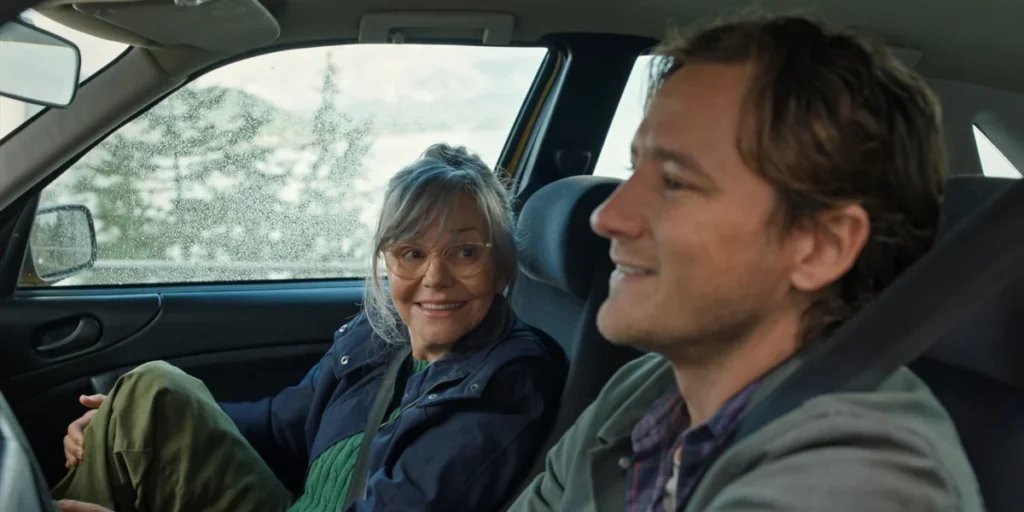



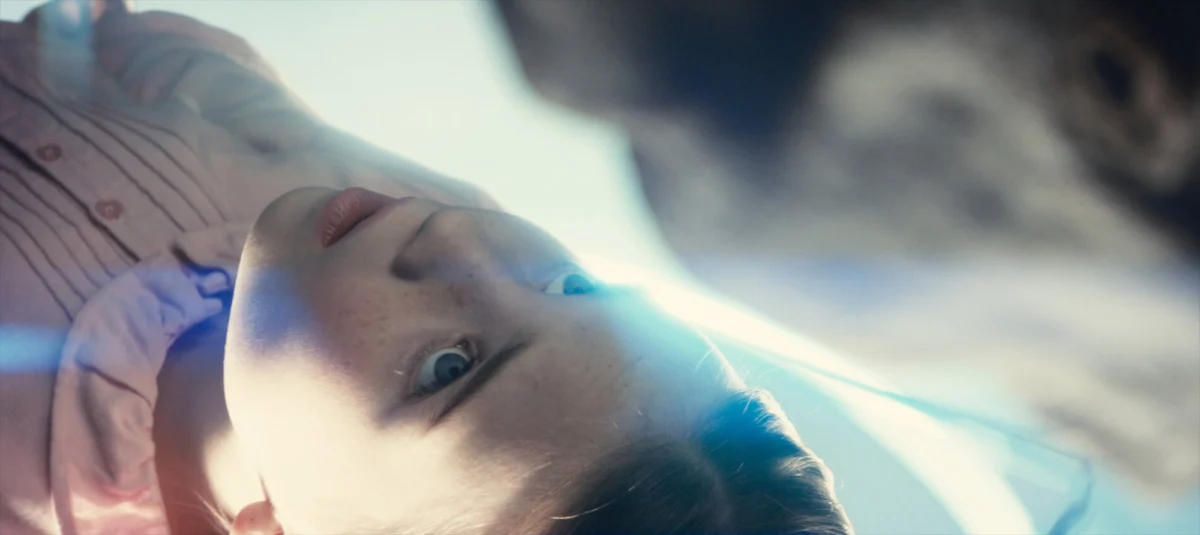
The cinematic landscape was irrevocably altered on June 12, 2026, with the global release of Steven Spielberg’s highly anticipated science fiction thriller, Disclosure Day. Starring Josh O’Connor as whistleblower Dr. Daniel Kellner and Emily Blunt as the enigmatic Margaret, a television personality with an unexplained connection to extraterrestrial phenomena, the film has immediately ignited a firestorm of critical debate and public discussion. Following its worldwide debut, early reviews have painted a picture of extreme polarization, with some critics hailing it as a return to form for the legendary director and a sci-fi masterpiece, while others have dismissed it as a profound disappointment and one of his weakest directorial efforts in decades. This widespread divergence in opinion underscores the film’s ambitious premise and its daring, albeit controversial, narrative choices.
Background to the Phenomenon: The UAP Craze and Spielberg’s Inspiration
The genesis of Disclosure Day can be traced back several years to the escalating public and governmental fascination with Unidentified Aerial Phenomena (UAP), commonly known as UFOs. This period, characterized by declassified military footage, official Pentagon reports acknowledging unexplained aerial observations, and a series of congressional hearings, brought the topic of potential extraterrestrial intelligence from the fringes of conspiracy theories into mainstream discourse. Scientific communities, intelligence agencies, and the general public grappled with the implications of these revelations, fostering an environment ripe for artistic interpretation. It was during this fervent period that Steven Spielberg, a filmmaker long synonymous with groundbreaking science fiction and alien narratives, reportedly conceived the core story for Disclosure Day.
Spielberg’s filmography is replete with iconic explorations of humanity’s encounter with the unknown. From the wonder and awe of Close Encounters of the Third Kind (1977) and E.T. the Extra-Terrestrial (1982) to the visceral terror of War of the Worlds (2005), his works have consistently shaped the public’s perception of extraterrestrial life. This extensive legacy meant that any new Spielbergian venture into this genre arrived burdened with immense expectations, particularly given the contemporary real-world context of UAP discussions. The announcement of Disclosure Day, with a script penned by his frequent collaborator David Koepp, known for his work on Jurassic Park and War of the Worlds, further amplified the anticipation, promising a narrative deeply rooted in the current societal anxieties surrounding truth, secrecy, and the potential for a cosmic reveal.
Plot Synopsis and Narrative Thrust
Disclosure Day plunges audiences into a high-stakes conspiracy, centered on Dr. Daniel Kellner (O’Connor), a brilliant but ostracized scientist who claims to possess irrefutable evidence of alien existence and governmental cover-ups. Driven by a moral imperative to expose what he believes is the most significant truth in human history, Kellner embarks on a perilous journey to disseminate this information to the world. His path intersects with Margaret (Blunt), a shrewd and enigmatic television journalist whose own experiences and connections suggest a deeper, more personal involvement with the very phenomena Kellner seeks to expose.
The film’s central conflict revolves around the urgent race against time to reveal "the truth" to a skeptical and manipulated public, while simultaneously evading the relentless pursuit of shadowy government agencies determined to maintain the global status quo. The narrative deftly weaves elements of a taut political thriller with moments of speculative science fiction, raising questions about trust, propaganda, and the profound societal implications of confirming life beyond Earth. Audiences are kept on the edge of their seats, questioning not only the fate of the protagonists but also the very nature of truth in an age dominated by information control and disinformation campaigns.
Polarized Critical Reception: A Masterpiece or a Misstep?
The critical response to Disclosure Day has been nothing short of a chasm. On one side, a significant contingent of critics has lauded the film as a triumphant return to Spielberg’s sci-fi roots, praising its technical brilliance, propulsive pacing, and timely themes. Reviewers in this camp have highlighted Spielberg’s masterful direction, citing sequences of breathtaking suspense and emotional depth that evoke his classic works. Performances by O’Connor and Blunt have been singled out for their intensity and nuanced portrayals of characters grappling with world-altering secrets. Some have proclaimed it Spielberg’s "best film in two decades," commending its ambition to tackle complex contemporary issues through the lens of a grand adventure, elevating the discussion around UAPs beyond mere spectacle. Publications such as The Global Herald praised its "unflinching look at the human cost of suppressed truth," while Cinematic Futures called it "a profound and necessary piece of speculative fiction that challenges our perceptions of reality."

Conversely, an equally vocal segment of critics has expressed profound disappointment, labeling Disclosure Day as a missed opportunity and a film that ultimately shies away from its own premise. The most common point of contention revolves around the film’s ending, which many have described as an anticlimactic "tease" that betrays the intense build-up of the preceding two hours. These critics argue that after meticulously constructing a narrative around the pursuit of a definitive "disclosure," the film opts for an ambiguous resolution, focusing on abstract themes of empathy and interpersonal understanding rather than delivering a concrete revelation about extraterrestrial life. Film Review Daily noted, "Spielberg, for all his genius, pulls his punches, delivering a philosophical rumination when audiences craved cosmic answers." Screen Spectrum harshly critiqued the film’s perceived timidity, stating, "It’s a two-hour government conspiracy chase movie with a few fleeting glimpses of alien footage, ultimately afraid to engage with the very ‘truth’ it promises." This perspective suggests that the film plays it too safe, failing to fully explore the revolutionary implications of its own subject matter.
Box Office Performance and Audience Engagement
Despite the critical divide, Disclosure Day has demonstrated strong commercial performance in its opening weekend. Studio figures reported an estimated global box office of $185 million, comprising $72 million domestically and $113 million internationally, positioning it as one of the year’s biggest openings. This robust initial showing is largely attributed to Spielberg’s enduring brand power, the star appeal of Josh O’Connor and Emily Blunt, and the intense pre-release marketing campaign that capitalized on the widespread public interest in UAPs.
Audience reactions, mirroring the critical landscape, have been varied. While many viewers expressed their satisfaction with the thrilling pace and compelling performances, others echoed the critics’ sentiments regarding the ending. Early CinemaScore polling indicated a B+ grade, suggesting general approval but also a significant portion of the audience leaving the theater feeling somewhat unfulfilled by the narrative’s conclusion. Social media platforms have been abuzz with discussions, analyses, and debates, with hashtags related to "Disclosure Day" trending globally. The film has clearly stimulated a powerful dialogue, whether in praise or critique, solidifying its status as a major cultural event.
Industry Reactions and Broader Implications
Representatives from the film’s distributing studio, Universal Pictures, have expressed enthusiasm for the film’s opening success. "We are incredibly proud of Disclosure Day and the profound conversations it has sparked," stated a studio spokesperson in a press release. "Steven Spielberg and his team have delivered a thought-provoking film that challenges audiences to consider the nature of truth and our place in the universe. The box office performance is a testament to the enduring power of his storytelling."
While Spielberg himself has yet to issue a comprehensive public statement directly addressing the critical controversy surrounding the ending, earlier interviews during the film’s promotional tour offer some insight. In a discussion with Variety, when asked about the film’s focus, Spielberg remarked, "The real ‘disclosure’ isn’t just about what’s out there, but what’s within us. How we react to unimaginable truths, how we treat each other in the face of the unknown – that’s the story I wanted to tell. It’s about humanity’s capacity for belief, for fear, and ultimately, for empathy." This statement aligns with the criticisms suggesting the film prioritizes philosophical introspection over a definitive alien reveal.
The release of Disclosure Day carries significant implications beyond its immediate box office returns. For Steven Spielberg, it marks another ambitious entry into his storied career, one that will undoubtedly fuel academic and popular discussions about his artistic choices and evolving thematic interests. It cements his role as a director unafraid to tackle contemporary anxieties, even if his approach to resolving them proves divisive. For Josh O’Connor and Emily Blunt, the film provides another high-profile platform, showcasing their versatility in a genre-bending blockbuster.
More broadly, Disclosure Day contributes to the ongoing cultural conversation about government transparency, the nature of "truth" in an increasingly complex media landscape, and humanity’s perennial fascination with extraterrestrial life. Its polarizing reception highlights the inherent challenge in meeting sky-high expectations for a film that dares to address such profound and deeply ingrained societal questions. Whether viewed as a masterful exploration of these themes or a cautious evasion of its own potential, Disclosure Day has undeniably left its mark, prompting audiences worldwide to question not just what they believe, but why. The debate surrounding its legacy is only just beginning.