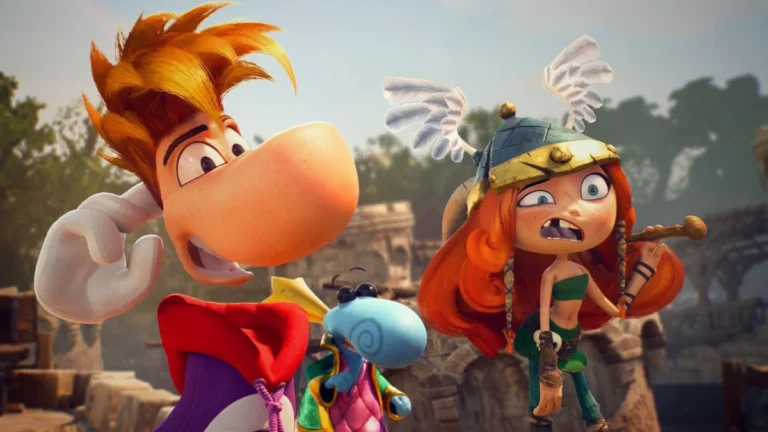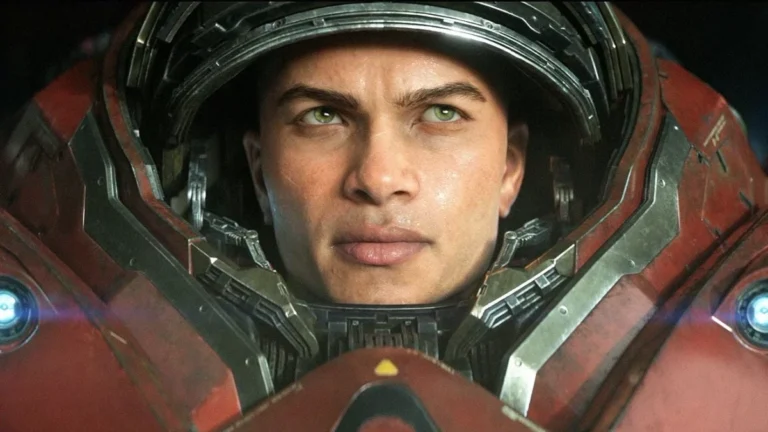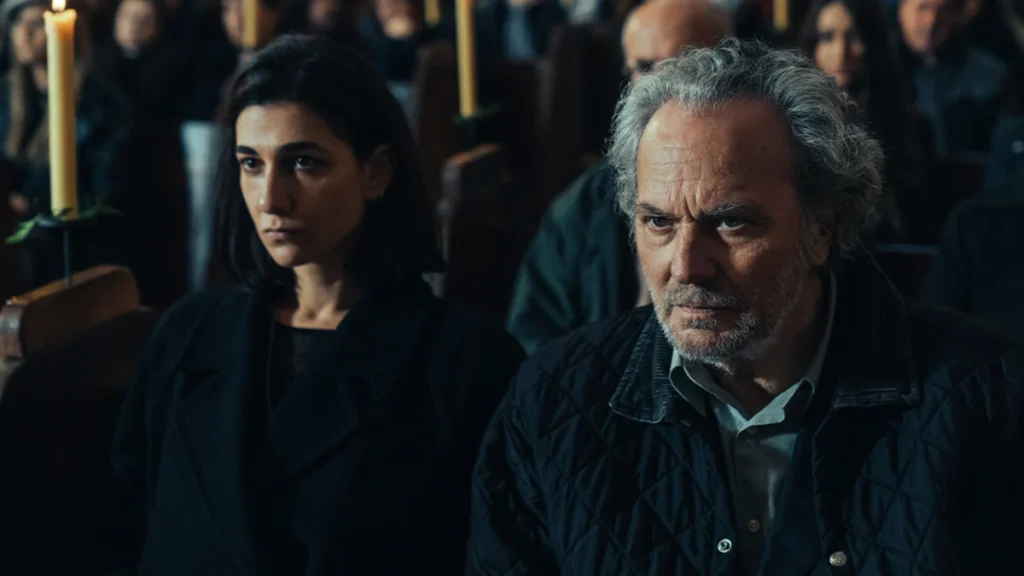


The mid-year gaming corridor, traditionally anchored by the Summer Game Fest and various digital showcases, has yielded a diverse array of experiences ranging from high-budget licensed adaptations to experimental indie hybrids. This week’s focus centers on four distinct titles that illustrate the current trajectory of the industry: the cinematic reinvention of the James Bond franchise in 007: First Light, the mechanical innovation of the indie roguelike Chivalware, the iterative refinement of the Soulslike genre in the Mortal Shell 2 beta, and the social dynamics of cooperative play in Split Fiction. These titles represent a cross-section of modern gaming, highlighting a shift toward mechanical complexity and narrative-driven tutorials that aim to bridge the gap between accessibility and depth.
The Cinematic Ambition of 007: First Light
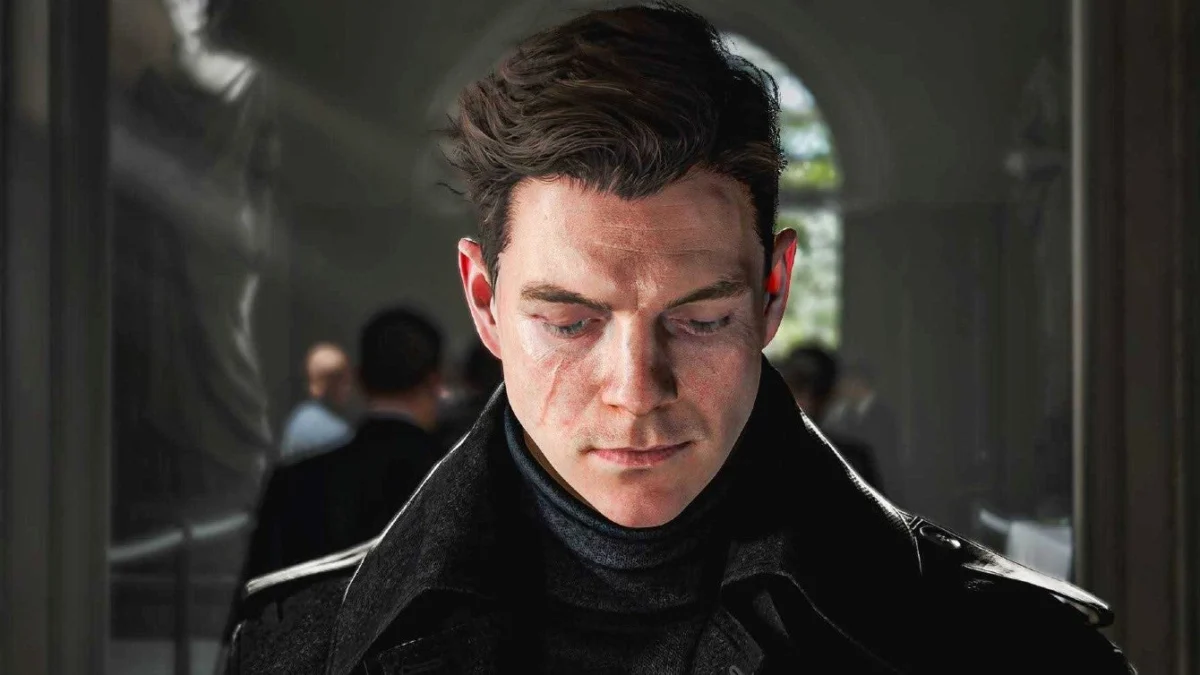
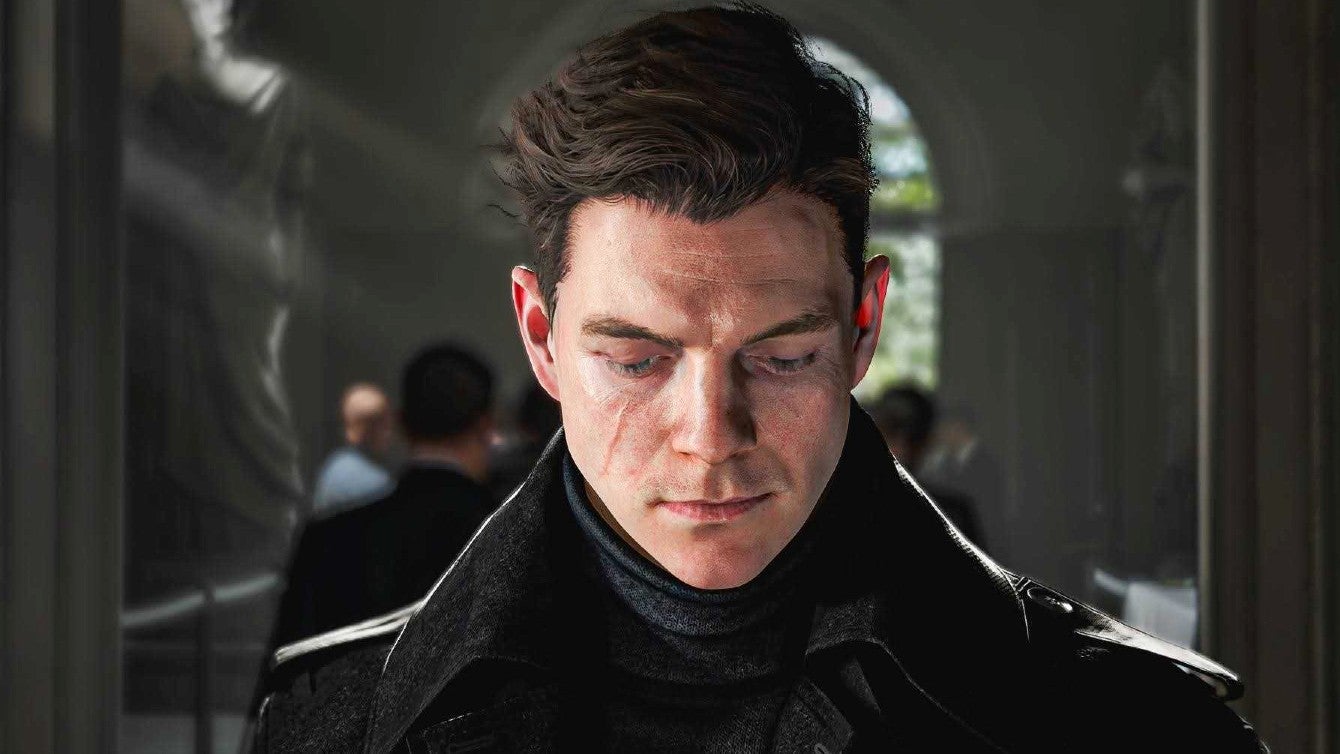
IO Interactive, the studio recognized for the critically acclaimed Hitman: World of Assassination trilogy, has transitioned its expertise in systemic stealth to the James Bond universe with 007: First Light. The title marks a significant departure from previous Bond iterations, which often struggled to balance the character’s sophisticated persona with the mechanical requirements of action-oriented gameplay. 007: First Light introduces Patrick Gibson as the titular secret agent, a casting choice that has been met with positive early reception for bringing a charismatic yet grounded energy to the role.
A central point of praise in early critiques and player feedback is the game’s introductory sequence. Set in Malta, the tutorial functions as a "training montage" that serves both a narrative and pedagogical purpose. Unlike traditional tutorials that rely on static text boxes, First Light utilizes a fast-paced, cinematic structure that cycles through core mechanics—stealth, hand-to-hand combat, and vehicular traversal—with high-frequency hard cuts. This "chronological repetition" allows players to internalize the controls within a high-stakes environment without losing the momentum of the narrative.
The game also emphasizes the environmental storytelling typical of IO Interactive’s previous work. Players are granted access to highly detailed hubs, including MI6 headquarters and Q’s research laboratory. These areas are designed not just as mission select screens, but as interactive spaces where the history of the 00-program is explored through dialogue and environmental cues. The inclusion of "slapstick fisticuffs" suggests a physics-driven combat system that allows for emergent gameplay moments, such as environmental destruction during melee encounters.
Mechanical Innovation in the Indie Sector: Chivalware
While AAA titles focus on cinematic fidelity, the indie sector continues to push the boundaries of genre-blending. Chivalware, developed by a solo creator and featured prominently at the Dotemu and The MIX Summer Game Showcase, presents a unique amalgamation of match-three puzzles, grid-based combat, and roguelike progression. Drawing aesthetic inspiration from 1990s computing—specifically the "floppy disk"—the game casts players as a "disk knight."
The combat system in Chivalware requires players to navigate a grid while simultaneously managing color-coded tiles. Activating large clusters of identical tiles generates power for special abilities, while smaller clusters act as interruptions to the player’s flow. This creates a rhythmic, almost musical experience where the player must "dance" between enemy attack patterns and resource management. The game’s difficulty is heightened by the requirement of complementary builds; certain powers are ineffective against specific enemy types, forcing players to make strategic choices during shop visits and route selection.
The success of the Chivalware demo on Steam reflects a broader industry trend where experimental "micro-genres" find traction through high-speed, immediate gameplay loops. Analysts suggest that the game’s "punchy" nature and distinctive visual identity are key factors in its ability to stand out in a saturated roguelike market.
Mortal Shell 2 and the Evolution of the Soulslike
The "Soulslike" genre, characterized by high difficulty and stamina-based combat, has seen a surge in popularity following the massive success of titles like Elden Ring. Cold Symmetry’s Mortal Shell 2, which recently entered a beta phase following a shadow-drop during Summer Game Fest, aims to refine the niche established by its 2020 predecessor. The original Mortal Shell was noted for its "Shell" mechanic—allowing players to inhabit different bodies with unique stats—and its "Hardening" ability, which allowed players to turn to stone to negate damage.
The Mortal Shell 2 beta offers approximately three to six hours of content, depending on player skill and exploration thoroughness. Early data from the beta indicates that the developer has focused on expanding the world’s scope while maintaining a non-linear but coherent structure. A significant addition is the "Seal" mechanic, which reportedly alters the fundamental rhythm of Soulslike combat by introducing new defensive and offensive layers that move beyond simple parrying.

Technical improvements in the beta suggest a more polished experience regarding hit detection and environmental interaction. The inclusion of "bonfires" (checkpoints) remains a staple, but the placement and density of these points are being scrutinized by the community to ensure a balance between challenge and frustration. The positive reception to the beta’s deliberate combat pace suggests that there is still significant demand for "AA" Soulslikes that offer a tighter, more focused experience than their open-world counterparts.
The Social Impact of Cooperative Gaming: Split Fiction
Split Fiction represents the continued relevance of local and online cooperative gaming, a segment that has seen a resurgence as players seek shared experiences. The game’s design encourages constant communication and coordination, often leading to complex social dynamics within the domestic environment. Observations of player behavior in Split Fiction highlight the "backseat gaming" phenomenon, where non-active or observing players (often family members) attempt to direct the actions of the primary players.
This interaction underscores the accessibility of modern co-op titles, which are increasingly being played across generational lines. While professional analysis often focuses on frame rates and loot tables, the success of titles like Split Fiction is frequently driven by their ability to facilitate social bonding—or in some cases, humorous domestic friction—through shared mechanical challenges.
Chronology of Recent Events and Industry Context
The release of these titles and demos follows a structured timeline of industry events that have shaped the current gaming landscape:
- Early June: Summer Game Fest kicks off, featuring major announcements from third-party publishers.
- The MIX Summer Game Showcase: Chivalware is highlighted as a standout indie title, leading to a surge in Steam Wishlist additions.
- Summer Game Fest Shadow-Drop: The Mortal Shell 2 beta is made available immediately following its trailer, a strategy used to capitalize on peak viewer engagement.
- Mid-June: Critical previews of 007: First Light are published, shifting public perception of the game from skeptical to highly anticipated.
This chronology demonstrates the importance of the "demo-first" approach in the modern digital marketplace. By allowing players to experience the first few hours of a game—as seen with Chivalware and Mortal Shell 2—publishers can gather valuable telemetry data and build community trust before the final launch.

Broader Impact and Market Implications
The current slate of "What We’ve Been Playing" titles suggests three major takeaways for the broader gaming industry:
- The Importance of the "First Hour": The emphasis on the Malta tutorial in 007: First Light and the immediate "punch" of Chivalware’s gameplay indicate that developers are prioritizing the initial player experience to reduce "bounce rates" (the percentage of players who quit shortly after starting).
- Genre Hybridization as a Standard: Pure genre entries are becoming rarer. The success of Chivalware’s match-three/roguelike blend and Mortal Shell 2’s unique defensive mechanics shows that players are increasingly looking for familiar foundations with experimental overlays.
- The Rise of the "AA" Powerhouse: Titles like Mortal Shell 2 and Split Fiction occupy a middle ground between small indie projects and billion-dollar AAA franchises. These games often provide higher innovation at a lower price point, making them essential components of subscription services and digital storefronts.
As the industry moves toward the latter half of the year, the performance of these demos and early-access builds will likely dictate the marketing strategies for the holiday season. The transition from the "World of Assassination" to the "World of Bond" for IO Interactive, in particular, will be a case study in how a studio can successfully pivot a world-class engine to a new, high-pressure IP. For now, the diversity of these experiences—from the neon-lit grids of Chivalware to the rain-slicked streets of Malta—reflects a healthy, if competitive, ecosystem for players and developers alike.