The Walt Disney Company reported fiscal second-quarter earnings on Wednesday that surpassed Wall Street’s expectations, fueled by robust performance in its direct-to-consumer streaming business and its global theme park division. Following the announcement, the company’s stock climbed approximately 7%, reflecting investor confidence in the entertainment giant’s strategic direction under its newly appointed leadership. Total revenue for the quarter, which ended March 28, rose to $25.17 billion, marking a 7% increase from the $23.5 billion reported in the same period a year earlier. While net income saw a decline—falling to $2.47 billion, or $1.27 per share, compared to $3.4 billion, or $1.81 per share, in the prior year—the adjusted earnings per share reached $1.57 when accounting for one-time items, including the recent acquisition of NFL Network assets.
A New Era of Leadership and Strategic Realignment
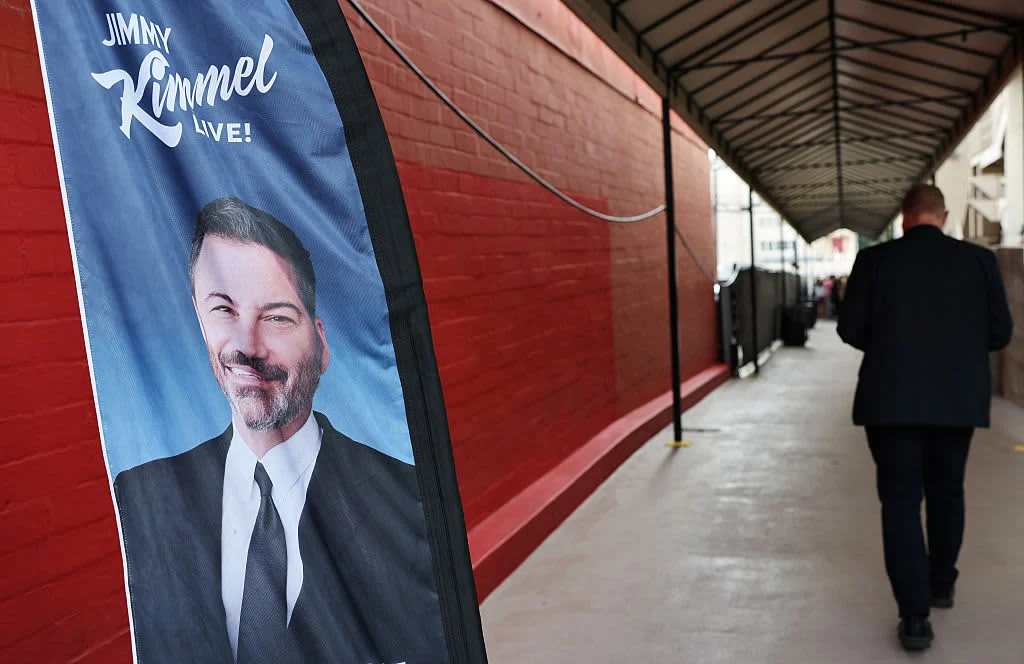
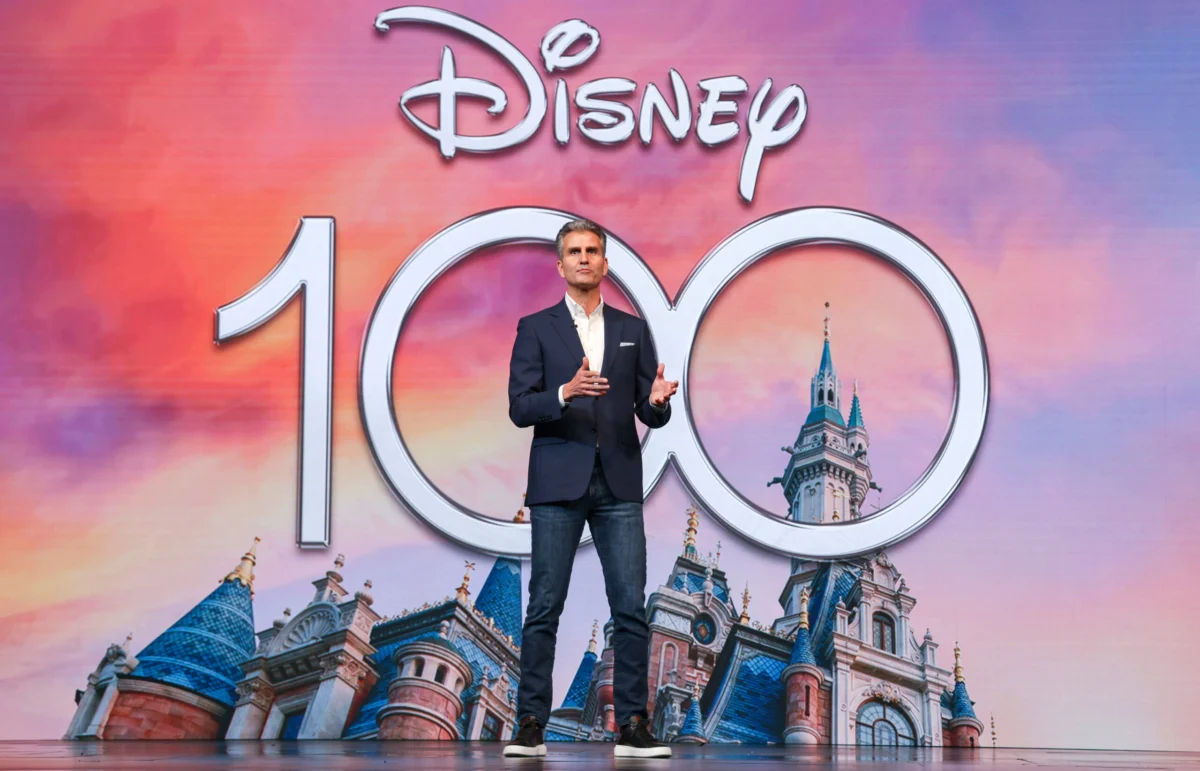
The second-quarter report serves as a pivotal milestone for Disney, representing the first full financial disclosure since Josh D’Amaro officially stepped into the role of Chief Executive Officer in March. D’Amaro, who previously oversaw the company’s Parks, Experiences, and Products division, succeeded Bob Iger, whose two non-consecutive tenures spanned two decades of transformative growth. D’Amaro’s ascension comes at a time of internal restructuring and external pressures. The company recently executed a significant round of layoffs aimed at streamlining operations and has navigated a complex political landscape, including public scrutiny surrounding its media assets and late-night programming.
During the earnings call, D’Amaro emphasized a future-forward strategy centered on the company’s core strengths: storytelling and intellectual property (IP). He outlined plans to deepen investments in the company’s vast library of franchises, utilizing advanced technology to enhance guest experiences at physical locations and engagement levels on digital platforms. This focus on "technological storytelling" is intended to differentiate Disney in an increasingly crowded media landscape.
Experiences Segment: Resilience Amid Macroeconomic Headwinds
Disney’s Experiences segment, which encompasses its global portfolio of theme parks, resorts, and the Disney Cruise Line, remains a primary engine of growth. The division reported revenue of nearly $9.5 billion for the quarter, a 7% year-over-year increase. This growth was achieved despite a nuanced picture of guest attendance. While global attendance figures rose by 2%, domestic visitation at U.S. parks saw a 1% decline. Disney executives noted that international tourism to domestic parks remained "softer," continuing a trend observed in the previous quarter.
Despite these fluctuations, guest spending at the parks increased, helping to offset the slight dip in domestic volume. This trend suggests that while fewer people may be passing through the turnstiles in certain regions, those who do visit are spending more on premium experiences, merchandise, and dining.
The company’s financial leadership addressed concerns regarding the broader economy, specifically the impact of rising fuel prices following geopolitical tensions in the Middle East earlier this year. CFO Hugh Johnston noted that while the company is "mindful" of macro uncertainty, it has yet to see a meaningful impact on consumer behavior. "We continue to see a strong consumer," Johnston told analysts. "While there may be some concerns around the macros and specifically around the price of fuel, we have not seen any evidence of that." He further bolstered confidence by stating that bookings for the second half of the fiscal year remain "quite strong."
Entertainment and the Evolution of Streaming
The Entertainment segment, which includes Disney+, Hulu, and the company’s traditional television and theatrical arms, saw revenue rise 10% to $11.72 billion. A significant portion of this growth was attributed to the integration of assets from the Fubo deal and a 14% surge in subscription and affiliate fees, which reached $7.8 billion. These gains were largely driven by recent price increases across Disney’s streaming platforms, a move that appears to have successfully improved margins without triggering mass subscriber churn.
Advertising revenue within the segment also grew by 5%, bolstered by higher impressions on streaming services as Disney continues to expand its ad-supported tiers. In a strategic shift in financial reporting, Disney has ceased providing specific quarterly subscriber counts and detailed breakdowns of its linear television networks. This move aligns with a broader industry trend where media companies are prioritizing profitability and engagement metrics over raw subscriber growth.
The theatrical division also contributed to the segment’s success. Recent box-office hits, such as "Avatar: Fire and Ash" and "Zootopia 2," provided a much-needed boost to revenue. These franchises not only generate immediate theatrical income but also serve as vital "top-of-funnel" content that eventually drives subscriptions to Disney+ and interest in theme park attractions.
Sports and the Future of ESPN
Disney’s Sports segment, dominated by ESPN, reported a 2% revenue increase to $4.61 billion. This growth was supported by the recent acquisition of the NFL Network and other media assets, as well as higher subscription fees. However, the segment faces ongoing challenges related to the rising costs of sports broadcast rights. Disney noted that operating costs were higher this quarter due to contract rate increases for live sports.
A bright spot for the division was the ESPN direct-to-consumer (DTC) app, which launched in August. The company reported that revenue from digital subscribers is now effectively offsetting the losses incurred by the steady decline of the traditional cable television ecosystem.
Regarding the NFL, CFO Johnston addressed reports that the league may seek to renegotiate its media rights deals earlier than the 2029-30 season opt-out period. While Disney has not yet entered formal negotiations for an early renewal, Johnston expressed an openness to the conversation. "We’re not dogmatic about the process," he stated, emphasizing a "disciplined" approach to future deals that ensures value for shareholders while maintaining Disney’s long-standing partnership with the league.
Fiscal Guidance and Shareholder Returns
Looking ahead, Disney provided optimistic guidance for the remainder of the 2026 fiscal year and into 2027. The company is targeting full-year adjusted earnings growth of approximately 12% for fiscal 2026. Furthermore, Disney announced an aggressive share repurchase program, increasing its target to at least $8 billion for the fiscal year, up from the previously projected $7 billion.
For the third quarter, Disney anticipates a total segment income of roughly $5.3 billion. Long-term projections for fiscal 2027 remain bullish, with the company expecting continued double-digit growth in adjusted earnings.
Johnston reiterated that the company has "levers in place" to adjust its business model should macroeconomic pressures, such as a sustained spike in oil prices, begin to dampen consumer spending. These levers could include adjustments to marketing spend, operational efficiencies, or promotional offerings to maintain park attendance and streaming engagement.
Analysis of Implications
The results of this quarter suggest that Disney is successfully navigating the transition from a legacy media company to a digitally-led entertainment powerhouse. The 7% stock surge indicates that the market approves of Josh D’Amaro’s early initiatives and the company’s ability to extract higher value from its existing customer base through price hikes and premium park experiences.
However, the slight decline in domestic park attendance and the "softer" international visitation serve as a warning sign. Disney is heavily reliant on discretionary consumer spending, which is sensitive to inflation and travel costs. By leaning into its IP and "storytelling technology," Disney is betting that the emotional connection consumers have with its brands will outweigh the financial pressures of a volatile economy.
The integration of the NFL assets and the growth of the ESPN DTC app also signal that Disney is prepared for the eventual end of the "cable bundle." By securing a stronger foothold in sports media, Disney ensures it remains a "must-have" service for a broad demographic, even as traditional TV viewership continues to erode.
In summary, Disney’s second-quarter performance reflects a company in a state of calculated evolution. With a new CEO at the helm, a focus on high-margin streaming, and a resilient—if evolving—theme park business, the company appears well-positioned to meet its ambitious growth targets for 2026 and beyond. Investors will be watching closely to see if the "strong consumer" Johnston described remains resilient in the face of persistent global economic uncertainty.