

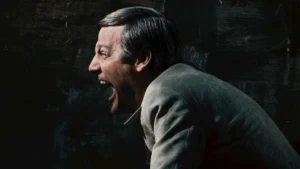

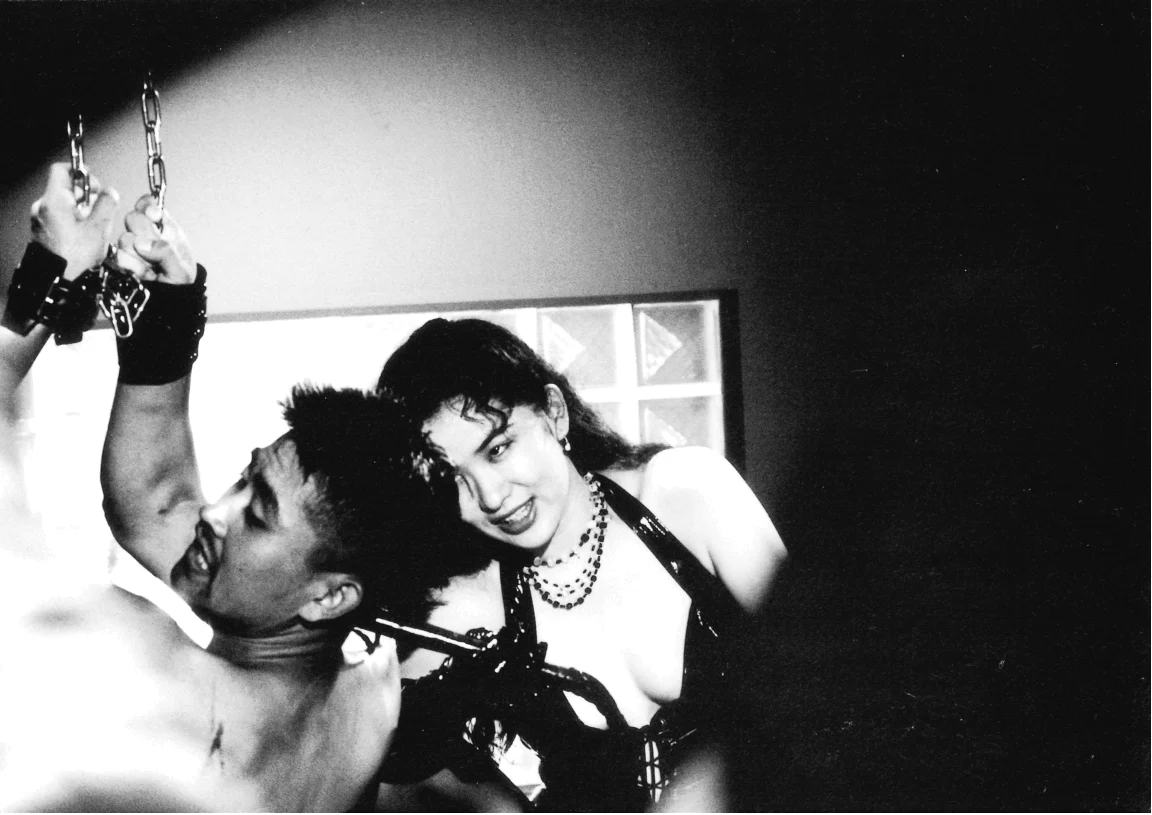
The release of the Blu-ray edition of New Love in Tokyo by Kani Releasing offers a timely opportunity to delve into the creative forces behind this provocative film and the cultural landscape it emerged from. The accompanying interview with Kei Shimamoto, a pivotal figure in the film’s genesis and a multifaceted artist in his own right, provides a rare and candid perspective on his decades-long career, his collaboration with the iconic photographer Nobuyoshi Araki, and the evolving nature of Japanese erotic art and its societal reception.
Kei Shimamoto: A Voice of Disillusionment and Creative Rebirth
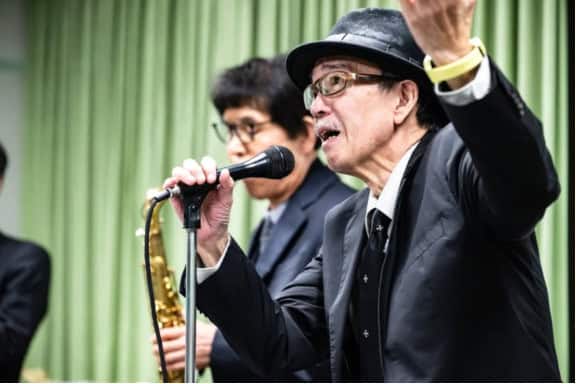
Born in 1952, Kei Shimamoto is a product of the so-called shirake generation, a demographic that came of age during a period of profound societal introspection and disillusionment in post-war Japan. This generation, often characterized by a sense of detachment and skepticism towards established norms, found their voice through various artistic and cultural mediums. Shimamoto’s own artistic journey exemplifies this spirit of late bloom and persistent creative drive. It wasn’t until he surpassed the age of fifty that his songwriting began to flow spontaneously, leading him to embark on a career as a singer, marked by his CD debut in October 2003.
Beyond his musical pursuits, Shimamoto has carved out a significant niche as a writer under the pen name Namedaruma Oyakata. His contributions to the adult entertainment industry have garnered him a dedicated following, and he continues to be a regular contributor to various newspapers and magazines. His artistic ambition is deeply personal: to be recognized for his music, to experience the simple act of receiving an autograph as a singer, embodying the image of a melancholic oyaji (middle-aged man). His long-standing collaborations with Nobuyoshi Araki and Akira Suei, both luminaries in Japan’s Showa era erotic culture, have further cemented his position as a significant voice in the country’s artistic avant-garde.
A Career Forged in the Crucible of the Bubble Era
Shimamoto’s career trajectory is intrinsically linked to the vibrant and often frenetic energy of Japan’s "bubble economy" era. Reflecting on his past, he describes a period of overwhelming busyness thirty years prior, characterized by relentless writing, particularly for evening newspapers and weekly magazines targeting an adult readership. "That was the golden age of sports papers," Shimamoto recalls, referencing publications like Nikkan Sports, Tokyo Sports, Sponichi, and Nikkan Gendai, where his columns were a regular feature.
His journalistic endeavors were not confined to writing. Shimamoto often ventured into entertainment districts, accompanied by young female photographers, conducting interviews and engaging in casual conversations with women. When photography was not feasible, he would sketch his subjects, functioning as a "one-man information shop." This period yielded a vast trove of material—stories, encounters, and observations—which he felt compelled to distill into a single book. It was during this phase that his nearly 50-year friendship with Nobuyoshi Araki proved instrumental. Upon learning of Shimamoto’s desire to publish his collected works, Araki readily agreed to collaborate, thus paving the way for the book’s creation.
The project quickly gained momentum, transforming from a personal endeavor into something far more significant. A close friend contributed the foreword and the book’s wraparound band, while the design was handled in-house. The structure began to coalesce, and "bam!" – a film proposal emerged almost immediately. The swiftness of these developments was, as Shimamoto notes, "almost surreal." The project further gained prestige with the involvement of director Banmei Takahashi, an artist Shimamoto had long admired.
The Nexus of Art, Eroticism, and Collaboration: The Araki Connection
The genesis of Shimamoto’s fruitful collaboration with Nobuyoshi Araki is rooted in the influence of Akira Suei. At the time, Suei was the editor of the pop comic Kanden King and a facilitator of underground storytelling salons, acting as a crucial bridge between Shimamoto and Araki. Shimamoto, then a freelancer juggling book illustrations and various other assignments, found himself increasingly drawn into the burgeoning world of erotic publishing.
Suei, who transitioned to an editorial role at a publishing house, began launching new erotic magazines at an astonishing pace. He brought Araki into this creative ecosystem, and Shimamoto soon found himself working alongside the renowned photographer. Araki, already an established and in-demand artist, was known for his deliberate avoidance of commercial photography and advertising work. Having departed from his early career at Dentsu in his late twenties, he pursued a freelance path with a clear intent to create work that was deeply personal and artistically expressive.
This period saw Suei encouraging Shimamoto to embark on regular series for these magazines, urging him to seek out "unusual places and people" and to unearth stories that remained untold. This directive perfectly aligned with the electrifying atmosphere of the bubble era, a time when the entire industry pulsed with an amplified sense of energy and ambition.
Defining "Scandal" in the Realm of Avant-Garde Art
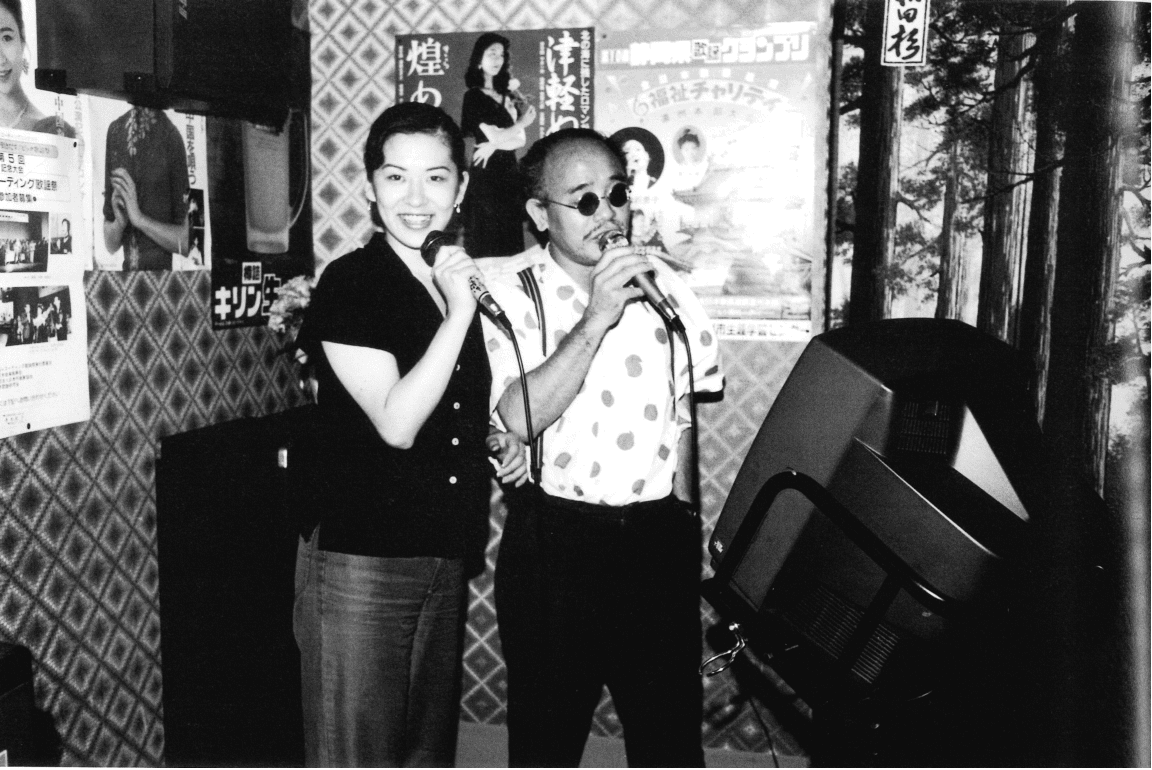
The intersection of avant-garde and underground art has frequently been associated with the label of "scandalous." Shimamoto reflects on this perception, noting a particular fascination among certain Western countries with such material. He posits that artists like Nobuyoshi Araki and Shuji Terayama could easily be branded as "scandalists" – individuals who transgress boundaries and challenge conventional definitions of art. Their work, he suggests, is not merely provocative but actively seeks to redefine the very essence of artistic expression.
The Birth of "New Love in Tokyo": A Literary and Visual Symphony
The essay collection New Love in Tokyo is not a direct commission but rather an organic outgrowth of the creative milieu established by Suei and his collaborators. An editor later proposed that Shimamoto compile his scattered essays and articles into a cohesive book. This endeavor involved a meticulous process of sifting through his existing body of work, selecting pieces that still resonated, and subsequently rewriting and reshaping them into a manuscript.
"Everything in the book is based on real events—nothing is fictional," Shimamoto emphasizes. The only caveat is that the women depicted in Araki’s accompanying photographs might not always correspond directly to the individuals featured in the essays. The intention was not a literal one-to-one correspondence but rather for Araki’s visuals to evoke the atmosphere and the emotional resonance of the narratives. Without this artistic interpretation, Shimamoto believes, the publication would have been incomplete. The title, Le Nouveau Monde Amoureux, is an homage to Charles Fourier’s work, a nod to the utopian ideals that often permeate discussions of love and society.
The book comprises 66 essays, each accompanied by interviews and contextual information. The number 66 is a subtle tribute to the American television series Route 66, a program Shimamoto admired. While much of the original material had been published previously in various outlets, Shimamoto consciously reimagined and reworked it for the book, aiming for a more complete and enduring presentation. The film adaptation, while charting its own narrative course, draws inspiration from various pieces within the essays.
From Essays to Screen: The Cinematic Adaptation
The structural innovation of the film, which weaves together elements from different stories into a new narrative tapestry, is attributed to the producer’s passionate vision. Certain lines of dialogue are directly lifted from the essays, but their recontextualization within the film’s narrative serves to create a fresh and compelling storytelling experience.
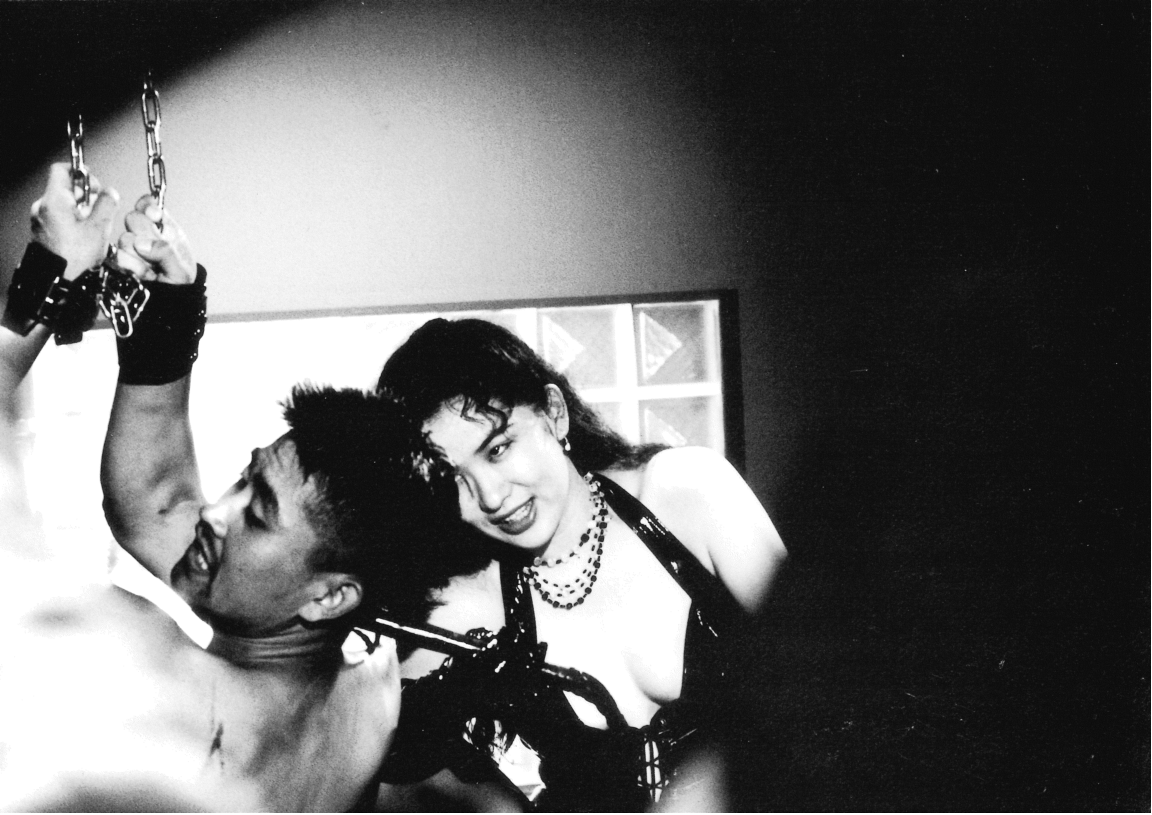
A Comparative Lens: "New Love in Tokyo" vs. "Tokyo Decadence"
When juxtaposing New Love in Tokyo with Ryu Murakami’s Tokyo Decadence, Shimamoto highlights a key distinction: "Tokyo Decadence feels grim whilst our film is more optimistic." Despite addressing a subject as heavy as S&M, New Love in Tokyo maintains an undercurrent of optimism. Shimamoto attributes this to director Banmei Takahashi’s approach, which eschewed an overly dramatic or heavy-handed treatment, thereby infusing the erotic genre with "a breath of fresh air."
The Captivating Presence of Sawa Suzuki
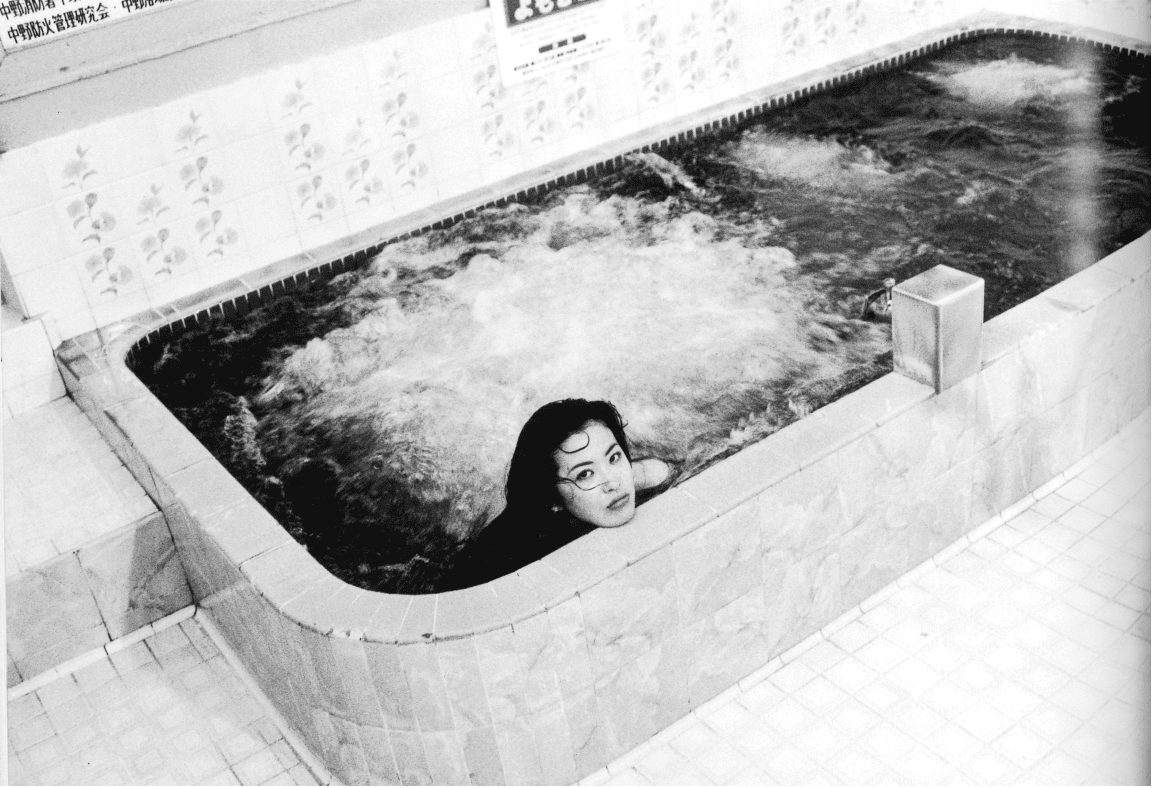
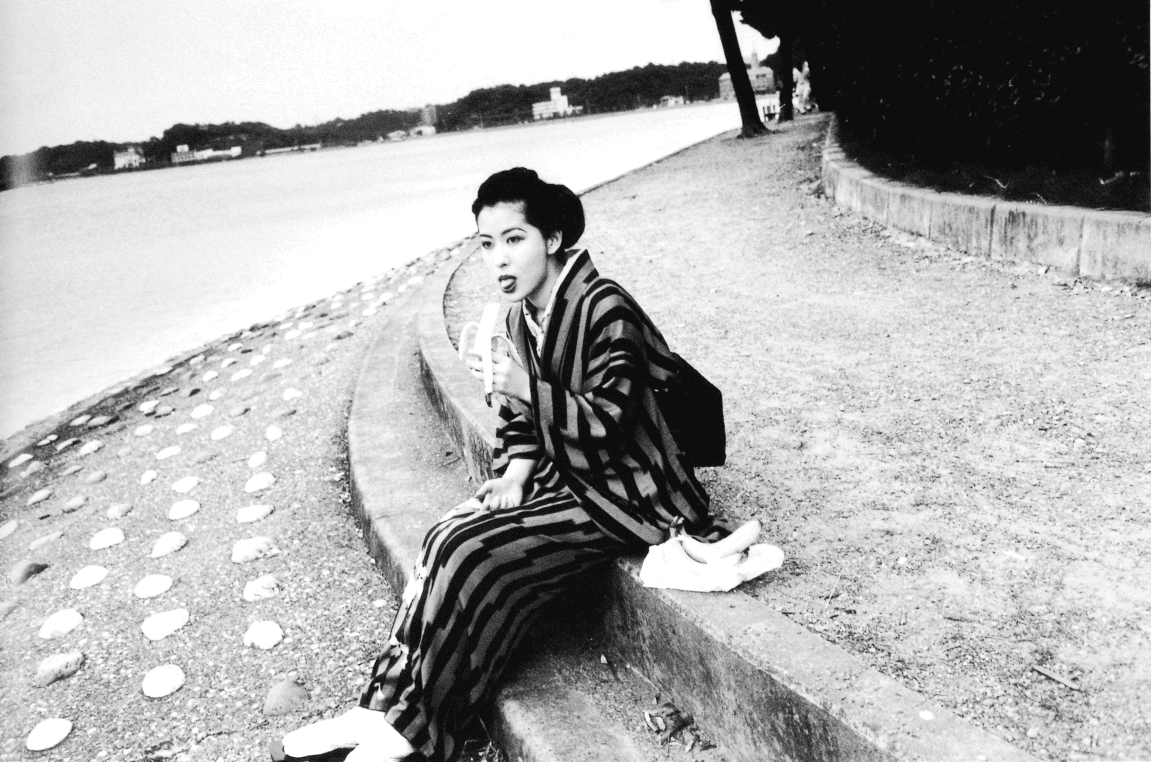
The visual impact of Sawa Suzuki’s accompanying album is striking. Shimamoto recalls her audition: "Sawa Suzuki was in her early twenties when she auditioned. There were many attractive girls, but she had that spark in her eye. She wasn’t the most conventionally beautiful, but she had a unique charm." Both Shimamoto and Araki recognized this distinct quality, leading to her selection. He acknowledges the constraints under which they worked, noting that while the album features numerous photographs, particularly from the initial shooting period, "it really feels like that was the limit of what we could accomplish."
Navigating Censorship and Artistic Freedom in the 1990s
The ability to depict full nudity in New Love in Tokyo, despite the prevailing censorship regulations of the Eirin (the Japanese motion picture rating organization), was a complex achievement. Shimamoto credits the producers with navigating these complexities, suggesting they were "better informed" and responsible for handling the necessary formalities. The 1990s in Japan are described as a period of "cultural thaw," particularly concerning on-screen content.
In the case of New Love in Tokyo, full nudity, though still discreetly obscured, was deemed acceptable because it was framed as an artistic element, inextricably linked to Araki’s photographic work, rather than as gratuitous pornography. This coincided with a broader relaxation of restrictions on full-frontal nudity in print media. Furthermore, Banmei Takahashi’s established reputation as a leading figure in Japan’s erotic cinema contributed to the film’s acceptance. The confluence of these factors positioned New Love in Tokyo as a significant example of Japanese cinema’s exploration of the boundaries of nudity and censorship during that era.
The "Married Women Erotica" Series: Authenticity Over Artifice
The collaboration between Shimamoto and Araki on the Married Women Erotica photobook series was a testament to their commitment to authenticity. The series, which began as a serialization in a weekly magazine, evolved organically. Araki’s insistence on casting real housewives, rather than models posing as married women, was a crucial turning point. This led to a casting process that involved seeking out housewives willing to participate for "a little extra spending money."
While some participants had prior modeling experience, the core criterion remained their marital status. These were "real women living real lives, many with children." The consistent engagement with such individuals allowed the series to flourish, reaching a point where it could have continued indefinitely. The anonymity of the participants was ideal, though some expressed a nonchalant attitude towards potential recognition. The series embraced a diverse range of ages and body types, emphasizing that "each woman had her own unique story to tell" rather than conforming to conventional notions of beauty.
Pathos: Music as a Reflection of Time and Emotion
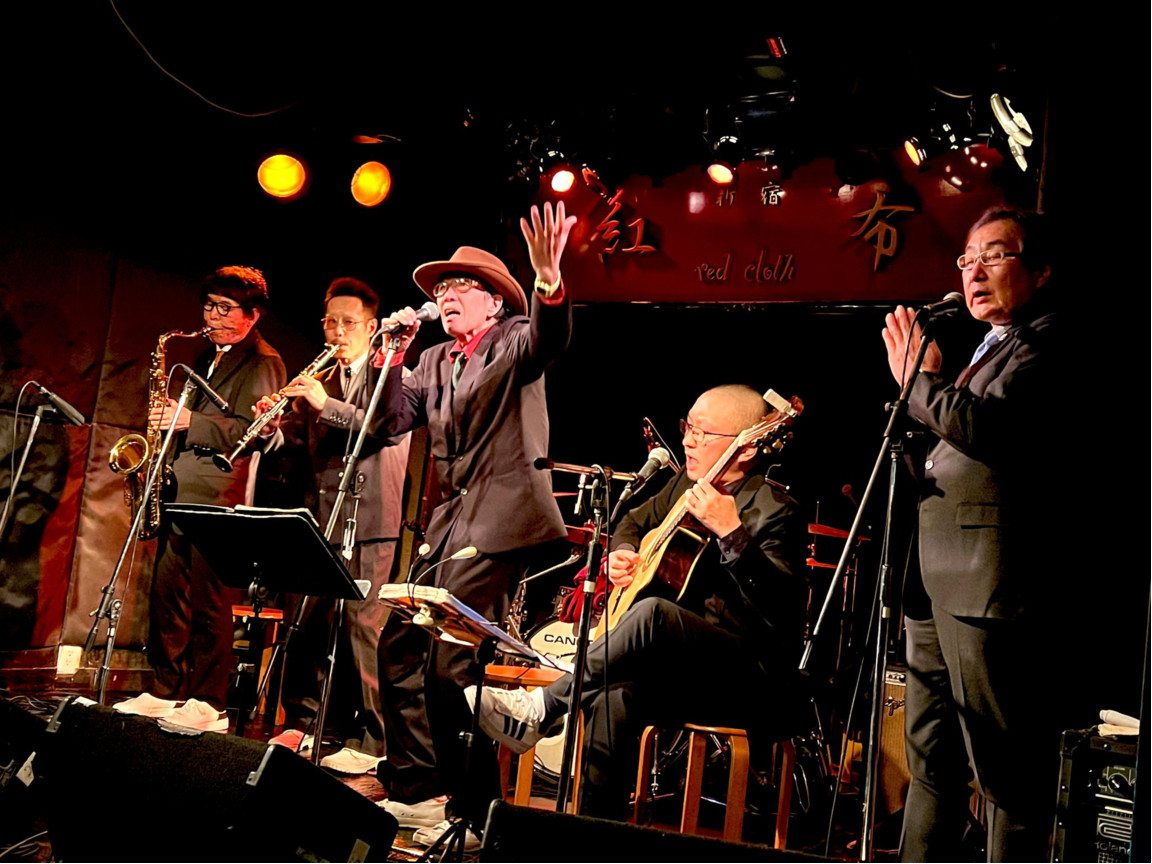
Shimamoto’s musical career with the band Pathos offers another dimension to his artistic output. He draws parallels between their work and the short-form TV dramas of the 1960s and ’70s, which often incorporated elements of sarcasm, irony, and sharp social commentary. Their music aimed to capture a similar sense of urgency and emotional tension, often satirizing traditional Japanese themes like enka or delving into darker subject matter.
The band sought to create music inspired by enka but infused with a contemporary sensibility, describing it as a "kind of contemporary ‘banquet’ piece." This artistic endeavor also served as a personal reflection of Araki’s life, a "sentimental journey through his personal experiences."
A recurring tradition at Araki’s gallery involved Shimamoto performing a new song at his monthly opening parties. This regular creative outlet culminated in the release of his CD, Sentimental Journey, with all album photographs taken by Araki himself. The title’s subsequent use in a commercial, which initially caused Shimamoto concern about potential offense, was ultimately well-received, demonstrating the broad appeal of the theme.
The Fading Echoes of Showa-Era Eroticism
Reflecting on the current state of erotic magazines in Japan, Shimamoto expresses a sense of nostalgia and concern. The distinct Showa-era atmosphere, characterized by the mystique of erotic books and magazines often encased in vinyl, has largely dissipated in the digital age. "Today, everything is online and easily accessible," he observes, lamenting the near disappearance of this unique cultural phenomenon.
The shift to an internet-centric media landscape has fundamentally altered how content is consumed. The relentless pace of work that defined his early career, with constant deadlines for sports newspapers and weekly magazines, has been replaced by new media formats. While platforms like YouTube offer alternative avenues for expression, Shimamoto finds it "sad that the old ways—physical print media and the cultural scene that came with it—are disappearing."
The Evolving Landscape of Japan’s Sex Industry
The portrayal of Japan’s sex parlors in New Love in Tokyo offers a snapshot of a particular era. Shimamoto notes that while districts like Kabukicho and Shibuya still retain vestiges of their former character, the industry has undeniably contracted. Health clubs and host clubs persist, but they operate with a more discreet and "hidden" presence.
Legally, these establishments often exist in a "gray zone," subject to potential police intervention but generally allowed to operate under the radar. The services offered are less overt than in the past, with a more relaxed approach to customer interaction. While historical areas like Yoshiwara were once known for specific, visible services, today’s landscape is more diffuse. The shift in consumer preference is evident, with many now opting for online content over physical magazines or venues. Shimamoto concludes this reflection with a simple sentiment: "the simplest things are the best: a quiet conversation over a beer, with no expectations, just enjoying the moment. In the end, that might be the most satisfying way to feel good about life."
Intimacy Coordinators and the Future of Artistic Expression
The contemporary discourse surrounding sexual misconduct and the increasing presence of intimacy coordinators in film productions raise complex questions about artistic freedom. Shimamoto acknowledges the vital importance of consent, stating, "Touching someone without their permission or engaging in sexual acts without clear consent is completely unacceptable." However, he expresses reservations about the potential impact of intimacy coordinators on the creative process.
He fears that their presence can lead to productions feeling "overly staged or unnatural." For New Love in Tokyo, Shimamoto believes the film’s "raw, unfiltered quality—its core essence" would have been compromised by the involvement of an intimacy coordinator. The spontaneity and vulnerability that define such scenes risk being "overly managed, even sterile."
This leads to a broader concern: "certain kinds of expression are becoming increasingly difficult to achieve." Shimamoto worries about entering an era where such creative freedom is diminished. He champions the value of "the unexpected—the surprise, the hesitation, the ambiguity—that breathes life into a scene." He argues that removing "moments of uncertainty and risk" can lead to the loss of something essential, as "tension, discomfort, or mistakes can lead to powerful, meaningful encounters."
Shimamoto observes a societal tendency towards manufactured outrage, where controversy can arise even in the absence of malicious intent. This, he believes, contributes to a "darker era" where "nothing you do is safe anymore." The space for freedom of expression is shrinking, and even established filmmakers like Banmei Takahashi may find it challenging to create the kinds of works they once did. The inherent tension and ambiguity that fuel creative breakthroughs, he contends, are increasingly at odds with the prevailing climate, potentially stifling the birth of new artistic endeavors.