
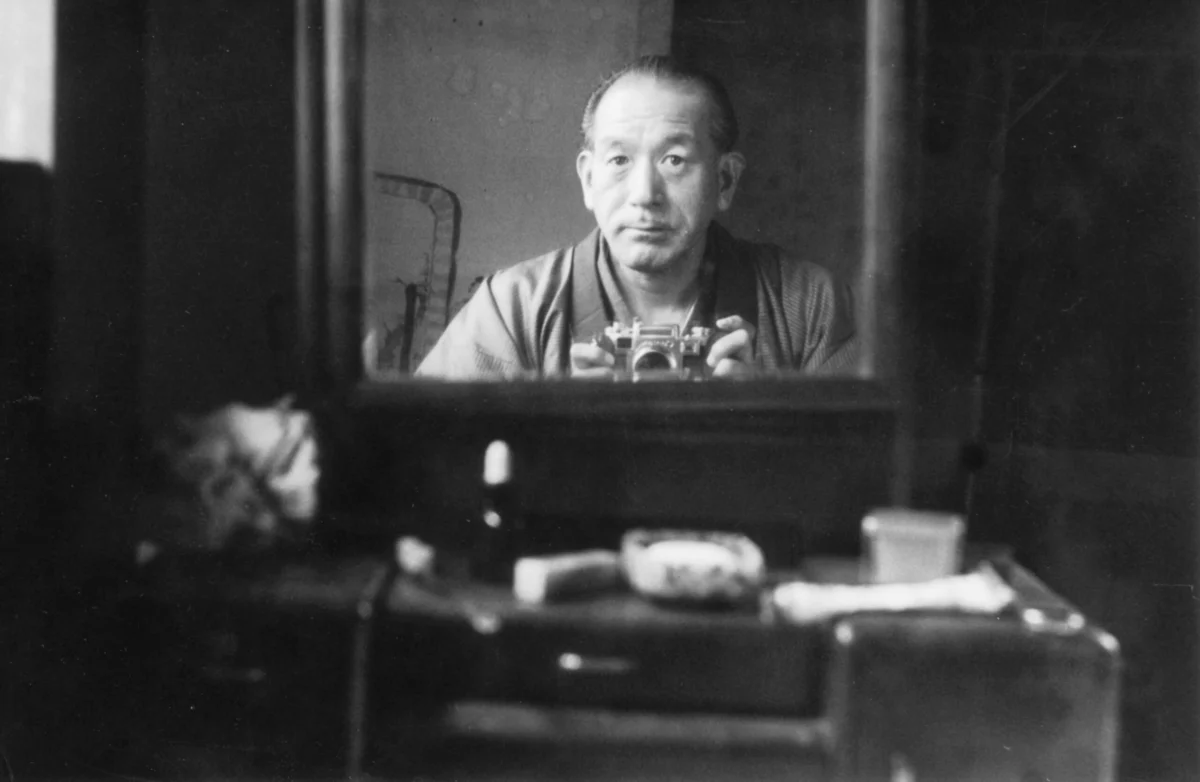
The Nippon Connection Film Festival, a preeminent showcase for Japanese cinema, is currently hosting a significant screening of Daniel Raim’s documentary, "The Ozu Diaries." This in-depth exploration delves into the life and work of Yasujiro Ozu, a director whose quiet yet profound cinematic vision continues to resonate globally, cementing his status alongside titans like Akira Kurosawa and Kenji Mizoguchi. While his contemporaries often achieved international acclaim through sweeping historical epics, Ozu carved a unique path, focusing his lens on the intimate dynamics of the family as a microcosm of broader societal and political shifts in post-war Japan. Masterpieces such as "Tokyo Story," "Equinox Flower," "Early Summer," and "Late Autumn" stand as timeless testaments to his artistry, offering poignant insights into a nation undergoing profound transformation and exploring universal themes that remain integral to Japan’s cultural fabric today.
A Master’s Life Unveiled: The Genesis of "The Ozu Diaries"
Despite his undeniable impact on the landscape of world cinema, Yasujiro Ozu himself remains a figure shrouded in a certain mystique. It is this enigmatic quality that inspired filmmaker Daniel Raim to embark on a journey to illuminate Ozu’s personal life and meticulously examine its intricate relationship with his cinematic output. The genesis of "The Ozu Diaries" can be traced back to 2023, an initiative conceived to commemorate the 60th anniversary of Ozu’s passing. Raim’s documentary project draws heavily from Ozu’s personal diaries, a rich trove of reflections spanning the crucial period from 1933 to 1963, the year of his death.
Beyond a simple biographical recounting, "The Ozu Diaries" aims to underscore the enduring influence of Ozu’s oeuvre on successive generations of filmmakers. The documentary achieves this through compelling interviews with a distinguished roster of directors, including the internationally acclaimed Wim Wenders, the insightful Kiyoshi Kurosawa, the distinctive Tsai Ming-liang, and the master storytellers Luc and Jean-Pierre Dardenne. Their perspectives offer a testament to Ozu’s cross-generational appeal and his ability to inspire filmmakers from diverse cultural and stylistic backgrounds. Furthermore, Raim meticulously incorporates the voices of some of Ozu’s most trusted collaborators and contemporaries, most notably the esteemed screenwriter Kogo Noda, whose partnership with Ozu was instrumental in shaping many of his most celebrated films.
Rediscovering a Master: From Dismissal to Reverence
The trajectory of Ozu’s critical reception offers a fascinating case study in evolving artistic appreciation. In the 1970s and 1980s, much like many of his peers, Ozu’s films were often met with a degree of skepticism and even dismissal by younger film students. Kiyoshi Kurosawa, speaking within the context of the documentary, recalls a prevailing sentiment among his peers who perceived works like "Tokyo Story," "Dragnet Girl," and "I Was Born, But…" as relics of a bygone era, lacking relevance to their contemporary lives and concerns.
However, Kurosawa’s own intellectual curiosity led him to a more immersive engagement with Ozu’s filmography. Driven initially by a desire to participate in the discourse surrounding his contemporaries, he began to systematically watch Ozu’s films. What he discovered transcended the initial perception of outdated artifacts. Instead, he found himself captivated by a profound and nuanced portrait of Japan and its people. Ozu’s films, he realized, possessed a unique ability to present an outward appearance of harmony and gentle humor, often masking a more complex and unsettling undercurrent. This revelation marked a turning point, shifting his understanding from one of passive observation to one of active appreciation and critical engagement.
Thematic Resonance: Death, Renewal, and the Ozu Touch
A recurring and potent theme in Ozu’s cinema is the omnipresence of death, or at least its symbolic representation, serving as a catalyst for his characters’ return to life and a reaffirmation of reality. This cyclical exploration of mortality and rebirth is a fundamental aspect of his thematic concerns, offering a profound commentary on the human condition. This particular thematic thread has resonated deeply with filmmakers like Kiyoshi Kurosawa, who has explicitly acknowledged its influence on his own directorial efforts. Films such as "Cure," "Pulse" (known as "Kairo" in Japan), and "Tokyo Sonata" bear the discernible imprint of Ozu’s thematic explorations. "Tokyo Sonata," in particular, stands as a powerful homage, demonstrating both narrative and aesthetic continuities with Ozu’s signature style. The film’s exploration of family dynamics under duress, its deliberate pacing, and its understated emotional resonance all echo the lessons learned from Ozu’s masterful approach.
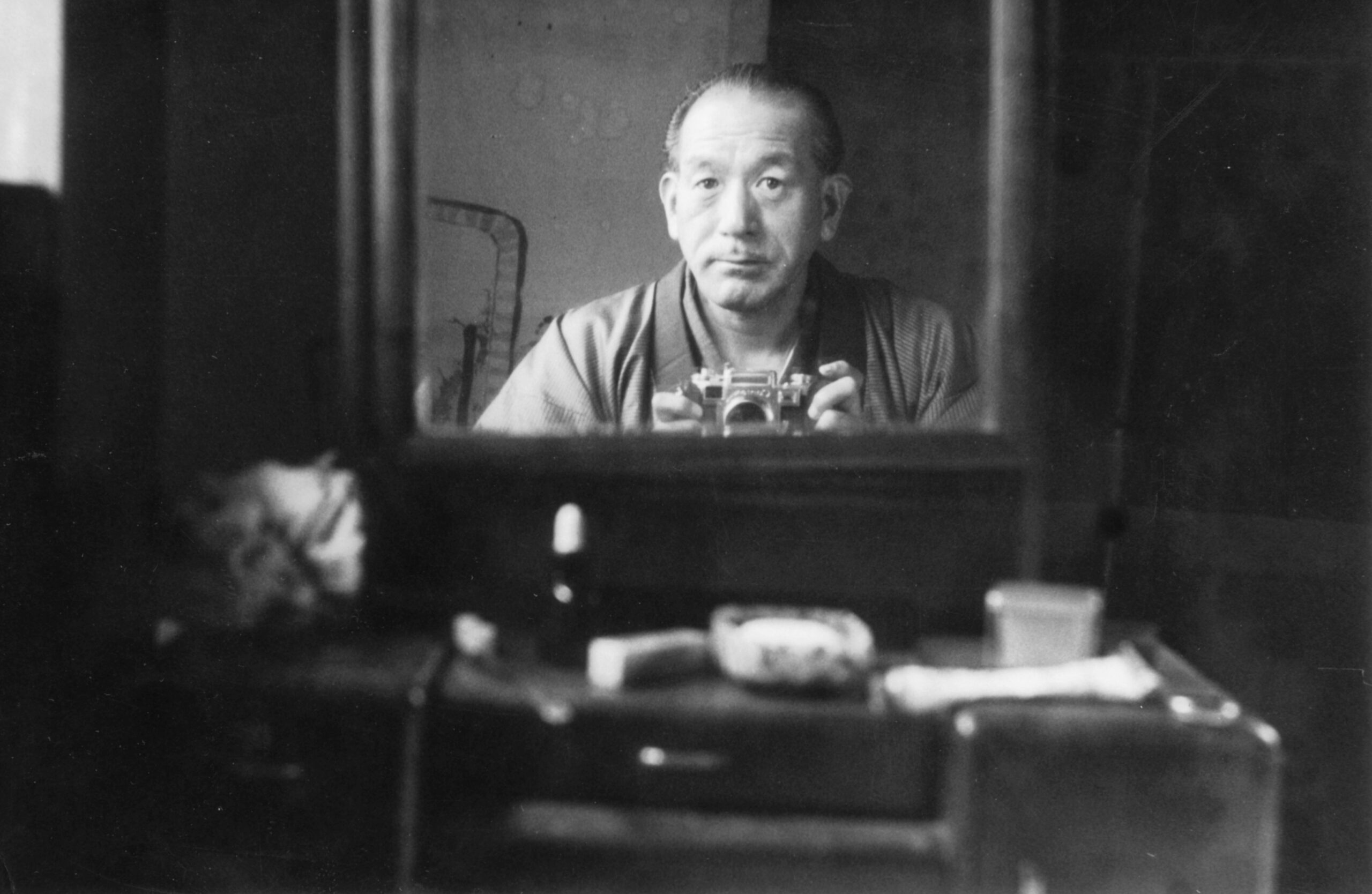
"The Ozu Diaries": A Documentary of Substance and Insight
The challenge for any documentary aiming to capture the essence of an artist’s life and work lies not merely in recounting biographical facts but in offering genuinely new insights and demonstrating the continued relevance of their creations. In this regard, Daniel Raim’s "The Ozu Diaries" distinguishes itself as a remarkably successful endeavor. It functions as both an illuminating introduction for those new to Ozu’s world and a gateway to novel interpretations of his existing body of work.
The documentary’s strength lies in its judicious selection of perspectives. By assembling a diverse group of filmmakers, Raim provides audiences with a multitude of fresh angles from which to approach Ozu’s oeuvre. While seminal films like "Floating Weeds," "Good Morning," and "There Was a Father" have been subjected to extensive critical analysis over the years, "The Ozu Diaries" excels by presenting contemporary readings and deeply personal reflections from directors whose own artistic journeys have been profoundly shaped by Ozu’s influence. This approach moves beyond academic dissection to offer a more visceral and human connection to Ozu’s enduring legacy.
Ozu’s Artistic Philosophy: A Candid Revelation
"The Ozu Diaries" further enriches our understanding by allowing Ozu’s own words to illuminate his artistic philosophy and its evolution over his prolific career. The documentary thoughtfully explores his nuanced approach to humor, tracing how his early experiences in silent cinema informed the stylistic choices and thematic preoccupations of his later sound films. It delves into his fascination with concepts such as "nothingness," silence, and the power of seemingly static imagery to convey profound emotional depth within his characters and their actions.
A significant aspect of Ozu’s creative process highlighted in the documentary is the symbiotic relationship he shared with his collaborators. The profound creative partnership between Ozu, Kogo Noda, and later the iconic actress Setsuko Hara, is meticulously examined. Hara, in particular, emerged as the quintessential actress for Ozu’s subtle cinematic language, a style that became synonymous with his name. Her ability to convey a rich and often contradictory emotional landscape through understated performances, by revealing very little on the surface, was instrumental in achieving the profound emotional resonance that characterizes Ozu’s films. This emphasis on collaboration underscores the idea that Ozu’s masterpieces were not solely the product of one man’s vision but the result of a carefully orchestrated artistic synergy.
The Enduring Relevance of Yasujiro Ozu
"The Ozu Diaries" ultimately transcends the boundaries of a conventional biographical documentary. It stands as a compelling introduction to one of cinema’s most revered masters and offers a profound examination of the lasting impact of films such as "Tokyo Story," "Late Spring," and "An Autumn Afternoon." Daniel Raim’s meticulous curation and insightful direction have resulted in a documentary that provides fascinating glimpses into Yasujiro Ozu’s legacy, the multifaceted ways his work continues to be interpreted, and the enduring reasons why he remains, and will undoubtedly continue to be, one of cinema’s most perceptive and insightful observers of the human condition and the intricate tapestry of Japanese identity. The screening at Nippon Connection serves as a timely reminder of Ozu’s unparalleled contribution to the art of filmmaking and the eternal power of his quiet, yet universally resonant, cinematic narratives.
Nippon Connection 2026: A Platform for Cinematic Dialogue
The inclusion of "The Ozu Diaries" in the Nippon Connection Film Festival program for 2026 underscores the festival’s commitment to presenting a diverse and intellectually stimulating selection of Japanese cinema. Nippon Connection, held annually in Frankfurt, Germany, has established itself as a vital platform for fostering cultural exchange and promoting a deeper understanding of Japanese filmmaking beyond its borders. The festival typically features a broad spectrum of genres and styles, from avant-garde experiments to popular blockbusters, with a consistent focus on independent and arthouse cinema.
The 2026 edition, by highlighting Ozu’s legacy through Raim’s documentary, signals a deliberate effort to engage with the foundational figures of Japanese cinema while simultaneously exploring their ongoing influence. This approach allows audiences to appreciate the historical context of Ozu’s work and its foundational role in shaping subsequent cinematic movements, while also providing a contemporary lens through which to understand his enduring artistic significance. The festival’s programming often includes retrospectives, masterclasses, and discussions that facilitate a richer engagement with the films and filmmakers presented, making events like the screening of "The Ozu Diaries" not just passive viewing experiences, but opportunities for active learning and critical dialogue within the global film community.