In a significant pivot regarding the visual identity and marketing execution of the Xbox brand, CEO Asha Sharma has publicly characterized the inclusion of competitor platform logos within official Xbox showcases as a strategic "miss." The admission, which surfaced during a period of intense community discourse, signals a forthcoming adjustment in how Microsoft’s gaming division presents its first-party and partnered content to the public. This development follows a series of high-profile broadcasts where the company opted for a policy of radical transparency, explicitly displaying PlayStation and Nintendo Switch branding alongside its own to denote the multiplatform availability of certain titles.
The shift in communication strategy was further clarified during the most recent episode of the Xbox podcast on May 30, 2026. Matt Booty, Microsoft’s Chief Content Officer and Executive Vice President of Gaming, engaged in a detailed discussion regarding the company’s commitment to transparency. While Booty reiterated that the publisher values providing clear information to consumers about where they can access their favorite titles, the execution of this transparency—specifically the visual promotion of rival hardware during Xbox-branded events—has become a point of internal and external contention.
The Evolution of the Transparency Initiative
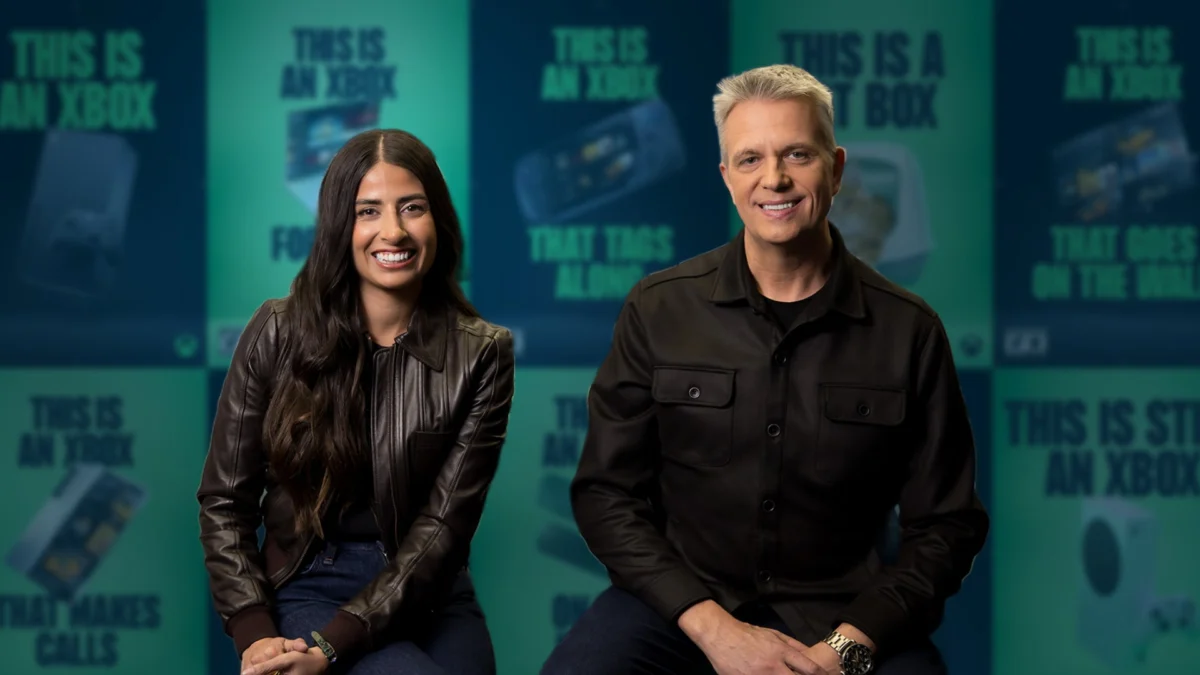
The decision to include competitor logos in Xbox presentations was rooted in a broader corporate strategy aimed at repositioning Xbox as an ecosystem rather than a singular piece of hardware. Over the last several years, Microsoft has moved toward a "play anywhere" philosophy, prioritizing software reach and Game Pass subscriptions over traditional console exclusivity. This strategy reached a fever pitch with the "This is an Xbox" marketing campaign, which asserted that mobile devices, PCs, smart TVs, and handheld consoles all function as entry points into the Xbox environment.
During the April 2026 ID@Xbox Showcase, presented in partnership with IGN, the implementation of this strategy was on full display. Trailers for several highly anticipated titles concluded with end-cards featuring the logos of the PlayStation 5 and Nintendo Switch. The internal rationale, as suggested by leadership, was to eliminate consumer confusion and demonstrate the expansive reach of the Xbox publishing arm.
However, the visual presence of the PlayStation "blue" and Nintendo "red" within the traditionally "green" Xbox space triggered an immediate reaction from the brand’s core enthusiast base. Critics argued that the move diluted the brand’s identity and essentially provided free advertising for competitors during Microsoft’s most expensive and high-profile marketing windows.
Community Backlash and Leadership Response
The tension between corporate transparency and brand loyalty reached a breaking point following the May 30 podcast. Podcast co-host Jeff Rubenstein asked Booty directly if the precedent of multiplatform transparency would continue in the upcoming June Showcase. Booty confirmed that it would, stating, "We’ll be very clear about what platforms a game is coming to and want to continue the precedent. I think we’ve got a good system going where we make it clear."
This confirmation sparked a wave of disapproval across social media platforms. Influential voices within the Xbox community, such as the prominent commentator Klobrille, expressed that the "bare minimum expectation" for a brand showcase is a focused celebration of that brand’s own platform. On YouTube and X (formerly Twitter), fans voiced concerns that the inclusion of rival logos made the Xbox brand appear subservient to its competitors, rather than a leader in the space.
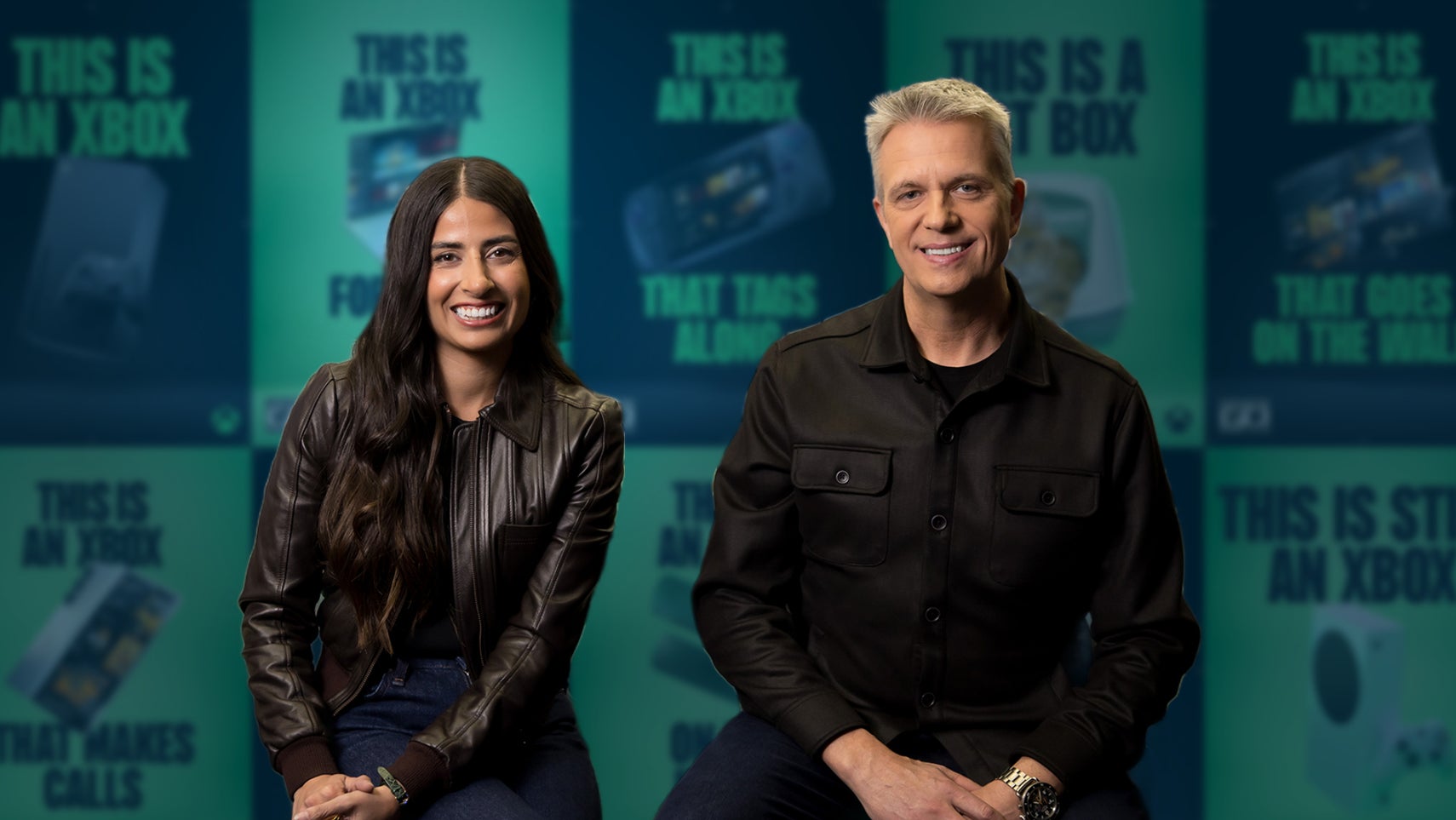
Asha Sharma, who took over as CEO during a period of significant structural change for the division, responded to the criticism on May 29, 2026. In a post that emphasized accountability, Sharma stated, "Seeing the feedback on logos. It was a miss, and I own it. We are talking about how we adjust for future Xbox shows." This statement marks a rare instance of a high-ranking executive directly walking back a stylistic choice in response to fan sentiment, highlighting the delicate balance Microsoft must strike as it navigates its dual role as a hardware manufacturer and a third-party software publisher.
Chronology of Xbox Branding and Strategic Shifts (2024–2026)
To understand the context of this "miss," it is essential to examine the timeline of Xbox’s recent branding evolution:
- Early 2024: Microsoft announces "Project Latitude," an internal initiative to bring several former Xbox exclusives to rival consoles, including Sea of Thieves and Hi-Fi Rush.
- Late 2025: The "This is an Xbox" campaign launches globally, emphasizing that the Xbox experience is no longer tethered to a specific console.
- April 2026: The ID@Xbox Showcase features prominent PlayStation and Nintendo branding during game trailers, setting a new standard for platform transparency.
- May 2026 (Rebranding): Following a community poll of over 19,000 participants, the brand officially shifts its styling from "Xbox" to the capitalized "XBOX," a move intended to project a more assertive and dominant presence.
- May 29, 2026: CEO Asha Sharma acknowledges the negative feedback regarding competitor logos on X.
- May 30, 2026: Matt Booty defends the principle of transparency on the Xbox Podcast while the leadership team begins internal discussions on "adjusting" the visual delivery.
Fiscal Performance and the Role of Game Pass
The debate over branding comes at a time when Microsoft is seeing tangible results from its recent economic adjustments. Earlier this week, internal communications revealed that a strategic price cut for Xbox Game Pass has yielded positive results. According to reports shared with staff, the lower entry price has successfully driven "acquisition growth" and "improved retention," which leadership views as a vital first step in long-term sustainability for the service.
The success of Game Pass is central to why the company initially embraced multiplatform logos. As the service expands to include cloud gaming on various devices, Microsoft’s primary goal has been to ensure users know they can access their library anywhere. However, the data suggests that while the service’s value proposition is strong, the brand’s identity as a hardware platform still holds significant emotional weight for its most loyal customers.
Analysis of Implications for Future Showcases
The "adjustment" promised by Sharma is likely to manifest in the upcoming June Showcase, one of the most anticipated events in the gaming calendar. Industry analysts suggest several ways the company might pivot:
- Verbal Acknowledgement vs. Visual Branding: Future trailers may omit rival logos in favor of a verbal "coming to all major platforms" or "available on consoles and PC," moving the specific platform details to the video descriptions or official blog posts on Xbox Wire.
- Delayed Transparency: Xbox may opt to show "clean" trailers during the live broadcast—focusing solely on the Xbox and Game Pass experience—while releasing multiplatform versions of the trailers on third-party channels immediately following the event.
- The "Console First" Approach: Reaffirming the Xbox Series X|S as the "premier" place to play, even if the content eventually migrates elsewhere, to satisfy the core hardware-owning demographic.
The branding conflict underscores a broader identity crisis within the gaming industry. As the traditional boundaries of the "console war" dissolve into a landscape of subscriptions and cloud services, the visual language of marketing has struggled to keep pace. For Microsoft, the challenge is to be a "good neighbor" in the industry—ensuring their games reach the widest possible audience—without sacrificing the distinctiveness that makes a consumer choose an Xbox-branded product in the first place.
Conclusion
The admission by Asha Sharma serves as a pivotal moment in the tenure of the current Xbox leadership. It demonstrates a high level of responsiveness to a community that feels increasingly marginalized by the industry’s shift toward platform agnosticism. By acknowledging that the inclusion of competitor logos was a "miss," Sharma has signaled that while the strategy of multiplatform expansion may continue, the sanctity of the Xbox brand’s visual space will be more carefully guarded in the future.
As the industry moves toward the second half of 2026, all eyes will be on the next Xbox Showcase to see how these adjustments are implemented. The balance between being a transparent, consumer-friendly publisher and a competitive, identity-driven platform holder remains the most difficult tightrope for Microsoft to walk. For now, the "XBOX" brand appears to be reclaiming its color, leaning back into the green and black that defined its legacy, even as its games continue to find homes on screens of every shape and size.