


The cinematic landscape is perpetually in flux, with filmmakers constantly seeking innovative ways to weave personal narratives into compelling visual tapestries. This quest for authenticity and emotional resonance has led to a growing trend of blending documentary elements with narrative filmmaking, a technique that blurs the lines between lived experience and cinematic representation. Films like Chloé Zhao’s "Nomadland," Jonas Poher Rasmussen’s "Flee," and Errol Morris’s "The Thin Blue Line" have masterfully navigated this genre fusion, leaving an indelible mark on audiences and critics alike. Now, emerging Mexican writer-director Bruno Santamaría Razo enters this esteemed echelon with his deeply personal and critically acclaimed autobiographical film, "Six Months in a Pink and Blue Building," which has garnered significant attention at the Cannes Critics’ Week. This evocative and stirring queer drama is Razo’s most bespoke project to date, offering a profound reflection on his own childhood experiences, revisited and re-examined with a maturity and tact thirty years later.
A Tender Look at Early 90s Mexico City
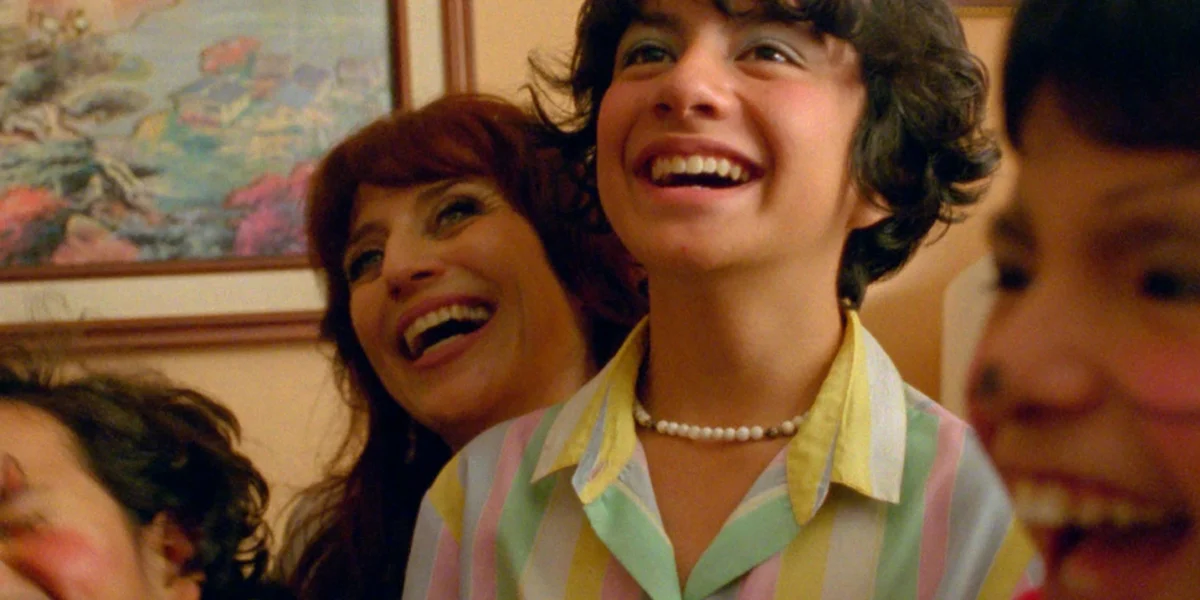
Set against the vibrant yet often challenging backdrop of Mexico City in the early 1990s, "Six Months in a Pink and Blue Building" transports viewers to a pivotal moment in young Bruno’s life. The narrative centers on an eleven-year-old Bruno, brought to life with remarkable sensitivity by Jade Reyes, who finds himself grappling with the nascent stirrings of his identity and his burgeoning feelings for his best friend, Vladimir. This period of burgeoning self-discovery, already a complex journey for any child, is further complicated by a devastating revelation: Bruno’s father has been diagnosed with HIV. This news casts a long shadow over the family, amplifying Bruno’s existing confusion, guilt, and ambivalence surrounding his own emotions. He is thrust into a world of profound uncertainty, witnessing his family navigate the immense emotional and practical challenges of this diagnosis.
The film’s genesis lies in Razo’s desire to process and understand these formative experiences. The early 1990s in Mexico were a time of significant societal shifts, and for the LGBTQ+ community, it was a period marked by both increasing visibility and pervasive stigma, particularly surrounding the HIV/AIDS epidemic. The diagnosis of HIV in a family member during this era carried immense weight, often accompanied by fear, misinformation, and social ostracization. "Six Months in a Pink and Blue Building" captures this delicate historical and emotional context, portraying the family’s resilience and their unique coping mechanisms in the face of adversity. The initial description of the family’s response – "Everyone keeps on singing and dancing to ward off fate, like in a salsa song" – powerfully encapsulates the spirit of defiance and the embrace of joy as a form of resistance against despair. This vivid imagery suggests a cultural resilience, a deeply ingrained Mexican tradition of finding solace and strength in music, dance, and communal celebration, even in the darkest of times.
A Hybrid Narrative: Documentary Meets Drama
The integration of documentary elements into "Six Months in a Pink and Blue Building" is not merely a stylistic choice but a fundamental aspect of Razo’s storytelling approach. This is unsurprising, given Razo’s established track record in documentary filmmaking, with previous notable works including "Margarita" and "Things We Dare Not Do." In his latest film, Razo directly engages with his past by appearing alongside his parents in intimate talking-head interviews. These segments serve to anchor the narrative in a tangible reality, blurring the lines between what is presented as dramatization and what is presented as direct testimony. This bold interweaving of genres could have easily disrupted the film’s carefully crafted rhythm and tone. However, Razo demonstrates a remarkable command of his craft, seamlessly integrating these documentary interludes in a manner that enhances, rather than detracts from, the overall mood, narrative coherence, and stylistic integrity of the film.
The impact of these documentary segments is multifaceted. They provide a layer of meta-commentary, allowing the adult Razo to reflect on the child’s perspective, offering insights that were perhaps inaccessible at the time. This creates a rich dialogue between past and present, enabling the audience to engage with the material on multiple levels. Furthermore, these direct address moments imbue the film with an undeniable authenticity, a sense of raw, unvarnished truth that resonates deeply. The decision to shoot on 16mm film, as mentioned in the original review, further contributes to this nostalgic and tactile quality, lending the visuals a gorgeous grain that evokes the texture of memory itself, akin to watching cherished home movies.
Performances That Resonate
The ensemble cast of "Six Months in a Pink and Blue Building" delivers performances that are consistently solid and memorable, contributing significantly to the film’s emotional power. Young Jade Reyes, in particular, delivers a standout performance as the eleven-year-old Bruno. The daunting task of portraying the director’s younger self is met with an extraordinary depth of emotion. With wide, expressive eyes and a gentle, understated demeanor, Reyes masterfully captures the complex emotional arc of adolescence. He navigates the terrain of denial, burgeoning acceptance, and the profound process of self-discovery with a naturalism that is both affecting and believable. His portrayal is central to the film’s success, allowing audiences to connect intimately with Bruno’s internal struggles.
Lázaro Gabino offers a deeply moving performance as Bruno’s father, a man facing the immense challenges of an HIV diagnosis during a time when the disease was heavily stigmatized and medical treatments were less advanced than they are today. Gabino imbues the character with dignity, vulnerability, and a quiet strength that is palpable. Nara Carreira, as Bruno’s mother, also delivers a compelling performance, portraying a woman grappling with an unfathomable situation. Her portrayal is marked by a delicate balance of grace, resilience, and the palpable strain of managing her family’s emotional and practical needs. The supporting cast, including Sofía Espinosa, Eduardo Ayala, Valeria Vanegas, Anuar Vera, Teresa Sánchez, Valentina Cohen, and Demick Lopes, collectively contribute to the film’s rich tapestry of characters, each adding a unique layer to the family’s dynamic and the broader social context of the era. Their collective efforts create a believable and lived-in world, where every interaction feels authentic and carries emotional weight.
Visual Storytelling and Atmospheric Immersion
The visual language of "Six Months in a Pink and Blue Building" is a significant asset, thanks to the captivating cinematography of Fernando Hernández García. The film is a feast for the eyes, with García’s lens skillfully capturing the nuances of light and color. Specific hues are used to great effect, often reflecting the emotional tenor of the scenes. The decision to shoot on 16mm film imbues the entire production with a distinct aesthetic, lending it a timeless quality and a palpable sense of nostalgia. This visual texture enhances the feeling of stepping back in time, mirroring the act of revisiting cherished, albeit sometimes painful, memories.
Complementing the cinematography are the meticulously crafted costumes and production design. Artists Daniela Guardado and Constanza Martínez have collaborated to deliver immersive, era-appropriate wardrobes that accurately reflect the fashion of early 1990s Mexico City. These costumes are not merely decorative; they serve to further ground the characters in their specific time and place, contributing to the overall authenticity of the narrative. Ivonne Fuentes’s art direction is equally crucial in creating a palpable and lived-in world. The settings feel authentic and deeply resonant, making the audience feel as though they are not just observing Bruno’s memories but are actively participating in them, as if viewing them through the lens of an old projector or a vintage VHS tape. This attention to detail in the visual elements is paramount in creating the film’s immersive and emotionally resonant atmosphere.
A Nuanced Exploration of Memory and Identity
Despite its 105-minute runtime, "Six Months in a Pink and Blue Building" possesses a density that can, at times, create an impression of a more extended viewing experience. This is a subtle side effect of its unique and fractured docu-hybrid structure. While this approach is undeniably successful in conveying its narrative and emotional intentions, it can also lead to a slight temporal distortion for the viewer. This is a minor critique, however, in the context of an otherwise deeply affecting film. The film’s deliberate construction, marrying documentary immediacy with narrative drama, is a bold artistic choice that, while potentially disorienting for some, ultimately serves to deepen the audience’s engagement with Bruno’s complex inner world.
The implications of this narrative structure are significant. By interweaving the present-day reflections of the adult Razo with the dramatized events of his childhood, the film explores the very nature of memory and how it is shaped by time, perspective, and subsequent understanding. The juxtaposition of the innocent, often uncomprehending, perspective of the child Bruno with the reflective, analytical perspective of the adult filmmaker invites a deeper contemplation of trauma, resilience, and the process of coming to terms with one’s past. The film’s exploration of queer identity within the context of a stigmatized illness during a specific historical period offers a valuable contribution to cinematic discourse on LGBTQ+ experiences and the impact of public health crises on individual and family lives.
A Landmark Achievement and a Story for Our Times
Crafting an unconventional coming-of-age film that is both unique and memorable is an ambitious undertaking, especially given the sheer volume of such narratives produced annually. However, Bruno Santamaría Razo has achieved something truly special with "Six Months in a Pink and Blue Building." The film holds particular significance as the first Mexican feature film to premiere at the Cannes Critics’ Week in over two decades, marking a notable moment for Mexican cinema on the international stage. This achievement underscores the film’s artistic merit and its potential to resonate with a global audience.
Ultimately, "Six Months in a Pink and Blue Building" stands as a testament to Razo’s artistic vision and his courage in confronting his personal history. The film can proudly boast its stunning visuals, its moving and authentic performances, and a rejuvenating structural approach that unequivocally sets it apart from other films of its genre. While not without its minor imperfections, the film is palpably familiar in its exploration of universal themes of family, love, loss, and self-discovery. Razo’s charming and poignant feature elicits empathy, embraces nostalgia, and showcases an inspirational strength in the face of adversity. In a world often grappling with division and hardship, "Six Months in a Pink and Blue Building" offers a powerful reminder of the enduring human spirit and the profound beauty that can be found even in the most challenging of circumstances. It is, precisely, the kind of story that holds the potential to foster understanding, connection, and a renewed sense of hope.