


Netflix, the world’s dominant streaming service, is navigating a pivotal transition in its corporate identity, moving away from its long-held "builder" mentality toward a newfound openness for large-scale mergers and acquisitions. This strategic evolution was the central theme of the company’s first-quarter earnings call on Thursday, where leadership addressed the aftermath of a failed $72 billion bid for Warner Bros. Discovery (WBD). While the company reported a revenue beat for the quarter, its stock tumbled nearly 10% in extended trading as investors reacted to cautious forward-looking guidance and the complexities of a consolidating media market.
For over a decade, Netflix’s top executives, including co-CEO Ted Sarandos and former CEO Reed Hastings, maintained a consistent narrative for Wall Street: Netflix grows by creating its own content and building its own technology. The company famously avoided the expensive, often messy consolidations that defined its legacy media rivals. However, the pursuit of Warner Bros. Discovery late last year signaled a definitive end to that isolationist era. Although the deal was ultimately upended by a superior bid from Paramount Skydance, the exercise has fundamentally altered Netflix’s internal culture and external aspirations.
The Failed Pursuit of Warner Bros. Discovery: A Chronology
The timeline of Netflix’s interest in Warner Bros. Discovery reveals a company looking to shore up its long-term defenses against a consolidating field of competitors. In late 2025, Netflix emerged as a surprise bidder for WBD’s film studio and streaming assets. By December, the industry was stunned by the announcement of a tentative $72 billion agreement. The move was intended to provide Netflix with something it has struggled to build organically: a massive, century-old library of "evergreen" intellectual property, including the DC Universe, Harry Potter, and the HBO prestige catalog.
The deal faced immediate scrutiny from both regulators and investors. Between the announcement in December and the deal’s collapse in February, Netflix shares fell 15%, reflecting market anxiety over the massive debt load and integration risks associated with such a megadeal. The situation shifted dramatically in February when Paramount Skydance entered the fray with a bid that WBD’s board deemed superior. Netflix subsequently walked away from the negotiations, though it did so with a $2.8 billion breakup fee that bolstered its cash reserves in the short term.
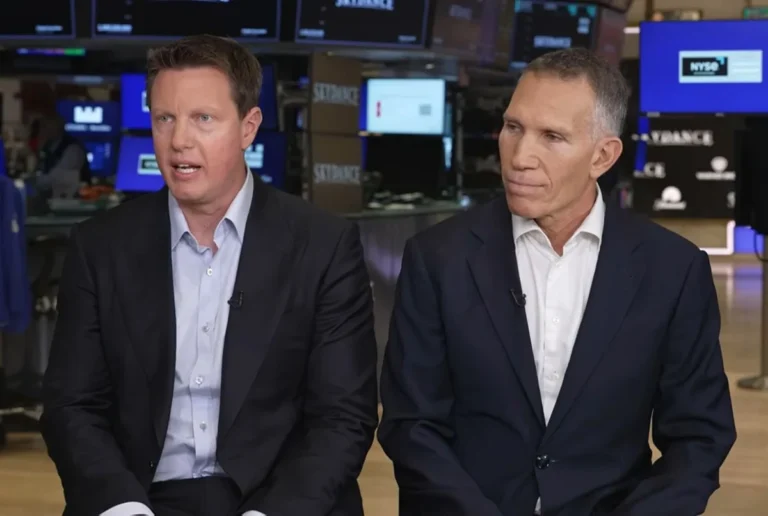
Addressing the failed transaction on Thursday, Ted Sarandos struck a tone of strategic refinement rather than regret. He noted that the process allowed Netflix to "build its M&A muscle" and test its investment discipline. "What we did learn was that our teams were more than up to the task," Sarandos told analysts. "We’ve learned so much about deal execution and early integration. Most importantly, we tested our investment discipline and proved we won’t overpay for assets, even those we find highly attractive."
Q1 Financials: Growth Amidst Market Skepticism
Despite the drama of the WBD bid, Netflix’s core business remains robust, even if Wall Street’s expectations have become more difficult to satisfy. In January, the streamer reported a staggering 325 million paid global members, maintaining its position as the clear leader in the "streaming wars." The first-quarter results continued this trend of growth, exceeding analyst expectations on the top line.
However, the market’s reaction was decidedly bearish. The 10% drop in share price following the report was largely attributed to Netflix’s decision to maintain its full-year margin guidance. Analysts had expected the company to raise its outlook, given that it no longer faced the heavy costs associated with integrating WBD. Robert Fishman, an analyst at MoffettNathanson, noted in a research report that the unchanged guidance was a "bigger surprise" than the earnings beat itself.
The company’s financial strategy is currently focused on three pillars: scaling its advertising-supported tier, implementing disciplined price hikes, and cracking down on password sharing. Management confirmed on the call that the company remains on track to double its advertising revenue this year. Furthermore, recent price increases across various global markets have shown high levels of member retention, suggesting that Netflix still possesses significant pricing power despite the proliferation of cheaper alternatives.
The Competitive Threat of a Consolidating Industry
The primary driver behind Netflix’s pivot toward M&A is the shifting landscape of its competitors. If the proposed merger between Paramount and Warner Bros. Discovery is approved, it will create a media behemoth that combines the libraries of HBO, CNN, Warner Bros. Pictures, Paramount Pictures, and CBS. Such a combination would pose a direct threat to Netflix’s dominance in terms of total engagement hours and "must-have" content.

Mike Proulx, vice president and research director at Forrester, highlighted that a combined Paramount+ and HBO Max (Max) changes the streaming landscape in ways Netflix has never had to contend with before. "The way the WBD cards fell matters a lot," Proulx stated. "Netflix is now facing a rival that possesses a level of IP depth—from live sports to news to iconic film franchises—that Netflix cannot easily replicate through original production alone."
Netflix’s management remains publicly confident in their current trajectory, emphasizing that the WBD deal was a "nice to have," not a "need to have." However, the admission that the company needs to deepen its "bench of franchises" suggests that the search for acquisitions is far from over. The company’s interest in the movie studio business remains a priority as it seeks to move beyond being a distributor of content to being a primary owner of global cultural icons.
Advertising and the New Revenue Model
As the subscriber market in North America and Europe reaches saturation, Netflix is increasingly looking to its ad-supported tier to drive the next phase of revenue growth. The company’s pivot to advertising, which began in late 2022, has matured into a core component of its business model. By offering a lower-priced entry point, Netflix has been able to capture price-sensitive consumers while simultaneously opening a new stream of high-margin revenue from brand partners.
During the earnings call, executives emphasized the success of this dual-track strategy. The ad-tier not only attracts new sign-ups but also serves as a landing spot for users who might otherwise cancel their subscriptions following price hikes on the premium tiers. This "retention through choice" model is critical as the company navigates an era where consumer spending is under pressure from global inflation.
However, the advertising business also brings new challenges. Netflix must now compete with the likes of Amazon, Disney, and YouTube for digital ad dollars, requiring a level of transparency and measurement that the company historically avoided. The need to scale this business rapidly may be another factor driving the company’s interest in M&A, as acquiring a legacy media company would provide an instant infusion of advertising infrastructure and expertise.
Strategic Implications: What Lies Ahead for Netflix?
The conclusion of the WBD saga leaves Netflix at a crossroads. While its stock has recovered significantly from its 2022 lows—rising 26% since the WBD deal fell apart—the company faces a "valuation trap" where it must continue to deliver exceptional growth to justify its premium share price.
Analysts believe that Netflix’s newfound "M&A muscle" will likely be exercised again, though perhaps on smaller, more targeted acquisitions. Potential targets could include independent gaming studios, as Netflix continues its push into interactive entertainment, or smaller production houses that own specific, high-value IP.
"Netflix is betting that steady execution on its core business wins in a more crowded, consolidating market," said Proulx. "But pricing power has to be earned quarter by quarter. Holding engagement as prices rise remains the central challenge across the streaming market."
For investors, the key takeaway from the Q1 report is that Netflix is no longer just a "tech company" or a "content company"—it is a mature media conglomerate that must balance the risks of expensive acquisitions with the necessity of defending its moat. The $2.8 billion breakup fee from the WBD deal provides a comfortable cushion, but the pressure to find the next "growth engine" remains.
As the streaming industry moves toward a "post-growth" phase focused on profitability and consolidation, Netflix’s leadership appears ready to play a more aggressive role in shaping the future of media. Whether that involves another run at a major studio or a series of smaller strategic bets, the "builder" era of Netflix is officially over, replaced by a sophisticated, disciplined, and opportunistic global giant.