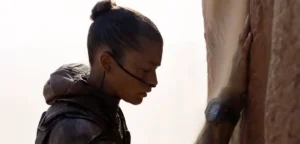

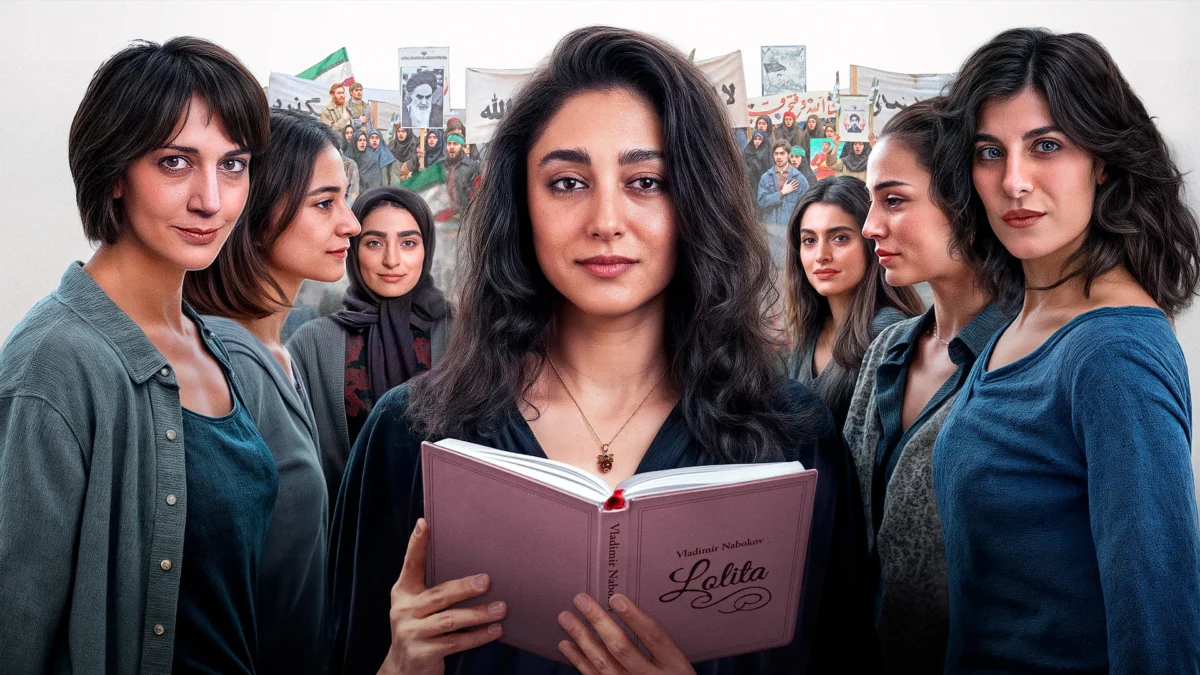
The film’s central premise revolves around Azar Nafisi, portrayed by the internationally renowned Iranian actress Golshifteh Farahani, who secretly convenes a select group of her most committed female university students in 1980s Tehran. As the newly established Islamic Republic tightens its grip on society, enforcing stringent moral codes and censoring Western thought, Nafisi’s living room becomes a sanctuary. Here, veiled and under constant threat of surveillance, the women dare to discuss forbidden classics of Western literature, including Vladimir Nabokov’s Lolita and Jane Austen’s Pride & Prejudice. This act of intellectual defiance is not merely academic; it is a profound assertion of individual freedom and a quest for self-discovery amidst overwhelming societal repression. As the film’s evocative tagline suggests, "Great books are supposed to make you feel uneasy, and make you question what you take for granted," a sentiment that perfectly encapsulates the subversive power of literature in challenging authoritarian narratives.
The Historical Canvas: Iran in the 1980s
To fully appreciate the film’s depth, it is crucial to understand the tumultuous historical context of Iran in the 1980s. Following the 1979 Islamic Revolution, led by Ayatollah Ruhollah Khomeini, Iran underwent a dramatic transformation from a pro-Western monarchy to an Islamic republic. This period was characterized by widespread social, cultural, and political restructuring aimed at purifying Iranian society according to Islamic principles. The initial revolutionary fervor quickly translated into strict enforcement of religious laws, leading to significant changes in daily life, particularly for women.
Women were mandated to wear the hijab in public, gender segregation became prevalent, and their rights in various spheres, including education and employment, were severely curtailed. Universities, once vibrant centers of intellectual discourse, became targets of the "Cultural Revolution," which sought to purge Western influences and secular ideologies. Thousands of professors and students were dismissed, curricula were revised to align with Islamic teachings, and certain fields of study were abolished. Books deemed "un-Islamic" or promoting Western decadence were banned, creating an environment of intellectual scarcity and fear. It was within this climate of repression and ideological cleansing that Azar Nafisi’s secret literary salon emerged as a beacon of intellectual and personal freedom, a silent rebellion against the state’s attempts to control thought and imagination. The stakes for these women were incredibly high; discovery could lead to severe penalties, from expulsion to imprisonment, highlighting the immense courage required to engage in such forbidden activities.
Azar Nafisi’s Bestselling Memoir: A Literary Phenomenon

The film is directly based on Azar Nafisi’s 2003 memoir, Reading Lolita in Tehran: A Memoir in Books. Upon its publication, the book became an international sensation, spending over 100 weeks on the New York Times bestseller list and being translated into 32 languages. Nafisi, who taught English literature at the University of Tehran and later at Allameh Tabatabai University, resigned from her position in 1995 due to increasing ideological restrictions. It was after this resignation that she gathered seven of her brightest female students for a secret weekly seminar in her home.
The memoir offered a unique and intimate perspective on life in revolutionary Iran, moving beyond geopolitical headlines to explore the human spirit’s resilience. Nafisi masterfully intertwined literary analysis of works by Nabokov, Fitzgerald, Austen, and James with the personal stories and struggles of her students. She argued that these "forbidden" Western novels, far from being irrelevant, provided a critical lens through which to understand and critique their own repressive society. Lolita, for instance, allowed discussions on power, innocence, and vulnerability, while Pride & Prejudice explored themes of personal agency and societal expectations, resonating deeply with the experiences of young Iranian women navigating a restrictive world. The book’s success lay in its ability to humanize the Iranian experience, offering a nuanced portrayal that challenged simplistic Western narratives and underscored the universal power of literature to foster empathy and critical thinking. It was praised for its eloquent prose, its courageous stance, and its profound insights into the intersections of politics, culture, and individual identity.
Eran Riklis: Directorial Vision and International Collaboration
Bringing such a complex and revered literary work to the screen required a director with a nuanced understanding of cultural conflict and human resilience. Israeli filmmaker Eran Riklis, known for his ability to craft compelling narratives set against geopolitical backdrops, helms Reading Lolita in Tehran. Riklis’s filmography includes critically acclaimed works such as Lemon Tree (2008), which explored the Israeli-Palestinian conflict through the lens of a Palestinian widow fighting to save her lemon grove, and The Syrian Bride (2004), depicting the challenges faced by a Druze woman separated from her family by borders. His previous films often delve into themes of identity, belonging, and the personal cost of political divisions, making him a particularly apt choice to navigate the intricate emotional and political landscape of Nafisi’s memoir.
The screenplay was penned by Marjorie David, with a screen story by David and Riklis. Adapting a memoir that is as much about literary criticism and internal reflection as it is about external events presents unique challenges. The filmmakers had to translate Nafisi’s intellectual journey and the students’ internal transformations into a visually engaging narrative, balancing the intimate discussions of the book club with the broader sociopolitical pressures of 1980s Tehran. The production itself was an international collaboration, involving producers Marica Stocchi, Gianluca Curti, Moshe Edery, Santo Versace, Eran Riklis, and Michael Sharfshtein, underscoring the global appeal and resonance of Nafisi’s story.
The Ensemble Cast: Bringing Characters to Life

The film boasts a talented ensemble cast, led by Golshifteh Farahani as Azar Nafisi. Farahani, an Iranian actress who has achieved significant international recognition, brings a unique authenticity to the role. Having faced her own challenges and controversies with the Iranian authorities due to her artistic choices, Farahani embodies the spirit of courage and defiance that defines Nafisi. Her portrayal is expected to capture Nafisi’s intellectual rigor, her compassionate mentorship, and her unwavering belief in the transformative power of literature.
She is joined by an impressive cast including Zar Amir Ebrahimi, Mina Kavani, Reza Diako, Arash Marandi, Catayoune Ahmadi, and Sina Parvaneh. Zar Amir Ebrahimi, who recently won the Best Actress award at the Cannes Film Festival for her role in Holy Spider, is another prominent Iranian actress known for her powerful performances. The collective talent of this cast is crucial in depicting the diverse personalities and complex internal lives of the students, whose individual stories intertwine with the novels they read. Their journey, from being unaccustomed to speaking their minds to openly discussing forbidden ideas and personal struggles, forms the emotional core of the film, allowing audiences to witness their growth and liberation through literature.
Festival Acclaim and US Release
Reading Lolita in Tehran made its global debut at the 2024 Rome Film Fest, where it was met with significant critical and audience appreciation. The film’s triumph there, securing both the prestigious Audience Award and a Special Jury Prize, signaled its immediate impact and universal appeal. These awards are often indicative of a film’s ability to resonate emotionally with diverse viewers while also demonstrating artistic merit. Following its success in Rome, the film likely traveled to numerous other international festivals, including those focused on human rights, independent cinema, and Middle Eastern culture, building anticipation for its broader release. The positive reviews, particularly the emphasis on "culture as a tool against oppression," underscore the film’s timely and enduring message.
The journey from its 2024 festival premiere to a US theatrical release in July 2026 highlights the intricate dynamics of international film distribution. For many independent and foreign-language films, securing a robust distribution deal and finding the optimal release window can take time. Greenwich Entertainment, known for distributing acclaimed independent and foreign films, has partnered with Kanopy, a streaming platform popular with libraries and educational institutions, for its US distribution. This dual strategy suggests an intention to reach both theatrical audiences and a broader base through digital platforms, recognizing the film’s potential for both cinematic impact and educational value. The July 10th, 2026 release date positions it as a significant summer offering, promising a thought-provoking alternative to typical blockbuster fare.
Broader Impact and Contemporary Relevance

The release of Reading Lolita in Tehran comes at a particularly relevant moment, echoing global discussions around freedom of expression, women’s rights, and the persistent power of art in the face of censorship. The film serves as a powerful reminder of the ongoing struggles against authoritarianism in various parts of the world, where intellectual freedom and personal autonomy remain under threat. It highlights how literature, far from being an esoteric pursuit, can be a potent catalyst for critical thought, empathy, and collective resistance.
For Western audiences, the film offers a crucial window into Iranian society, moving beyond political headlines to reveal the human stories of resilience, intellect, and hope. It challenges simplistic narratives and fosters a deeper understanding of a complex culture, emphasizing shared human values that transcend geographical and political divides. Furthermore, the film’s focus on women’s experiences and their pursuit of knowledge in a patriarchal society resonates strongly with contemporary movements advocating for gender equality and educational access worldwide. It underscores the universal truth that suppressing knowledge and restricting imagination ultimately stifles a society’s potential.
In conclusion, Reading Lolita in Tehran is poised to be more than just a film; it is a cinematic testament to the indomitable human spirit and the enduring power of literature to inspire, provoke, and liberate. Its arrival in US theaters in July 2026, following a lauded festival run, is a significant event, promising to engage audiences with its compelling narrative, powerful performances, and profoundly relevant themes. It is an urgent and inspiring story, inviting viewers to reflect on the importance of questioning what is taken for granted and recognizing the quiet, yet profound, acts of resistance that shape history.