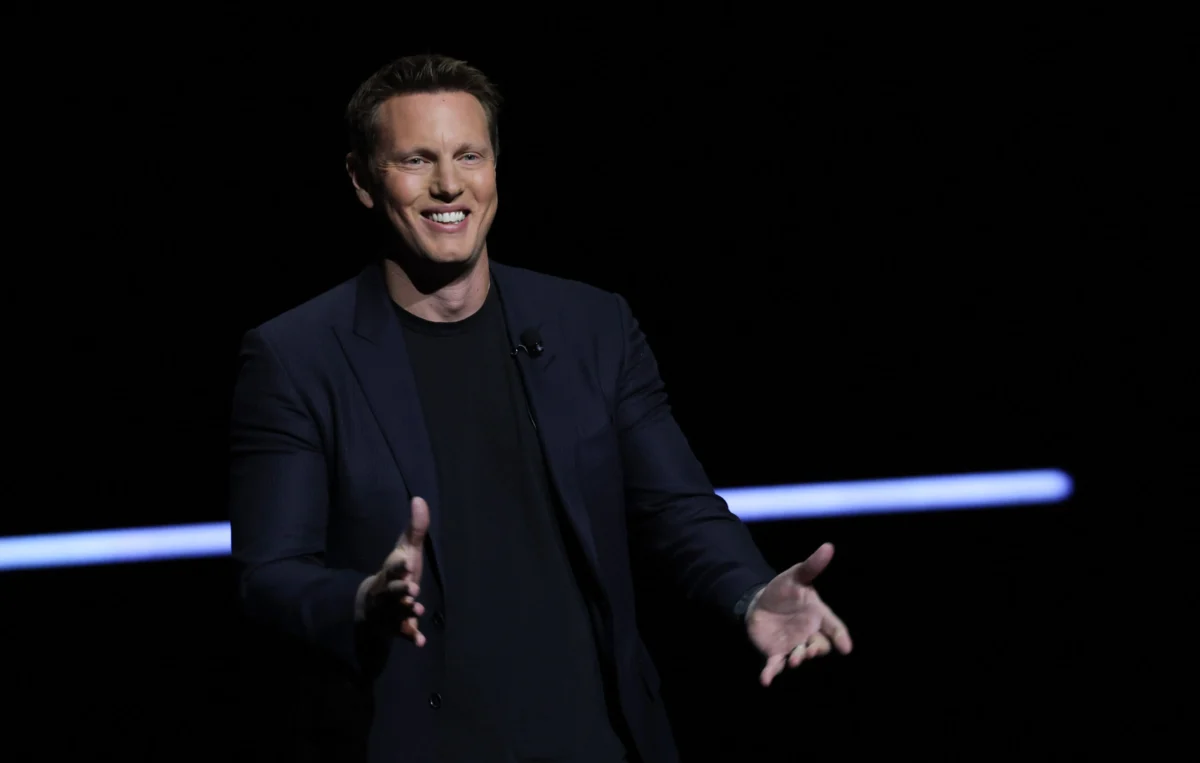
The U.S. Department of Justice has officially granted antitrust clearance for Paramount Skydance’s ambitious $110 billion acquisition of Warner Bros. Discovery, marking a seismic shift in the global entertainment and media landscape. This decision, announced Friday, effectively removes the most significant federal hurdle for a merger that seeks to consolidate some of the most iconic assets in Hollywood and television history. In its determination, the DOJ’s Antitrust Division concluded that after an exhaustive analysis, the transaction is not likely to result in substantial harm to competition or disadvantage American consumers. This green light from federal regulators signals a pivotal moment for Paramount CEO David Ellison and the broader industry, as traditional media giants scramble to gain the scale necessary to compete with Silicon Valley’s tech behemoths.
Federal Regulatory Approval and the DOJ Determination
The Department of Justice’s decision to sign off on the merger comes after months of intensive scrutiny. Federal investigators focused on whether the combination of Paramount Global and Warner Bros. Discovery (WBD) would create a monopoly in content production, theatrical distribution, or the rapidly evolving streaming market. The DOJ’s statement was definitive, noting that the "Division has completed its analysis… and determined based on the evidence received in its investigation that the transaction is not likely to result in harm to competition or American consumers."
A spokesperson for Paramount expressed gratitude for the thoroughness of the review, emphasizing that the merger is inherently "pro-competitive." According to the company, the combined entity will be significantly better positioned to challenge dominant technology platforms like Netflix, Amazon, and Apple. These tech giants have disrupted the traditional Hollywood model by leveraging massive cash reserves and global digital infrastructure, forcing legacy media companies to consolidate or risk irrelevance. The spokesperson further noted that the company remains focused on completing the transaction as soon as possible to deliver benefits to "consumers, creators, and the entertainment industry as a whole."
Following the news of the DOJ clearance, Paramount’s stock saw an immediate reaction, rising approximately 3% in after-hours trading. Investors have viewed the regulatory approval as a sign of stability for a deal that has faced numerous speculative roadblocks since its inception.
A Complex Path to Consolidation: The Deal’s Strategic Genesis
The road to this $110 billion merger has been characterized by high-stakes bidding wars and strategic pivots. In late February 2026, Paramount Skydance—the entity formed by the merger of David Ellison’s Skydance Media and Paramount Global—offered $31 per share to acquire the entirety of Warner Bros. Discovery’s assets. This aggressive bid effectively upended a previous, narrower proposal involving Netflix, which had been in discussions to acquire only the film and streaming segments of WBD.
By moving to acquire the whole of WBD, Paramount Skydance is securing a massive portfolio that includes the historic Warner Bros. film studio, the HBO Max streaming platform, and a suite of influential cable networks such as CNN, TBS, and TNT. The inclusion of CNN is particularly noteworthy, as it gives the new entity a massive footprint in global news and live broadcasting, complementing Paramount’s existing strength in CBS News and sports broadcasting.
The acquisition was designed to solve the "scale problem" facing legacy media. While Paramount+ and HBO Max (now Max) have both seen growth, they have struggled to match the sheer subscriber volume and technological overhead of Netflix. By merging these platforms, the new Paramount Skydance-WBD entity hopes to create a "must-have" streaming service that rivals any in the world, backed by a library that spans from the DC Universe and Harry Potter to Star Trek and Mission: Impossible.
Timeline of the Paramount-WBD Merger
The progression of this deal has been swift but calculated, moving through several key milestones in the first half of 2026:
- February 2026: Paramount Skydance submits a formal $31-per-share bid for Warner Bros. Discovery, disrupting potential deals between WBD and other tech-focused suitors.
- April 2026: Paramount CEO David Ellison confirms during a first-quarter earnings call that the deal is on track. He signals a target closing date of September 2026 to avoid the activation of a "ticking fee"—a financial penalty that increases the cost of the deal if closing is delayed.
- April 23, 2026: Warner Bros. Discovery shareholders overwhelmingly vote in favor of the merger, providing the necessary corporate mandate to proceed with regulatory filings.
- June 10, 2026: The Australian Competition and Consumer Commission (ACCC) grants approval, clearing the way for the merger in the Oceania market.
- June 12, 2026: The U.S. Department of Justice issues its formal determination, clearing the deal of federal antitrust concerns.
- July 14, 2026 (Projected): The European Union’s regulatory arm is expected to deliver its verdict on the merger, following a review period that began in early June.
International Regulatory Status and State-Level Scrutiny
While the federal hurdle in the United States has been cleared, the deal is not yet entirely without opposition. State-level regulators often conduct their own independent reviews of major mergers to ensure local labor markets and consumer prices are protected. California Attorney General Rob Bonta has been particularly vocal, stating that the deal "remains under investigation" by the California Department of Justice. Given that both Paramount and Warner Bros. have their primary operations and thousands of employees in California, the state’s review will focus heavily on the potential for job losses and the impact on the local creative economy.
On the international front, the European Union remains the final major regulator to weigh in. The EU has historically been more stringent than the U.S. regarding media consolidation, often requiring companies to divest certain assets to maintain a competitive market. However, industry analysts suggest that because the primary competition for this new entity is seen as "Big Tech" rather than other European media firms, the EU may follow the DOJ’s lead and approve the deal with minimal conditions.
The Australian approval earlier this week was seen as a positive harbinger for other international jurisdictions. The ACCC’s review focused on the impact on local television and film distribution, ultimately finding that the merger would not lead to a substantial lessening of competition in the Australian market.
Financial Architecture and the Ticking Fee Mechanism
The $110 billion valuation of the deal reflects not only the market capitalization of the combined companies but also the assumption of significant debt. Warner Bros. Discovery has been working to pare down debt since its own previous merger, and the Skydance-led acquisition is seen as a way to further stabilize the balance sheet through operational synergies.
A critical component of the deal’s timing is the "ticking fee." In large-scale acquisitions, a ticking fee is a provision that requires the buyer to pay an additional sum to the seller’s shareholders for every day or month the deal remains unclosed past a certain deadline. For David Ellison and Paramount, the deadline is September 2026. If the deal is not finalized by then, the cost of the acquisition begins to rise significantly. This creates a powerful incentive for the management team to navigate the remaining regulatory and legal challenges with maximum efficiency.
The $31-per-share offer represented a significant premium over WBD’s trading price at the time of the announcement. This premium was essential in securing shareholder approval, especially as WBD investors sought a clear path to value realization following a period of volatility in the media sector.
The Shift in the Streaming Wars: Content vs. Distribution
The merger of Paramount and Warner Bros. Discovery is the clearest sign yet that the "Streaming Wars" have entered a phase of consolidation. For the past decade, the industry focused on "content spend," with companies pouring billions of dollars into original programming to attract subscribers. However, as the market reached saturation, the focus shifted toward "scale and profitability."
By combining Paramount+ and Max, the new company will possess one of the deepest content libraries in existence. This includes:
- Film Studios: Paramount Pictures and Warner Bros. Pictures, two of the "Big Five" Hollywood studios.
- Television: CBS, HBO, and a massive array of cable networks including Discovery, Food Network, HGTV, and MTV.
- Sports: Extensive rights to the NFL, NBA, MLB, and March Madness, providing a massive advantage in the live-streaming space.
- Intellectual Property: Control over the DC Extended Universe, the Wizarding World (Harry Potter), Game of Thrones, South Park, and the Yellowstone universe.
This combined library allows the company to reduce "churn"—the rate at which subscribers cancel their service—by offering a volume of content that makes the subscription indispensable. Furthermore, the merger allows for significant cost savings in technology and marketing, as the companies can move toward a single global streaming infrastructure.
Impact on the Creative Ecosystem and Labor Markets
While the DOJ and other regulators look at competition through a consumer-pricing lens, the creative community often views such mergers with trepidation. The consolidation of two major studios means there are fewer "doors to knock on" for writers, directors, and actors looking to sell their projects. This reduction in the number of buyers can lead to downward pressure on talent fees and a more risk-averse approach to greenlighting original content.
Labor unions, including the Writers Guild of America (WGA) and SAG-AFTRA, have historically expressed concerns about media consolidation. They argue that as companies grow larger, they gain disproportionate leverage in contract negotiations. The ongoing investigation by the California Attorney General is expected to address these labor concerns directly, potentially seeking assurances that the merger will not lead to mass layoffs or the shuttering of iconic production facilities in the Los Angeles area.
Despite these concerns, proponents of the deal argue that a stronger, more stable Paramount Skydance-WBD is ultimately better for the industry than two smaller, struggling companies. By creating a viable competitor to the tech platforms, the merger ensures that traditional filmmaking and high-quality television production remain a central part of the global entertainment economy.
Conclusion and Future Outlook
The DOJ’s clearance of the Paramount Skydance and Warner Bros. Discovery merger is a landmark event that marks the beginning of a new era for Hollywood. While legal challenges from state attorneys general and the final decision from European regulators remain on the horizon, the path to a September closing is now much clearer.
As David Ellison prepares to lead this new media titan, the industry will be watching closely to see how the integration of these two giants unfolds. The success of the merger will likely depend on the company’s ability to harmonize its vast streaming operations while maintaining the creative excellence that has defined both Paramount and Warner Bros. for over a century. In an era where data and algorithms often dictate content, the newly formed Paramount Skydance-WBD will attempt to prove that the combination of legacy storytelling and modern scale is the ultimate winning formula.