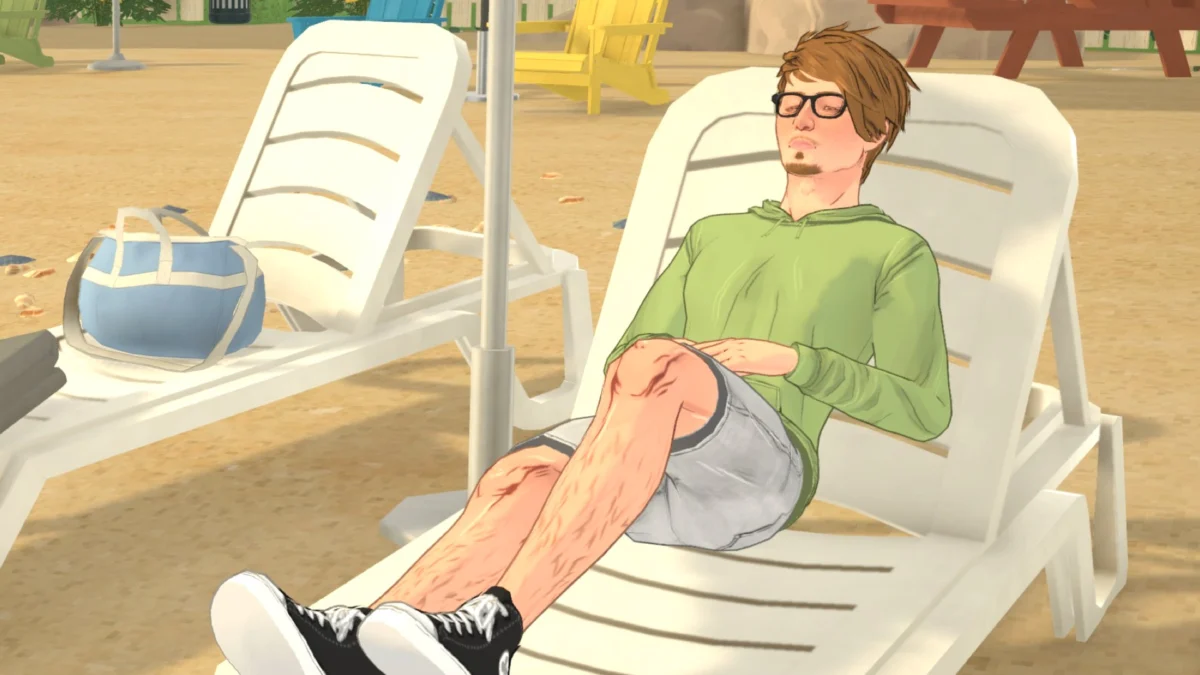
The highly anticipated independent life simulation title Paralives has officially transitioned into its Early Access phase, marking a significant milestone for a project that has spent years in development under the scrutiny of a dedicated global fanbase. Developed by Paralives Studio, the game presents a distinct departure from the established conventions of the genre, offering a stylized aesthetic and a suite of innovative building and character creation tools. The release comes at a time of heightened competition within the life simulation market, which has been dominated by Electronic Arts’ The Sims franchise for over two decades.
Overview of the Paralives Experience
The introductory sequence of Paralives establishes a tonal shift toward tranquility and environmental storytelling. The game opens with a cinematic sequence featuring a train traversing a bucolic landscape, which serves as a functional tutorial for player movement. This sequence introduces the "Parafolk"—the game’s digital inhabitants—within a household selection screen that emphasizes character dynamics and social atmosphere. Unlike the high-energy, often chaotic presentation of its competitors, Paralives adopts a "cosy-game" aesthetic, characterized by a sketchbook-watercolour art style and a relaxed, melodic soundtrack.
Initial reports from the Early Access version highlight a game that is rich in atmospheric detail but remains in a formative technical state. While the core systems are functional, the developer has been transparent regarding the presence of significant bugs, ranging from user interface glitches to pathfinding errors. Despite these early-stage hurdles, the game’s foundational mechanics—particularly in construction and character customization—suggest a robust framework designed for long-term depth and player agency.
Development History and Crowdfunding Success
The journey of Paralives began in 2019 when lead developer Alex Massé first shared early prototypes of the game’s building tools on social media. The project quickly gained traction, particularly among fans of the life simulation genre who were seeking alternatives to the existing market leaders. The development has been notable for its reliance on community support; the project has amassed over $2.5 million in funding through Patreon, allowing the studio to expand from a solo endeavor to a dedicated team of artists and programmers.
This grassroots funding model has granted Paralives Studio a level of creative independence rarely seen in large-scale simulation projects. The team has committed to a "no paid DLC" policy for core gameplay features, a move that stands in stark contrast to the monetization strategies of major publishers. This approach has fostered a high degree of loyalty and expectation within the community, culminating in the current Early Access release.
Advanced Customization: The Paramaker and Build Mode
At the heart of the Paralives experience are two primary creative suites: the Paramaker and the Build Mode. The Paramaker allows players to design Parafolk with a high degree of granularity. While it avoids direct manipulation of body parts—likely to navigate existing industry patents—it offers comprehensive sliders for height, musculature, and facial features. The system also includes layered clothing and a wide array of accessories, enabling players to create distinct looks for various social occasions.
The construction tools have received particular praise for their flexibility. Unlike the traditional grid-based systems found in most life sims, Paralives utilizes a gridless construction model. This allows for:
- Curved Walls: Players can create organic, rounded structures without the limitations of 90-degree angles.
- Bespoke Material Editing: Users can adjust wood grain patterns, color palettes, and texture scales independently.
- Resizable Furniture: Many objects, such as beds and sofas, can be resized on an individual axis, with the item’s trimmings and textures automatically adjusting to fit the new dimensions.
These tools represent a significant leap in creative freedom, allowing for highly detailed and personalized architectural designs that were previously difficult to achieve in the genre.
The World of Melino: Geography and Social Infrastructure
The Early Access version features a single, expansive map known as Melino. This world is designed with a focus on verticality and lived-in character, moving away from the "sandbox" feel of isolated lots toward a more integrated environment.

Key Districts and Landmarks
The heart of Melino is the "Old Town," a district characterized by cobblestone alleyways, characterful historic buildings, and a central plaza decorated with string lights. Surrounding this core are various functional landmarks, including:
- Cultural Hubs: A palatial museum with a teetering gift shop and local mementos.
- Social Spaces: Boutique shops selling vintage clothing, cozy cafes with window seating, and high-end restaurants featuring basement bars.
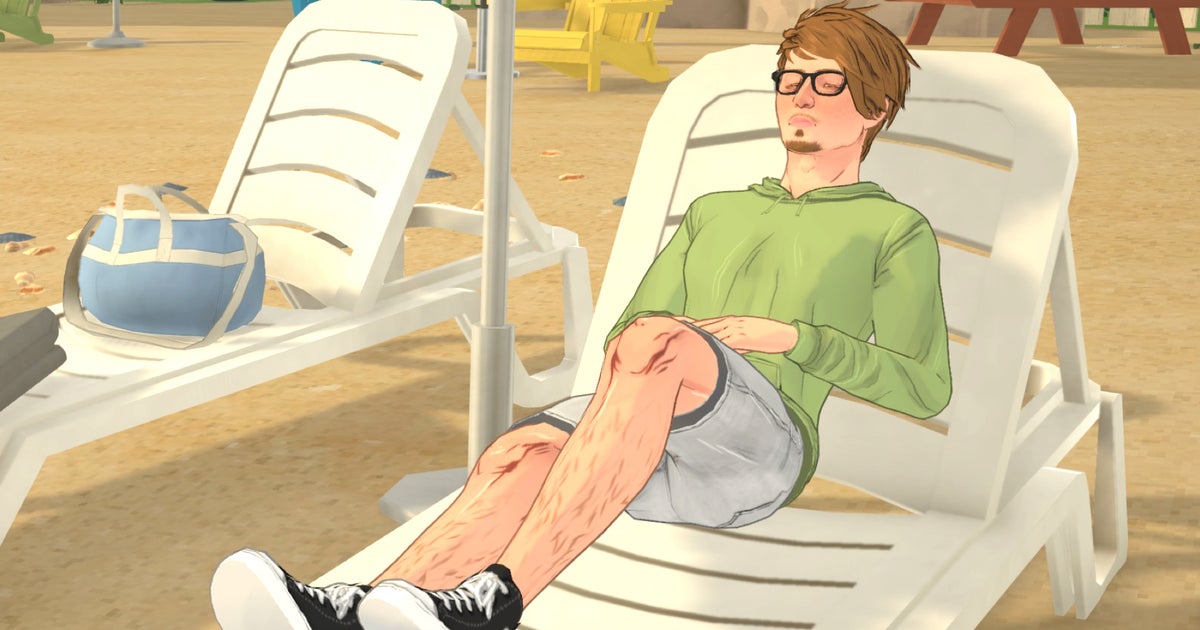
- Natural Environments: Sandy beaches with postcard views, rugged hills for hiking, and outlying areas consisting of farmland and forests.
Navigation and Community Events
While the world is not entirely seamless—loading occurs when moving between different lot interiors—it populates in situ to maintain immersion. The pace of the game is intentionally slow, with foot travel taking a realistic amount of time. To facilitate movement, the developers have implemented a bus-based fast-travel system, with plans to introduce bicycles in future updates.
To make the world feel functional, Paralives employs a rotating calendar of community events. These include open-air movie screenings in the plaza, treasure hunts, market days, and evening yoga retreats in the mountains. Noticeboards throughout the town provide daily neighborhood requests, offering players optional objectives that integrate their Parafolk into the local community.
Gameplay Mechanics and Social Simulation
Paralives introduces a more measured approach to social interaction and relationship building. In contrast to the "speed-run" social mechanics often found in the genre, relationship development in Paralives is intermittent and influenced by a complex array of variables.
The Conversation System
Dialogue options are not always available; they arise naturally during interactions and are often limited to a few choices at a time. Successful interactions may require "skill checks" based on the character’s current state. These outcomes are determined by:

- Personality Points: Distributed across physique, mind, creativity, and charisma.
- Social Perks and Talents: Unique modifiers selected during character creation.
- Environmental Factors: The character’s current mood, needs, and recent experiences.
Life Management
The game follows traditional life simulation beats, such as maintaining household finances through "rabbit-hole" jobs (where the character disappears for a work shift) and managing everyday needs. However, Paralives adds depth through unique needs bars for specific personality types; for example, an "energetic" Parafolk may have a surplus energy bar that requires specific activities to deplete.
Current Technical Challenges and Early Access Limitations
As is common with Early Access titles, Paralives currently suffers from a variety of technical issues that the studio is working to resolve. Early adopters have reported several recurring problems:
- Simulation Glitches: Characters can become stuck in infinite loops or cease to respond to commands.
- Visual Inconsistencies: Animation "weirdness" is frequent, with characters standing at awkward distances during conversations or failing to maintain eye contact.
- UI Overlays: Pop-up windows and menus can occasionally become stuck on the screen, obscuring gameplay.
- Extreme Events: The game’s logic systems can sometimes produce unintended results, such as a character dying in a fire while emergency services fail to arrive due to notification spam.
The developer has acknowledged these issues, stating that the Early Access period is intended to be a collaborative process where player feedback helps prioritize bug fixes and feature implementation.
Industry Context and Future Implications
The release of Paralives occurs during a transformative period for the life simulation genre. For years, The Sims remained virtually unchallenged. However, recent years have seen the announcement of several high-profile competitors, including Krafton’s InZoi and the now-canceled Life by You from Paradox Tectonic.
Paralives distinguishes itself by opting for a "vibe-centric" and artistically driven approach rather than the hyper-realism of InZoi or the corporate-backed scale of The Sims. Its success or failure will likely be seen as a litmus test for the viability of large-scale, crowdfunded simulation games.

The studio has released a robust development roadmap, which includes plans for:
- Expanded Life Stages: More detailed transitions between childhood, adulthood, and old age.
- Weather and Seasonal Systems: Dynamic environmental changes affecting gameplay.
- Enhanced AI: More sophisticated autonomous behavior for Parafolk.
- Multiplayer Exploration: Potential social features to allow players to visit each other’s worlds.
In conclusion, Paralives represents a characterful and innovative entry into the life simulation market. While its Early Access state requires significant refinement, its unique art style, flexible building tools, and deliberate pacing offer a compelling alternative for players seeking a different kind of digital life. As development continues, the industry will be watching closely to see if this independent project can sustain its momentum and provide a lasting challenge to the genre’s established giants.