


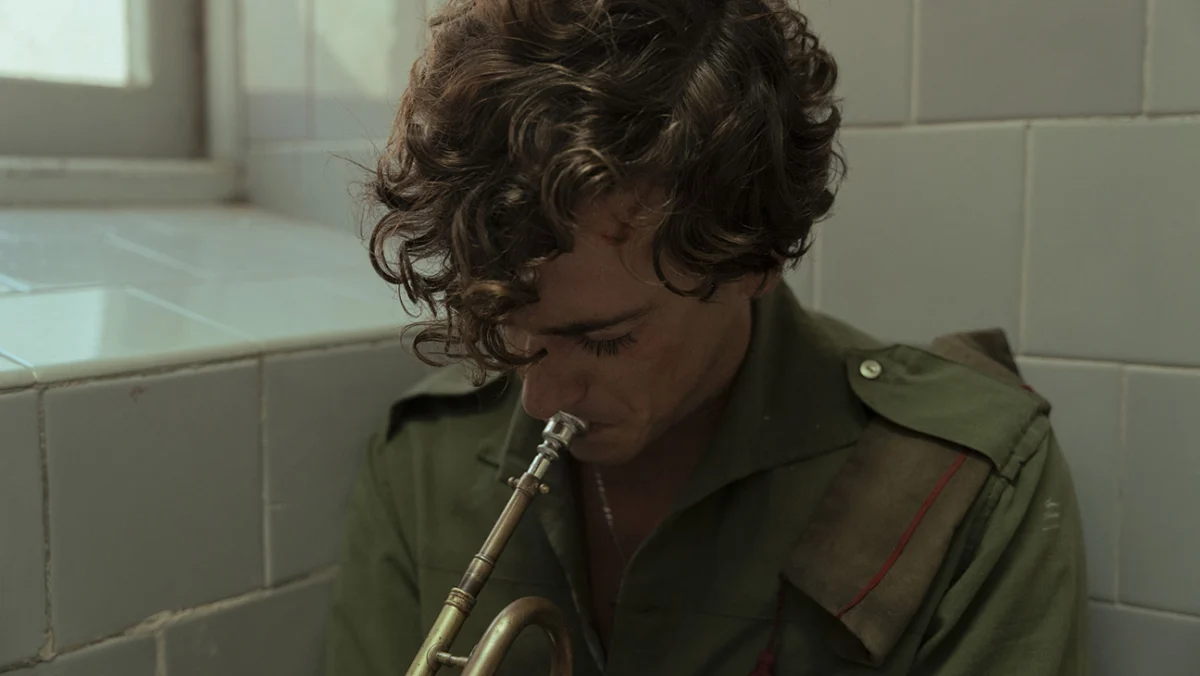
Netflix has officially acquired the U.S. distribution rights for The Black Ball (La Bola Negra), a highly anticipated competition title from the prestigious Cannes Film Festival. The Spanish-language drama, which features acclaimed actresses Penélope Cruz and Glenn Close in pivotal supporting roles, premiered to a thunderous and lengthy standing ovation on Thursday evening at Cannes. The deal, confirmed on Saturday by The Hollywood Reporter, was brokered by industry powerhouses CAA Media Finance and Goodfellas, underscoring the film’s significant market appeal and the competitive landscape for high-profile festival acquisitions. This move by Netflix highlights its continued commitment to bringing diverse, critically acclaimed international cinema to its vast American audience, further solidifying its position as a global content powerhouse.
Los Javis: A Cinematic Duo’s Triumphant Return
The Black Ball marks the eagerly awaited return to feature filmmaking for the celebrated Spanish creative duo, Javier Ambrossi and Javier Calvo, affectionately known in their native Spain as Los Javis. This film is their first feature since their critically lauded 2017 success, Holy Camp! (La Llamada), a musical comedy-drama that captivated audiences and critics alike with its unique blend of humor, heart, and exploration of faith and identity. Holy Camp! garnered several Goya Award nominations, Spain’s most prestigious film awards, and established Los Javis as significant new voices in Spanish cinema. Their work often delves into themes of self-discovery, LGBTQ+ experiences, and the complexities of human relationships, delivered with a distinctive blend of wit, emotional depth, and visual flair.
Ambrossi and Calvo, who were formerly a couple and continue their creative partnership, have built a formidable reputation not only in film but also in television, notably with the popular series Veneno (2020), a biographical drama about the transgender icon Cristina Ortiz Rodríguez. Veneno received widespread international acclaim for its groundbreaking storytelling and empathetic portrayal of its subject, further cementing Los Javis’ status as filmmakers unafraid to tackle challenging and often marginalized narratives. Their return to the big screen with The Black Ball after a seven-year hiatus has been met with considerable anticipation, particularly given its selection for the main competition at Cannes, a testament to its artistic merit and potential impact. The duo’s ability to craft compelling, visually rich stories that resonate on a deeply human level has positioned them as leading figures in contemporary Spanish auteur cinema, making this new feature a pivotal moment in their careers.
The Black Ball: Weaving History, Identity, and Art
The narrative of The Black Ball is an ambitious and intricate tapestry, weaving together the lives of three distinct men across three pivotal periods in Spanish history: 1932, 1937, and 2017. These disparate timelines are ingeniously connected by a profound artistic thread: the last works of the iconic Spanish poet and playwright, Federico García Lorca. Lorca, a towering figure of the Spanish literary canon, was not only a brilliant artist but also an openly gay man in a deeply conservative era. His tragic assassination in 1936, at the outset of the Spanish Civil War, remains one of the most poignant symbols of the brutal repression and loss of cultural heritage during that tumultuous period.
The film’s exploration of Lorca’s final creative output serves as a powerful conduit for examining themes of art, love, persecution, and resilience. By spanning nearly a century, The Black Ball intends to draw parallels and contrasts between the struggles and triumphs of LGBTQ+ individuals across different generations in Spain. The year 1932 precedes the full-blown conflict, a period of burgeoning artistic and social freedoms in the Second Spanish Republic, albeit still marked by societal prejudices. 1937 plunges viewers into the heart of the Spanish Civil War, a time of immense violence, political upheaval, and heightened danger for anyone deemed an "undesirable" by the emerging nationalist forces. The modern setting of 2017 offers a contemporary lens, allowing for reflection on the progress made, the history reclaimed, and the lingering echoes of past injustices.
The Hollywood Reporter‘s review eloquently captured the film’s thematic depth, noting it as "a consideration of so much lost gay history, an acknowledgment of what it must have been for men of a dangerous and repressive era to find themselves helplessly drawn to one another, war and other horrors informing their lives but failing to wholly destroy what is so powerful and innate within them." This description underscores the film’s commitment to shedding light on forgotten narratives and celebrating the enduring power of human connection and identity in the face of adversity. The narrative promises a moving and historically rich exploration of courage, vulnerability, and the timeless pursuit of authenticity.
Star Power and Global Appeal: Cruz and Close Elevate the Narrative
The presence of international cinematic icons Penélope Cruz and Glenn Close in supporting roles significantly amplifies The Black Ball‘s global appeal and artistic gravitas. While their specific characters and screen time have not been extensively detailed, their involvement alone signals the project’s high caliber and the confidence placed in Los Javis’ vision. Penélope Cruz, a perennial muse for Spanish cinema and an Academy Award winner, brings an unparalleled level of recognition and artistic depth to any project she undertakes. Her illustrious career spans both Hollywood blockbusters and acclaimed European art-house films, making her a bridge between diverse audiences. Her commitment to a Spanish-language film by emerging (though already celebrated) directors like Los Javis speaks volumes about the script’s power and the directorial talent involved.
Similarly, Glenn Close, a seven-time Academy Award nominee and a titan of American stage and screen, lends immense prestige and dramatic weight. Close is renowned for her powerful, nuanced performances across a wide range of genres, from intense dramas to musicals. Her willingness to take on a supporting role in a Spanish-language film further underscores the compelling nature of The Black Ball‘s story and its potential to resonate internationally. The collaboration of these two formidable actresses, each celebrated for their intense performances and global reach, not only elevates the film’s profile but also promises an enriched viewing experience, potentially drawing in audiences who might not typically seek out non-English language cinema. Their involvement serves as a powerful endorsement of Los Javis’ artistic ambition and the film’s potential to become a significant cultural touchstone. Their ability to deliver memorable performances, even in supporting capacities, is expected to add layers of emotional complexity and dramatic impact to the interwoven narratives of The Black Ball.
Cannes Premiere: A Resounding Ovation and Competitive Market
The world premiere of The Black Ball at the Cannes Film Festival on Thursday evening was met with a "thunderous and lengthy standing ovation," an accolade that is highly coveted and indicative of a film’s profound impact on its initial audience. At Cannes, standing ovations are not merely polite applause; they are a visceral barometer of critical and emotional reception, often signaling a film destined for significant acclaim and potential awards recognition. For a film competing in the main selection, such a reception can dramatically enhance its market value and buzz, positioning it as a must-see feature.
The festival itself is not only a showcase for cinematic artistry but also a bustling marketplace where distribution rights are fiercely contested. The acquisition of The Black Ball by Netflix for the U.S. market followed a "competitive process," highlighting the film’s desirability among major distributors. This competitive environment was further exemplified by another high-profile bidding showdown at Cannes for Jordan Firstman’s Club Kid, which ultimately saw A24 emerge victorious. These intense bidding wars underscore the increasing appetite for distinctive, director-driven content that makes a strong impression at major festivals. For Netflix, securing The Black Ball amidst such competition represents a significant strategic win, allowing them to bolster their catalog with a critically acclaimed title that generated substantial buzz. The Cannes platform provides invaluable validation, often translating into greater visibility and audience engagement once the film reaches broader distribution channels.
Netflix’s Strategic Play in the International Cinema Landscape
Netflix’s acquisition of The Black Ball for U.S. distribution is more than just a single deal; it represents a continuation of the streaming giant’s strategic pivot towards acquiring and producing high-quality international content. Over the past decade, Netflix has invested heavily in non-English language films and series, recognizing the global demand for diverse storytelling. Titles like Roma, Parasite (though not a Netflix original, its success underscored the appetite for international cinema), and more recently, various Spanish, Korean, and German productions, have demonstrated that language is no longer a barrier to global viewership. This strategy has allowed Netflix to expand its subscriber base in new territories while also enriching its offerings for existing subscribers.
The decision to acquire a Cannes Competition title like The Black Ball aligns perfectly with this approach. Films that premiere at prestigious festivals arrive with built-in critical acclaim and a seal of quality, significantly reducing the marketing risk. For Netflix, securing U.S. rights means that American audiences, who might otherwise have limited access to such films, can experience cutting-edge international cinema from the comfort of their homes. This also plays into the platform’s ability to offer a curated selection that appeals to cinephiles and general audiences alike. While the film will have theatrical releases in Spain (via Elastica in October) and France (via co-producer Le Pacte), Netflix’s acquisition ensures that The Black Ball will reach a massive and immediate audience in the U.S., bypassing the often-challenging independent theatrical distribution landscape. This multi-platform release strategy, combining traditional theatrical runs with global streaming availability, is becoming an increasingly common and effective model for maximizing a film’s reach and financial return in the contemporary media ecosystem.
A Deep Dive into Spain’s Tumultuous Past
The historical periods explored in The Black Ball are critical to understanding its thematic resonance. Spain in 1932 was grappling with the nascent Second Spanish Republic, a period of significant social and political reforms following the end of the monarchy and the dictatorship of Primo de Rivera. This era witnessed a blossoming of intellectual and artistic freedom, including a more open environment for figures like Federico García Lorca. However, it was also a time of deep ideological divisions, with rising tensions between republican, socialist, anarchist, and conservative-monarchist factions.
By 1937, Spain was engulfed in the brutal Spanish Civil War (1936-1939). This conflict pitted the democratically elected Republican government against a nationalist rebellion led by General Francisco Franco. The war was characterized by extreme violence, political purges, and profound human suffering. For individuals like Lorca, who was assassinated in 1936 by nationalist forces due to his republican sympathies and suspected homosexuality, this period represented an existential threat. The film’s setting in 1937 would likely depict the stark realities of war, the dangers faced by those deemed "outsiders," and the desperate struggle for survival and identity amidst chaos. The depiction of "men of a dangerous and repressive era" finding solace and connection in each other during this time offers a poignant commentary on human resilience and the persistence of love and desire even in the darkest circumstances. The contrast with 2017, a democratic Spain fully integrated into the European Union with robust LGBTQ+ rights, provides a powerful historical arc, reflecting on how far the nation has come while acknowledging the shadows of its past. This historical context is not merely a backdrop but an integral character in the film, shaping the lives and experiences of its protagonists.
Critical Acclaim and the Emergence of New Cinematic Voices
The THR review’s effusive praise for The Black Ball extends beyond its thematic depth to its masterful execution. The critics lauded Los Javis’ "thrilling technical bravado," describing nearly every shot as "a carefully composed wonder, either an eye-popping still-life tableau or a breathtaking bit of camera movement, all done up in lush, expensive-looking period detail." This highlights the film’s exceptional craftsmanship and visual artistry, suggesting that it is not only a profound narrative but also a feast for the eyes. Such meticulous attention to detail in cinematography and production design is crucial for transporting audiences into distinct historical periods and making the emotional landscape of the film truly immersive.
The review’s assertion that "One comes to festivals like Cannes partly to witness the arrival of major new filmmakers, and The Black Ball is just such an event," unequivocally positions Los Javis as significant talents on the global stage. It underscores that despite their established success in Spain, The Black Ball represents a breakthrough moment, showcasing their maturation as feature film directors capable of tackling complex, ambitious projects with confidence and grace. The critics particularly appreciated how Los Javis "shrewdly and gracefully toggle between timelines and know just when to add a sly and surprising joke lest a scene tilt into turgidity," indicating a sophisticated control over pacing and tone, preventing the film from becoming overly heavy despite its serious subject matter. This blend of technical brilliance, narrative complexity, and emotional nuance suggests that The Black Ball is not just an important film for its content but also a masterclass in modern filmmaking, solidifying Los Javis’ reputation as compelling and innovative cinematic voices to watch.
The Future of Global Film Distribution
The acquisition of The Black Ball by Netflix encapsulates broader trends in global film distribution. The traditional model, where a film would first tour festivals, secure theatrical distribution in key markets, and then eventually move to home entertainment, is rapidly evolving. Streaming platforms like Netflix have become indispensable conduits for international cinema, offering unprecedented reach and accessibility. For a film like The Black Ball, a Cannes competition title with critical acclaim and star power, the Netflix deal ensures it will be seen by millions in the U.S. concurrently or shortly after its limited theatrical runs in other territories. This hybrid model allows films to capitalize on the prestige and buzz generated by festivals and theatrical releases, while simultaneously leveraging the vast audience of streaming services. The growing global appetite for non-English language content, spurred by the success of various international series and films on streaming platforms, has made such acquisitions even more attractive. This trend suggests a future where diverse cinematic voices from around the world will find larger and more appreciative audiences, democratizing access to global storytelling and fostering a more interconnected film landscape.