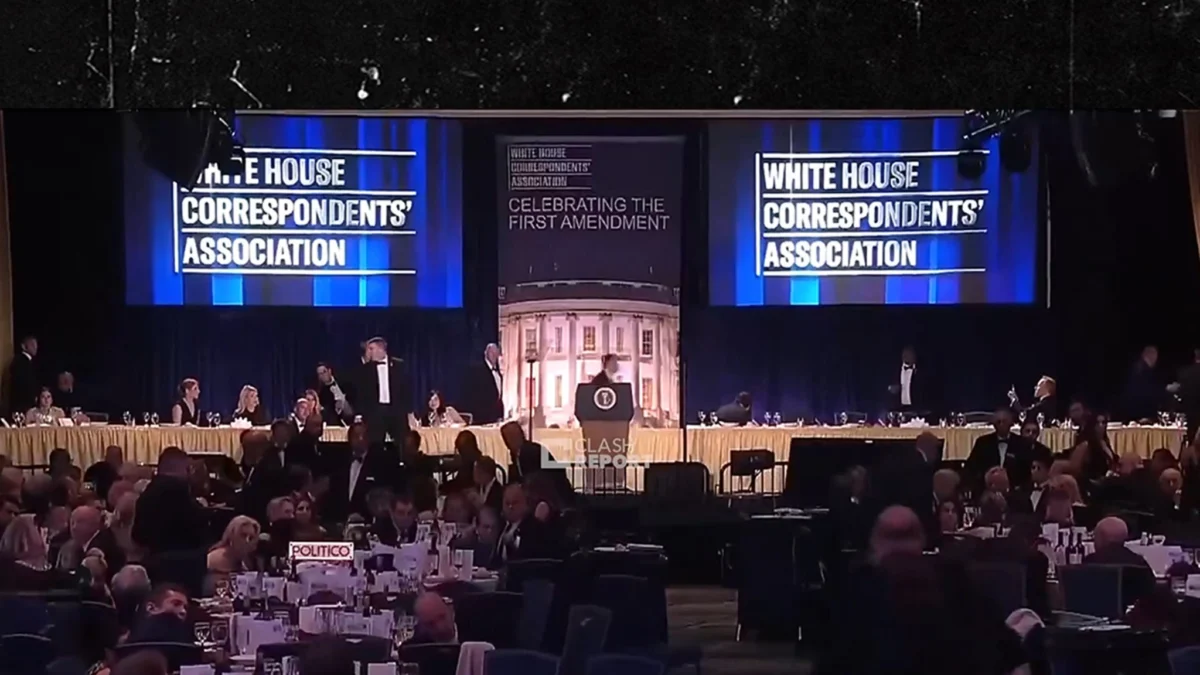
Washington D.C. – April 25, 2026 – A shocking act of violence shattered the annual White House Correspondents’ Dinner (WHCD) tonight, as a lone gunman fired a shot in the lobby of the Washington Hilton hotel, the customary venue for the prestigious event. The assailant was swiftly neutralized and killed, reportedly by a Secret Service agent, bringing an abrupt and terrifying halt to one of Washington D.C.’s most anticipated social gatherings. President Donald Trump was immediately evacuated from the premises amidst widespread pandemonium, though officials quickly confirmed that neither the President nor any other attendee sustained physical injuries. The incident, occurring at approximately 5:47 PM PDT (8:47 PM EDT), sent shockwaves through the nation’s capital, prompting an immediate multi-agency investigation into the motives and identity of the deceased shooter.
The Incident Unfolds: A Moment of Terror
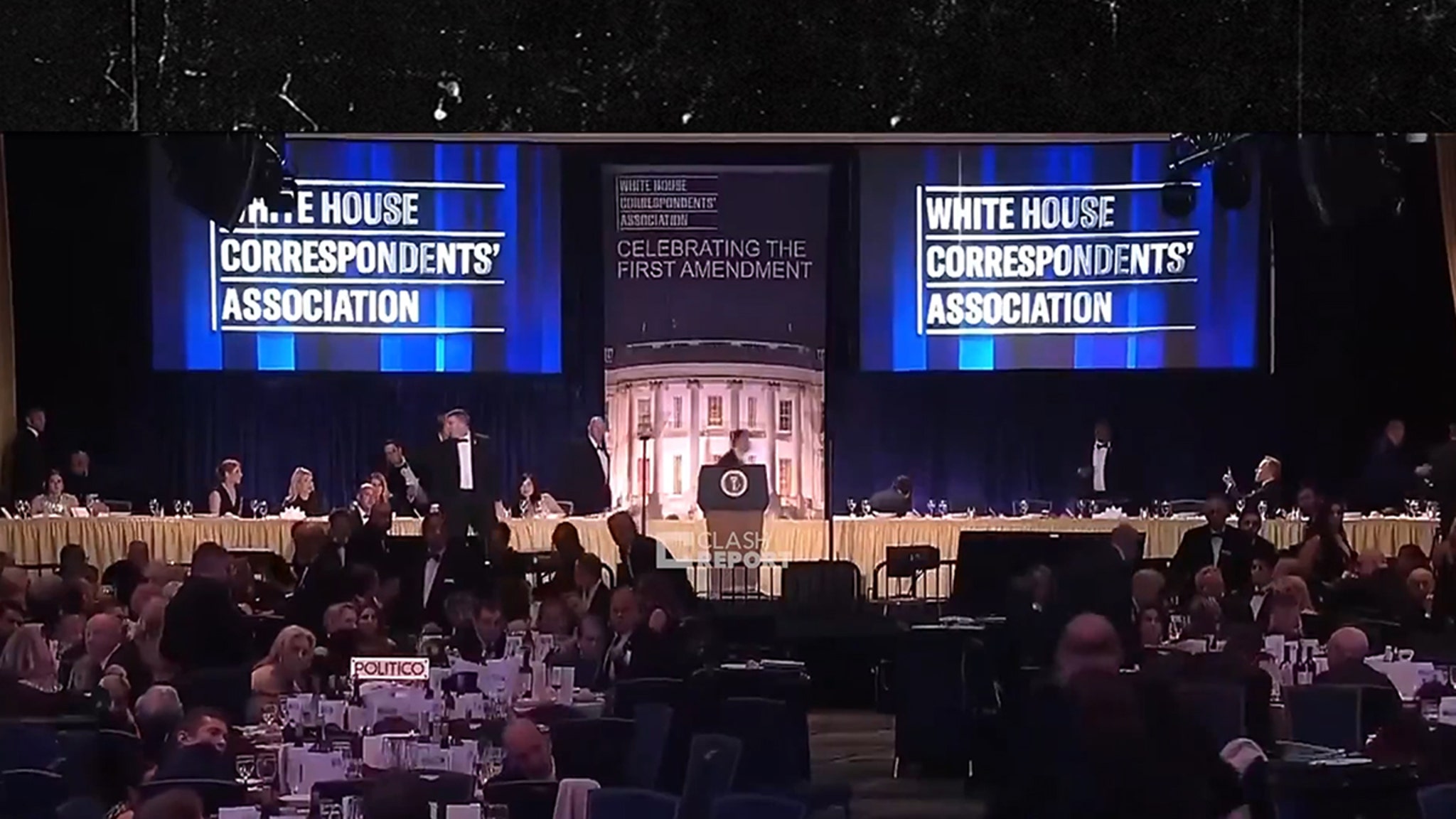
The evening had commenced with the usual blend of political gravity and lighthearted humor, a hallmark of the WHCD. Inside the grand ballroom of the Washington Hilton, hundreds of luminaries from politics, media, and entertainment were gathered. The event was in its early stages, with CBS News’ Weijia Jiang, president of the White House Correspondents’ Association, delivering her welcome remarks. The atmosphere was one of anticipation, as guests prepared for dinner and the traditional speeches that often feature sharp wit and pointed commentary from both the press and the President.
However, the conviviality was shattered by a single, concussive gunshot that echoed from the hotel lobby. The sound, sharp and unmistakable, pierced through the background hum of conversations and clinking glasses. While the shot was fired outside the main ballroom, the reverberations were immediate and terrifying. A wave of confusion, quickly escalating into panic, swept through the assembled guests. Eyewitnesses described a momentary hush, followed by shouts, screams, and the frantic scramble for cover. Many instinctively ducked under dinner tables, their faces etched with fear, as security personnel moved with practiced urgency.
Immediate Response and Presidential Evacuation
The Secret Service, renowned for its meticulous protection protocols, reacted with textbook precision. Within seconds of the shot being fired, agents moved to secure the most critical asset: the President of the United States. President Trump, along with First Lady Melania Trump and Vice President Mike Pence, were among the scores of high-ranking administration officials present. The room was, in essence, a convergence of the nation’s leadership, including the Secretaries of State, Defense, Treasury, and Homeland Security, making the security posture exceptionally high.
The President’s protective detail executed an immediate extraction, whisking him away from the potential threat zone. The swiftness of the evacuation underscored the gravity of the situation and the constant readiness of the Secret Service to respond to any perceived danger. Simultaneously, other agents and law enforcement personnel converged on the source of the gunshot in the hotel lobby. Initial reports indicate that the shooter was engaged and neutralized almost instantaneously by a Secret Service agent, preventing any further harm. The fact that no other individuals were injured is a testament to the rapid and decisive action of the security forces.
Scene of Chaos and Relief
Inside the ballroom, the initial panic slowly gave way to a tense calm as information, albeit fragmented, began to trickle through. Guests remained largely hunkered down, their minds racing to process the unfolding events. Cell phones lit up the darkened spaces under tables as individuals frantically tried to contact loved ones or gather news. The contrast between the glamorous setting – crystal chandeliers, white tablecloths, and formal attire – and the primal fear of an active threat was stark.
As the immediate danger subsided, a sense of collective relief, intertwined with lingering shock, settled over the room. Security personnel began to guide attendees to safety, reassuring them that the threat had been contained. The sight of armed agents, previously discreetly blended into the crowd, now openly patrolling the perimeter, served as a stark reminder of the close call. The planned speeches, comedic routines, and celebratory atmosphere of the evening were irrevocably shattered, replaced by an indelible memory of a security breach at the highest level.
The White House Correspondents’ Dinner: A Tradition Under Threat
The White House Correspondents’ Dinner, an annual event since 1921, holds a unique place in the American political landscape. Organized by the White House Correspondents’ Association (WHCA), its primary purpose is to raise money for journalism scholarships and to present awards for excellence in the field. Beyond its philanthropic mission, it has evolved into a significant social and political spectacle, drawing a diverse array of attendees from government, media, Hollywood, and business.
Historically, the dinner serves as a rare occasion for the President and the press corps to engage in a less formal, often humorous, exchange. Presidents frequently use the platform to deliver a comedic roast of themselves, their administration, and the media, with a featured comedian often following suit. This tradition, while sometimes strained, is seen by many as a symbol of the First Amendment and a healthy, albeit often adversarial, relationship between the government and a free press.
In recent years, the dinner has faced scrutiny and, at times, boycotts, particularly during administrations marked by heightened tensions with the media. President Trump, for example, famously chose not to attend the dinner during significant portions of his first term, opting instead for rallies or other events. His presence at this year’s dinner was, for many, a notable return to a semblance of traditional engagement, making the security incident even more poignant against the backdrop of its historical significance. The Washington Hilton, with its vast ballrooms and extensive facilities, has been the venue for the WHCD for decades, its familiar layout usually synonymous with a secure, celebratory environment.
Unraveling the Attack: The Investigation Begins
Immediately following the neutralization of the shooter, a multi-agency task force comprising the Secret Service, the Federal Bureau of Investigation (FBI), and local Washington D.C. Metropolitan Police Department (MPD) commenced a rigorous investigation. The hotel lobby, where the incident occurred, was quickly cordoned off, transforming from a bustling entry point into a forensic crime scene. Investigators began the painstaking process of collecting evidence, including ballistic information, surveillance footage from the hotel’s extensive camera network, and witness statements.
The primary objectives of the investigation are to identify the shooter, establish their motive, and determine how they managed to breach the perimeter security, even if only in the immediate vicinity of the main event. While the perimeter for such an event is typically multi-layered, extending beyond the immediate hotel entrance, the focus will be on understanding the exact sequence of events that led to the shot being fired. Authorities will be examining the shooter’s background, including any known affiliations, mental health history, and digital footprint, to piece together the narrative leading up to this violent act. The speed with which the shooter was engaged and eliminated suggests a swift and effective response from trained agents, but the very occurrence of the incident necessitates a thorough review of all security protocols.
Enhanced Security Protocols Under Scrutiny
The incident inevitably triggers a comprehensive review of security protocols for high-profile events, particularly those attended by the President and other senior government officials. Protecting the President is a complex, continuous operation, involving concentric rings of security that extend far beyond the immediate vicinity of the individual. These layers typically include intelligence gathering, advance security surveys, control of access points, physical barriers, K-9 units, and a substantial presence of uniformed and plainclothes agents.
At an event like the WHCD, the challenge is compounded by the large number of attendees, the mix of public figures and civilians, and the desire to maintain a degree of accessibility and normalcy. While guests typically undergo rigorous screening, including metal detectors and bag checks, the exterior perimeters and public areas of large venues always present potential vulnerabilities. This incident will undoubtedly lead to discussions about hardening these "soft targets" and reassessing the balance between security and the desire for public engagement at such gatherings. Experts anticipate a reevaluation of everything from credentialing processes to the deployment of counter-surveillance measures and the integration of intelligence from various agencies to preempt potential threats.
Official Reactions and Calls for Unity
In the immediate aftermath, official statements were swift and decisive. The White House Press Secretary released a statement confirming President Trump’s safety, praising the valor and professionalism of the Secret Service, and emphasizing that the investigation was ongoing. The statement underscored the administration’s commitment to ensuring the safety of all public servants and citizens.
The Secret Service issued a brief statement confirming the incident, the neutralization of the threat, and the initiation of a joint investigation with federal and local partners. They commended their agents for their rapid response, which prevented further casualties.
Weijia Jiang, speaking on behalf of the White House Correspondents’ Association, expressed profound shock and condemnation of the violence. She extended gratitude to the Secret Service and all first responders, noting the WHCA’s commitment to supporting the investigation and ensuring the safety of future events. She also acknowledged the trauma experienced by attendees and called for unity in the face of such an attack on a democratic institution.
Congressional leaders from both sides of the aisle issued statements condemning the attack, praising law enforcement, and expressing relief that no one else was harmed. There was a palpable sense of bipartisan solidarity in the immediate aftermath, with calls for a thorough investigation and a renewed focus on national security. The incident serves as a stark reminder of the persistent threats faced by public figures and the institutions they represent.
Broader Implications for National Security and Public Discourse
The shooting at the White House Correspondents’ Dinner carries significant broader implications beyond the immediate security breach. It underscores the fragility of security even at the most protected events and highlights the persistent threat of lone actors capable of causing immense disruption and fear. Coming in 2026, an election year for many, such an event could fuel political debates surrounding gun control, domestic extremism, and the overall security posture of the nation.
Furthermore, the incident could profoundly impact the nature of future high-profile public gatherings involving the President. There may be calls for even stricter security measures, potentially limiting public access and transforming events that are designed to be somewhat open into more fortified, insulated affairs. This could, in turn, further strain the relationship between the press and the presidency, as opportunities for informal engagement become rarer.
The psychological impact on the attendees, particularly the journalists and political figures who were directly exposed to the threat, cannot be understated. Such an event serves as a chilling reminder of the dangers inherent in public service and reporting. It also sends a disturbing message about the state of political discourse, where violence, even if isolated, can become a tool of expression. As the investigation progresses and more details emerge about the shooter’s identity and motivations, the nation will grapple with the implications of this attack on a cherished, if sometimes contentious, American tradition. The incident on April 25, 2026, will undoubtedly be remembered as a dark chapter in the history of the White House Correspondents’ Dinner, prompting introspection and rigorous reevaluation of security and public engagement in an increasingly volatile world.